Trail Overview
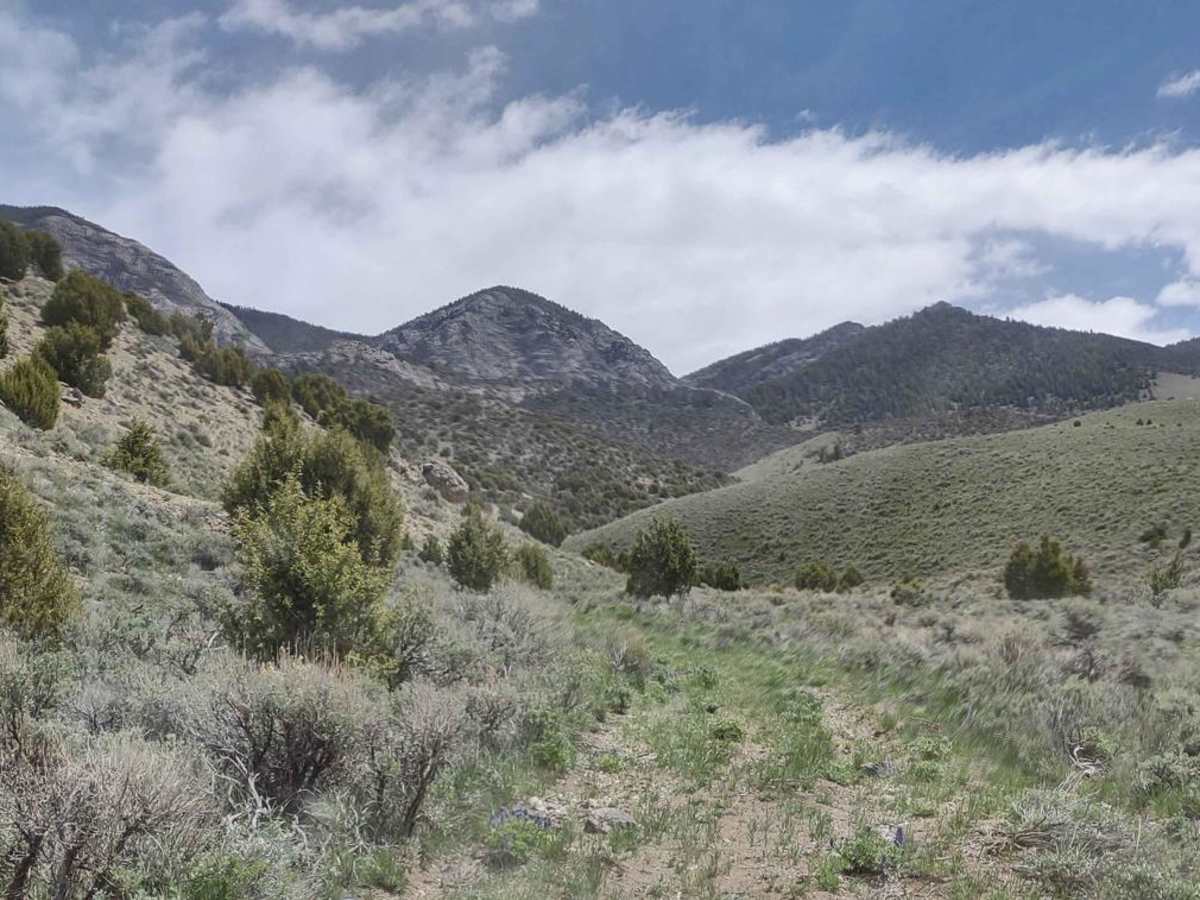
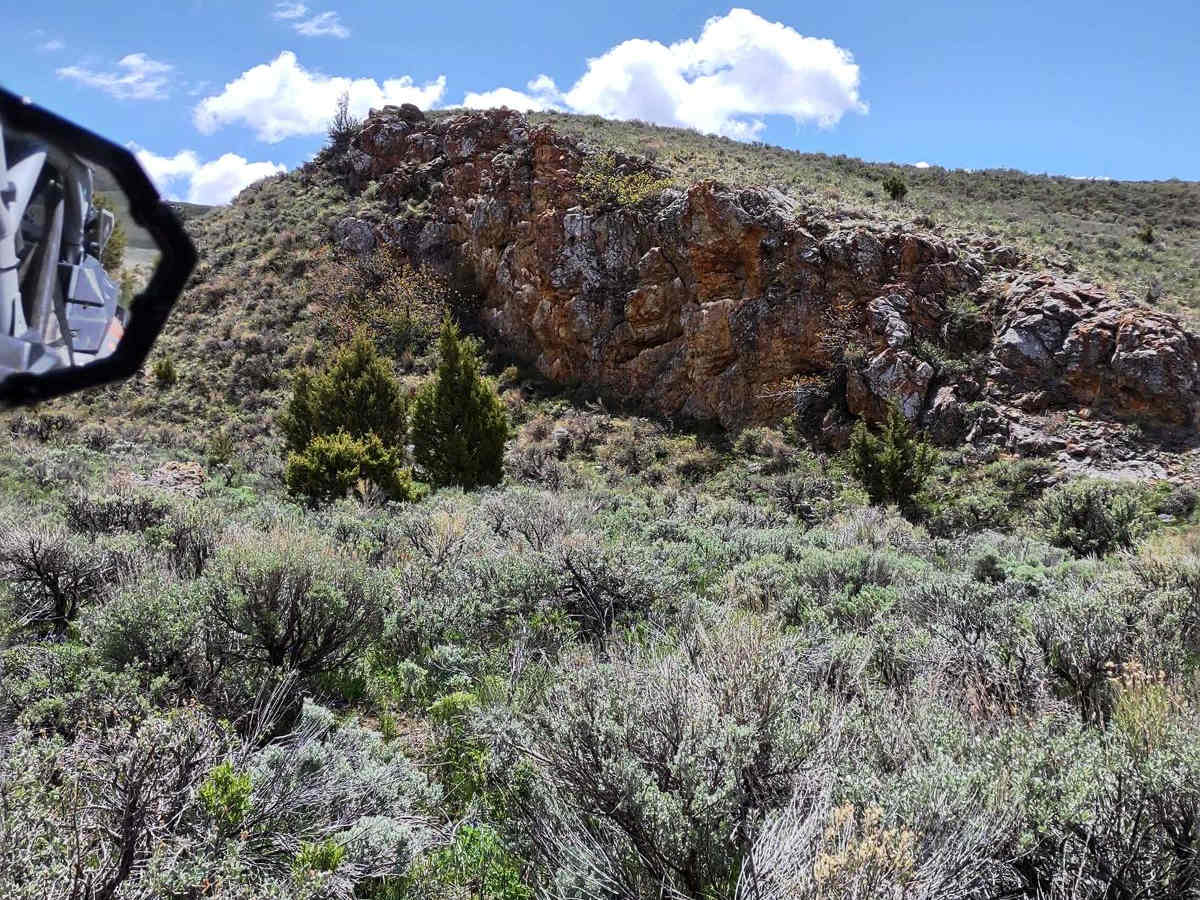
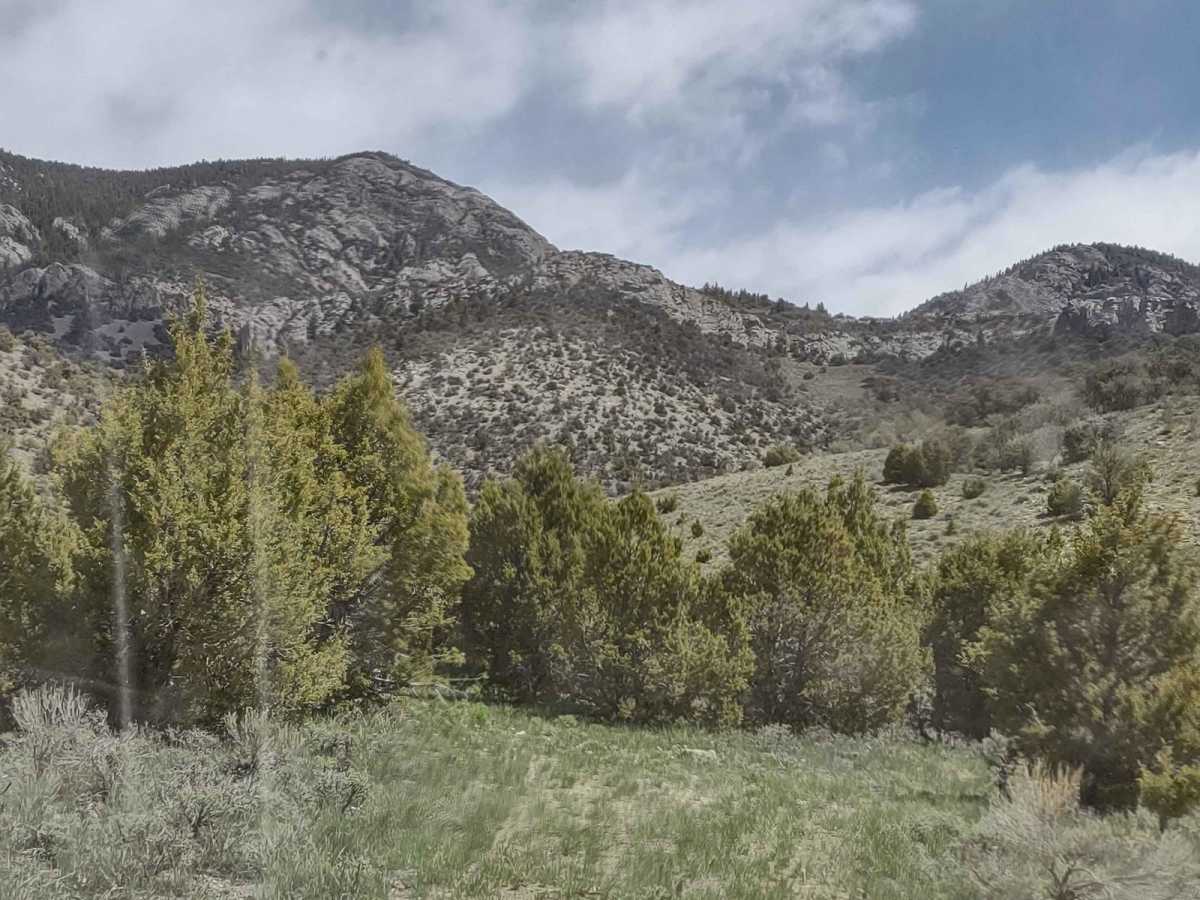
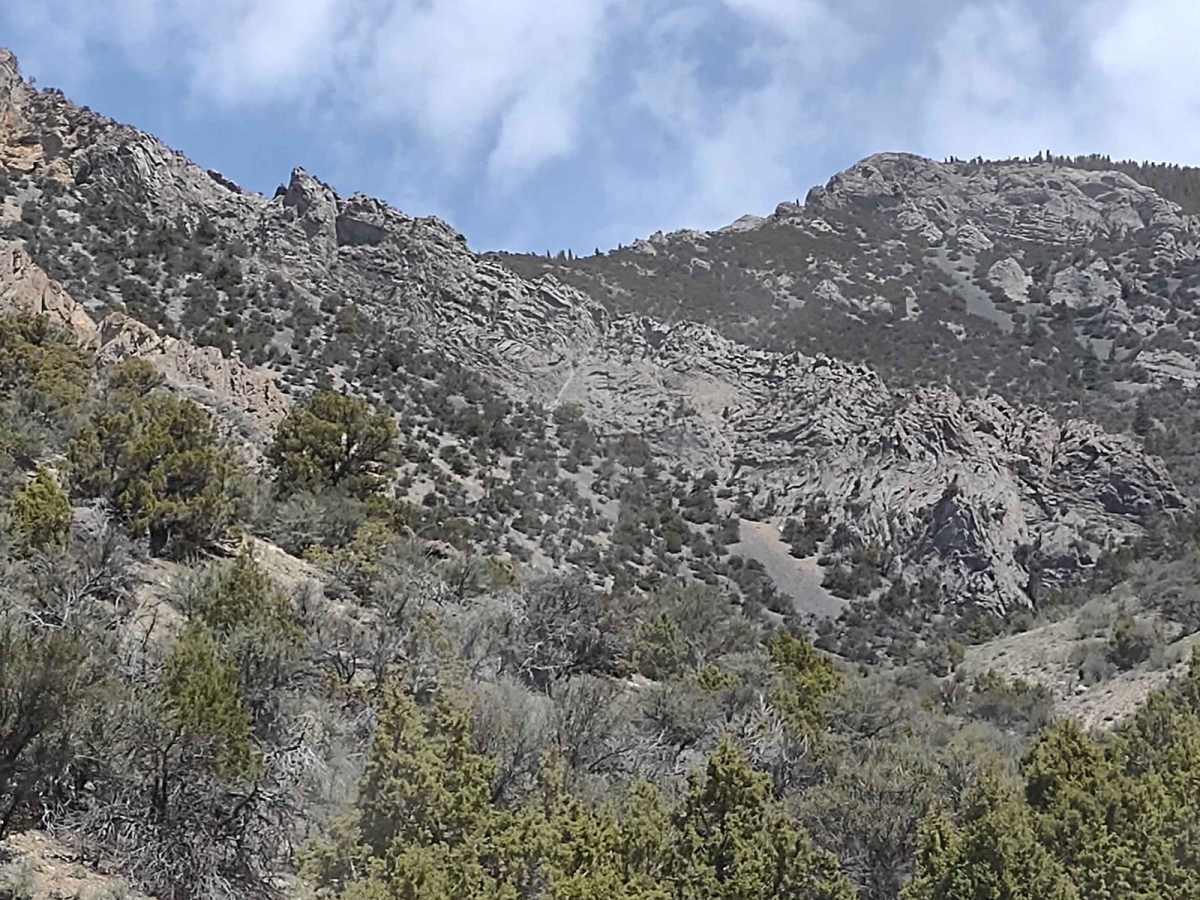
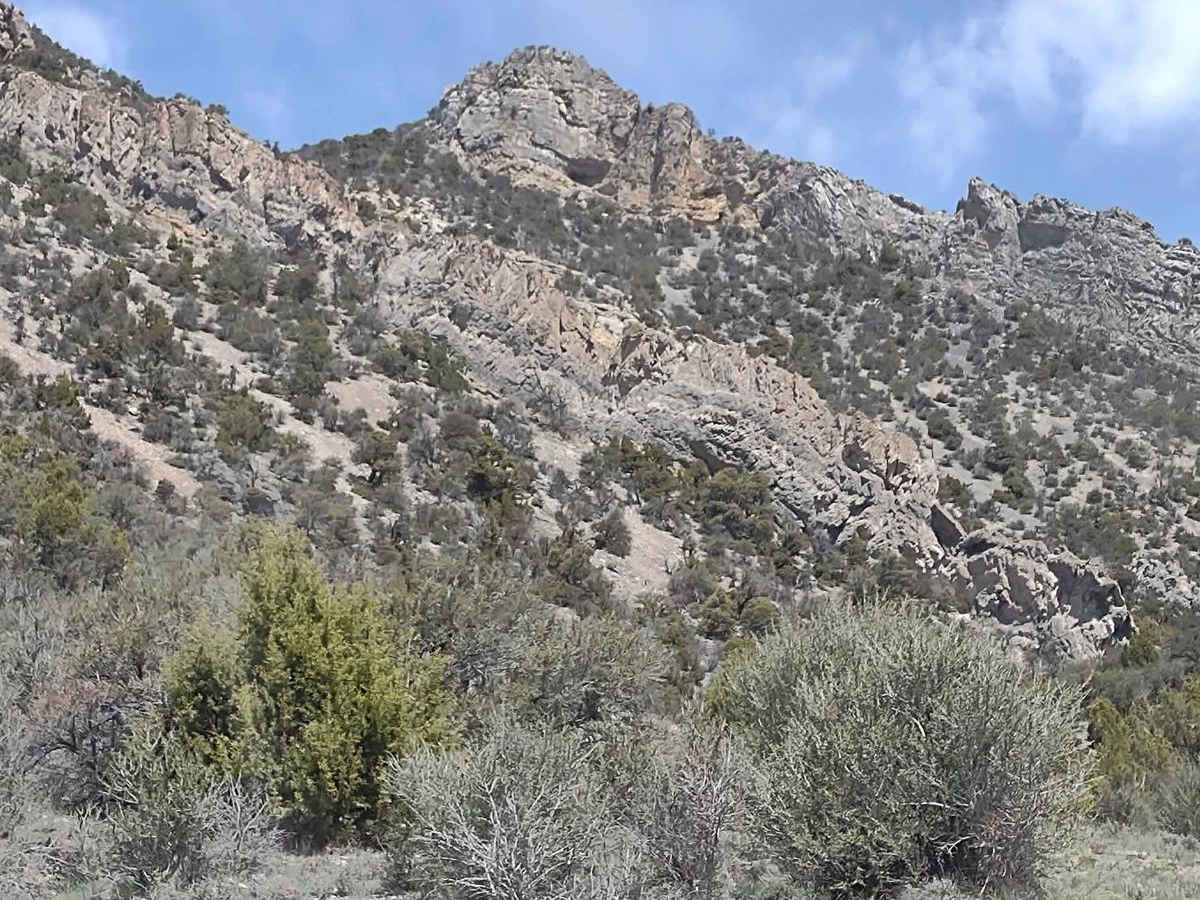
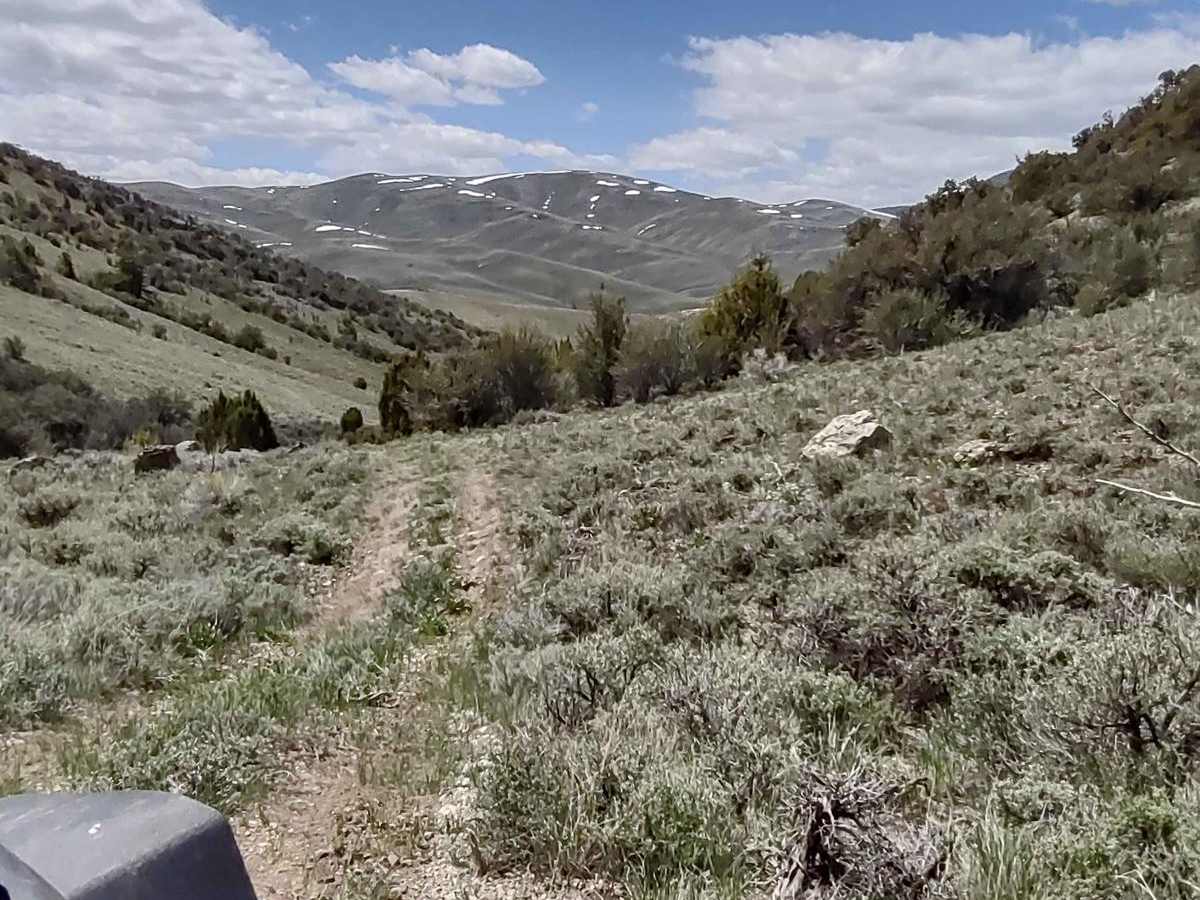
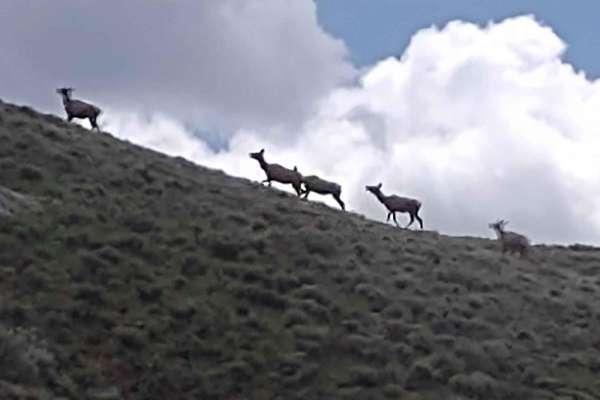
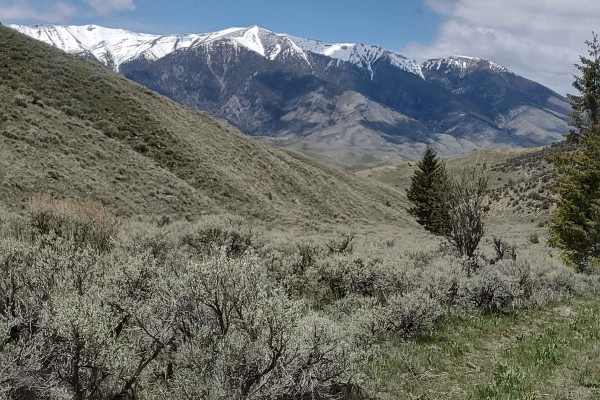
Arco Pass to Horsethief Spur #5 offers a scenic, 2.1-mile off road drive through Horsethief Canyon, making it an excellent choice for those seeking a quick, quiet trek with abundant opportunities for wildlife viewing. Located within the scenic Challis National Forest, this route climbs from an elevation of 5,956 feet to over 6,700 feet, providing spectacular views of the rugged Idaho wilderness. The trail features a gentle average gradient of 3.9 degrees with a maximum incline of 15.3 degrees, ascending a total of 749 feet over its course. This relatively short, unpaved track is ideal for stock 4x4s, OHVs, and side-by-sides looking to explore deeper into the canyon system.
While rated an easy 2 out of 10 under dry conditions, the trail is subject to severe erosion from runoff, and deep ruts can form quickly after heavy rains or during the early spring snowmelt. Drivers should exercise caution during these periods, as mud and snow patches can significantly increase the difficulty and demand high clearance.
History
The Lost River Valley and surrounding mountains are the ancestral homelands of the Shoshone and Bannock nations, who navigated these rugged corridors for seasonal hunting and gathering. In the early 19th century, fur trappers representing the North West Company and the Hudson's Bay Company began exploring the region's waterways. During the late 19th-century mining boom, when rich deposits of copper, lead, and silver were discovered between Arco and Mackay, the area saw a rapid influx of prospectors. The remote and labyrinthine canyons, including Horsethief Canyon, earned their names during this era, when outlaws and horse thieves utilized the hidden paths to move stolen livestock undetected through the rugged terrain of what is now the Salmon-Challis National Forest.
Access Description
Located within the Salmon-Challis National Forest, this trail is free to access and open to high-clearance vehicles, OHVs, and side-by-sides. Drivers should check local forest service updates for seasonal snow closures or wet weather restrictions to prevent trail damage.

 Offroad