Trail Overview
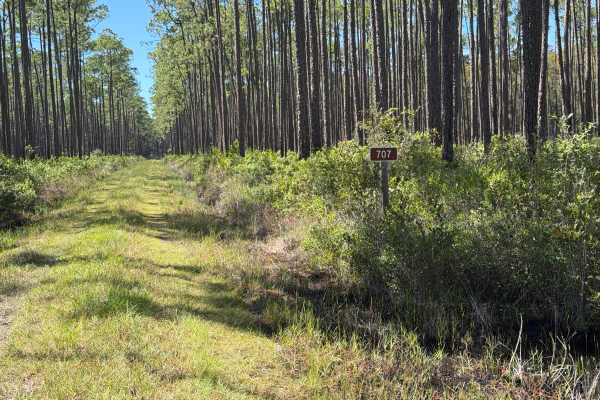
This trail is located within the Osceola National Forest and the Osceola Wildlife Management Area (WMA). The trail is open to registered highway legal motor vehicles, all-terrain vehicles (ATV’s), off-highway vehicles (OHV’s), side-by-sides (SxS), and unlicensed or unregistered motorcycles. Vehicle access is only permitted on named and numbered trails. County and State roads/right of ways may prohibit or limit access to only highway-legal vehicles.
There are no off-road vehicle (ORV) permits required, making Osceola NF the only NF in the state that does not require an ORV permit. Access to trails is year-round, unless otherwise posted.
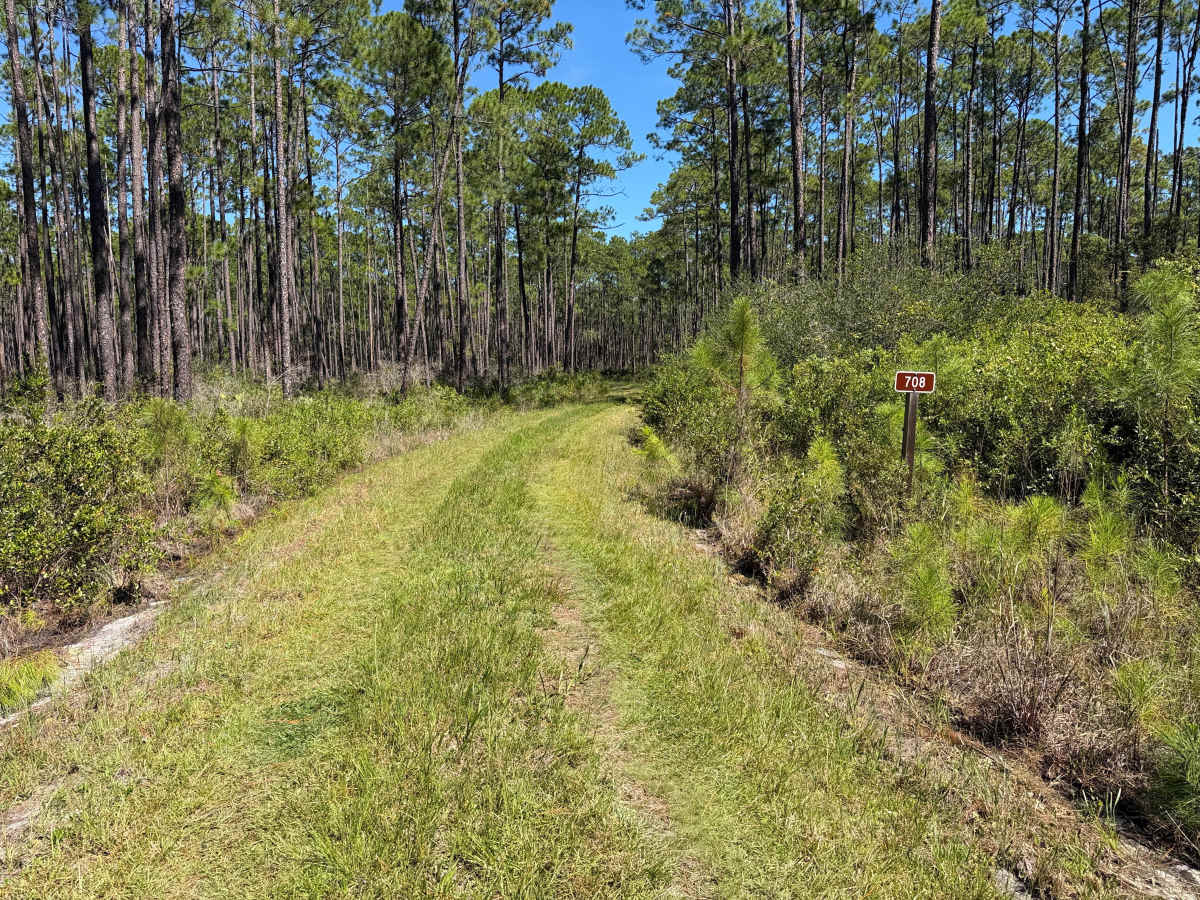
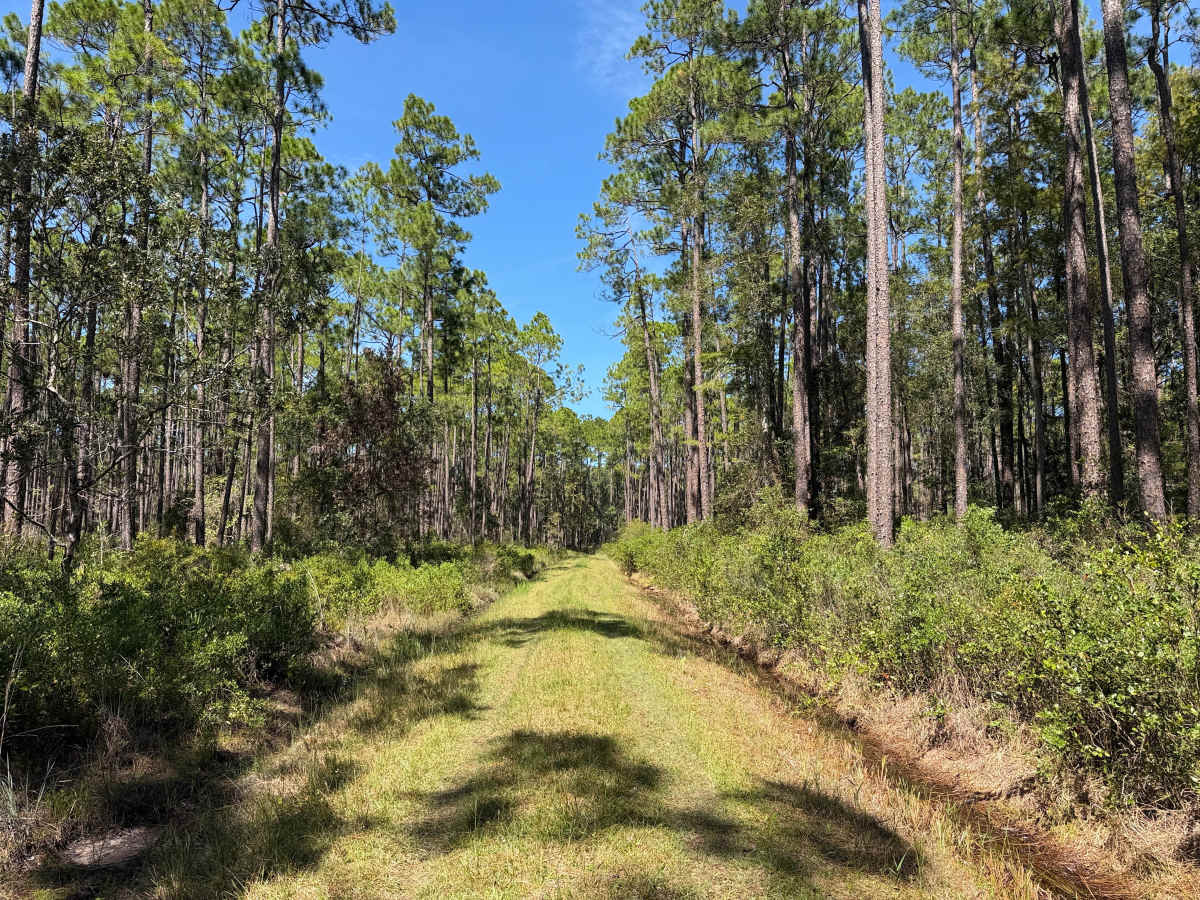
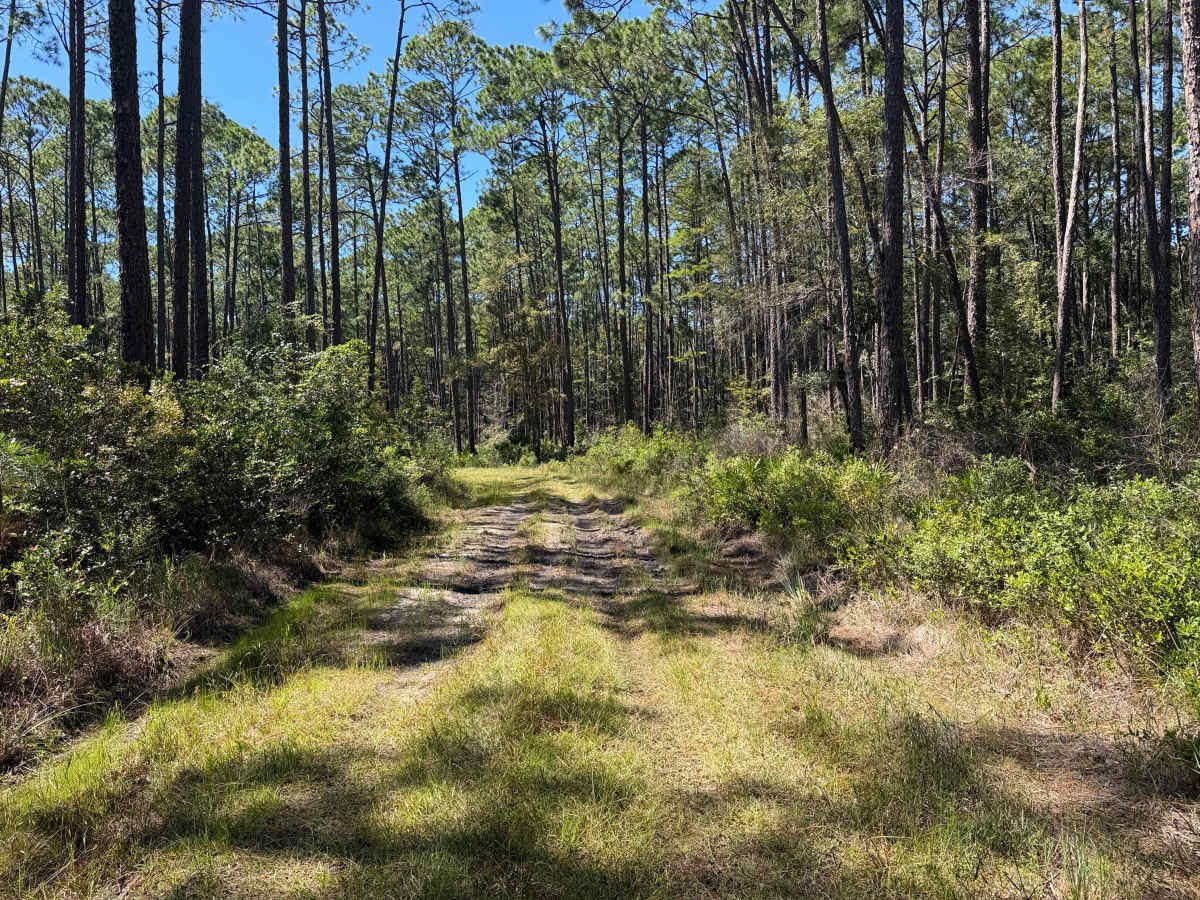
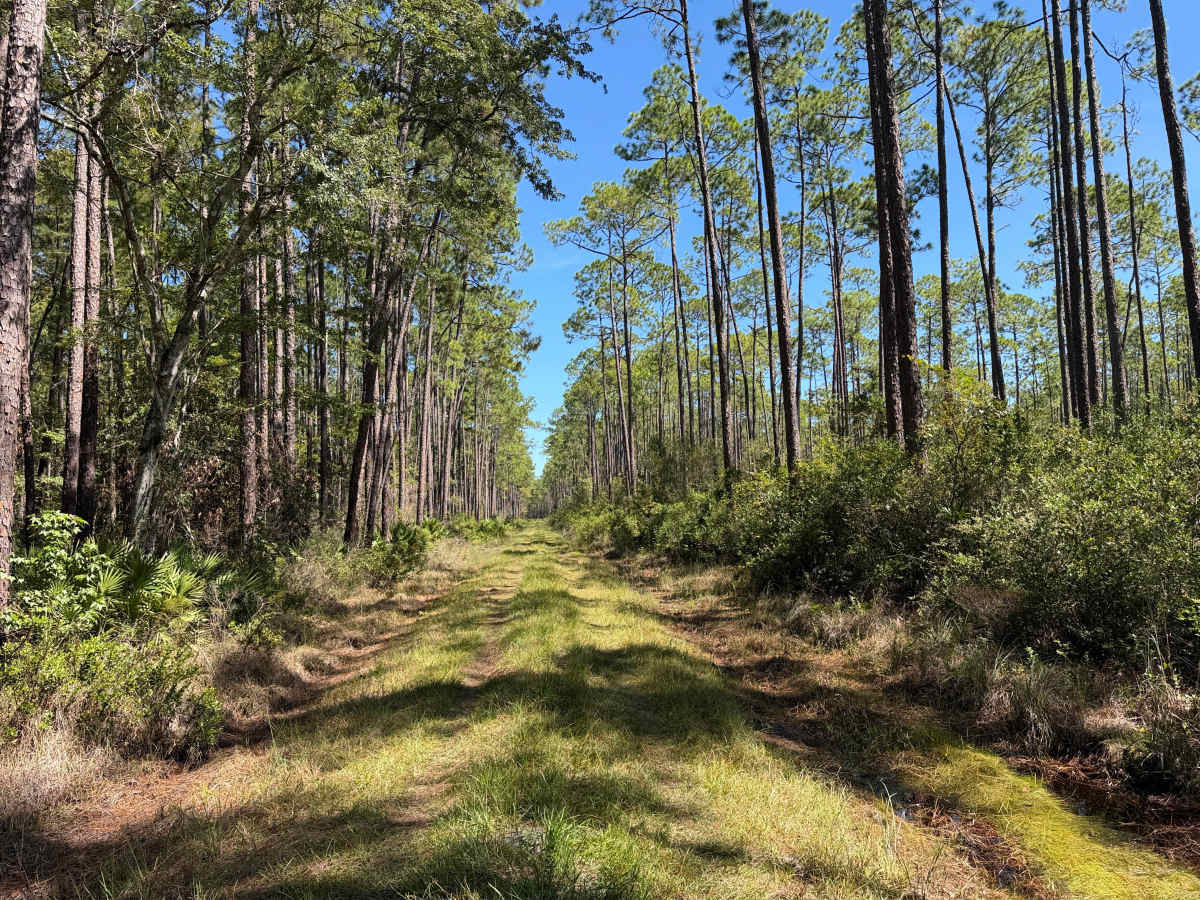
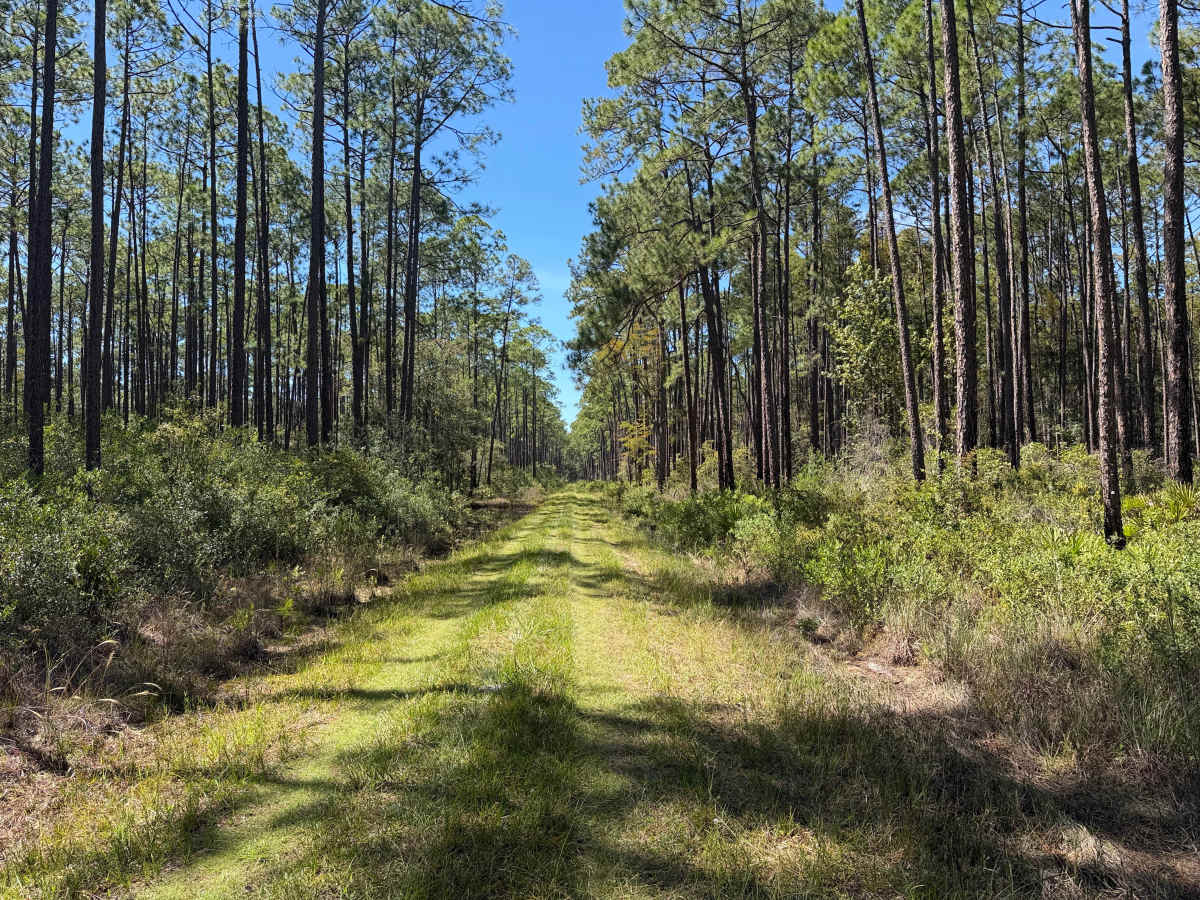
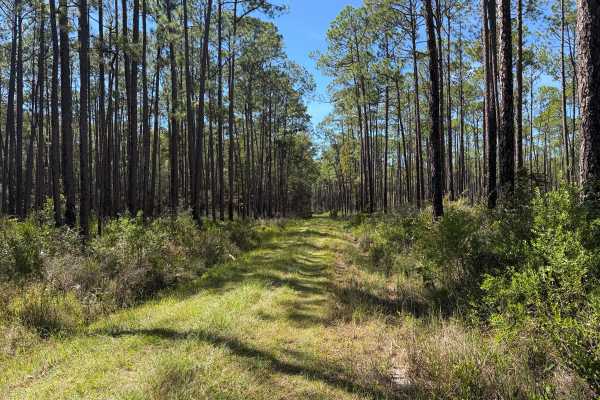
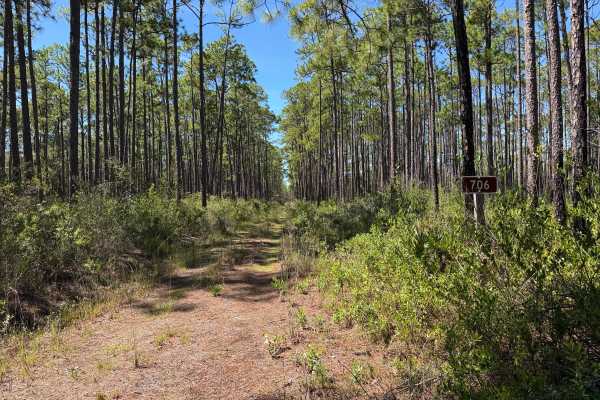
The trail is accessed directly off County Road 231 (CR 231) or via one of the other internal forest connector trails. This is an uneven, unimproved, unmaintained trail. The trail width is mostly single-vehicle-wide, with shoulder areas for pull-offs for passing. Expect wheel ruts, whoops, and cabin roll as the terrain transitions. No real areas of deep mud or water crossings when entering from CR 231. The trail would be safe for most 2WD pickup trucks. If electing to access via one of the connector trails, a high-clearance 4WD is recommended as various obstacles may be encountered en route to this trail.
The Department of Forestry (DNF) cautions on their website and published maps that the designation of a road or trail should not be interpreted as the trail is passable, actively maintained, or safe for travel. The same should be considered if it is shown as improved. Listed as improved does not necessitate that the trail is regularly maintained.
The remoteness of this area significantly limits cellular coverage. Recommend having backup navigation and communication means. Having maps offline is a must. Also would recommend paper maps or having back up GPS. Additionally with the remoteness, ensure to be equipped for self-recovery or off-road tire/vehicle repairs.
Difficulty
Uneven, rutted dirt trail with potential for loose debris (e.g., rock, tree branches, washes, etc.). Water crossings less than 12 inches; areas of loose sand or sandy washes; potential for mudholes or obstacles up to 12 inches. Road has ledges, steep grades, and is mainly single-vehicle wide, with areas to pass.