Trail Overview
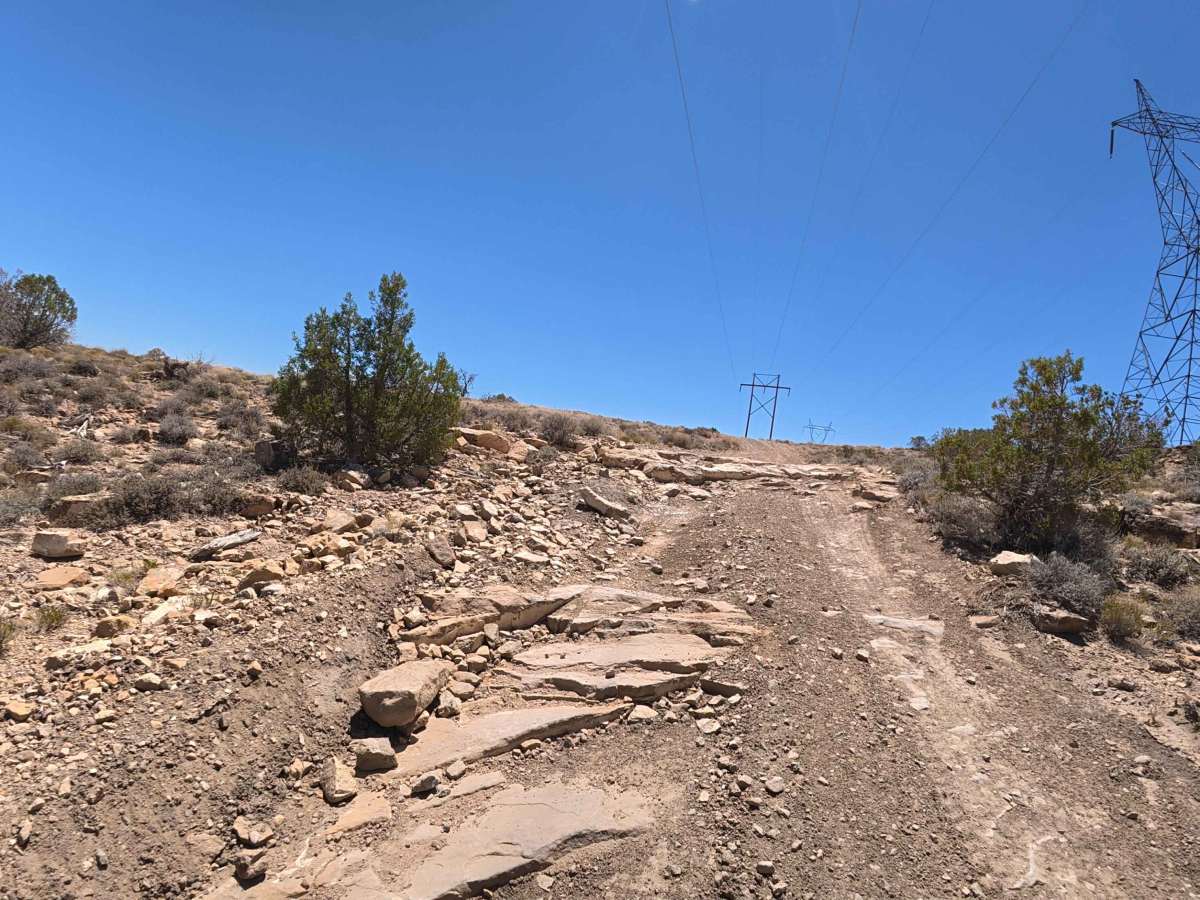
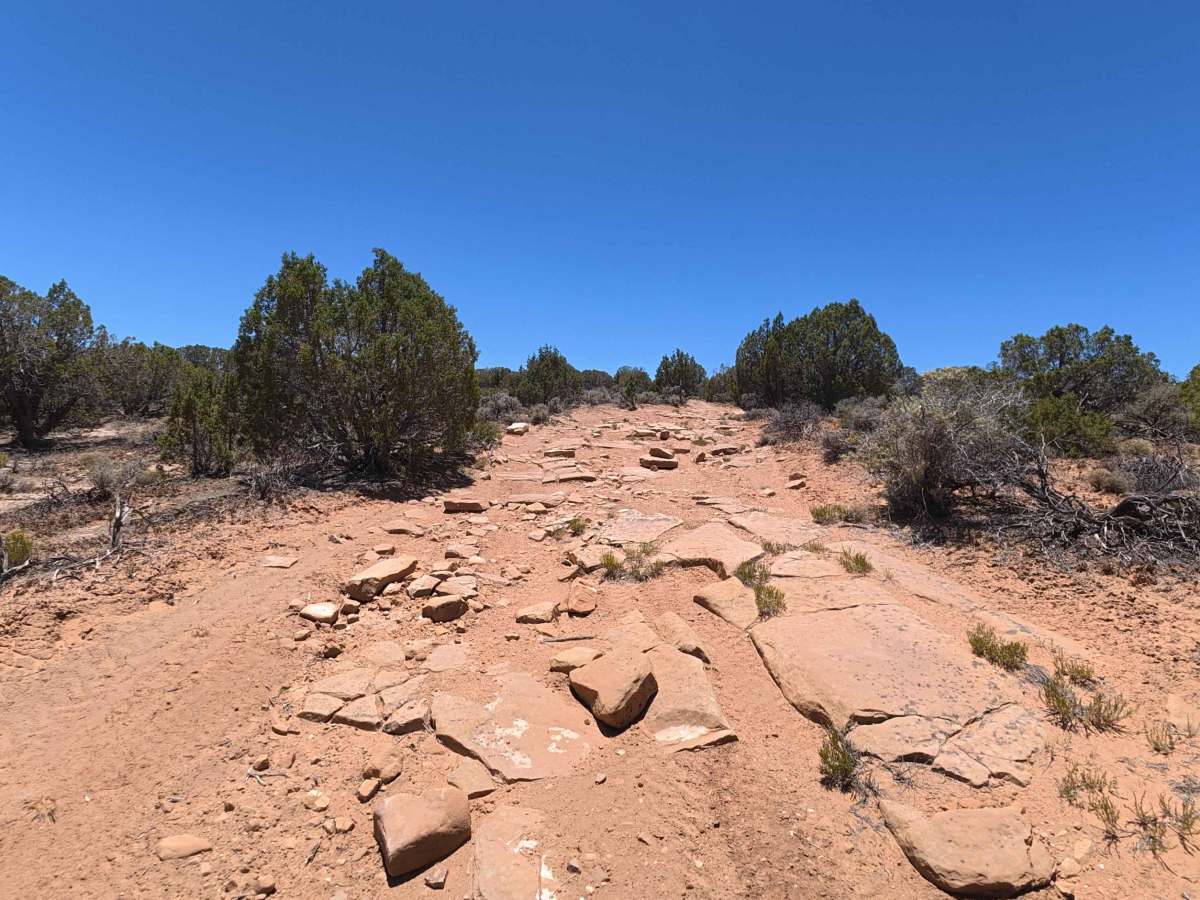
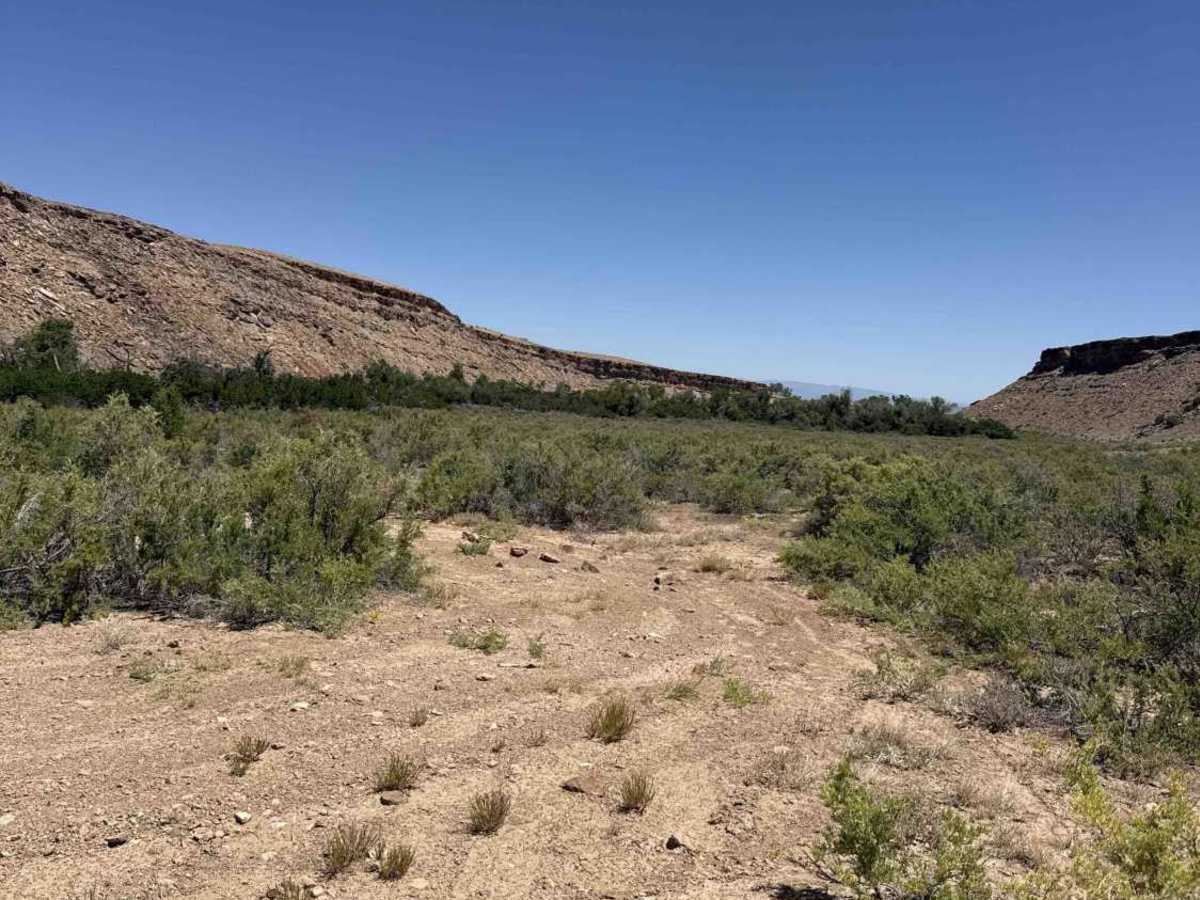
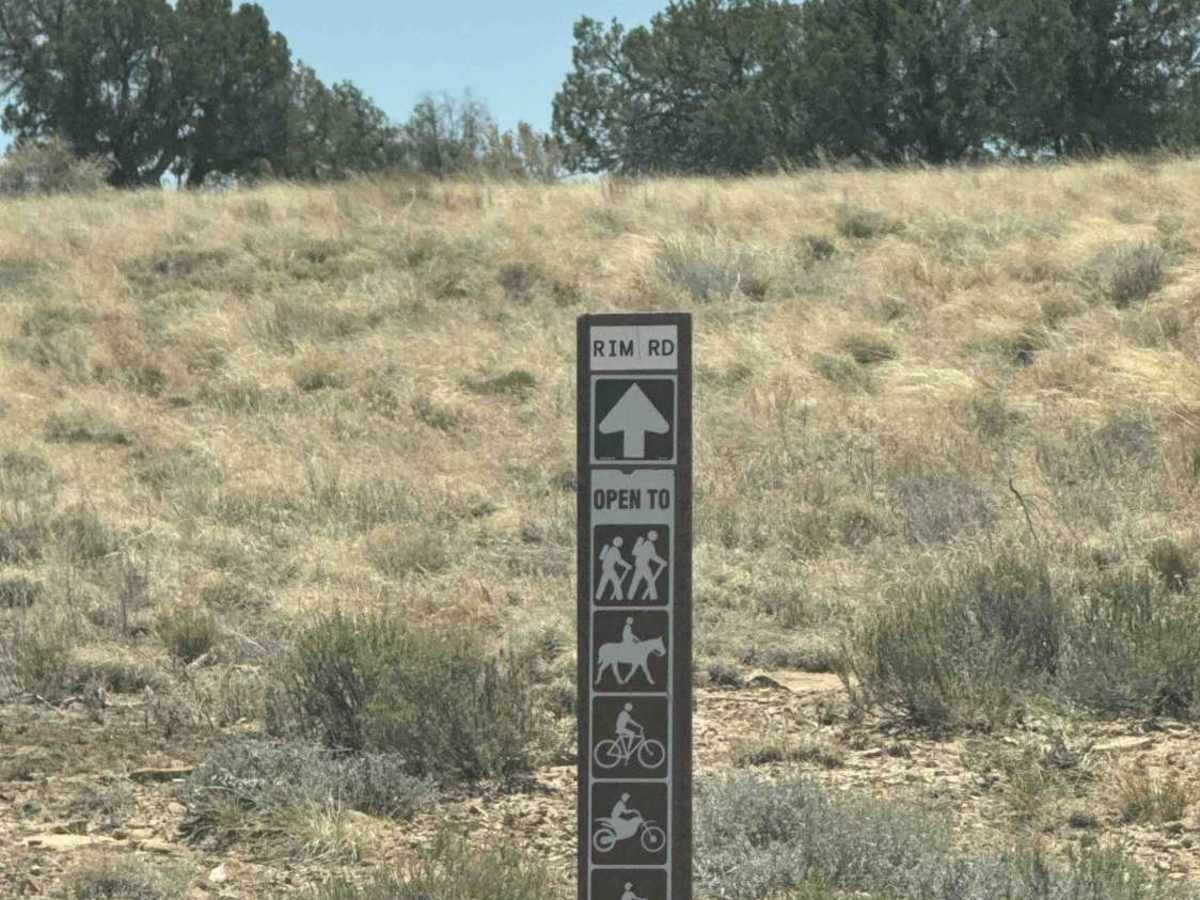
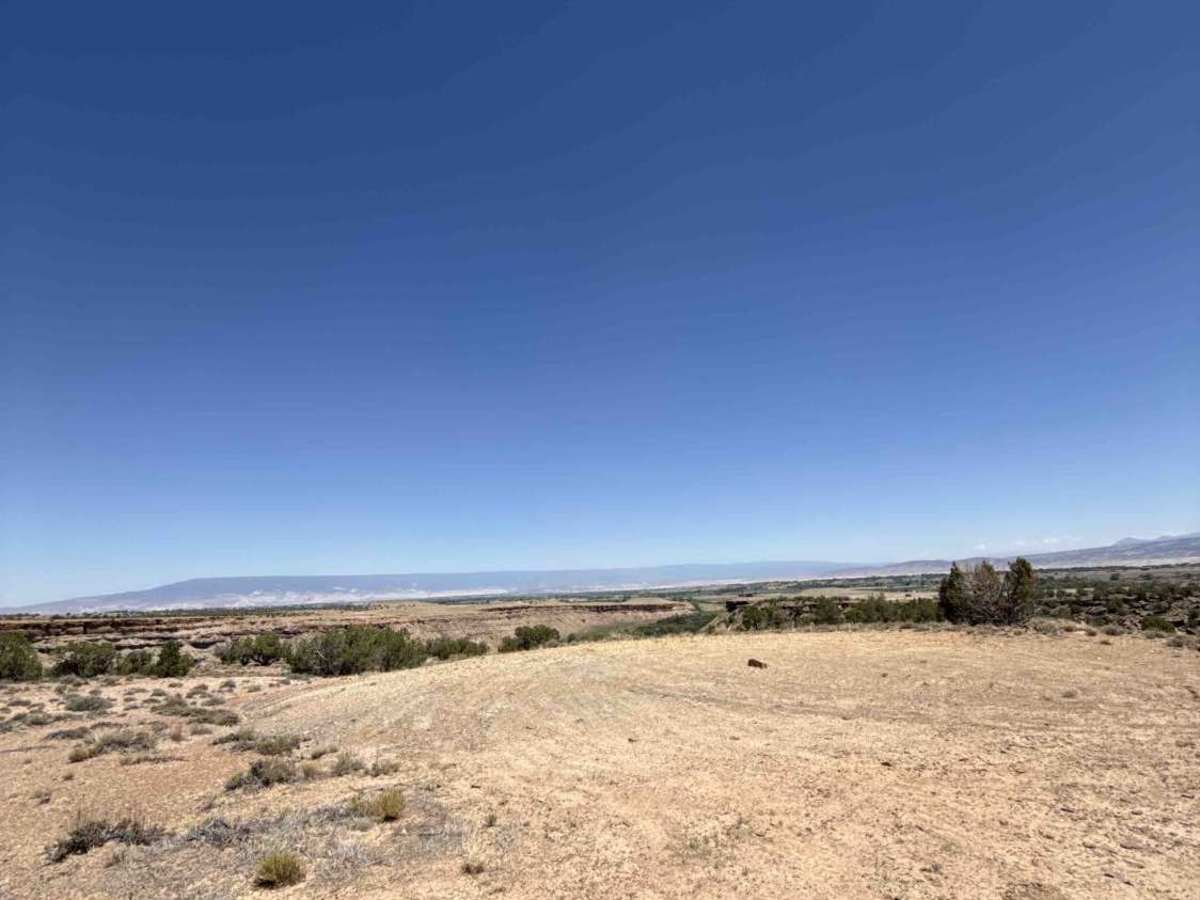
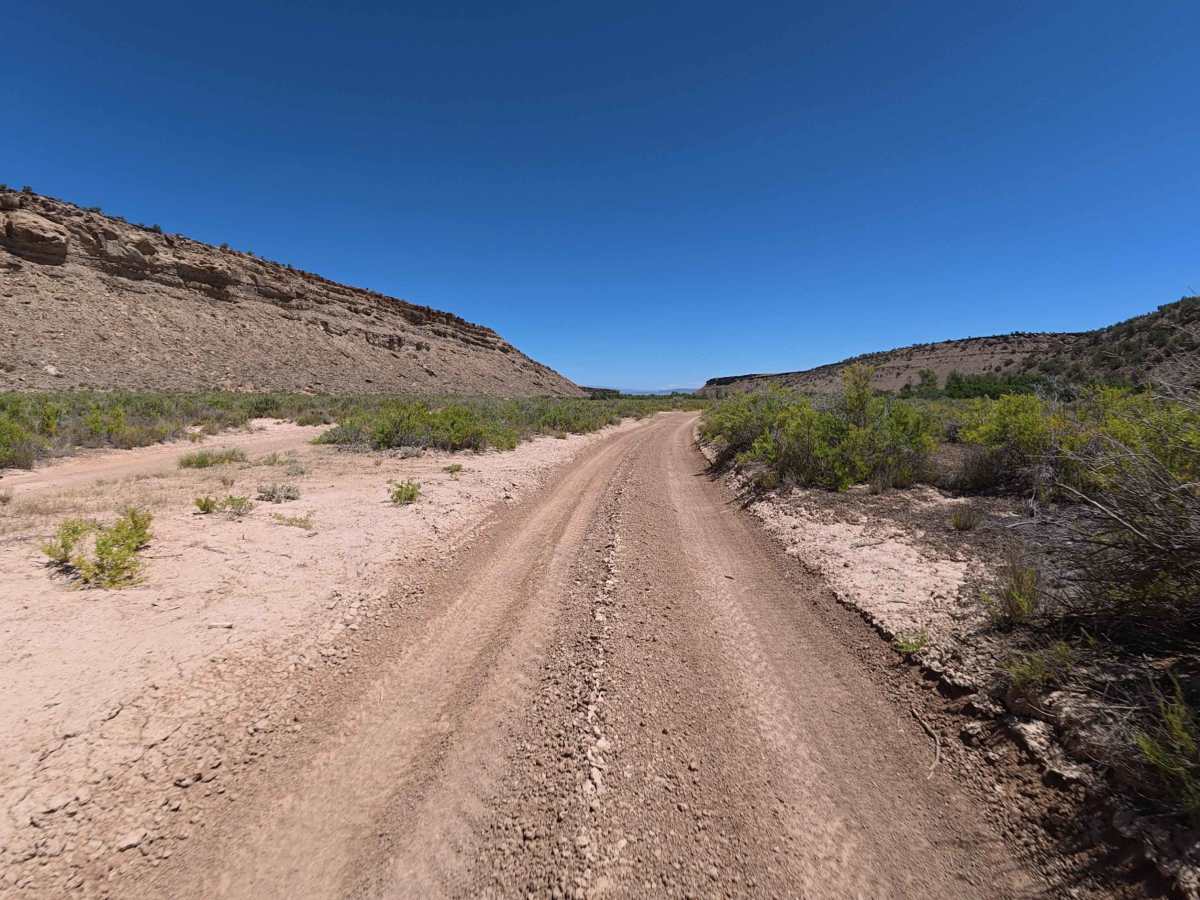
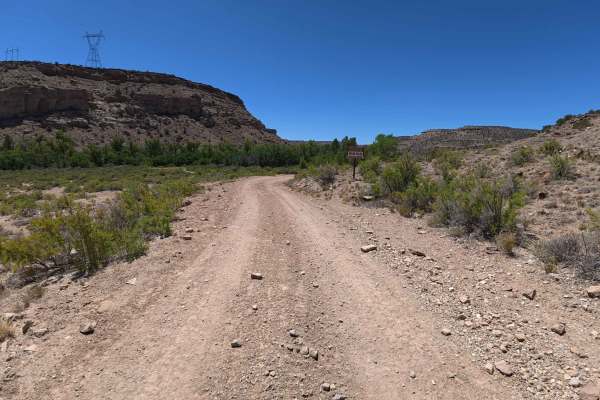
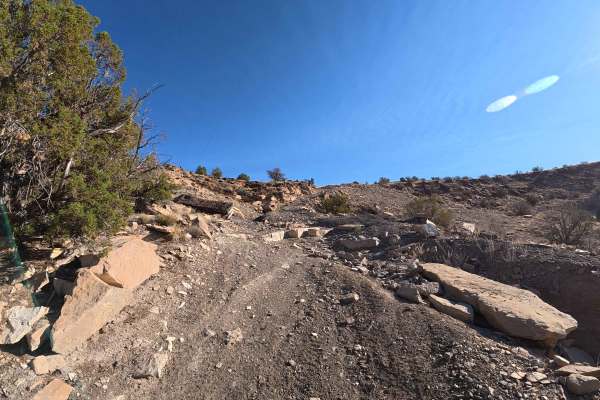
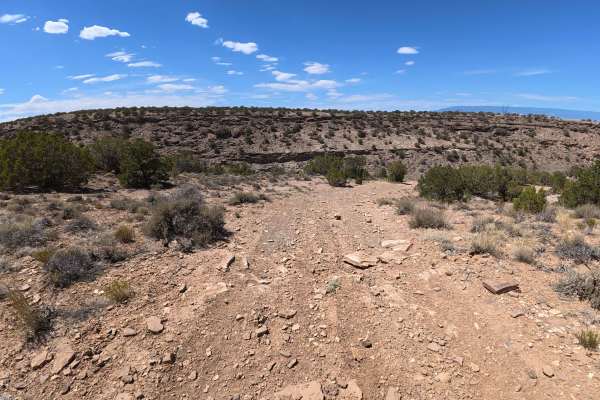
Tower Road South presents an intense, highly rewarding 1.5-mile journey that quickly escalates from a serene canyon cruise into a demanding mountain climb. Averaging a cautious 5.3 mph over approximately 17 minutes, the drive initiates on smooth, firm dirt peppered with light, easily manageable ruts measuring up to roughly 8 inches. This early section gracefully meanders through a surprisingly lush, narrow canyon corridor heavily choked with vibrant, dense greenery and creek-fed vegetation, creating a strikingly beautiful, immersive atmosphere. However, around the 0.4-mile mark, the trail's character shifts dramatically; drivers encounter severe off-camber slopes reaching approximately 15 degrees, strictly requiring methodical tire placement and making the route entirely unsuitable for tall or top-heavy vehicles. At 0.6 miles, a prominent warning sign explicitly cautions travelers of the extreme difficulty ahead. Immediately following this sign, explorers face a daunting, steep, and rocky incline that absolutely mandates a minimum of 18 inches of ground clearance, with locking differentials strongly recommended to maintain forward momentum over the loose, chunky rock. Roughly midway through the climb, a tight switchback allows just enough space for a heavily controlled two-point turn. Further up the ascent, around 0.9 miles, an exceptional dispersed campsite sits proudly on a flat bluff, rewarding adventurers with massive, unobstructed 360-degree panoramic views of the entire plunging canyon system.
Difficulty
Tower Road South is a definitively Level 4 Difficult trail, compressing highly technical challenges into a short 1.5-mile sprint. The initial 8-inch ruts quickly give way to aggressive, unrelenting off-camber pitches reaching 15 degrees, severely testing a rig's suspension articulation and demanding a low center of gravity to prevent roll-overs. The trail's primary crux arrives shortly after a posted warning sign: a severe, steep, and remarkably loose rocky incline. Conquering this formidable climb safely requires a heavily modified vehicle boasting at least 18 inches of ground clearance to clear jagged steps, alongside a dedicated 4WD system featuring low-range gearing and, ideally, locking differentials to prevent tire spin on the steepest grades. Top-heavy vehicles or standard AWD crossovers should absolutely avoid this route.