Trail Overview
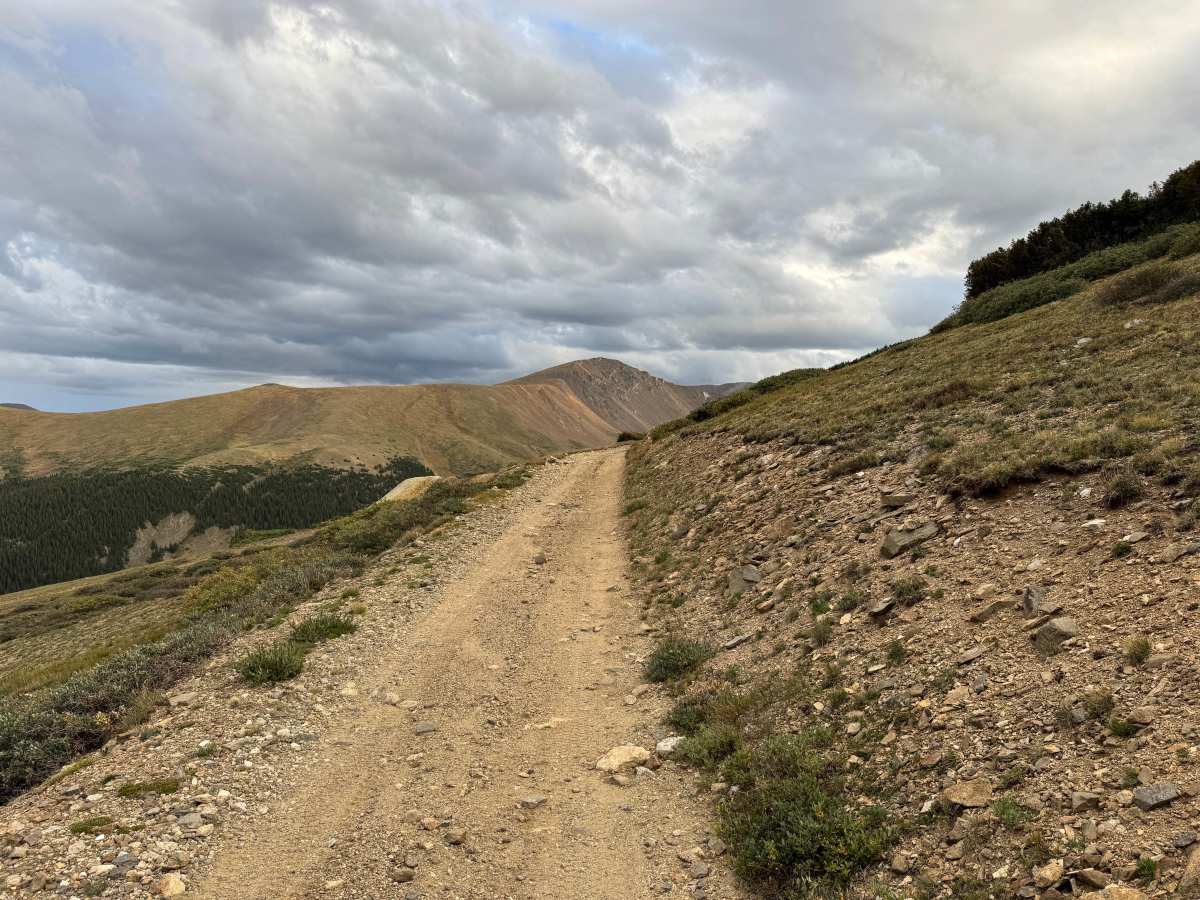
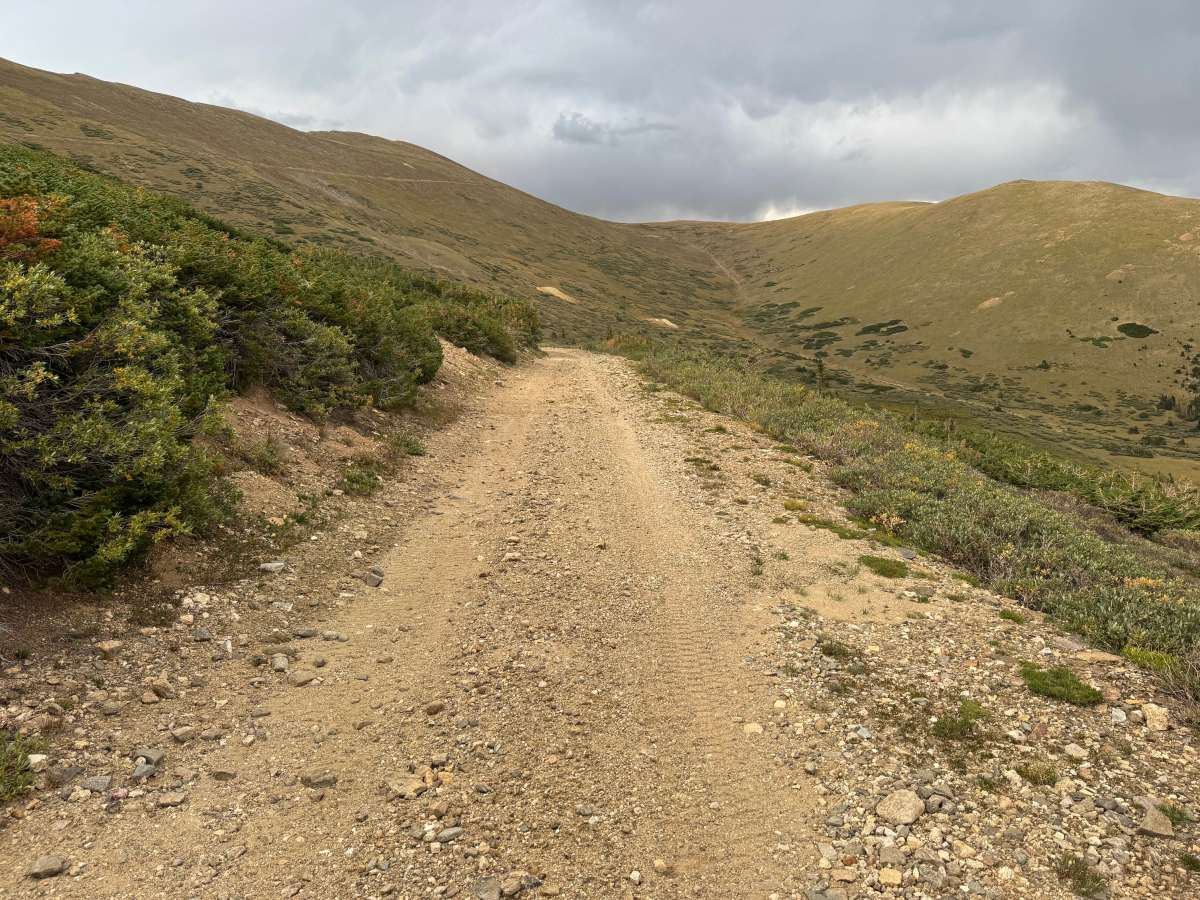
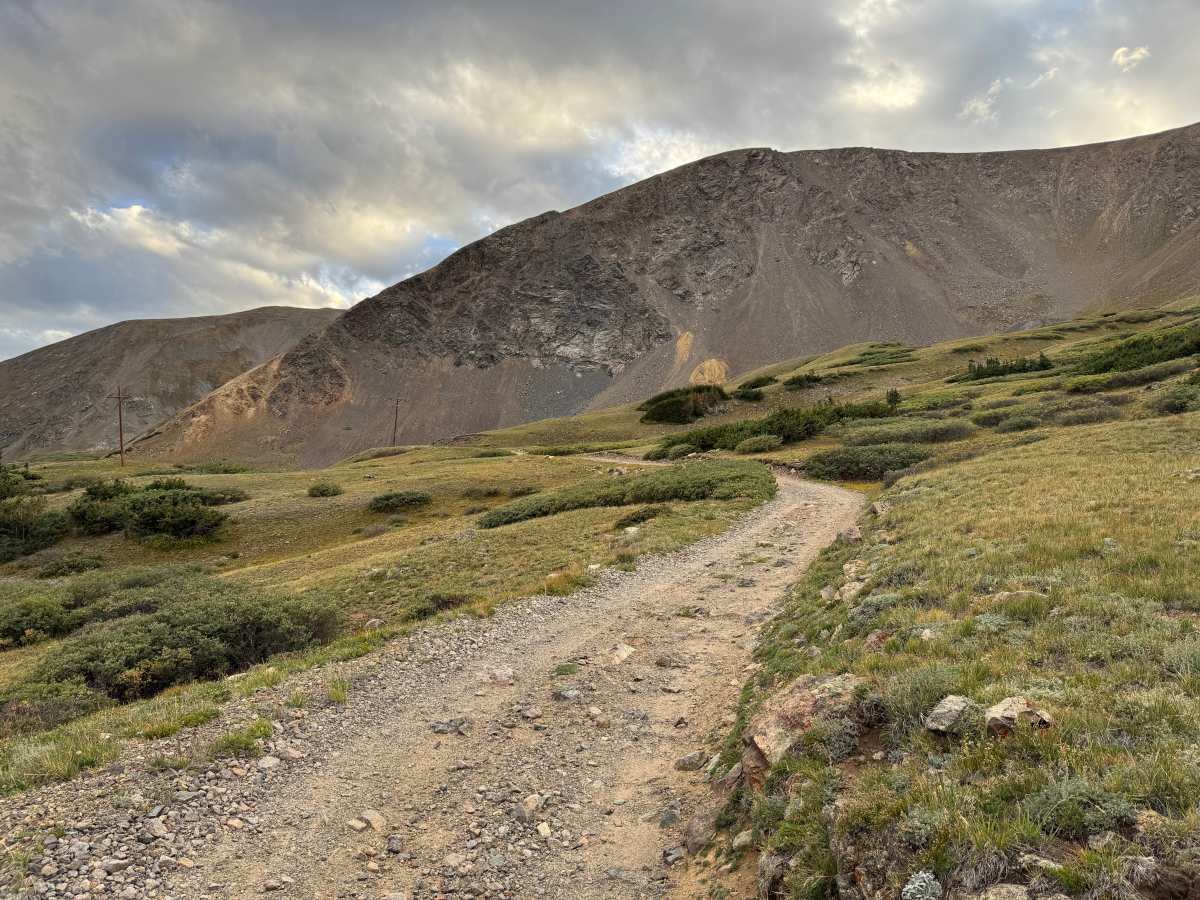
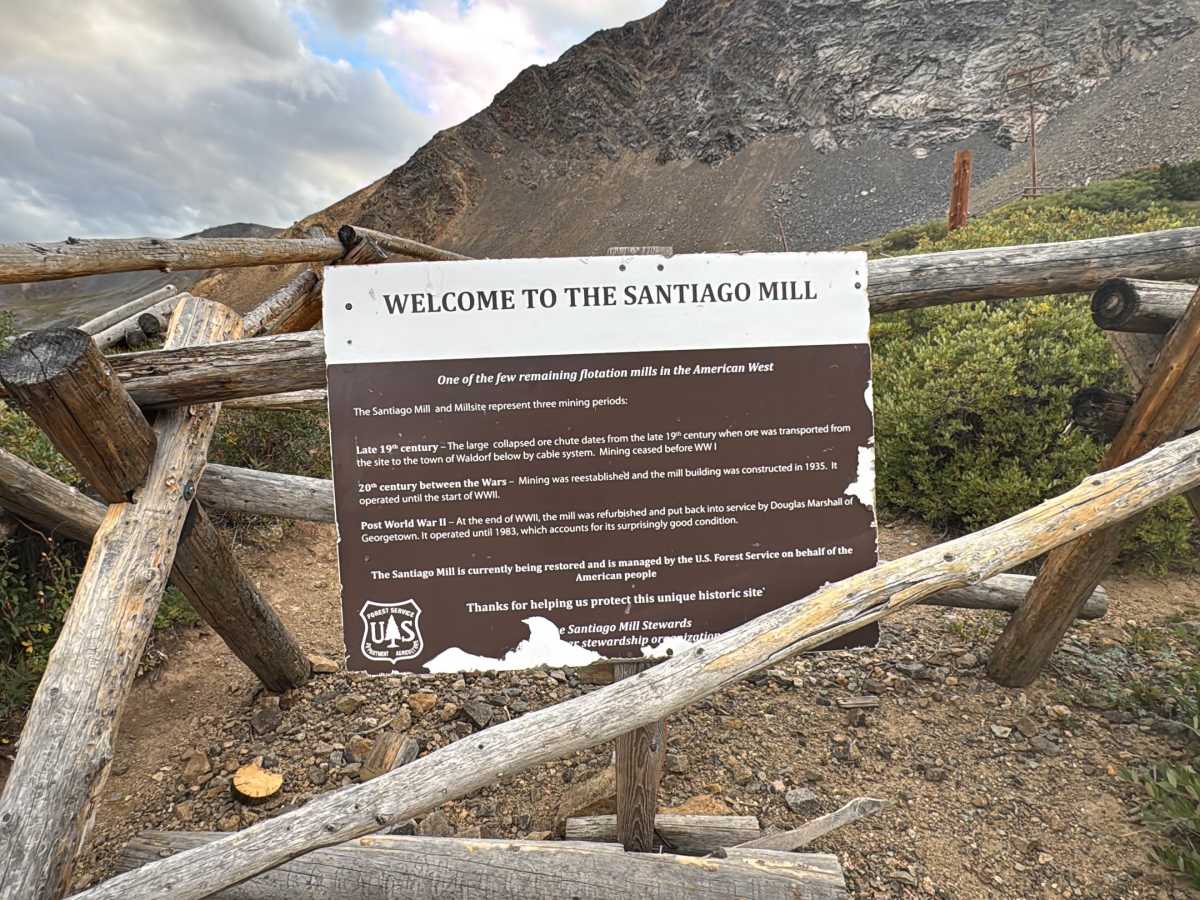
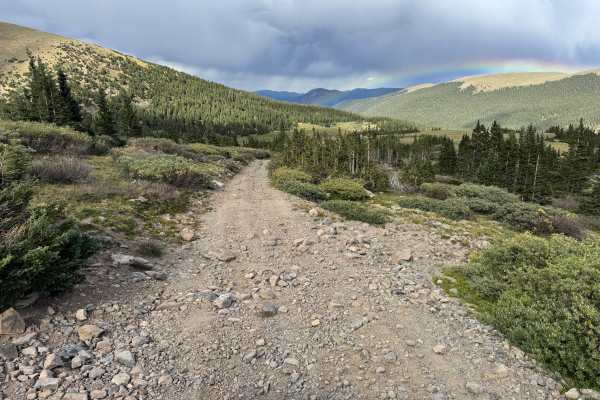
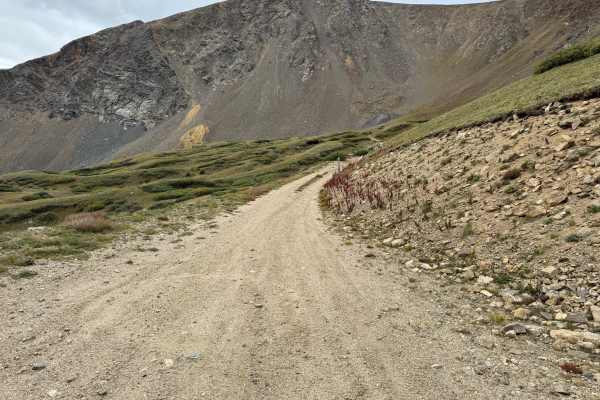
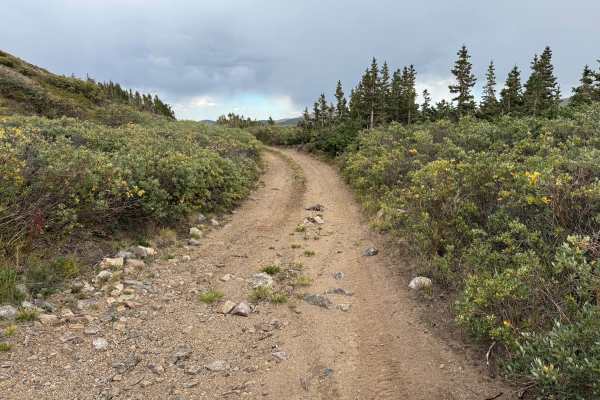
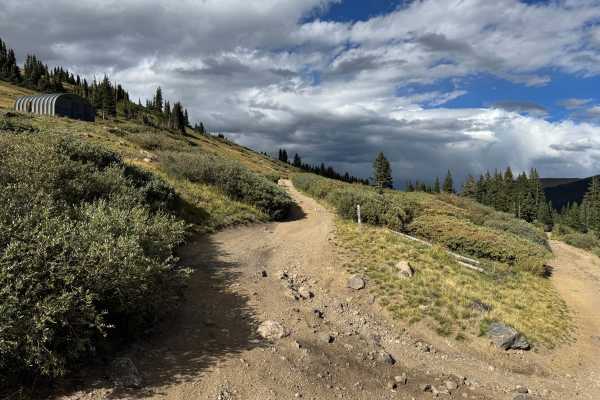
Santiago Mine Road travels through the high-elevation Waldorf Basin and leads directly toward the historic Santiago Mine and Mill complex on the southeastern slope of McClellan Mountain. The route crosses open alpine terrain dominated by grasses, low willow, scattered evergreens, exposed rock, and broad views of the steep Santiago Bowl and surrounding mountains. The surface is primarily dirt and gravel, with sections of loose and embedded rock as the road winds across the mountainside. The Santiago Mine became one of the important producers of the Argentine Mining District, with the USGS (United States Geological Survey) documenting five tunnels and extensive underground workings at the site. The surviving mill was constructed in 1935, entered production in 1936, and was later refurbished after World War II. It continued operating seasonally until 1983. Today, the remaining mill buildings, rails, mining debris, and interpretive displays provide an unusually well-preserved look at the area's mining history. The surrounding alpine setting also provides expansive views across Waldorf Basin and the historic Argentine Mining District. There is no fixed seasonal motorized closure listed for this route, but heavy snow typically limits access during the winter and spring. Summer through early fall generally provides the most reliable access, although lingering snow can remain into early summer and early-season snow may return in the fall.
Difficulty
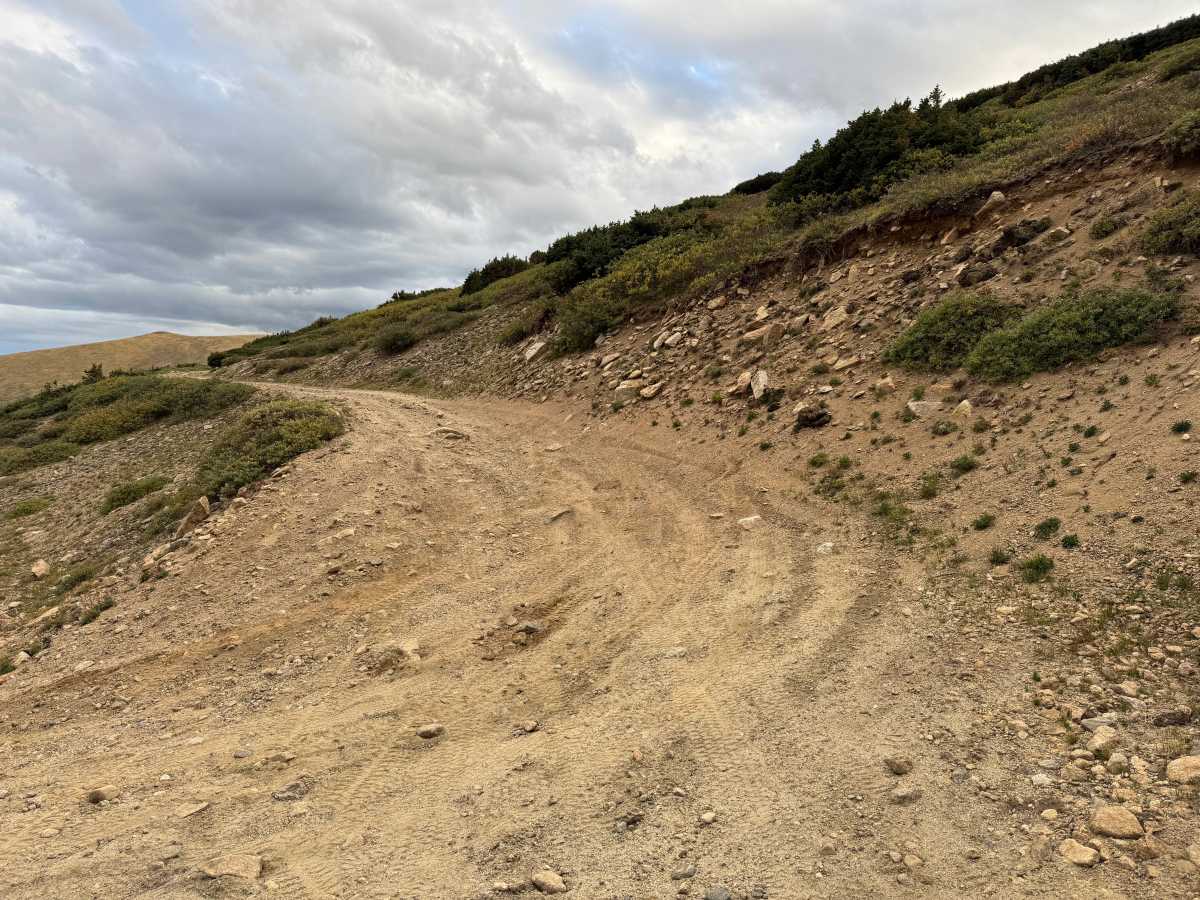
The route consists primarily of dirt and gravel with scattered loose and embedded rock, shallow ruts, minor erosion, and occasional rougher rocky sections. Moderate grades and uneven terrain require some attention, but there are no major technical obstacles under normal dry conditions.
History
The mountains above Georgetown and Silver Plume contain an extensive network of historic mining, wagon-road, and railroad corridors. Silver discoveries in the Argentine district began in the 1860s, and wagon toll roads were constructed through the Leavenworth Creek drainage and across Argentine Pass beginning in 1869, providing an important early connection between Georgetown and mining communities west of the Continental Divide. Transportation changed again in the early 1900s with construction of the three-foot narrow-gauge Argentine Central Railway. Beginning at the Colorado & Southern connection at Silver Plume, the railroad climbed through the mining district to Waldorf and ultimately reached Mount McClellan. The line used steep grades, sharp curves, switchbacks, and Shay locomotives to negotiate the mountains while hauling ore and carrying tourists into the high country. Clear Creek County records the railway opening to Waldorf in 1906, and historical documentation shows that portions of today's roads through the area occupy or closely follow the former railroad grade.

 Offroad