Trail Overview
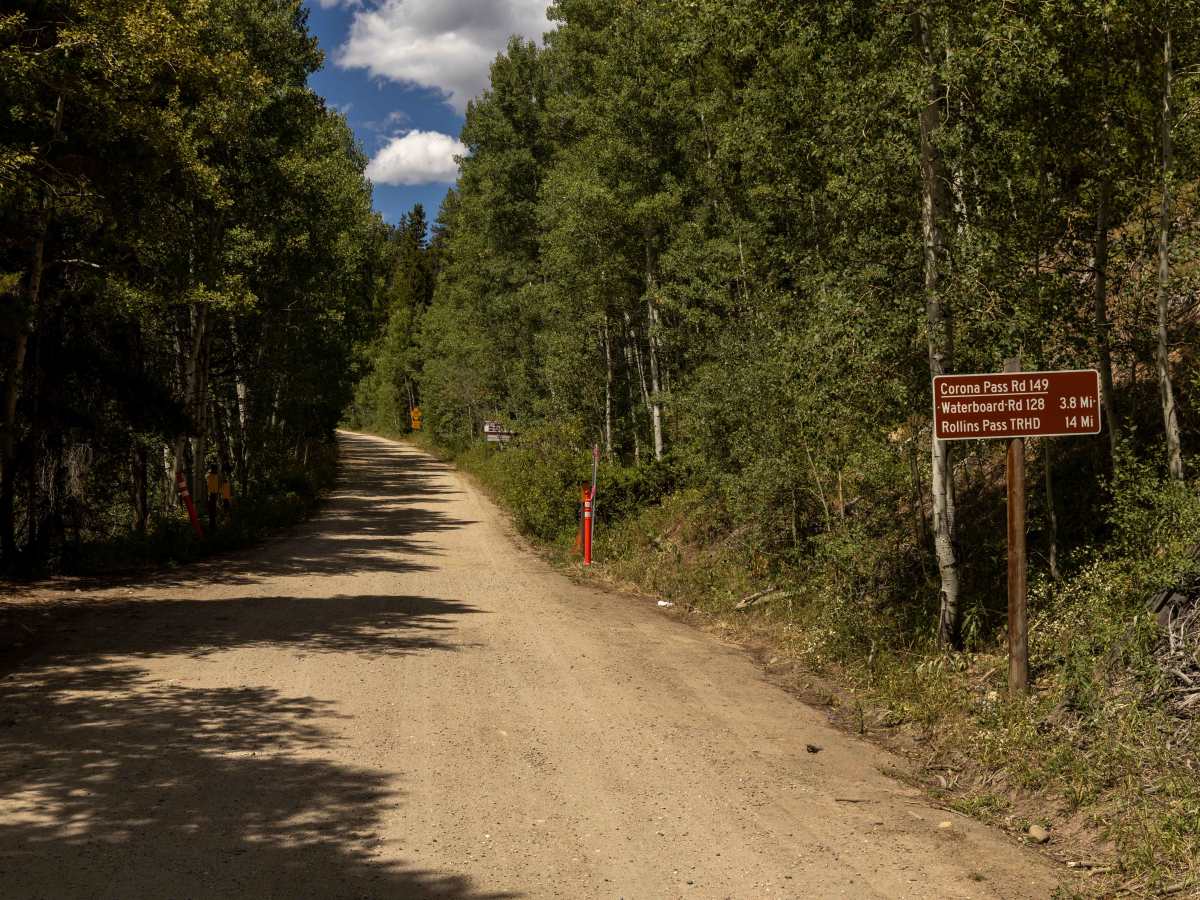
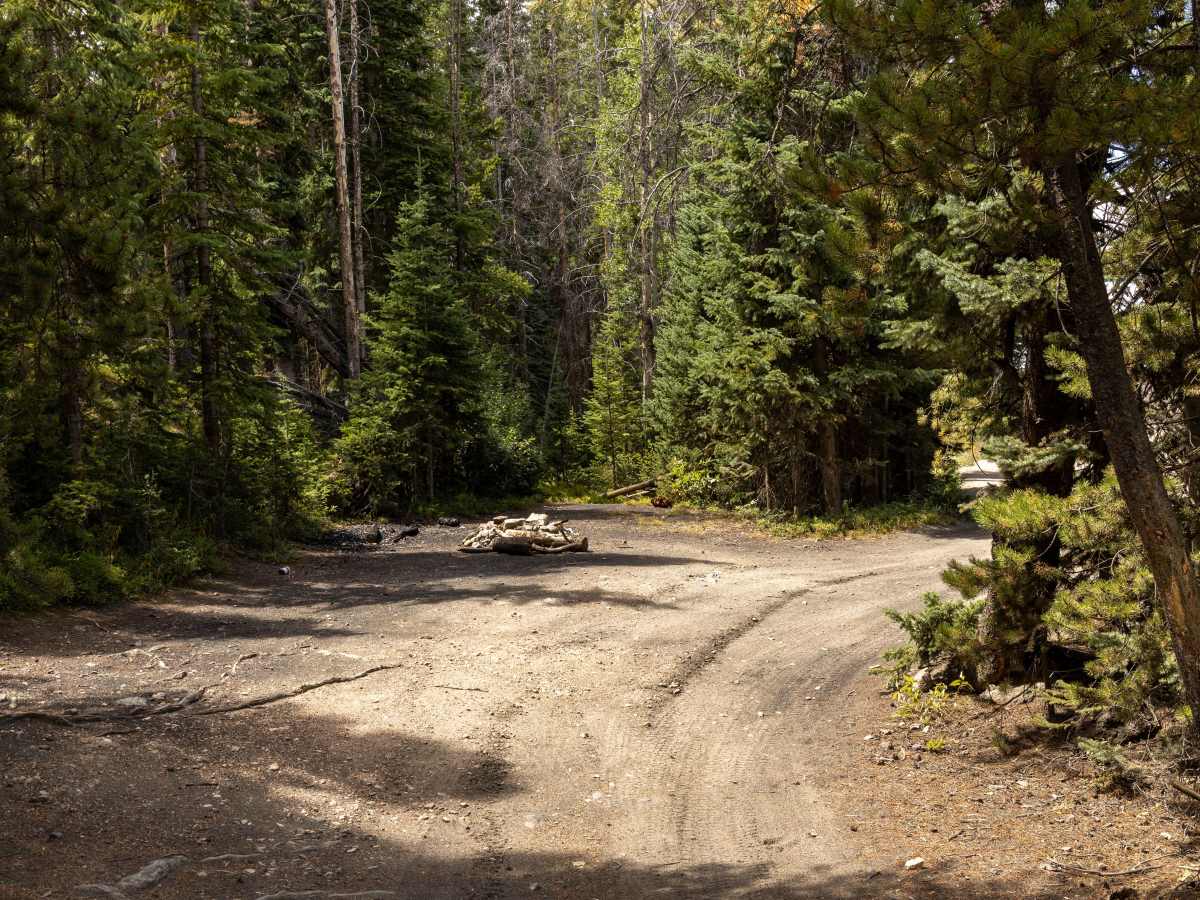
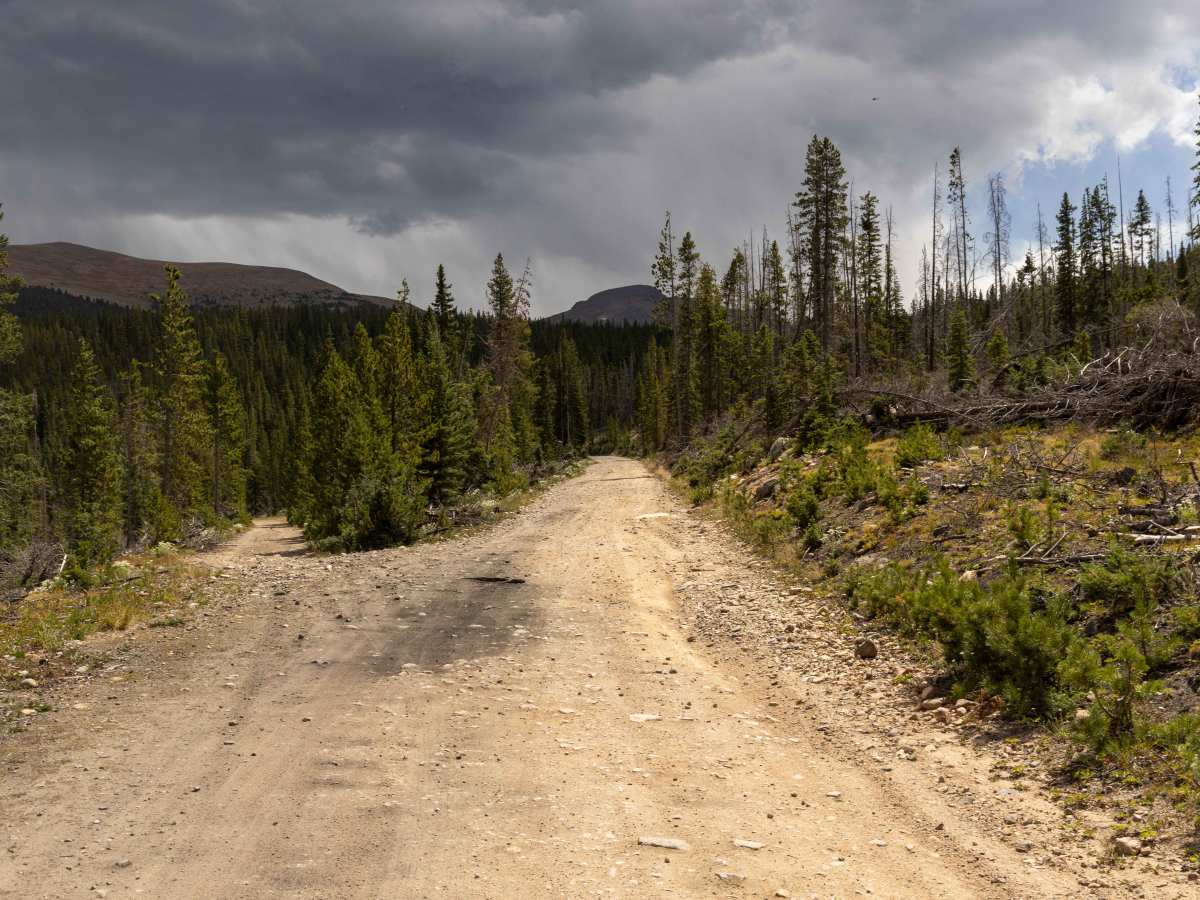
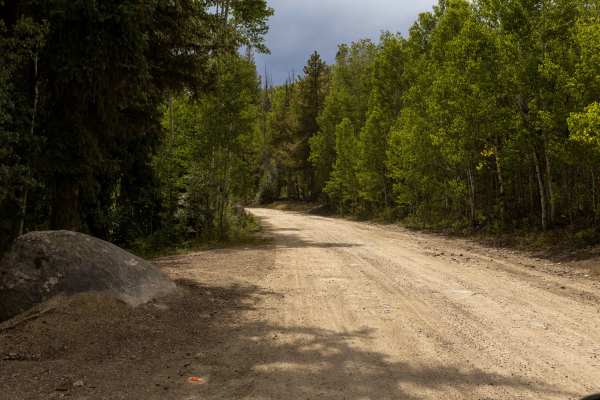
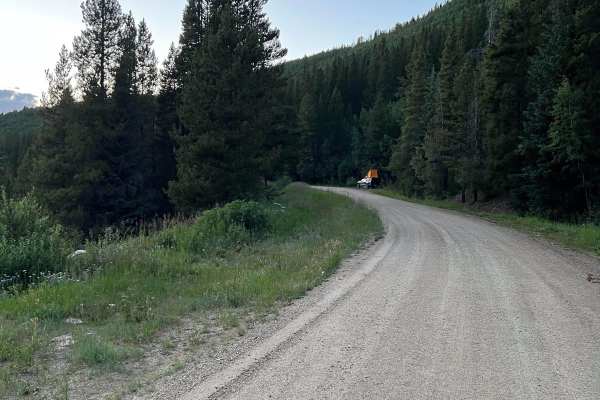
A beautiful, easy drive through thick trees. You'll eventually rise above the timberline and get an amazing view of Winter Park Ski Area as well as some gorgeous mountain lakes. If you want to continue on, take Boulder Wagon Road to the other side of the pass. There are some good hikes along the way. Unlicensed vehicles are permitted on marked roads only. Open June 15 to November 15. This trail used to connect to the other side (down to Yankee Doodle Lake), but the road is now closed. The area between Rollins West and Rollins East has a giant barricade blocking the connection of the two roads.
Difficulty
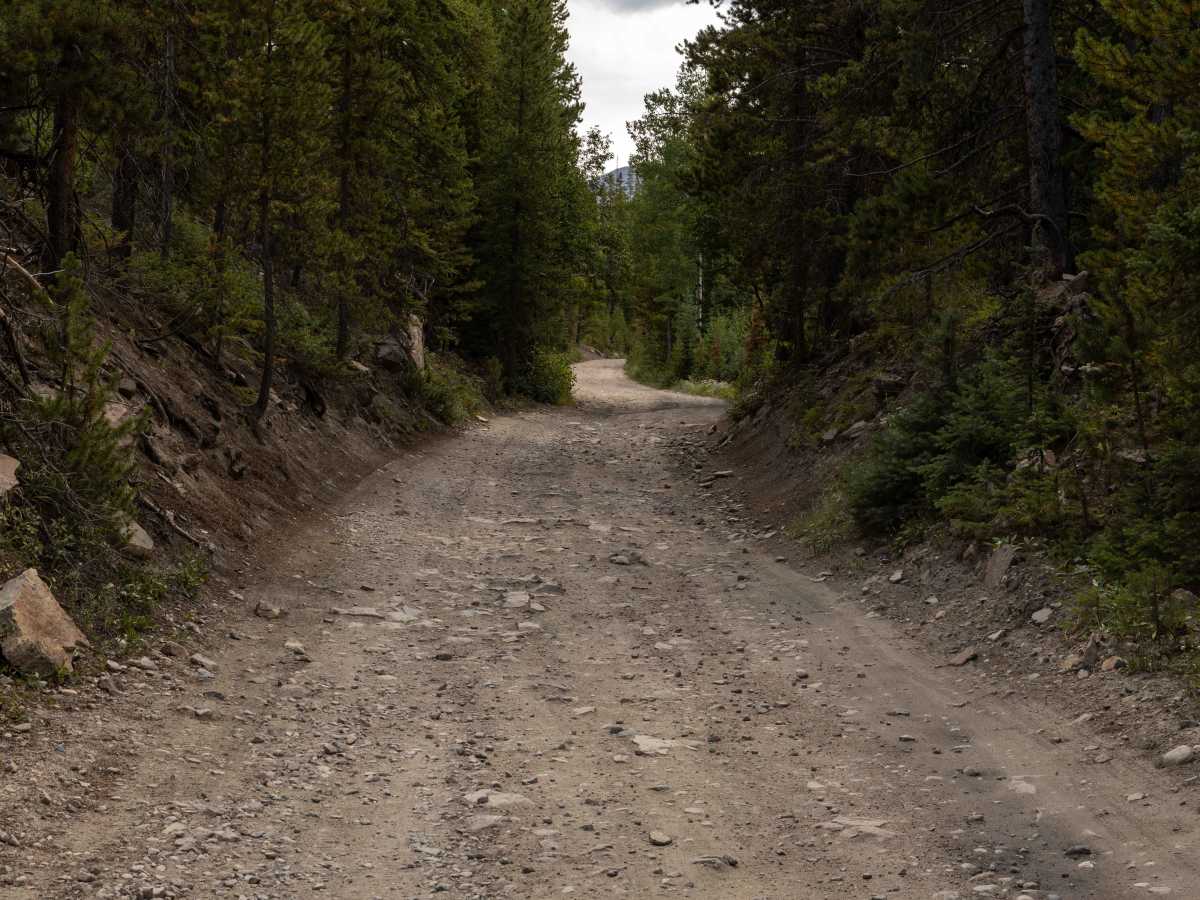
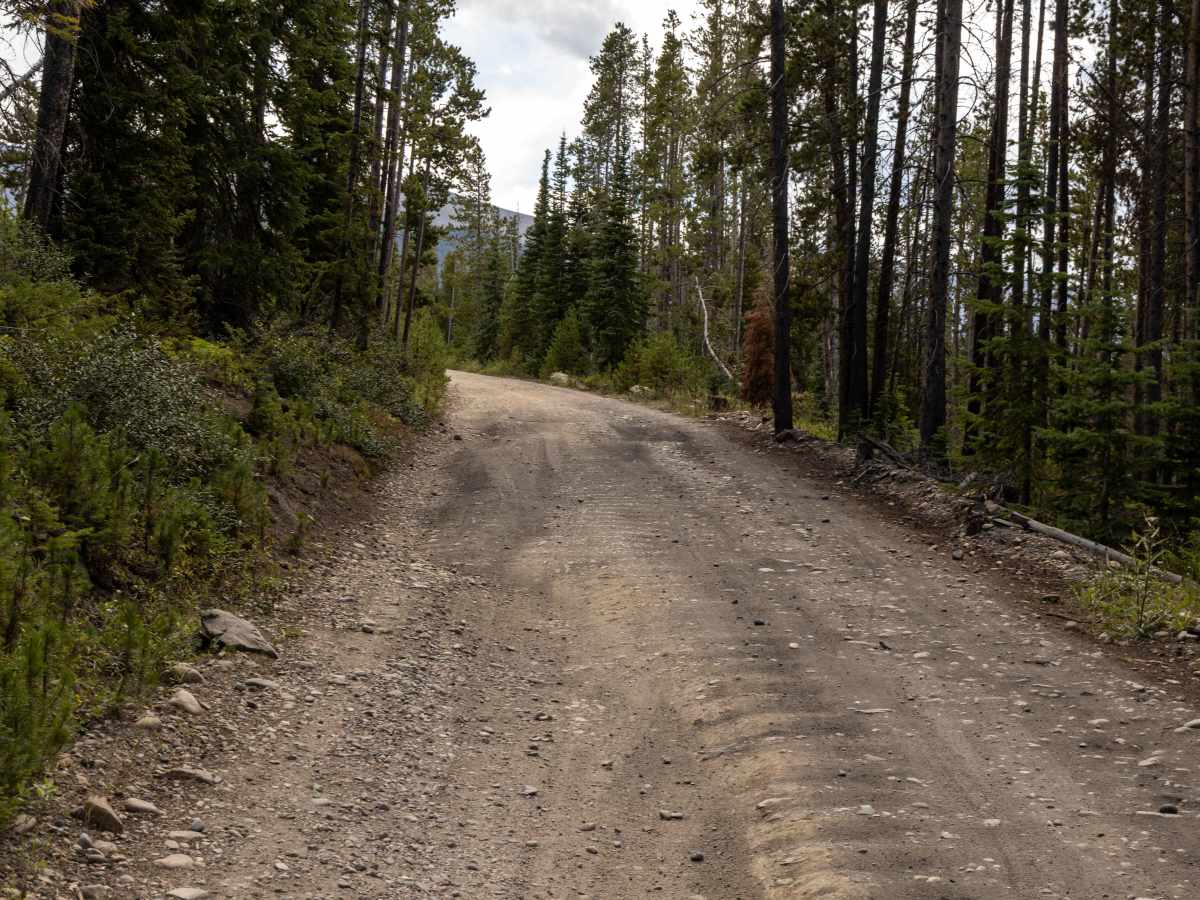
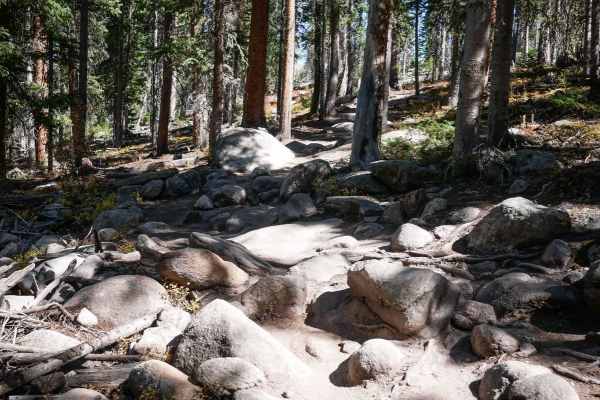
This unmaintained trail is rough, with rocky terrain. The end, in particular is what gives this trail it's rating, as the final shelf road to the parking lot is narrow, with loose rock, erosion, and steep grades.
History
Historically, Rollins Pass West was part of the Denver, Northwestern & Pacific Railway in the early 1900s, constructed to provide rail access across the Continental Divide before the Moffat Tunnel was completed. The western approach allowed trains to reach mining towns and connect mountain communities, leaving behind remnants of old rail grades, stations, and stone structures. Today, the trail preserves this rich history while offering a technical offroad experience amid stunning high-altitude vistas of the Front Range and Middle Park valleys. Approximately 10,000 years ago, prehistoric people traveled this east-west pathway and used it as a summer hunting ground. July, 1863 - Capt. Jacob P. Bonesteel crossed the Old Ute Trail to rendezvous with Major Simeon Whiteley in Middle Park. Summer 1865 - Bela Metcalfe Hughes' survey party with a military escort crossed eastbound with 150 men and 22 wagons. 1865 - John Quincy Adams Rollins led 100 Mormons with their 39 wagon teams across Boulder Pass. Feb 6, 1866 - Rollins, Perley Dodge, and Frederic Candee Weir were granted a charter for the Middle Park & South Boulder Wagon Road Co. Their 40-mile-long toll road was completed by 1873. Sept. 15, 1866 - While surveying Boulder Pass, Union Pacific civil engineers Percy Thorne Browne, 23, and Francis Everett Appleton, 24, were nearly killed by an early fierce blizzard that shattered and scattered their survey party toward Central City. This validated the U. P.'s 1867 decision to locate its Continental Divide crossing in Wyoming. Fall 1881 - The 36-inch gauge Denver, Utah & Pacific began a 2,260-foot-long tunnel under Dartt Pass. Visible today, the east portal is on the southeast shore of King Lake, and the approach cut to the west portal is east of and above Corona Lake. Ranchers, including G.H. Church, used Rollins Pass for cattle drives to and from Denver and the pastures in Grand County. David H. Moffat's standard gauge Denver Northwestern & Pacific Ry. built this Temporary Rollins Pass Branch with 4 percent grades and 16-degree curves to serve just until he could bore his planned 2.6-mile-long Main Range tunnel under Rogers Pass. Trains arrived here at Corona on Sept. 3, 1904, and Arrowhead, 11 miles west, on Sept. 18, 1904. For 24 winters - until the Feb. 26, 1928, official opening of the Moffat tunnel - Moffat's men struggled to keep this line operational. On May 14, 1935, the ICC granted permission to abandon the line. By the fall of 1936, all rails were removed.