Trail Overview
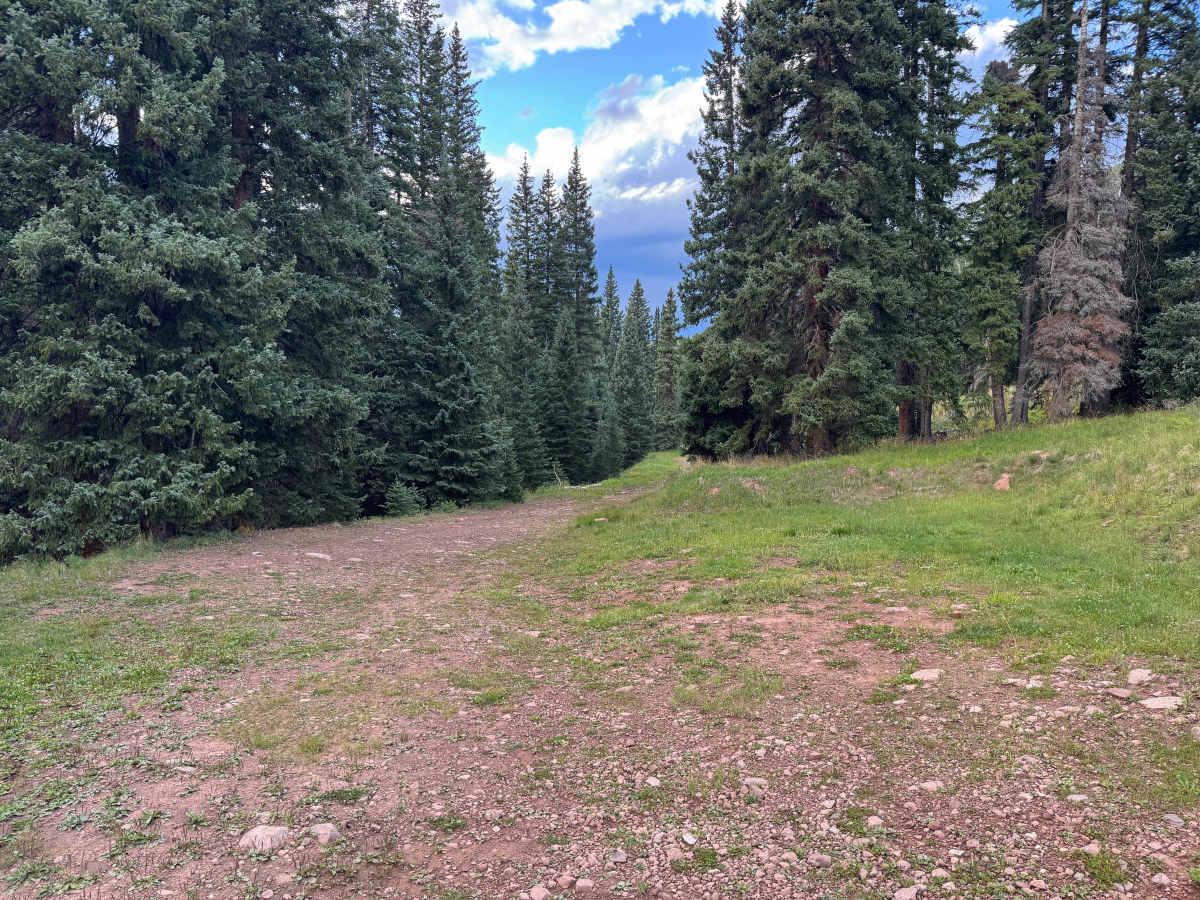
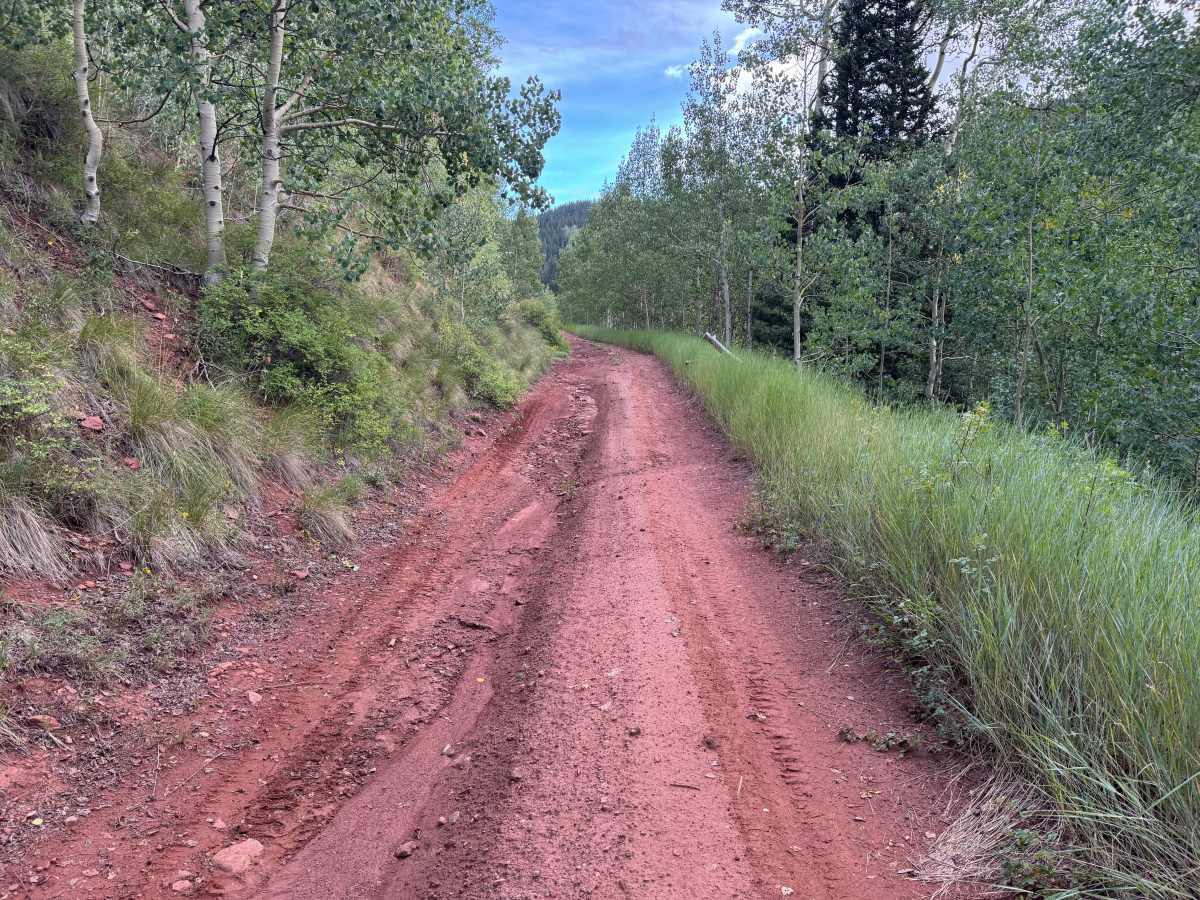
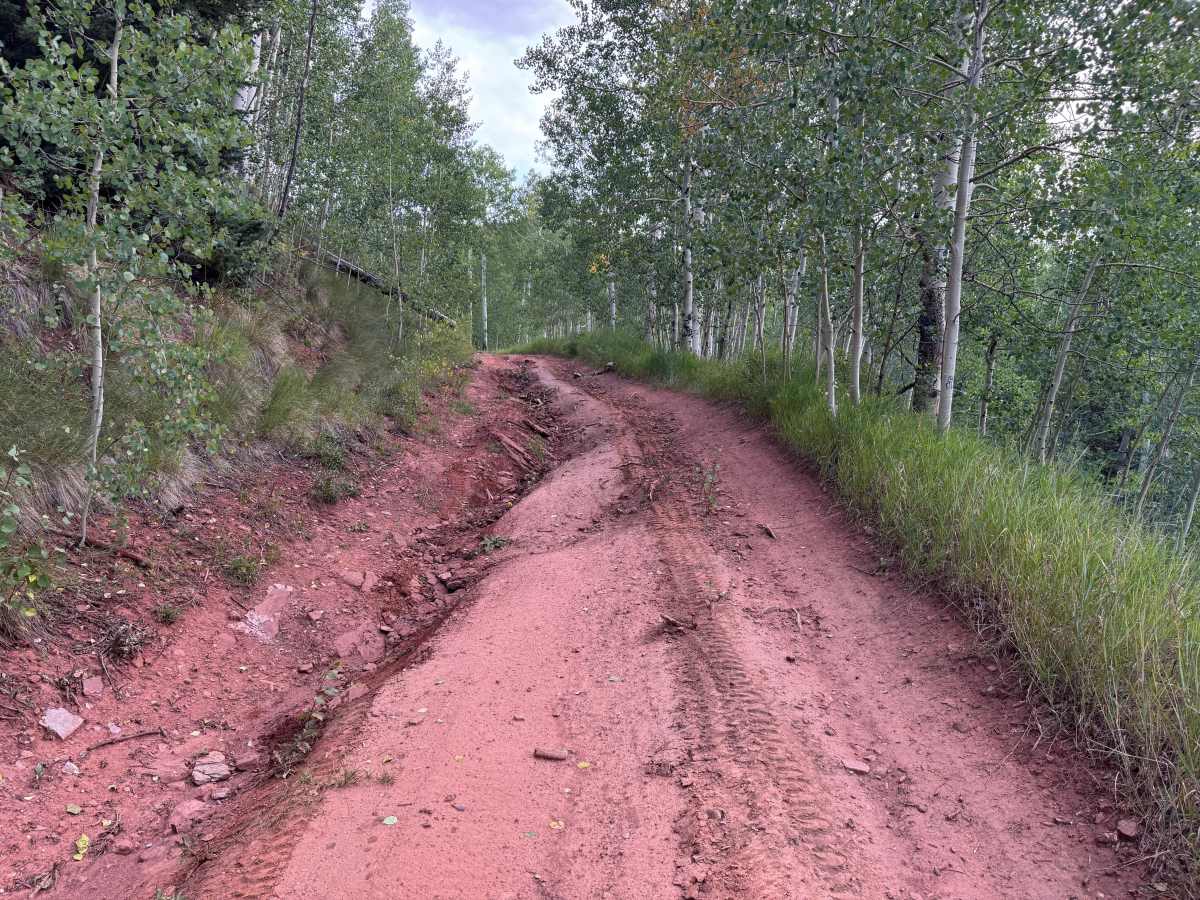
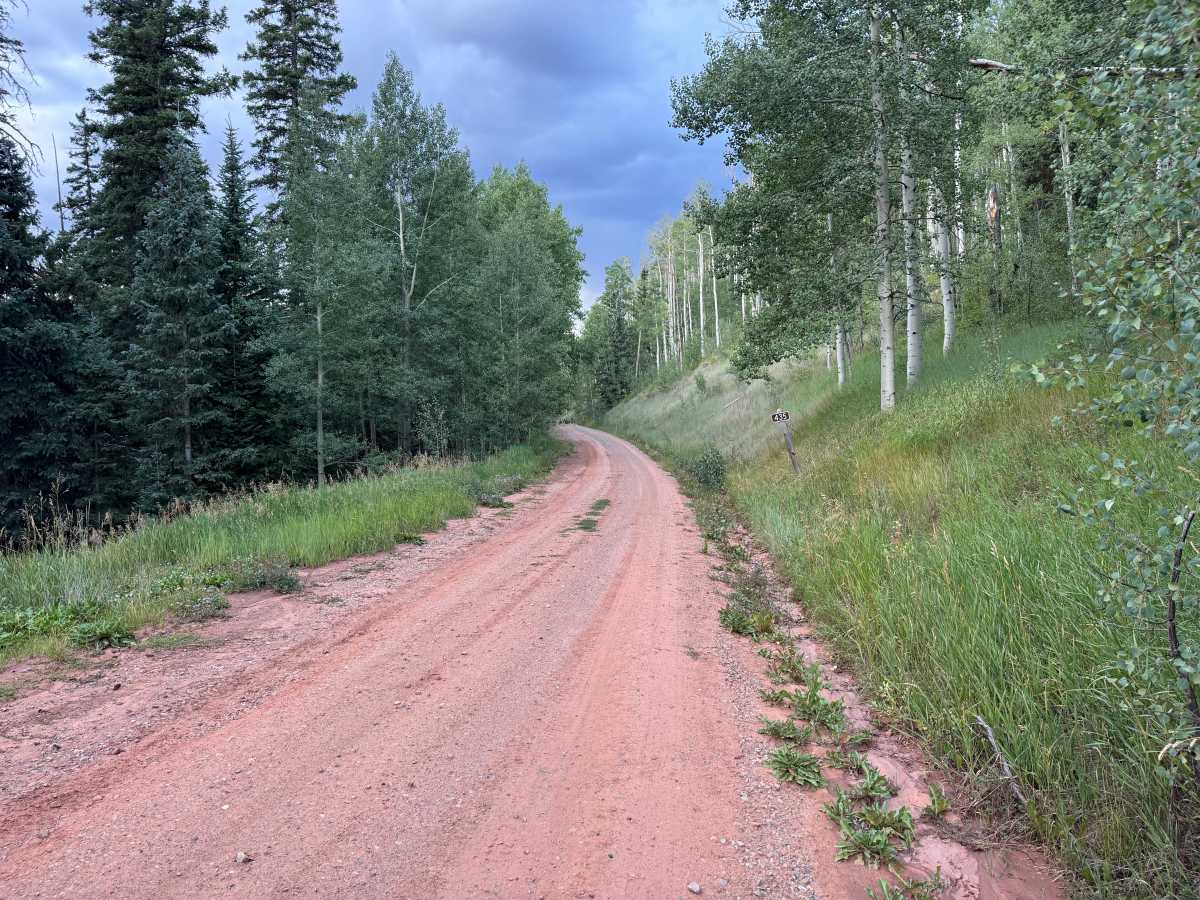
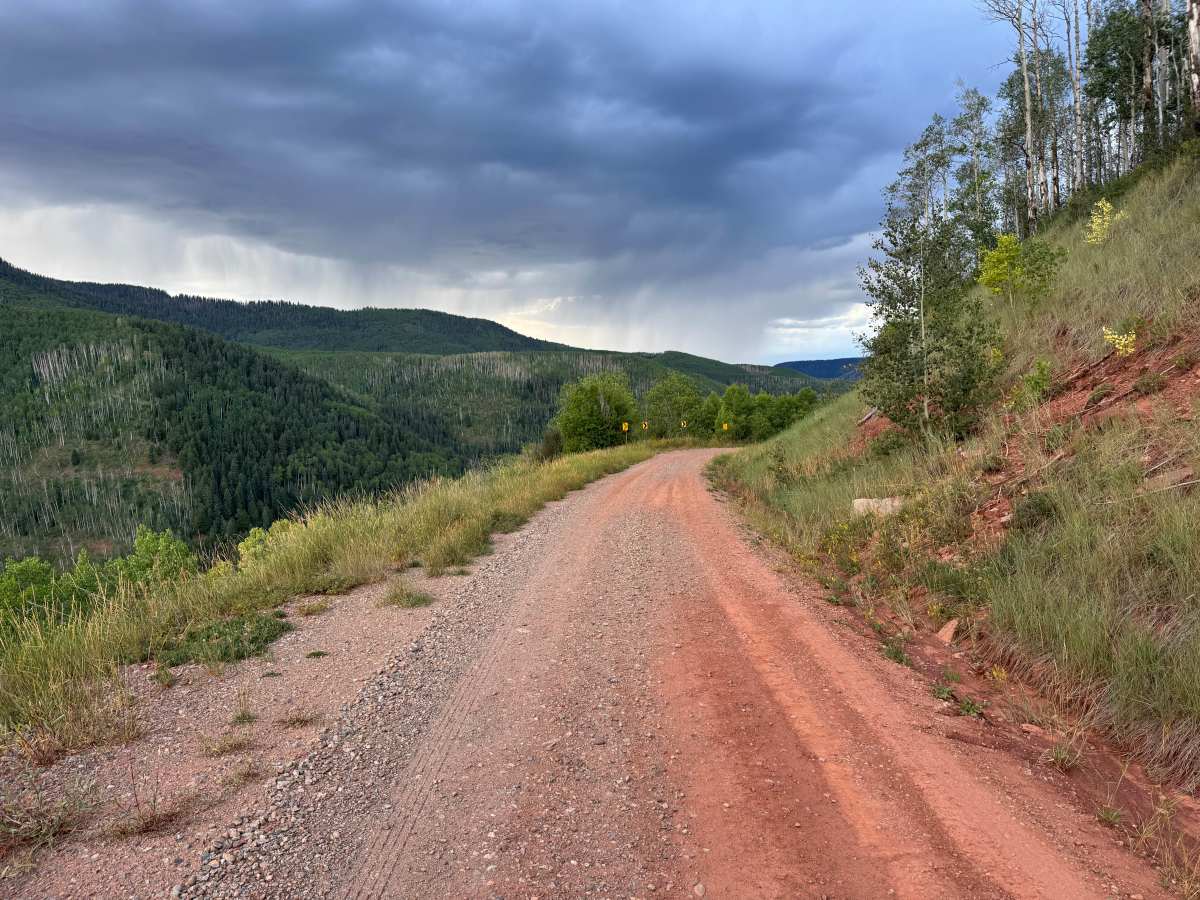
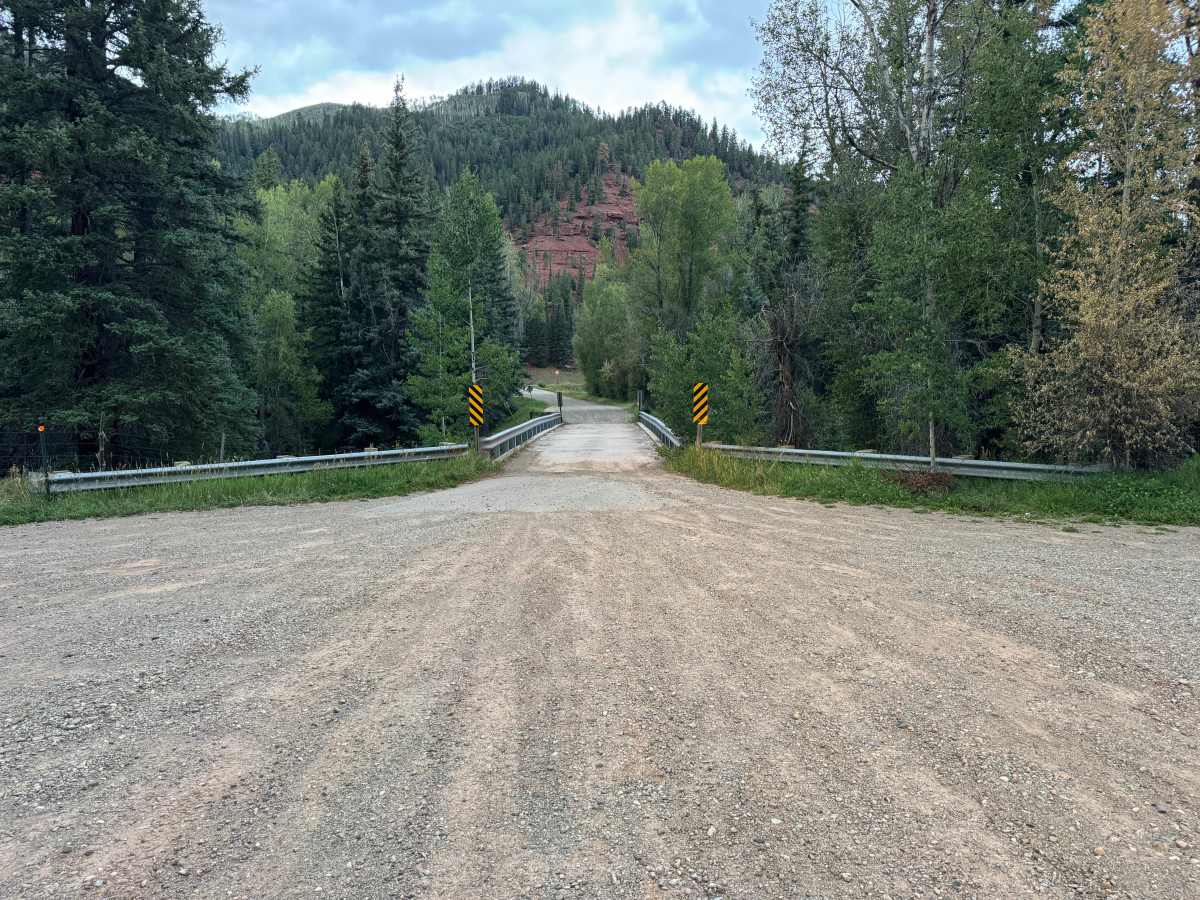
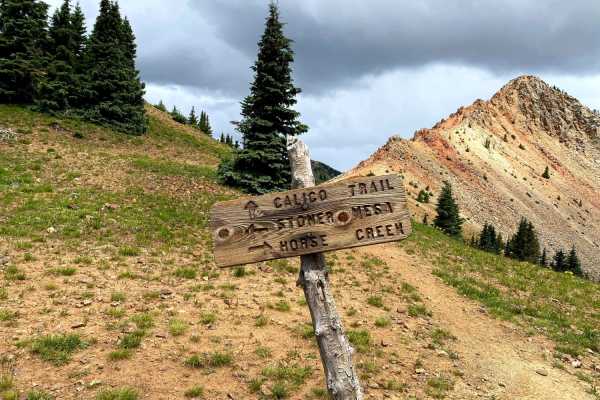
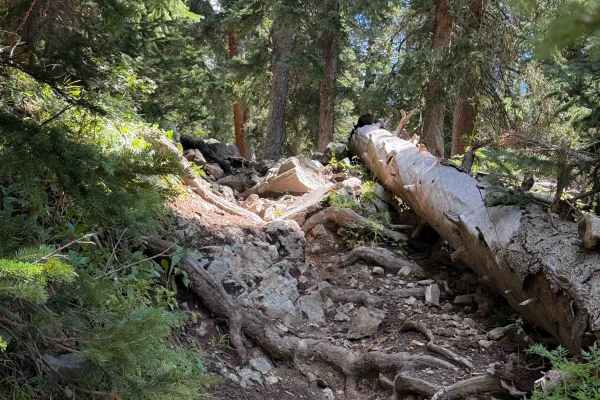
This route begins off Highway 145 and transitions through a wide range of surface conditions as it travels into the San Juan National Forest. Portions closer to Divide Road are relatively easy, consisting of maintained gravel and compacted dirt. Farther along, the route becomes considerably rougher and narrower, with exposed rock, ruts, and significant water erosion. Several eroded sections are uneven and off-camber, requiring careful tire placement and additional ground clearance. After rainfall, the red dirt can become extremely muddy, with deep puddles and soft, sloppy sections where good all-terrain or mud-terrain tires and some momentum may be necessary. The route winds through dense stands of aspen and pine, occasionally opening into grassy areas and mountainside stretches with impressive views across the surrounding forested San Juan Mountains. Conditions can change considerably with recent rainfall, so expect the more remote sections to be substantially more challenging than the maintained portions near Divide Road.
Difficulty
The route varies considerably in difficulty, with maintained gravel and packed dirt near Divide Road transitioning into rougher terrain farther along the trail. Expect moderate ruts, exposed rocks, water erosion, and several off-camber sections where careful tire placement is required. Deeper muddy areas and standing water can develop after rainfall, with some soft sections requiring good traction and controlled momentum to travel through. There are no major rock obstacles or technical ledges, but the combination of erosion, mud, uneven terrain, and narrow sections increases the difficulty. A stock high-clearance 4x4 with good mud terrain tires should be capable under normal conditions, although wet weather can make the route considerably more challenging.
History
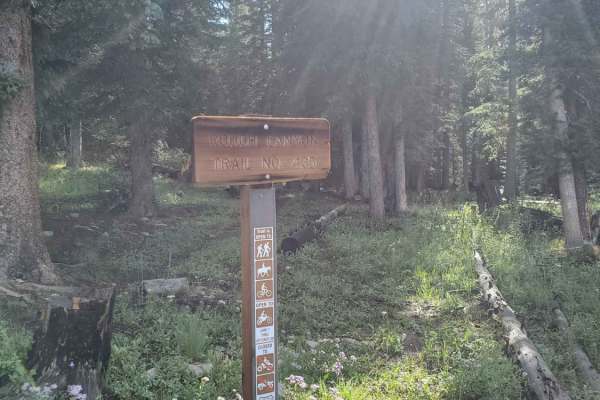
The Hermosa Creek area has a long history of transportation, ranching, forestry, and recreation. Settlement began near the mouth of Hermosa Creek in the early 1870s, where farms and orchards supplied food to the growing mining camps around Silverton. By 1875, produce from the Hermosa Valley was being transported north to the mining district, first by wagon and later by railroad. The Denver & Rio Grande narrow-gauge railroad reached Hermosa in November 1881, establishing a construction and railroad facility with a depot, siding, water tank, and other infrastructure as construction continued toward Silverton. The upper Hermosa watershed remained comparatively undeveloped and became valued for fishing, hunting, and backcountry recreation. The Forest Service constructed the Hermosa Trail in 1917 for fishermen, recreationists, forest rangers and ranchers. Today, much of the watershed is protected within the Hermosa Creek Special Management Area and Hermosa Creek Wilderness. There's also an important off-road-specific piece of modern history here. In the 1960s, there were proposals to push additional roads into the upper Hermosa watershed to facilitate timber harvesting. Local opposition helped prevent a road from being constructed across the watershed, preserving much of the roadless character that exists today. Congress ultimately passed the Hermosa Creek Watershed Protection Act in 2014, protecting the watershed while retaining recreation on designated existing routes.