Trail Overview
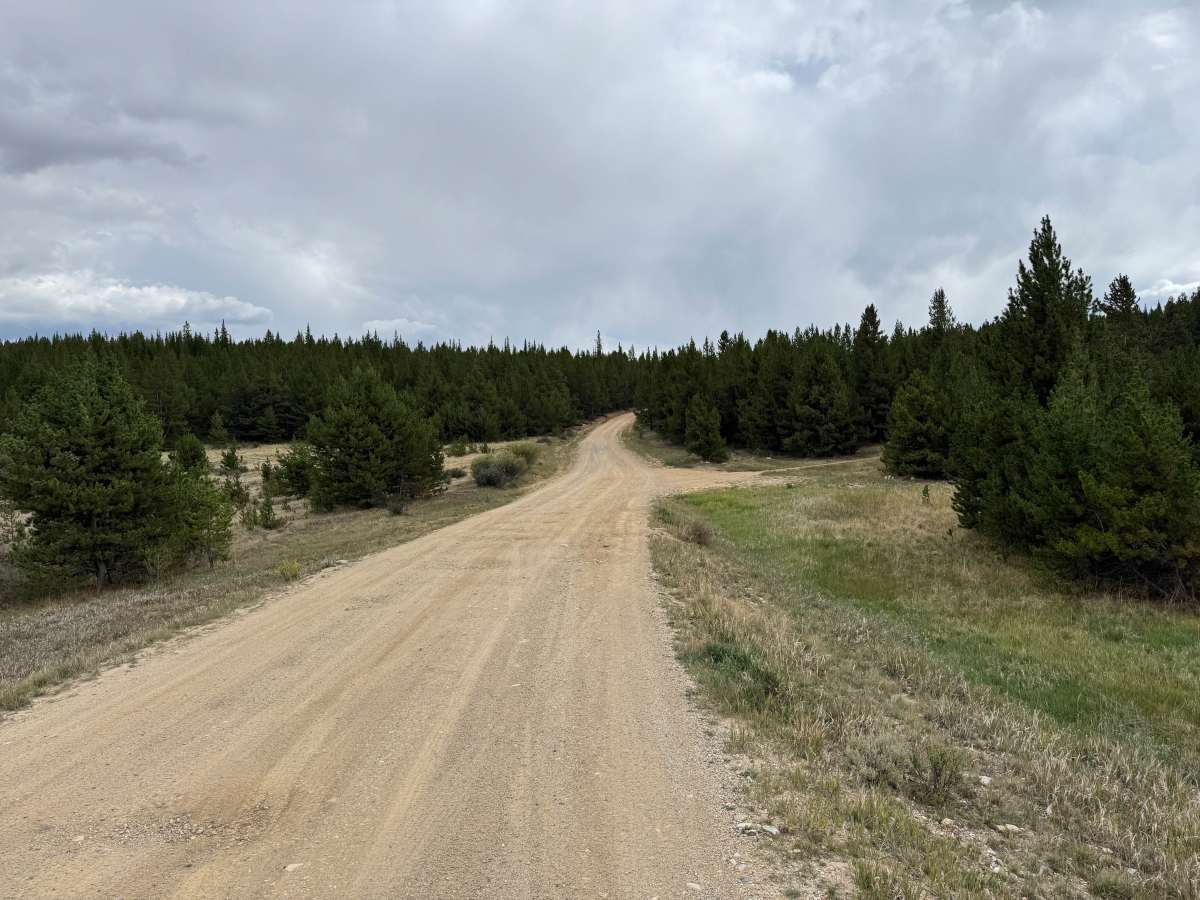
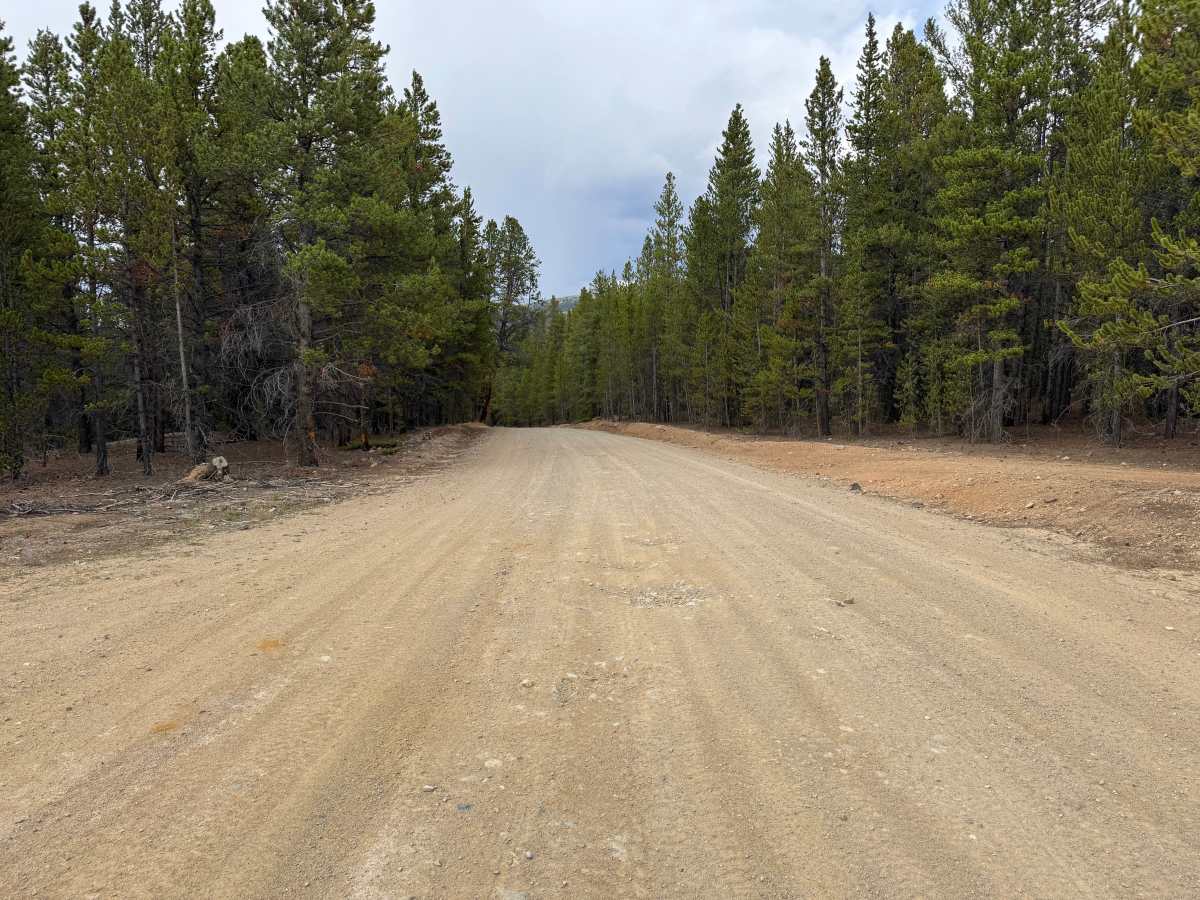
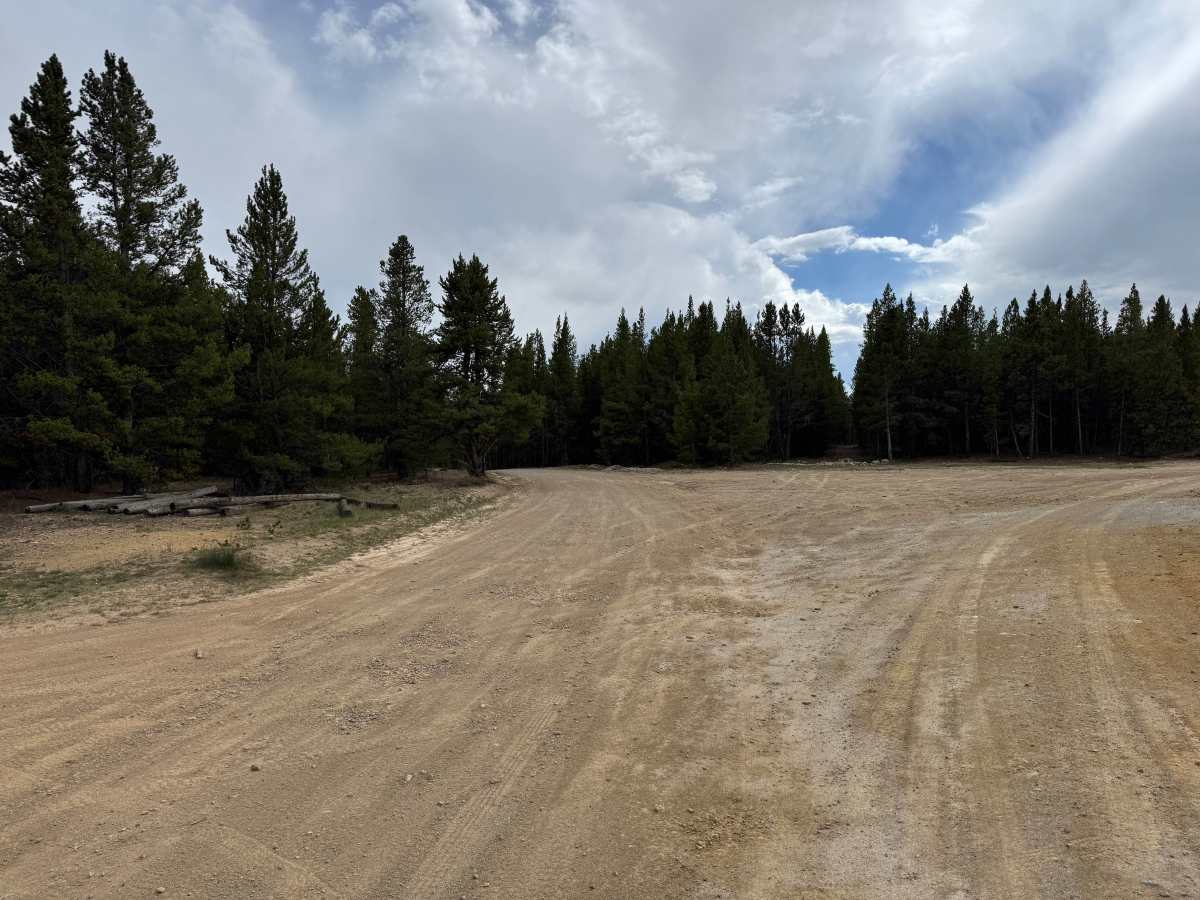
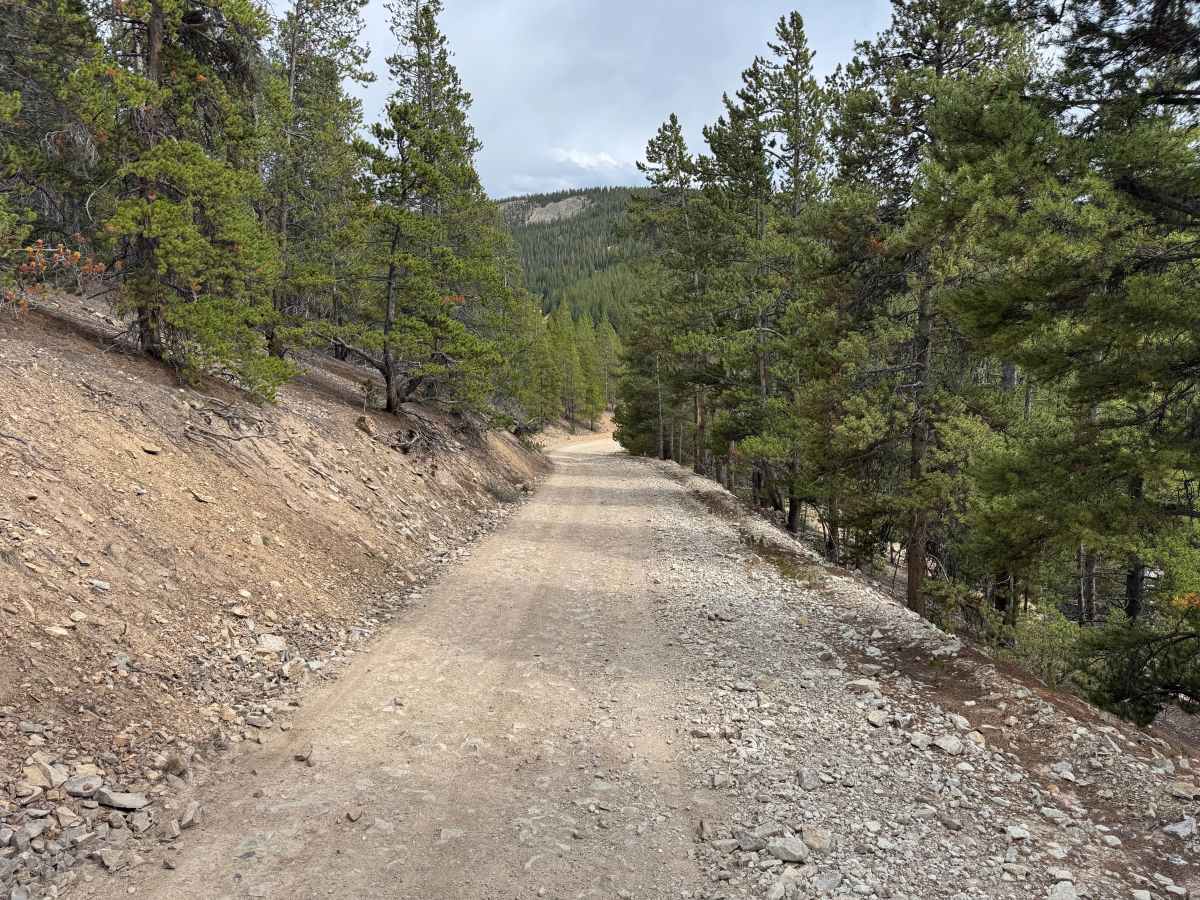
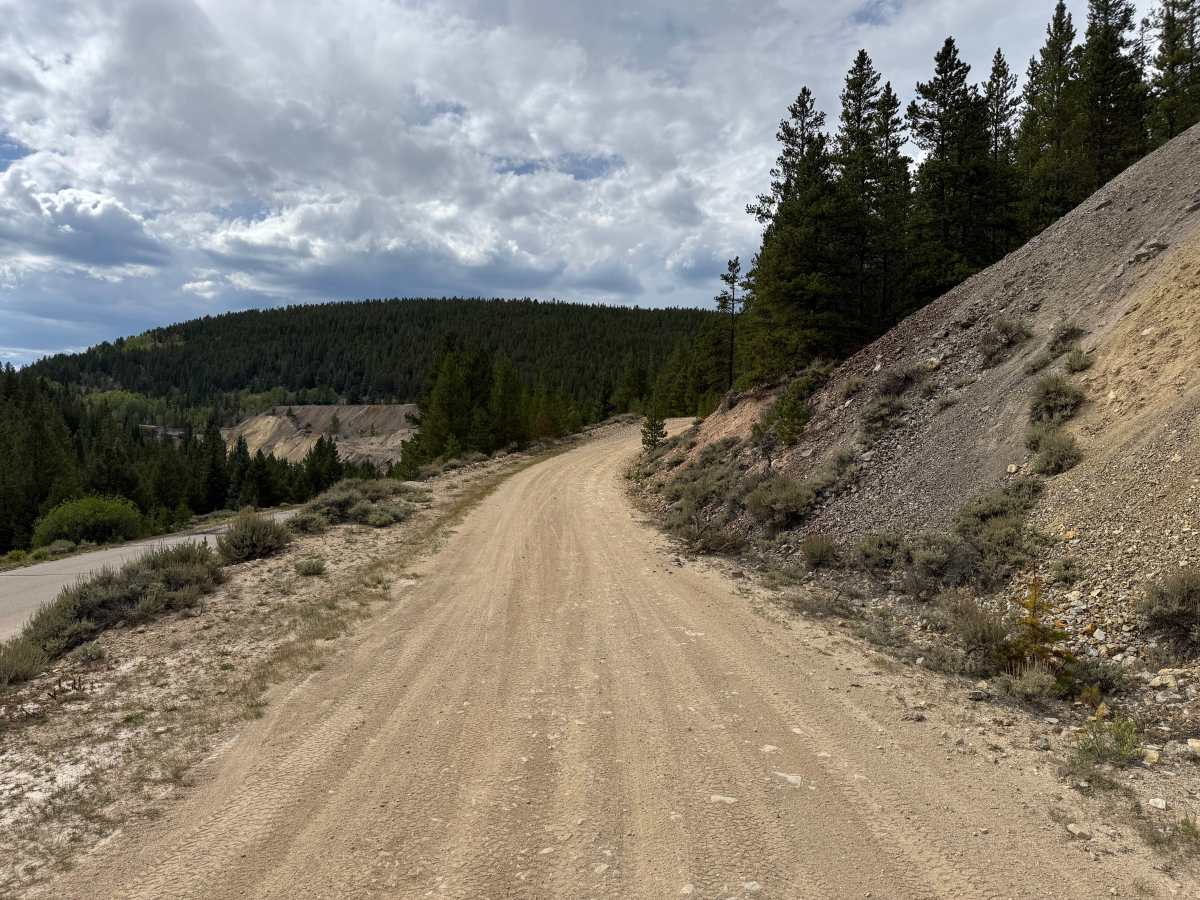
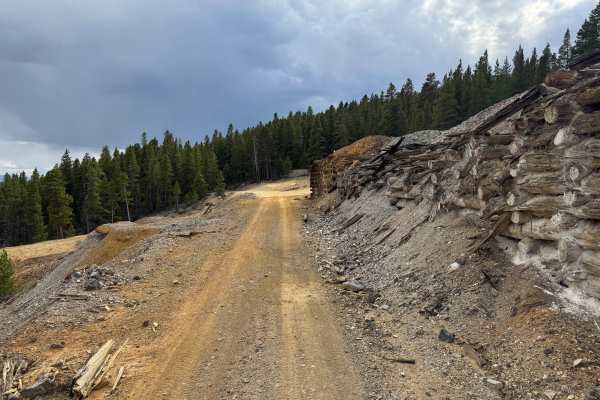
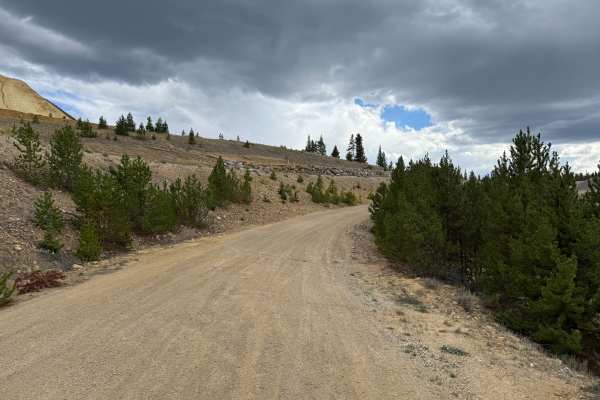
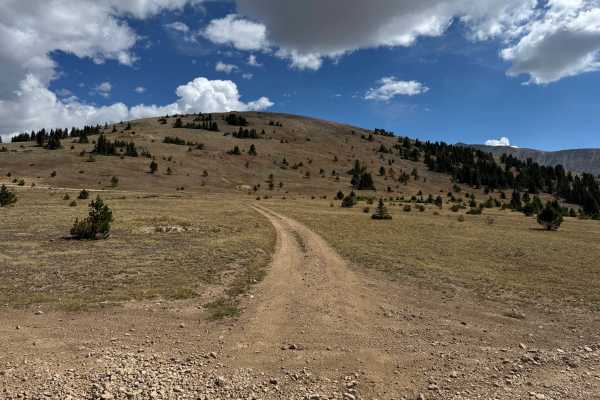
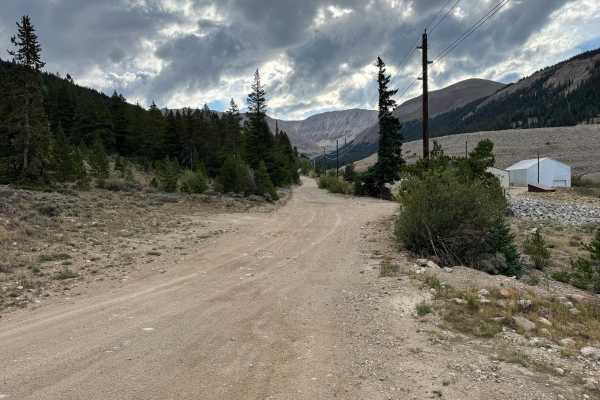
This through route connects County Road 1 with County Road 3 and travels through an area surrounded by historic mining activity. Several old mine sites and large mine tailings can be seen from the road along the way. The surface is primarily well-maintained packed dirt and gravel with scattered small rocks and occasional rougher sections. There are no major obstacles along the route, although some sections have moderate grades as the road climbs and descends through the surrounding hills. Most of the route is approximately two vehicles wide with plenty of room for passing. The surrounding terrain transitions between dense pine forest, open grassy areas, low brush, and exposed rocky hillsides near the mining areas. The land surrounding the road is private property, so remain on the designated route and respect all property boundaries and posted signs.
Difficulty
The route consists primarily of well-maintained packed dirt and gravel with scattered small rocks and occasional rough or uneven sections. Grades are generally mild to moderate, with no significant ruts, ledges, washouts, or technical obstacles. The road remains wide through most sections and does not require difficult tire placement or specialized vehicle capability under dry conditions.
History
Leadville's surrounding mountains are heavily connected to Colorado's mining history. Mining booms beginning in the 1860s transformed the area, with gold, silver, lead, zinc, molybdenum, and other minerals driving development over different periods. Many roads and routes throughout the mountains originated as access to mines, claims, settlements, and other industrial sites. Remnants of this history can still be found throughout the area, including mine workings, foundations, structures, and old transportation corridors. Leadville was also once home to the Unsinkable Molly Brown, who lived in the city during its mining boom and met and married J.J. Brown there. Doc Holliday also called Leadville home during the 1880s, spending time in the city's saloons and gambling halls during one of its most colorful periods. Leadville itself is recognized as a National Historic Landmark District.