Trail Overview
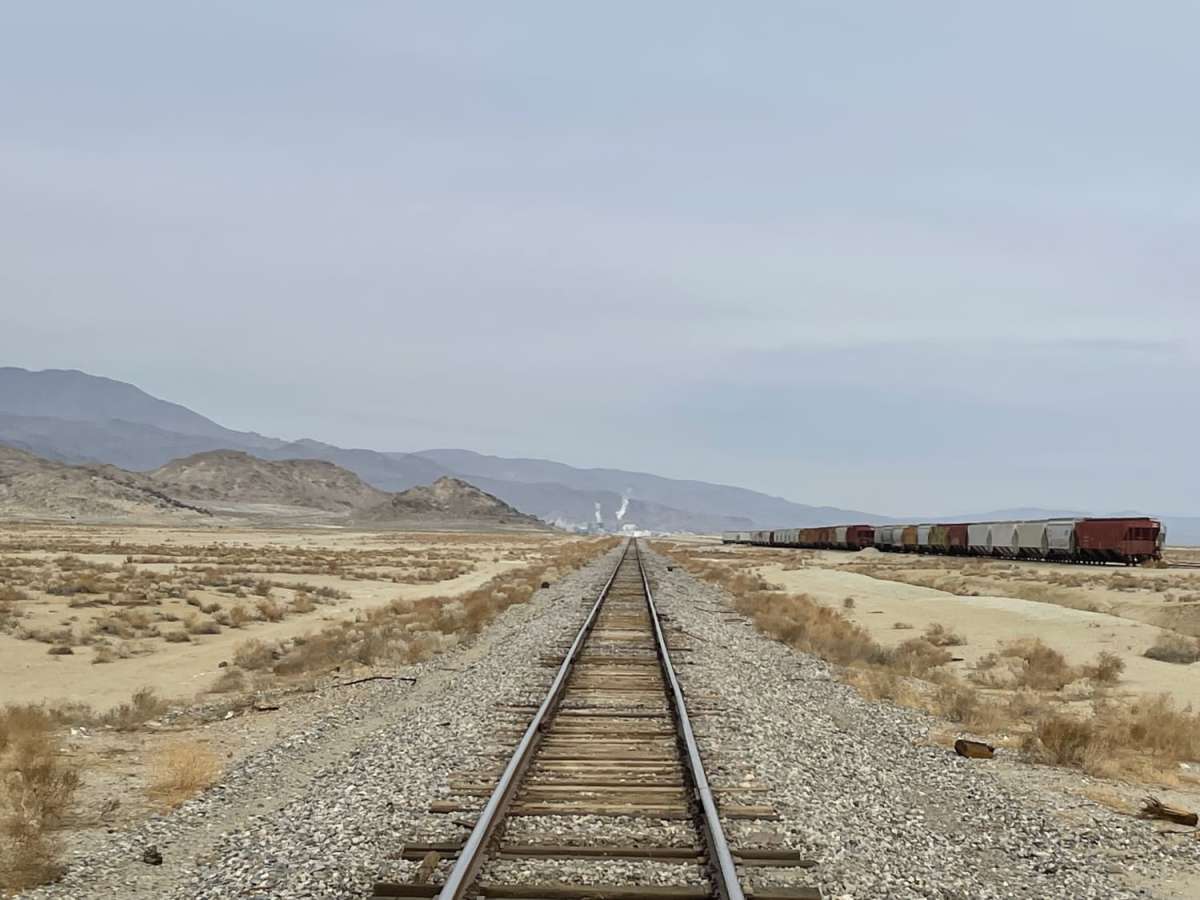
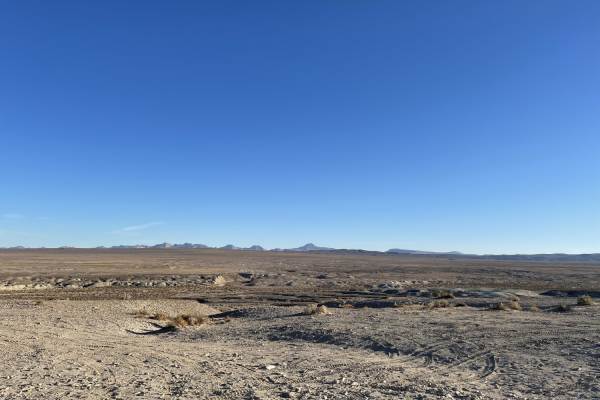
The Easy Route to Trona Pinnacles is an ideal desert drive for offroaders of all skill levels, providing direct access to one of California’s most striking and otherworldly geological landmarks. This 4.7-mile unpaved trail is technically rated a 1, featuring a wide, occasionally graded washboard road that accommodates standard two-wheel-drive vehicles, high-clearance rigs, four-wheel-drive trucks, and SxSs alike. Along the flat route, which sits at an elevation between 1,642 and 1,765 feet, drivers will cross the active tracks of the Searles Valley Minerals railroad, the shortest operating railroad in America. Since there are no mechanical signals at this crossing, always stop and scan the tracks for oncoming trains before proceeding.
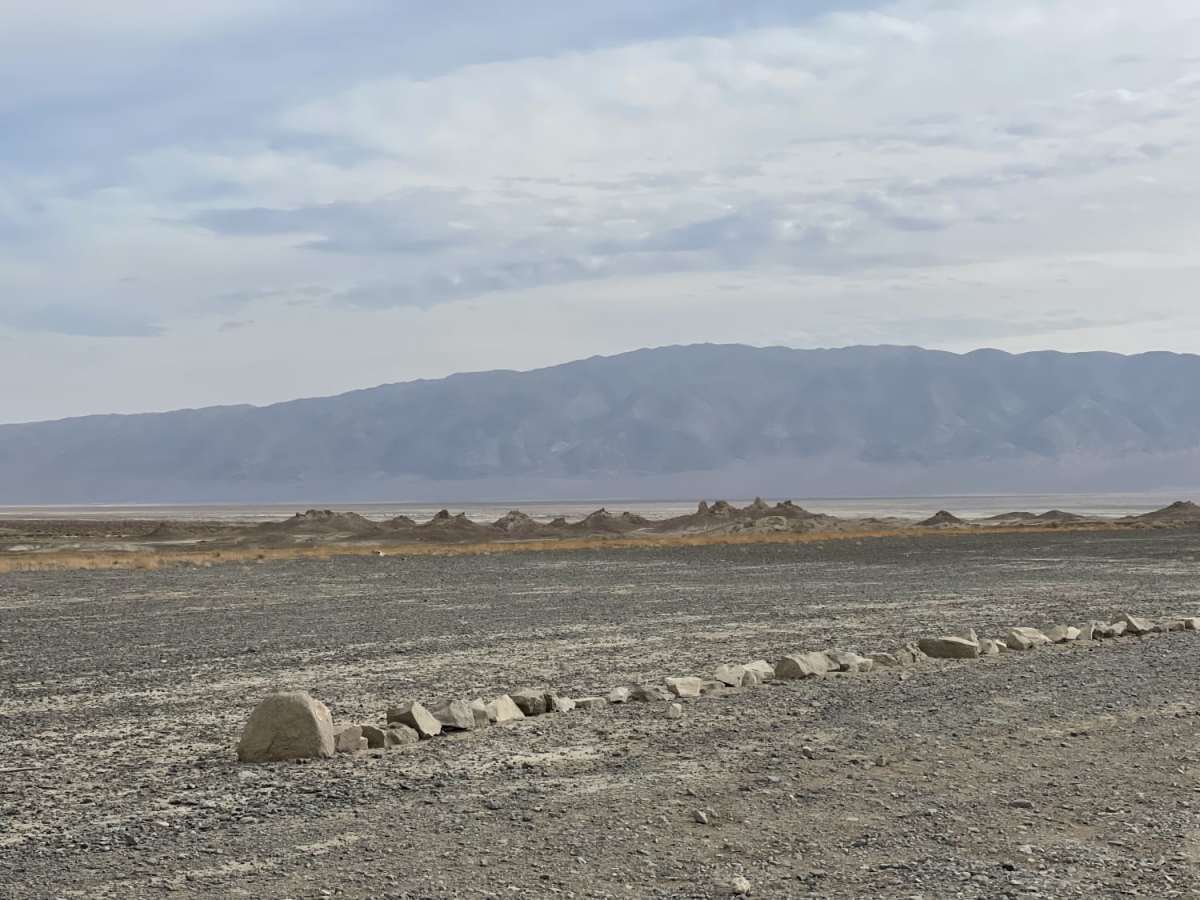
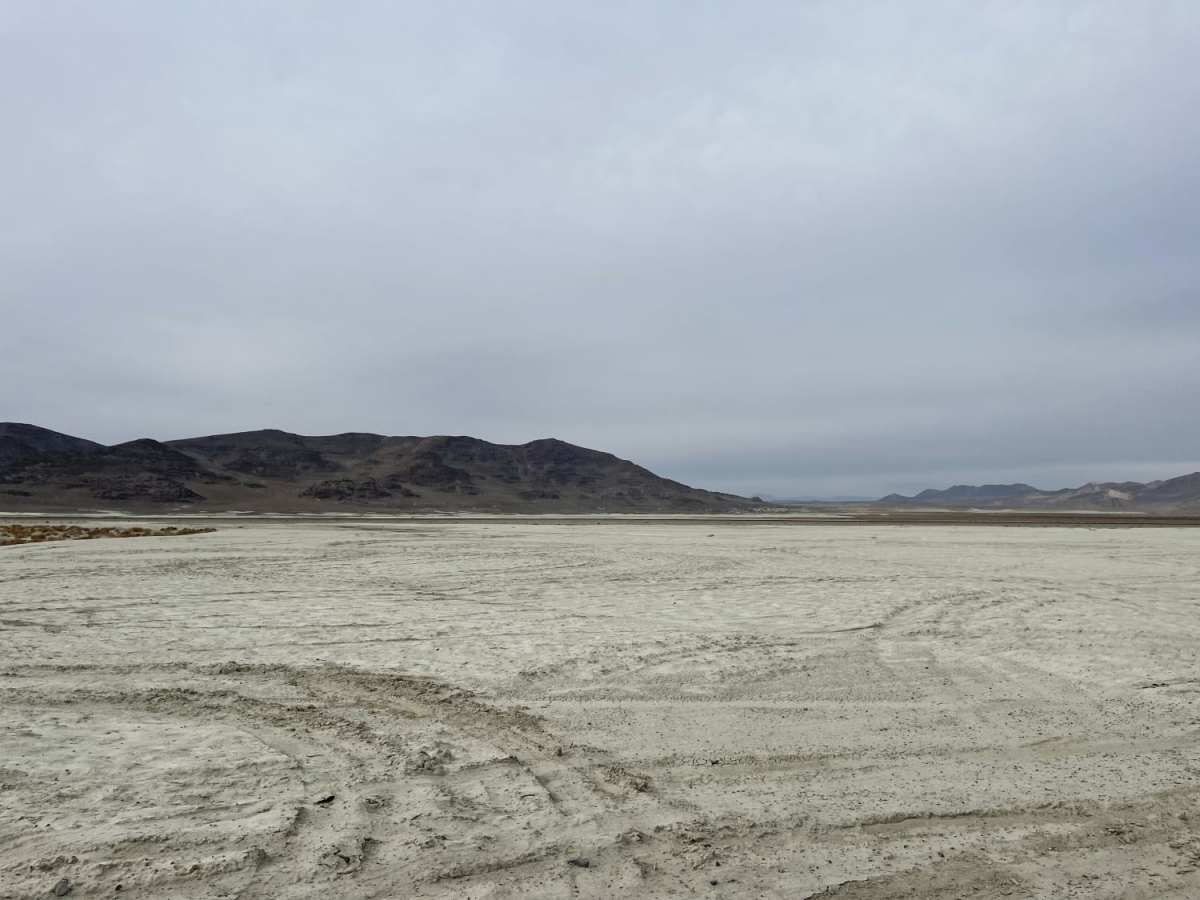
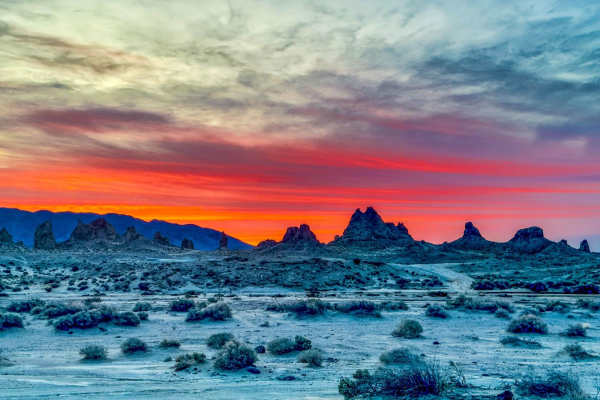
As the trail winds through the Searles Dry Lake basin, visitors are treated to expansive views of over 500 tufa spires rising up to 140 feet tall, which were formed between 10,000 and 100,000 years ago under an ancient lakebed. The area offers dispersed camping for up to 14 days within a 28-day period, though campers must pack out all waste and bring plenty of water, as there are no trash services and only a single vault toilet on site. Cellular service is generally limited to about two bars of LTE, so downloading maps in advance is highly recommended. Because summer temperatures in this portion of the Mojave Desert routinely reach extreme, dangerous highs, offroaders should prepare with extra supplies and plan travel during cooler seasons.
History
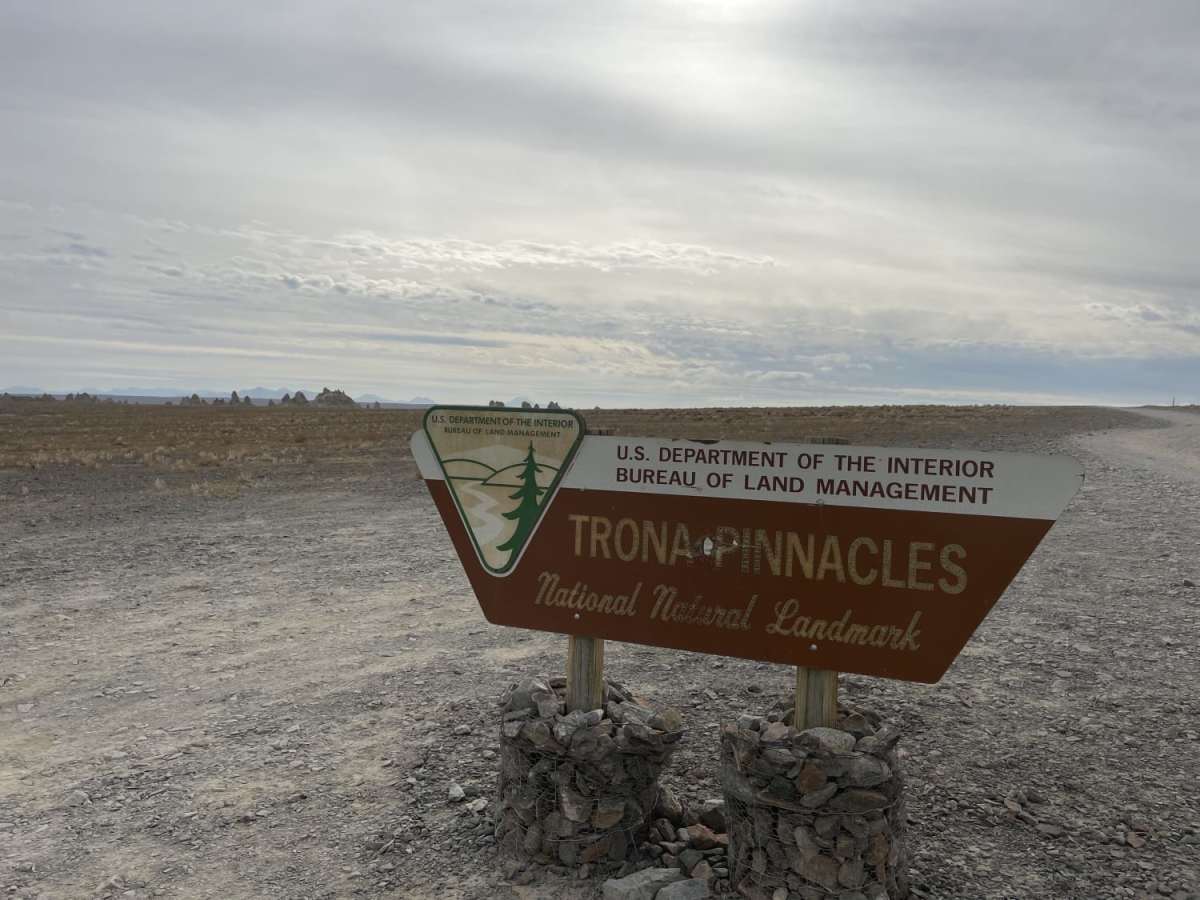
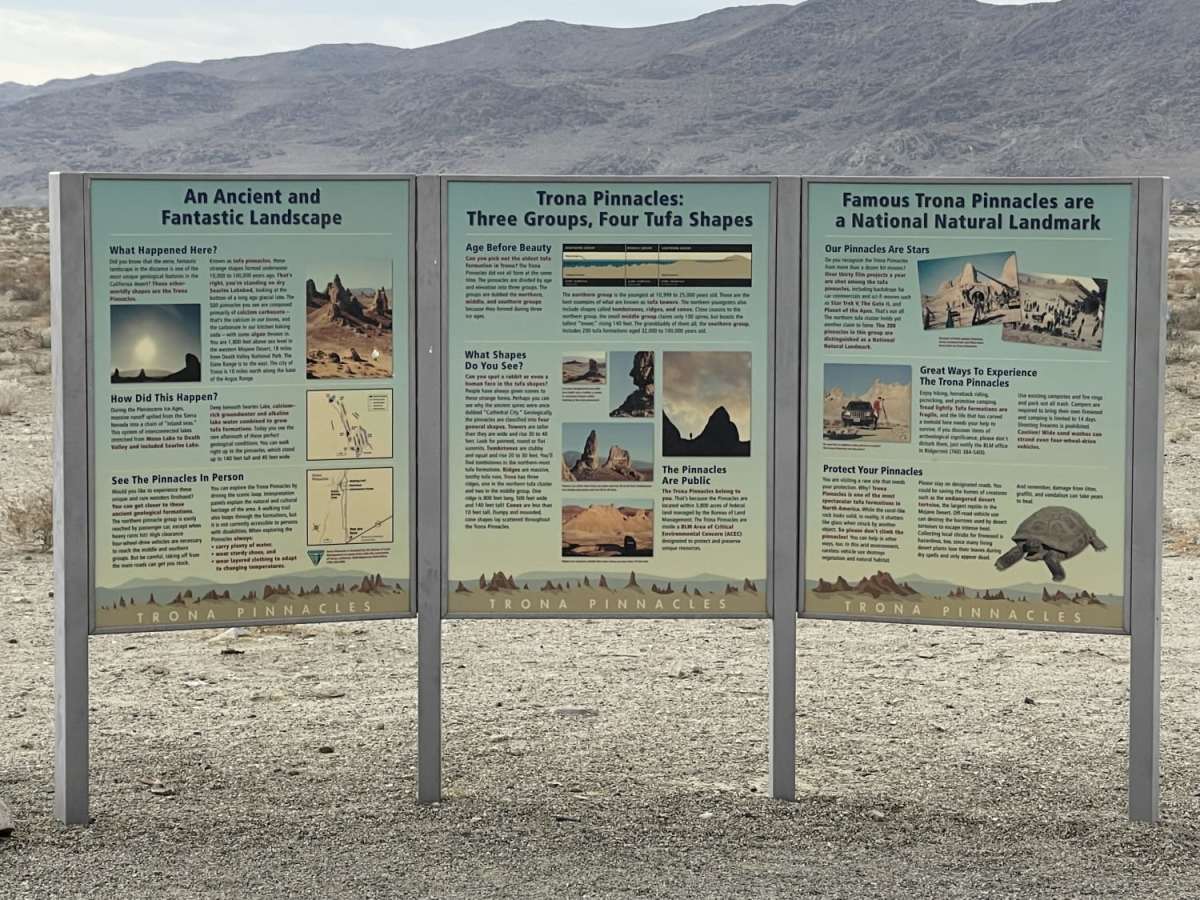
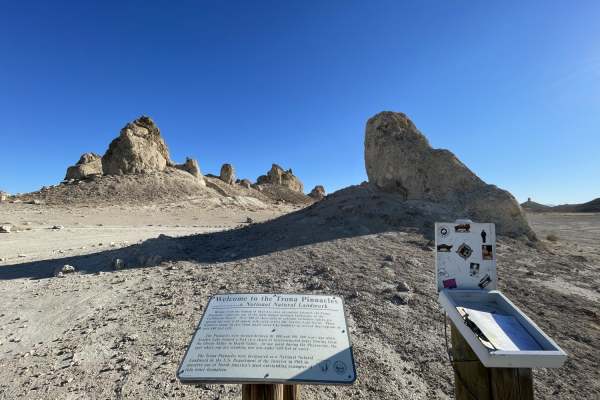
Via BLM website: The Trona Pinnacles are unique geological features in the California Desert Conservation Area. The unusual landscape consists of more than 500 tufa spires, some as high as 140 feet, rising from the bed of the Searles Dry Lake basin. The pinnacles vary in size and shape from short and squat to tall and thin and are composed primarily of calcium carbonate (tufa). The Trona Pinnacles have been featured in many commercials, films, and still-photo shoots. The Trona Pinnacles were designated a National Natural Landmark by the U.S. Department of the Interior in 1968 to preserve one of North America's most outstanding examples of tufa tower formation. Dispersed camping is allowed for a period not to exceed 14 days within a 28 consecutive day period. The 28-day period begins when a camper initially occupies a specific location on public lands. The 14-day limit may be reached either through a number of separate visits or through 14 days of continuous overnight occupation during the 28 day period. After the 14th day of occupation, the camper must move outside of a 25-mile radius of the previous location until the 29th day since the initial occupation. There is no potable water or developed facilities other than a single vault toilet on site. Pack out all trash. There are no trash services. In the desert environment, even natural items like orange peels take years to decompose. Travel on existing roads and trails. Vegetation in this climate can take decades to recover when crushed by off-road driving or parking. Camp in campgrounds if available. Using campgrounds reduces the number of vehicles so that the great views are not blocked. Have a great time. The Trona Pinnacles are a great place to explore natural wonders and experience your public lands. Rising from the bottom of what was once an ancient lakebed, the Trona Pinnacles represent one of the most unique geologic landscapes in the California Desert. Over 500 of these tufa (or calcium carbonate spires) are spread out over a 14 square-mile area across the Searles Lake basin. These features range in size from small-coral-like boulders to several that top out at over 140 feet tall. The Pinnacles were formed between 10,000 and 100,000 years ago when Searles Lake formed a link in a chain of interconnected lakes flowing from the Owens Valley to Death Valley. At one point during the Pleistocene, the area was under 640 feet of water.
Access Description
There are no fees or permits required to access the Trona Pinnacles. Dispersed camping is allowed for up to 14 days within a 28-day period. Visitors must pack out all trash, as there are no trash services. Extremely high temperatures in summer pose safety hazards, so carry plenty of extra water.

 Offroad