Trail Overview
Puerta La Cruz Truck Trail is an engaging 4.3-mile point-to-point off-road route in Southern California that offers a scenic passage into the Cleveland National Forest and serves as the primary access road to Indian Flats Campground. Best suited for high-clearance vehicles, this trail begins off Chihuahua Valley Road at an elevation of approximately 4,367 feet and descends through winding mountain terrain to about 3,743 feet. While four-wheel drive is not strictly required due to solid traction, the trail features several deep washouts and erosion channels that pose a high risk of high-centering stock-height vehicles. A vehicle with at least three inches of lift is highly recommended to safely navigate these obstacles and ensure smooth passage.
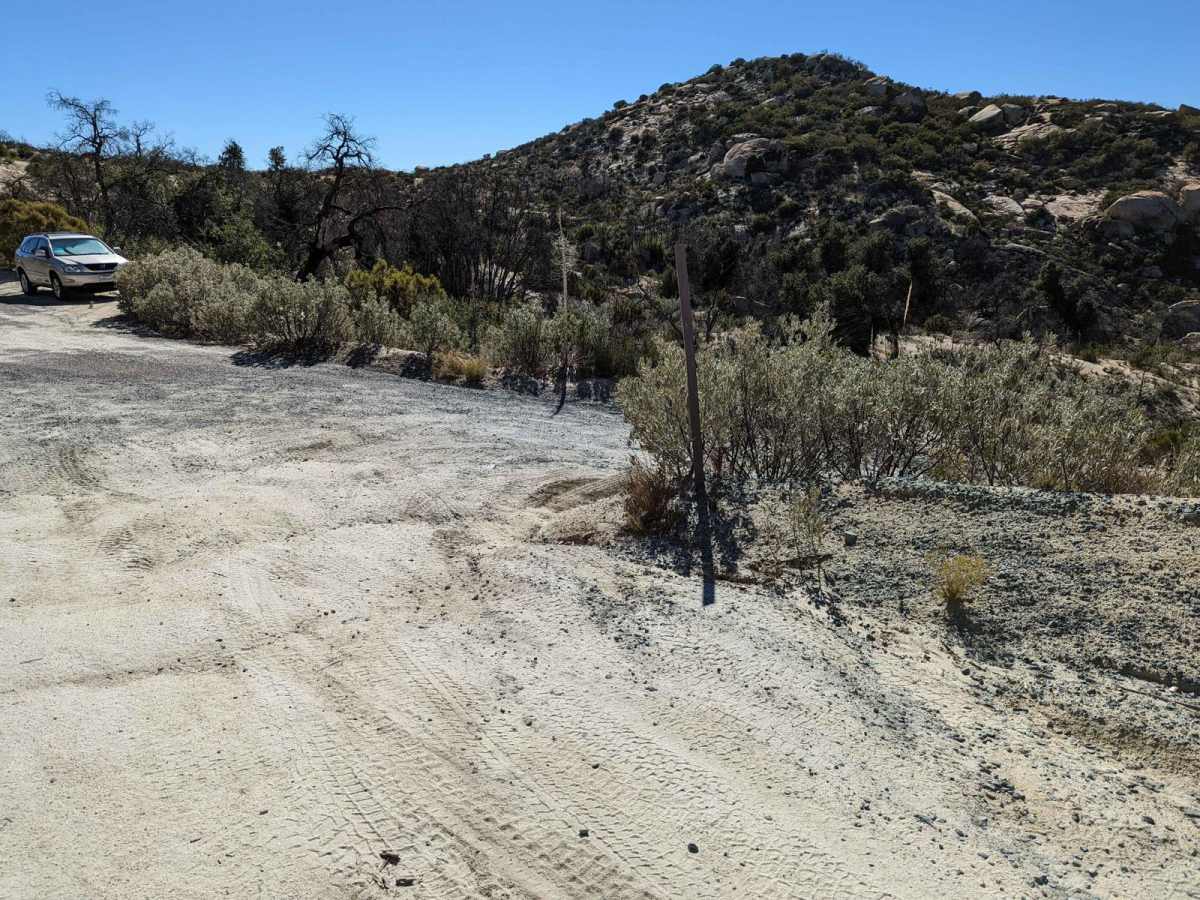
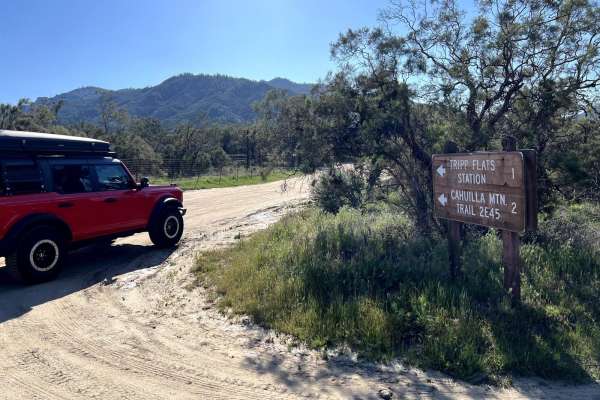
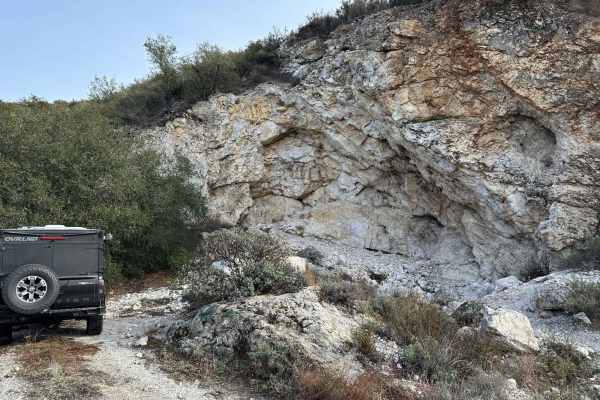
The journey kicks off with a narrow, technical section making up the first 40 percent of the route, characterized by loose rocks that have sloughed off the nearby slopes. As the trail winds past the western flanks of Pine Mountain, drivers will negotiate these rocky sections before the path enters the Cleveland National Forest boundary, where it widens and flattens significantly. Keep left at the major T-intersection to continue directly to Indian Flats Campground, which offers rustic campsites nestled among oak trees. This route is typically accessible year-round.
Difficulty
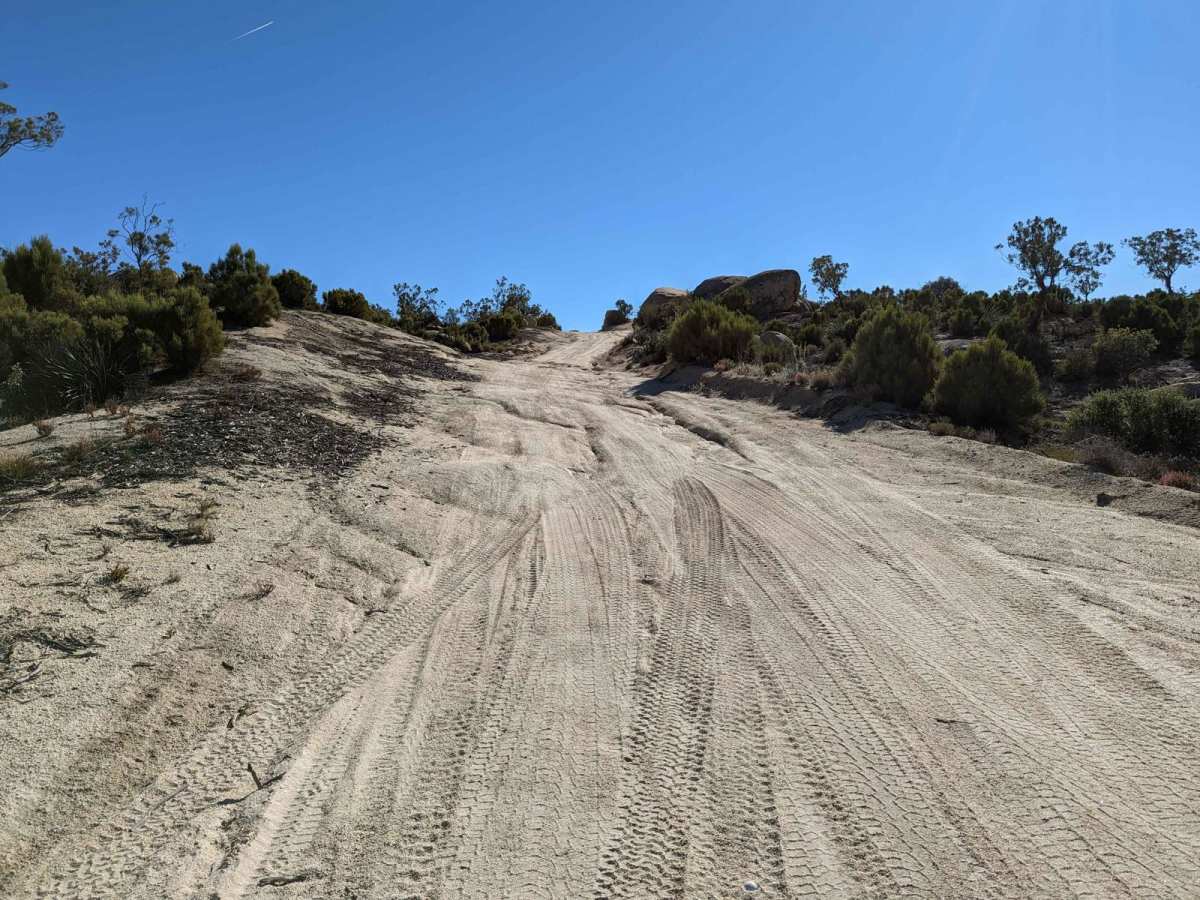
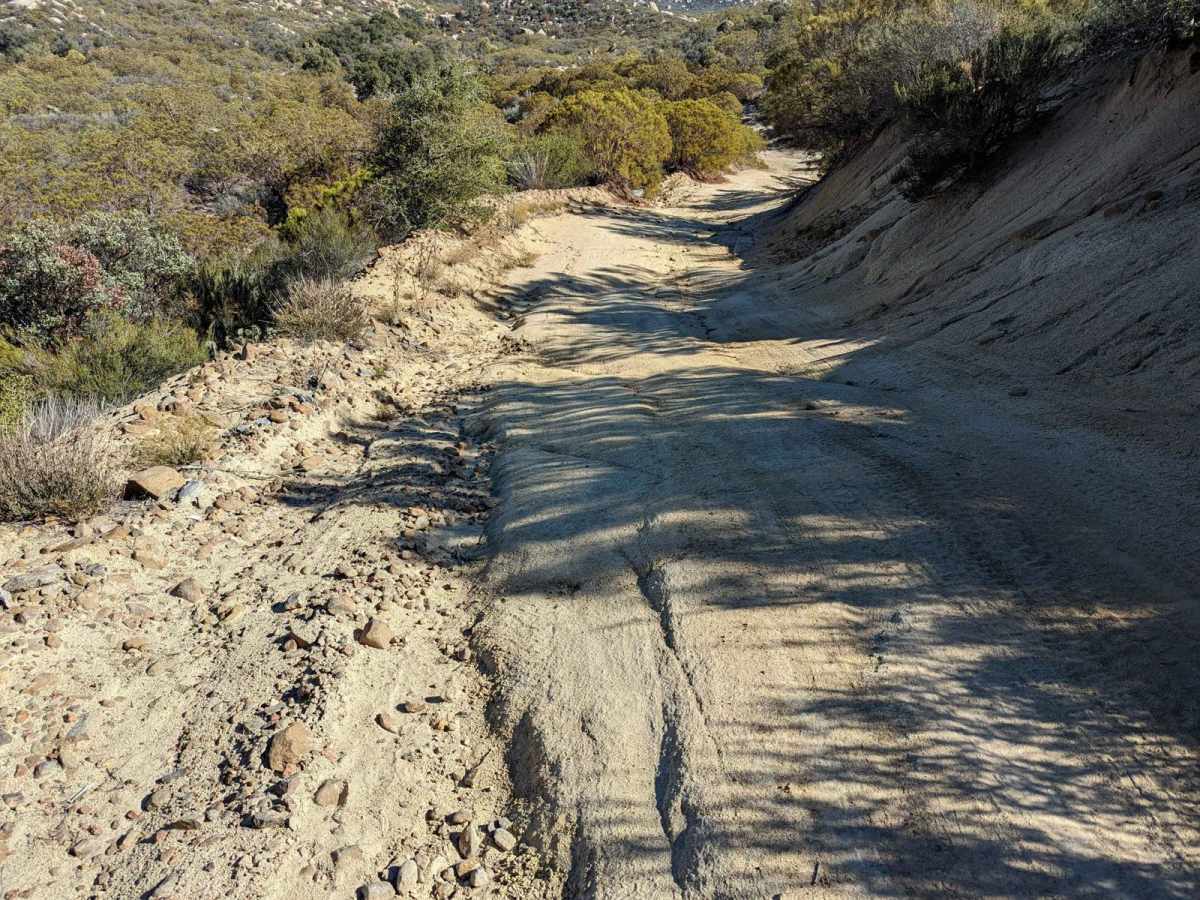
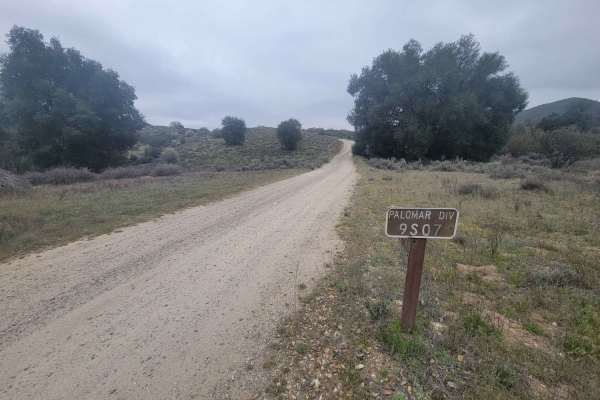
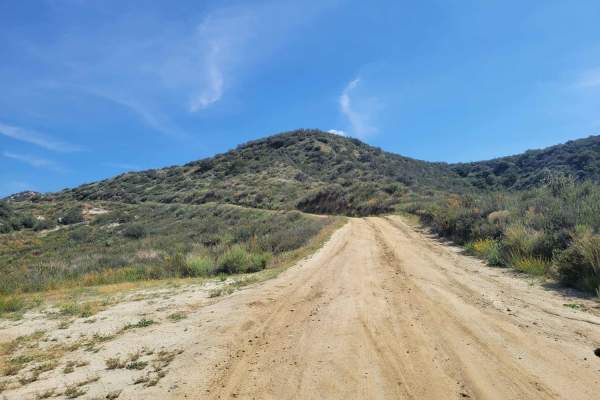
The entire trail is accessible by vehicles with high clearance. Four-wheel drive is not needed. There's plenty of traction. But, there are several washed out areas that will high center stock height vehicles. The first 40% of the trail is narrow and covered is loose rock that have rolled onto the trail from previous rainfalls. Once you get to the Cleveland Forest area, the trail widens out and flattens out.
Access Description
The trail crosses into Cleveland National Forest land. While the route itself does not require a permit, camping at the Indian Flats Campground or parking within the national forest may require a Southern California Forest Adventure Pass. The route is open year-round, but conditions can degrade quickly during and after heavy rains, potentially worsening washouts.