Trail Overview
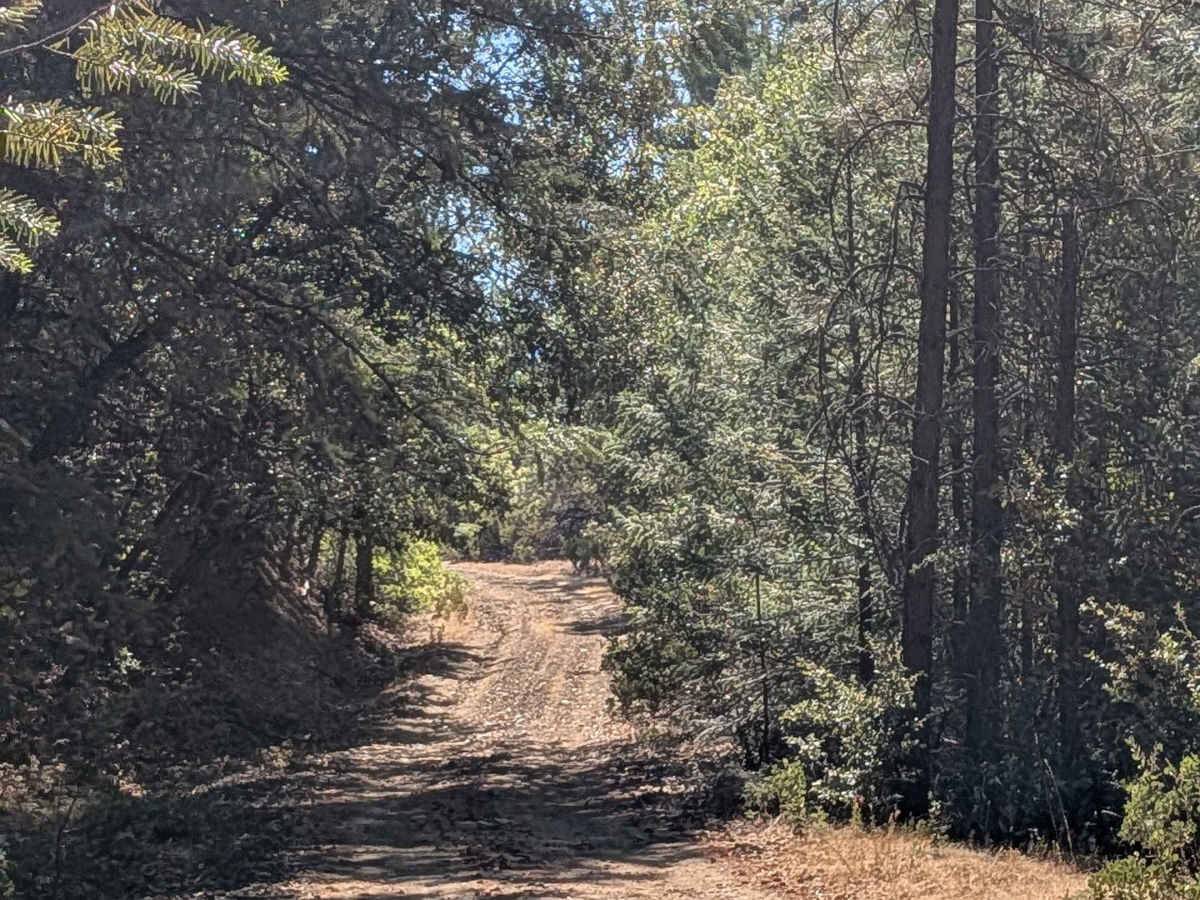
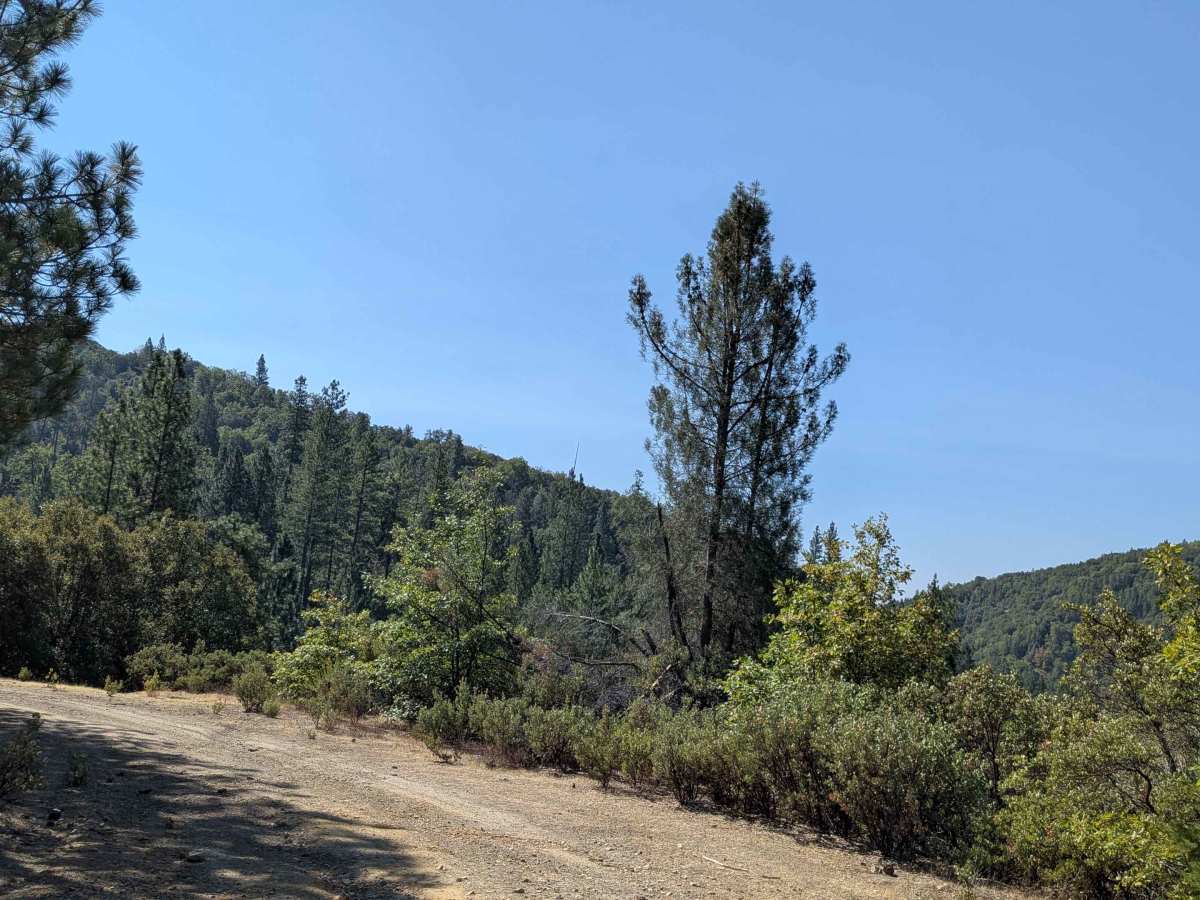
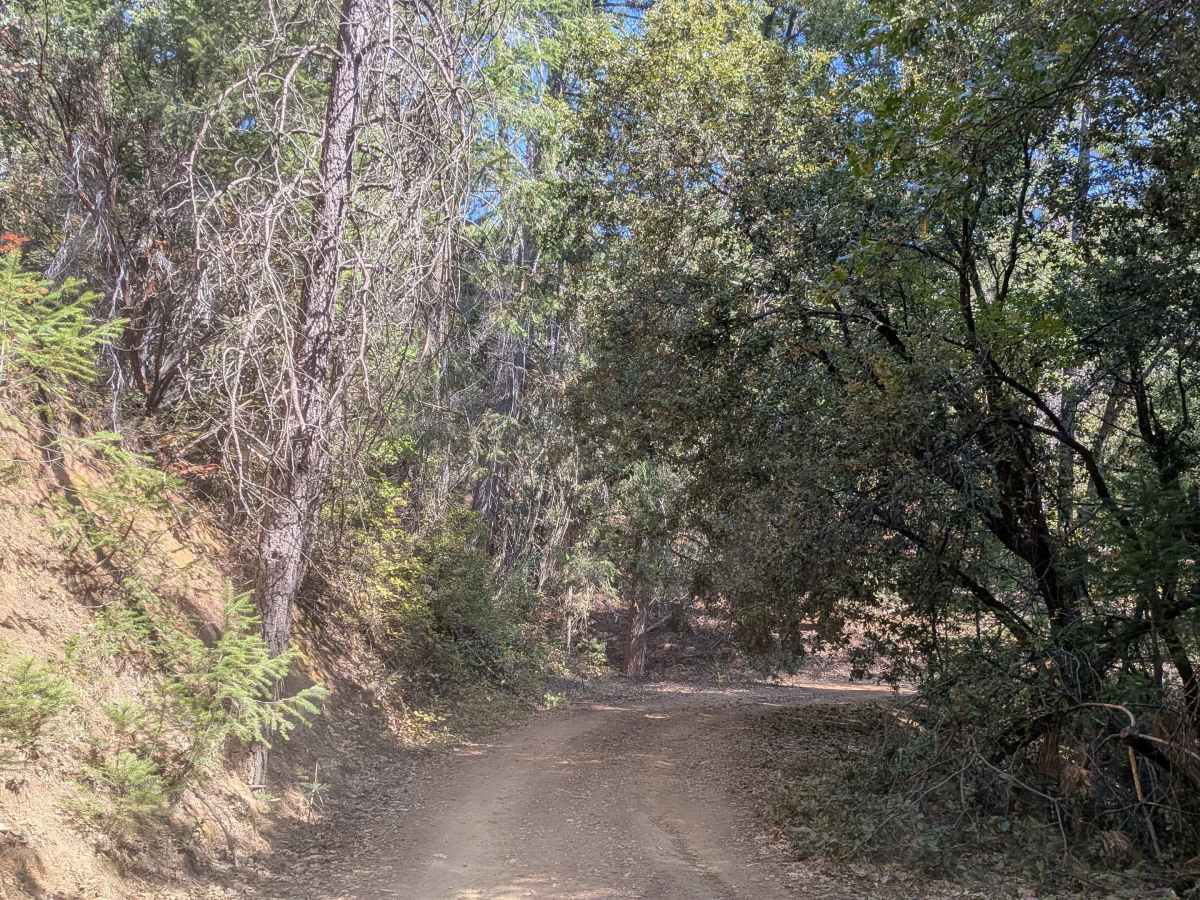
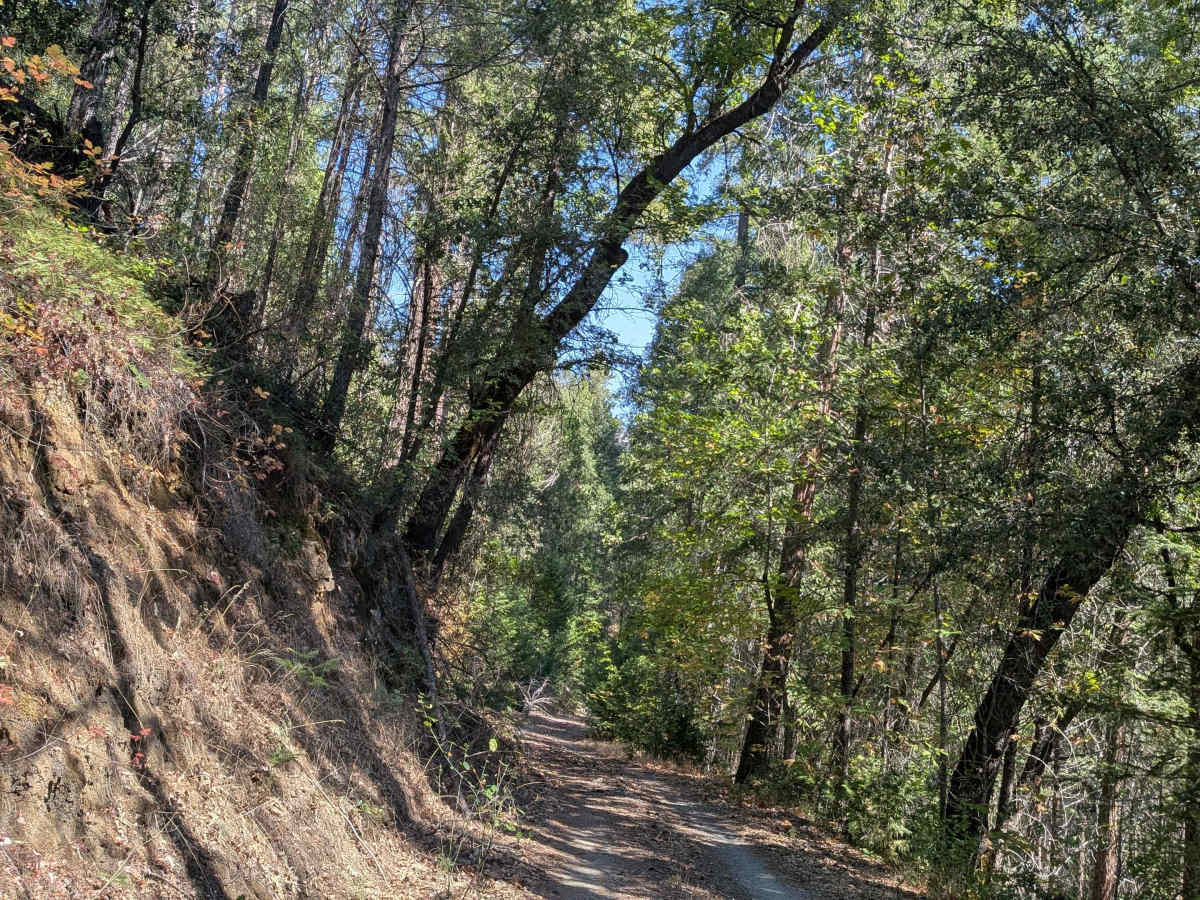
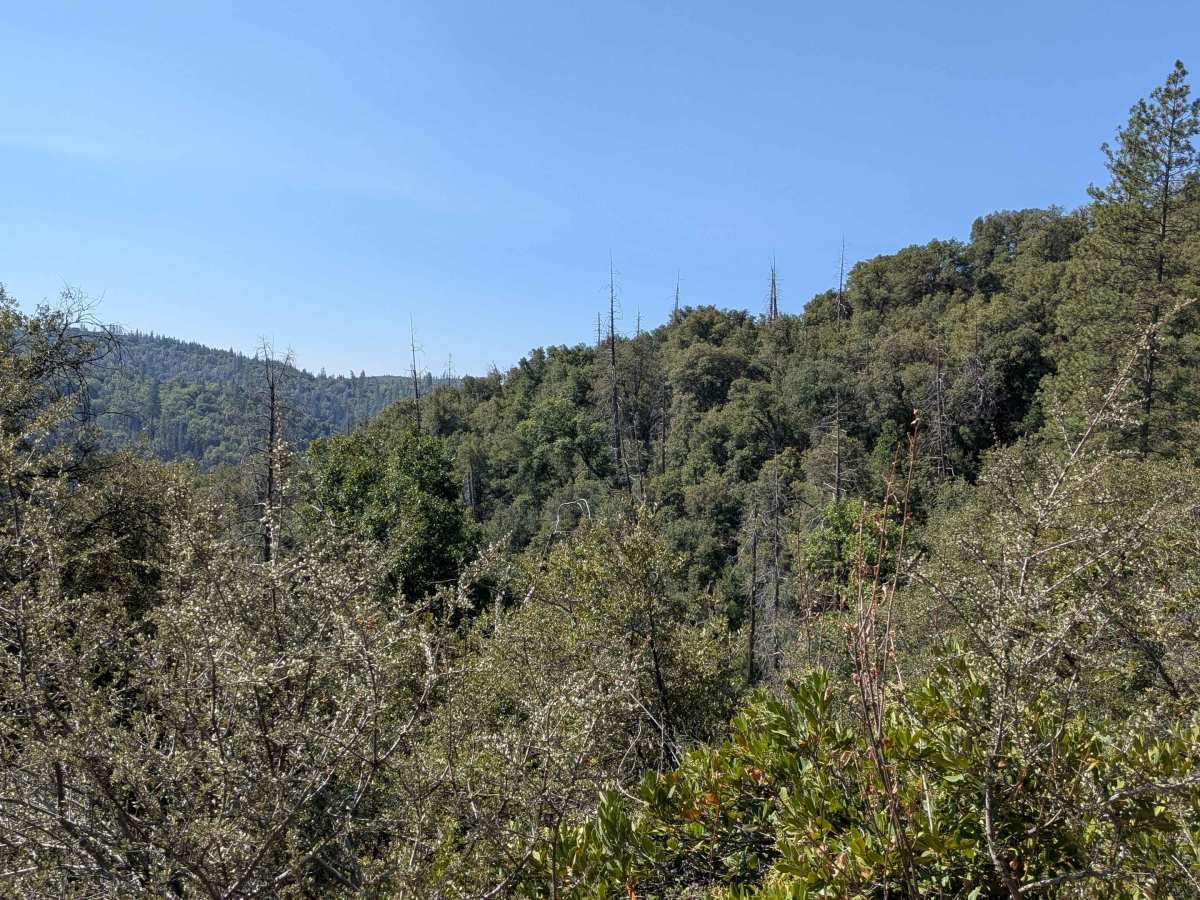
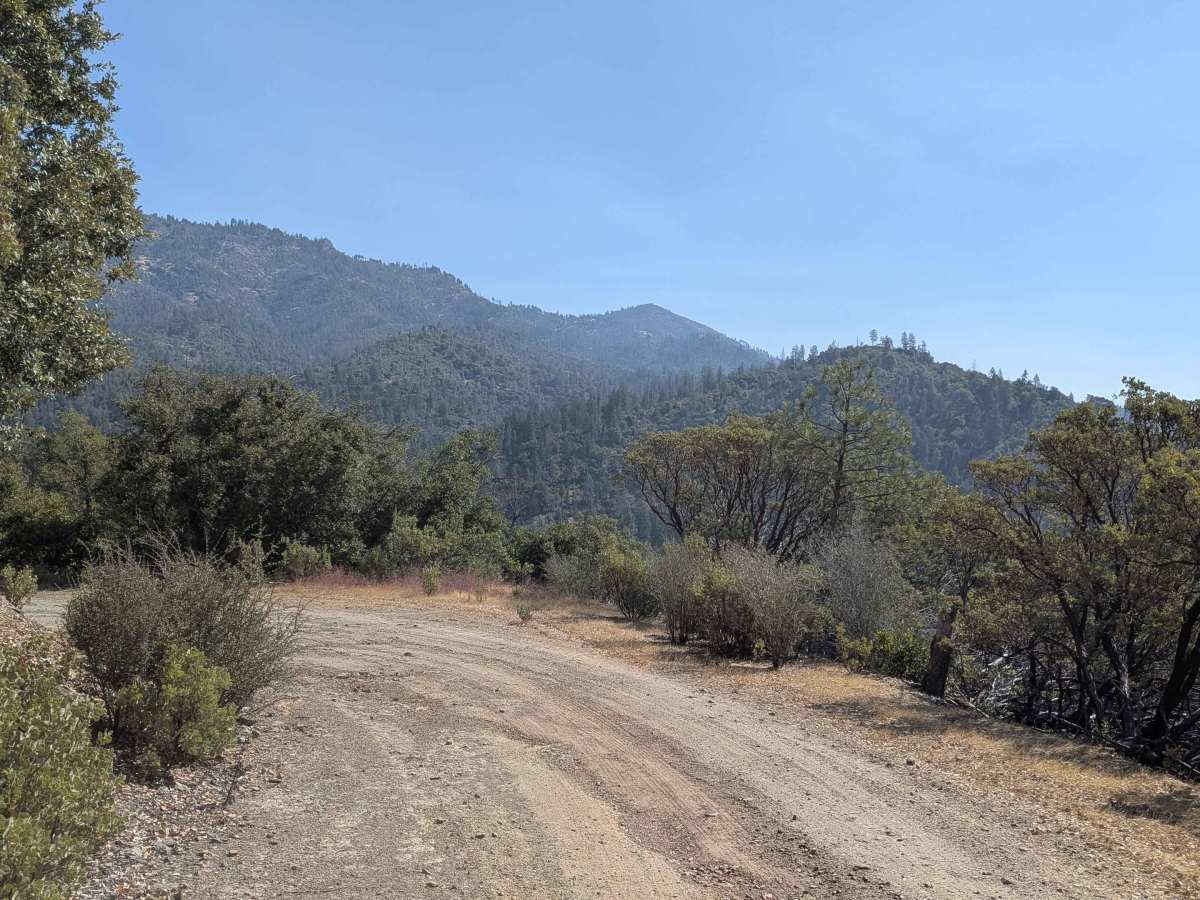
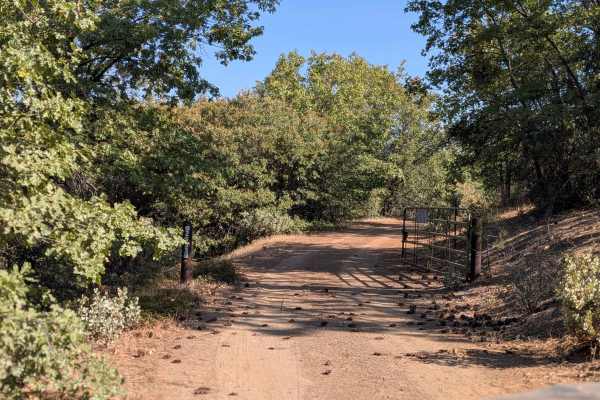
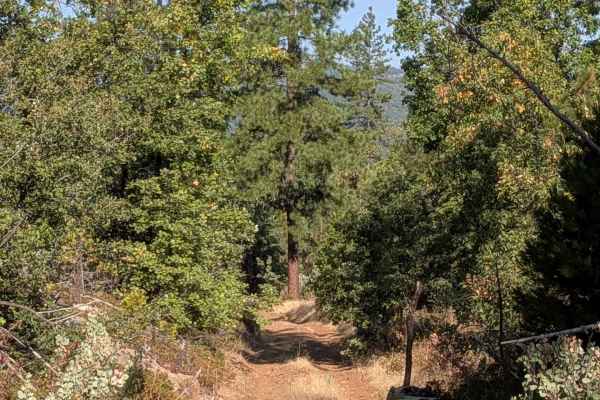
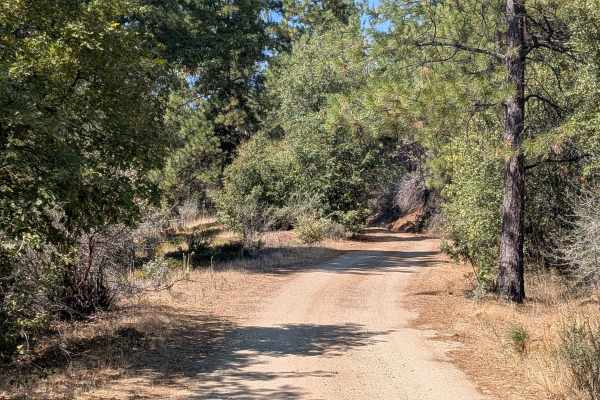
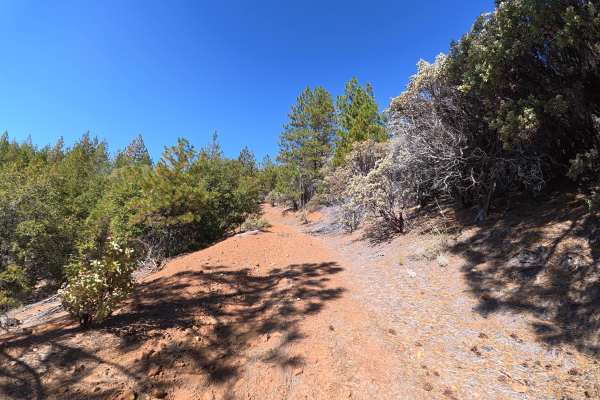
This trail drops almost 900 feet and climbs almost 900 feet over almost 6 miles, starting near the junction of Pilot Ridge and Moore Pilot Ridge and ending at Old Yosemite Coulterville Road. Beginning at Pilot Ridge Road, the route descends quickly on a hard-packed sand and dirt surface that forms a shelf road configuration throughout most of its length. The trail maintains one and a half vehicles in width, lined with manzanita and other trees and flora that create natural corridors with occasional overgrowth that will cause pinstripes on vehicles. The immediate downhill section features ruts that require maneuvering and avoidance, all measuring less than 12 inches deep. The trail winds back and forth along the shelf road above canyons, providing pretty views of the surrounding forest during the descent and subsequent climb. Occasional ruts, bumps, and slightly off-camber sections appear throughout the route, requiring attention but remaining manageable. At mile 1.9, the tree canopy opens up, providing expanded views of the surrounding landscape. Around mile 3.3, another significant downhill section presents more ruts, all under 12 inches in depth. Most of the trail remains covered by trees that block views of hills and canyons, though glimpses throughout the route showcase the beauty both below and above. At mile 4, a small river crossing can fluctuate seasonally, though it was dry during mid-September conditions. Mile 4.5 features deeper ruts along a more narrow shelf road section that increases the technical demands of the route.
Difficulty
Most of this trail receives a difficulty rating of 1 or 2, indicating easy conditions, though some rutted areas increase the rating to 3, still within the easy category. The shelf road configuration with exposure, ruts up to 12 inches deep in multiple sections, slightly off-camber areas, occasional humps, overgrown vegetation causing pinstriping, and the narrow shelf road section at mile 4.5 with deeper ruts creates the technical challenges. Four-wheel drive is not required in dry conditions with good tires, though high clearance vehicles are recommended for navigating the various rutted areas safely. The seasonal river crossing at mile 4 should be evaluated for current conditions, particularly during spring snowmelt periods.

 Offroad