Trail Overview
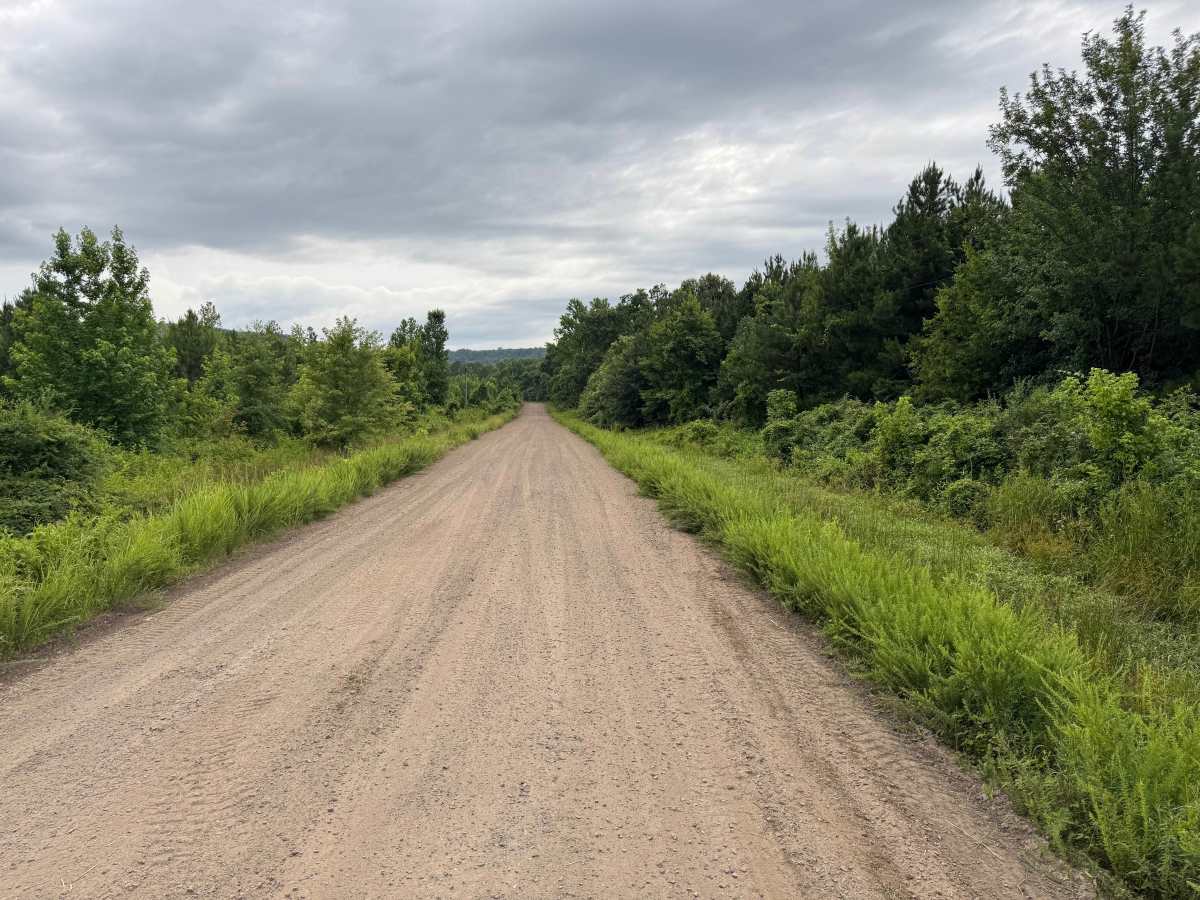
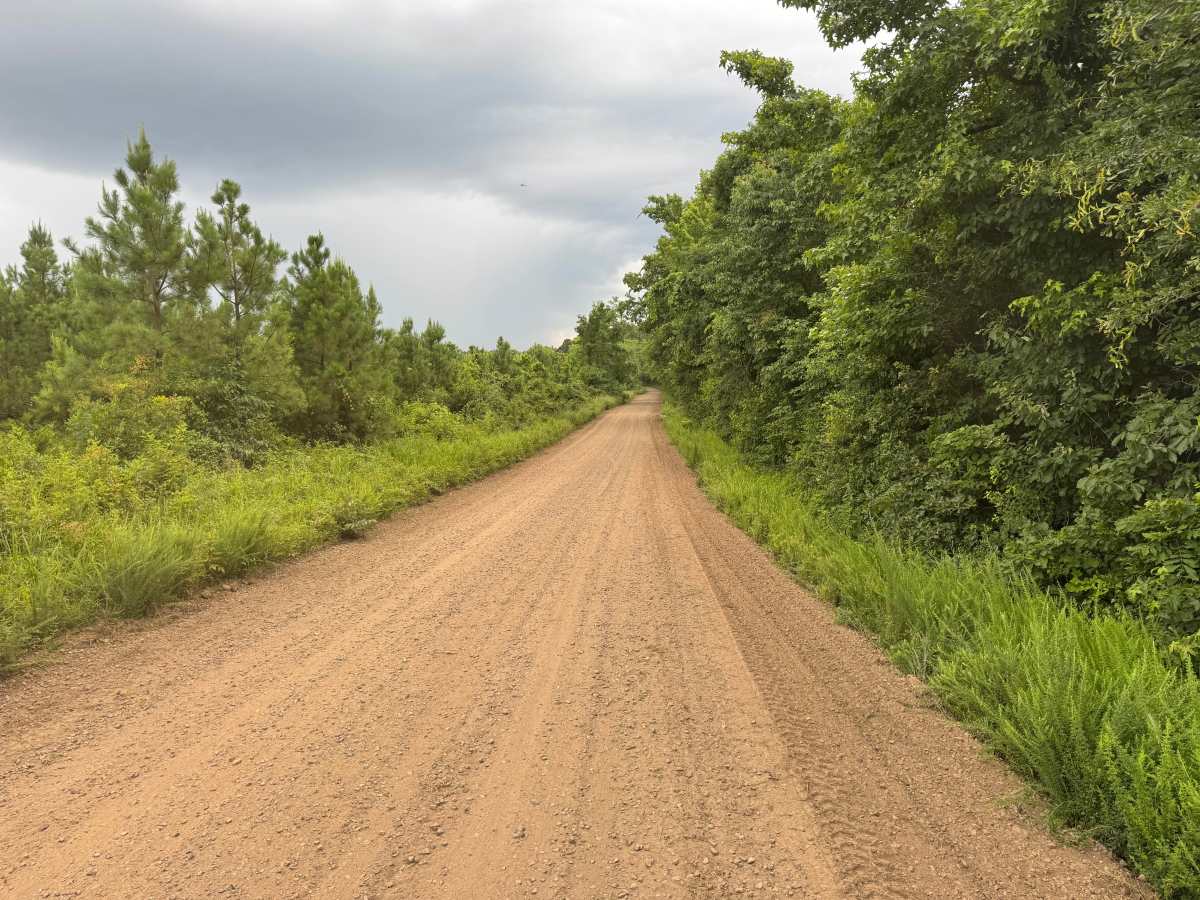
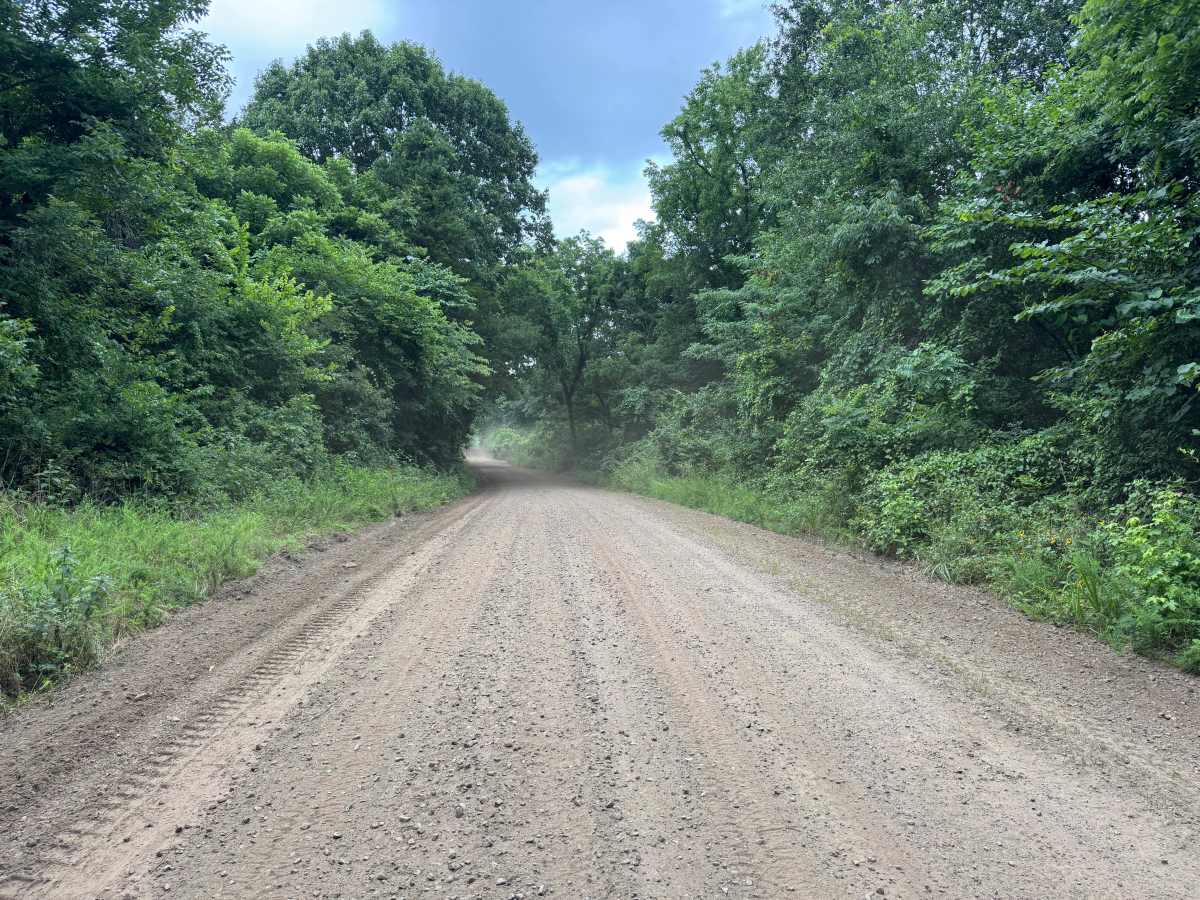
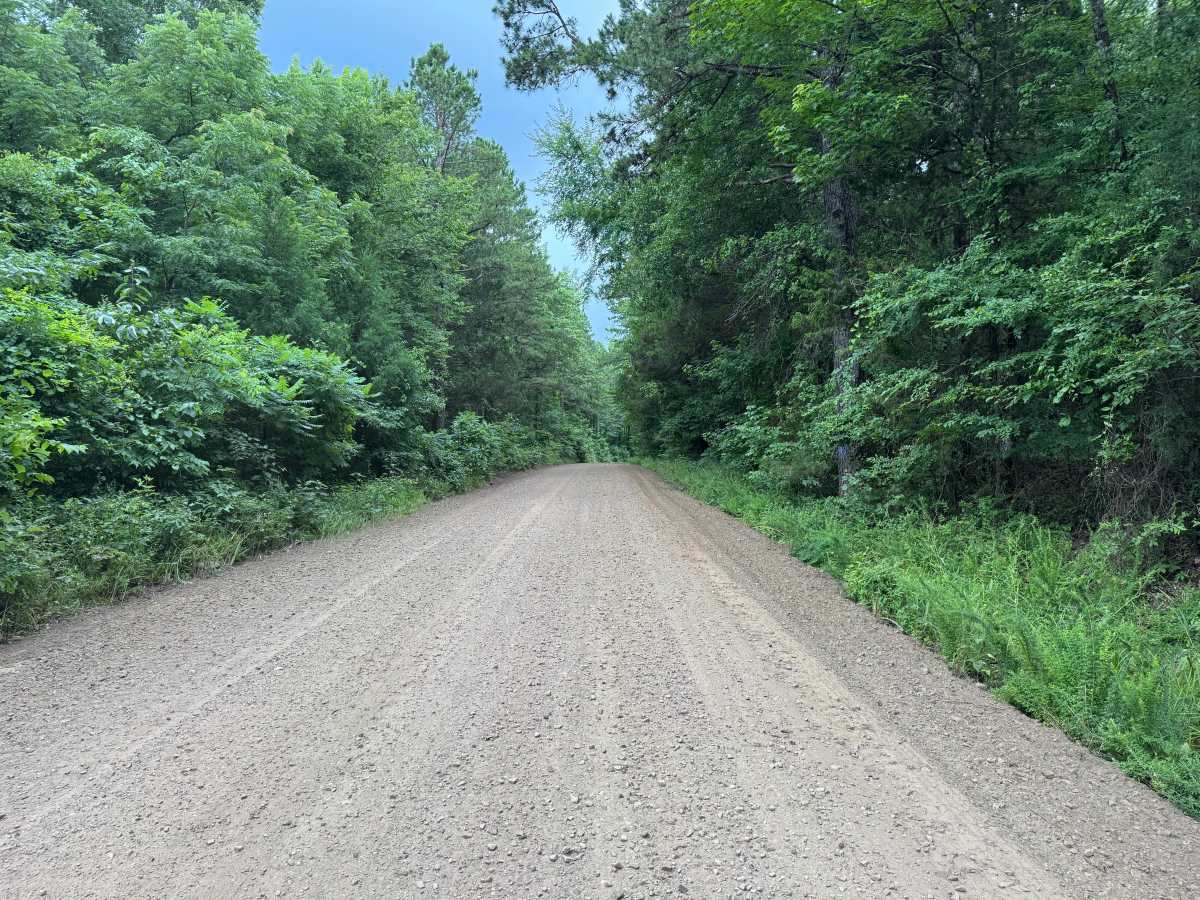
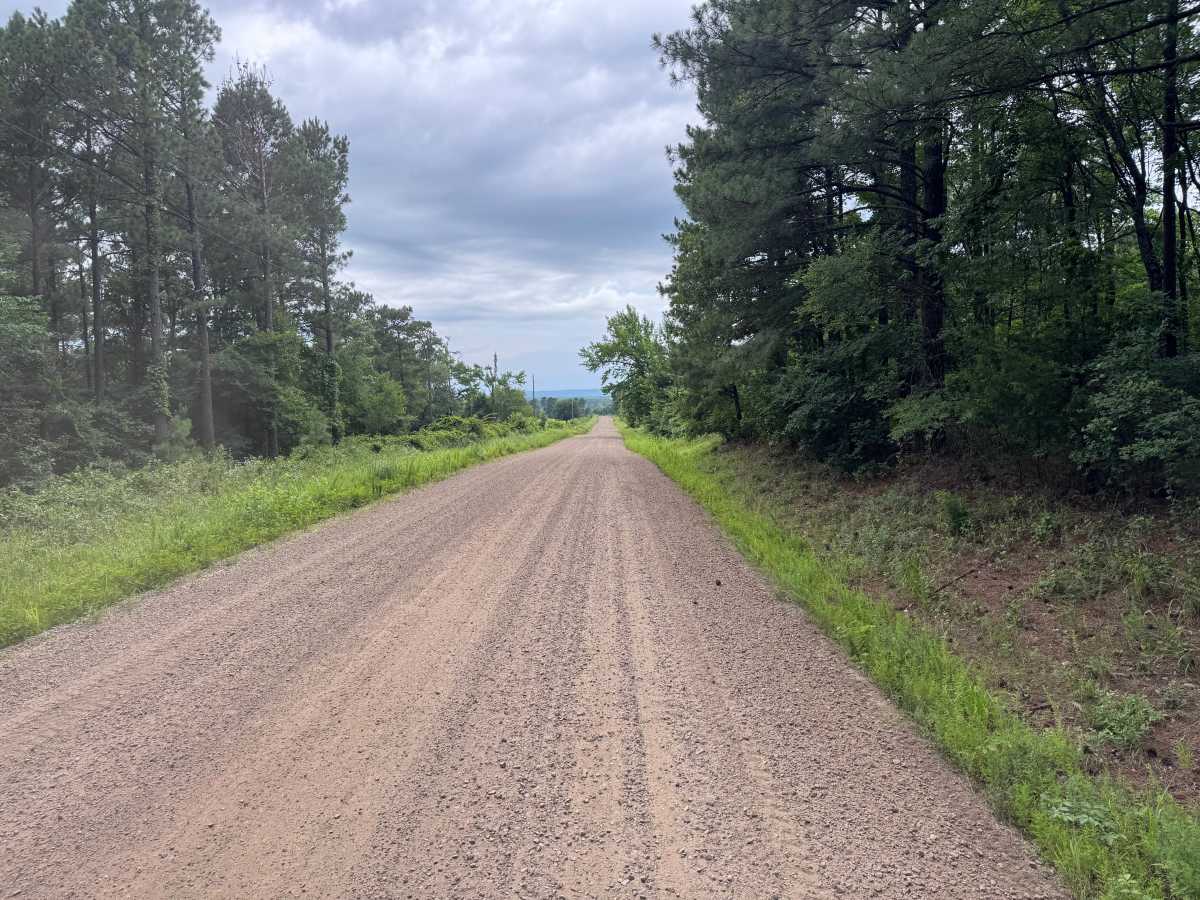
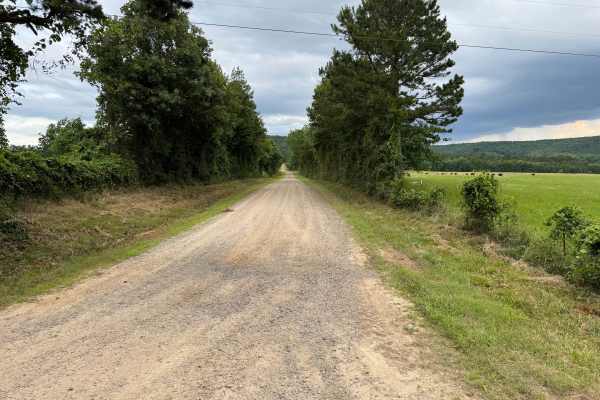
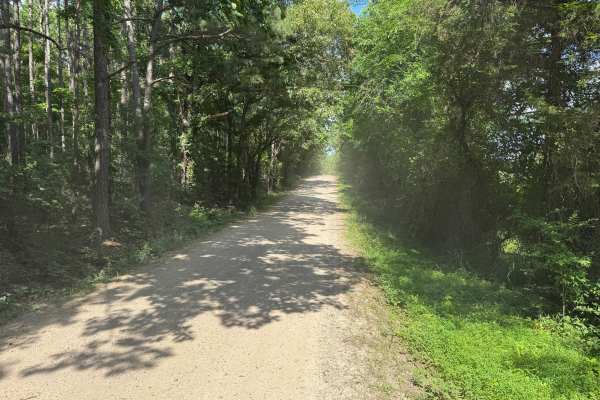
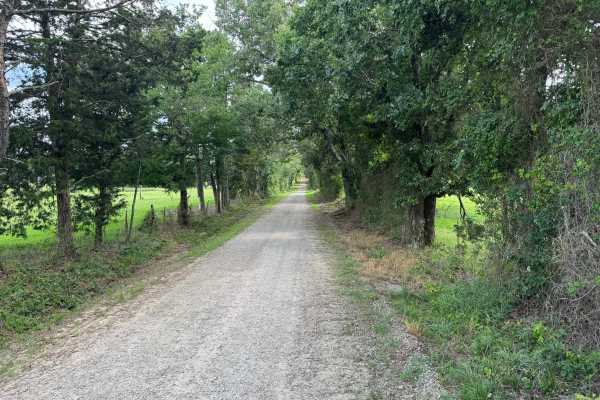
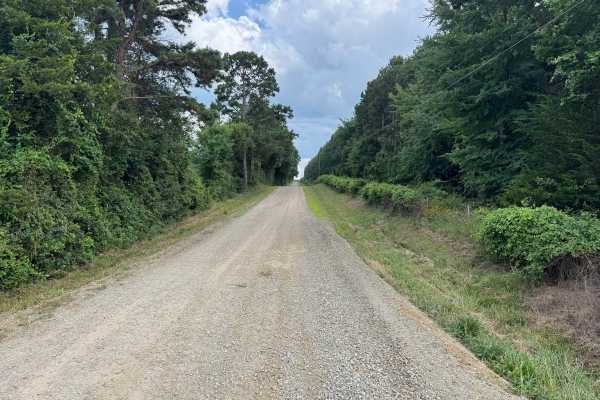
This maintained gravel route provides an easy drive through a diverse mix of open grassy fields and dense hardwood and pine forests. Long straightaways offer views toward the surrounding hills, while tree-lined sections create a secluded feel as the road winds through the countryside. The route is primarily two vehicles wide, making it easy to pass oncoming traffic. There are several blind corners where reduced speeds are recommended, along with a few areas where the road edges have eroded over time. Some washouts are marked, but drivers should still pay attention to avoid dropping a tire off the roadway. Deer, wild turkey, birds, and other wildlife are commonly seen along the route. Aside from these minor hazards, there are no significant obstacles, making this an enjoyable scenic drive for most vehicles.
Difficulty
The road is primarily two vehicles wide with a smooth gravel surface and no technical obstacles. Drivers should remain alert for blind corners, minor shoulder washouts, and wildlife, but there are no steep climbs, water crossings, or rocky sections. The route is an excellent choice for beginners or anyone looking for a relaxing scenic drive through the Ozark countryside.
History
The Ozark National Forest was established in 1908 and today forms part of the Ozark-St. Francis National Forests, protecting more than one million acres across northern Arkansas. Many of the Forest Service roads traveled today began as logging, fire access, or resource management roads before becoming part of the modern recreation network. Forest management continues to play an important role in maintaining healthy ecosystems through timber management, prescribed fire, wildlife habitat restoration, and watershed protection. The rugged Boston Mountains and surrounding Ozark Highlands remain one of the oldest and most geologically significant mountain regions in North America, offering visitors a unique combination of natural beauty and rich forest history.