Trail Overview
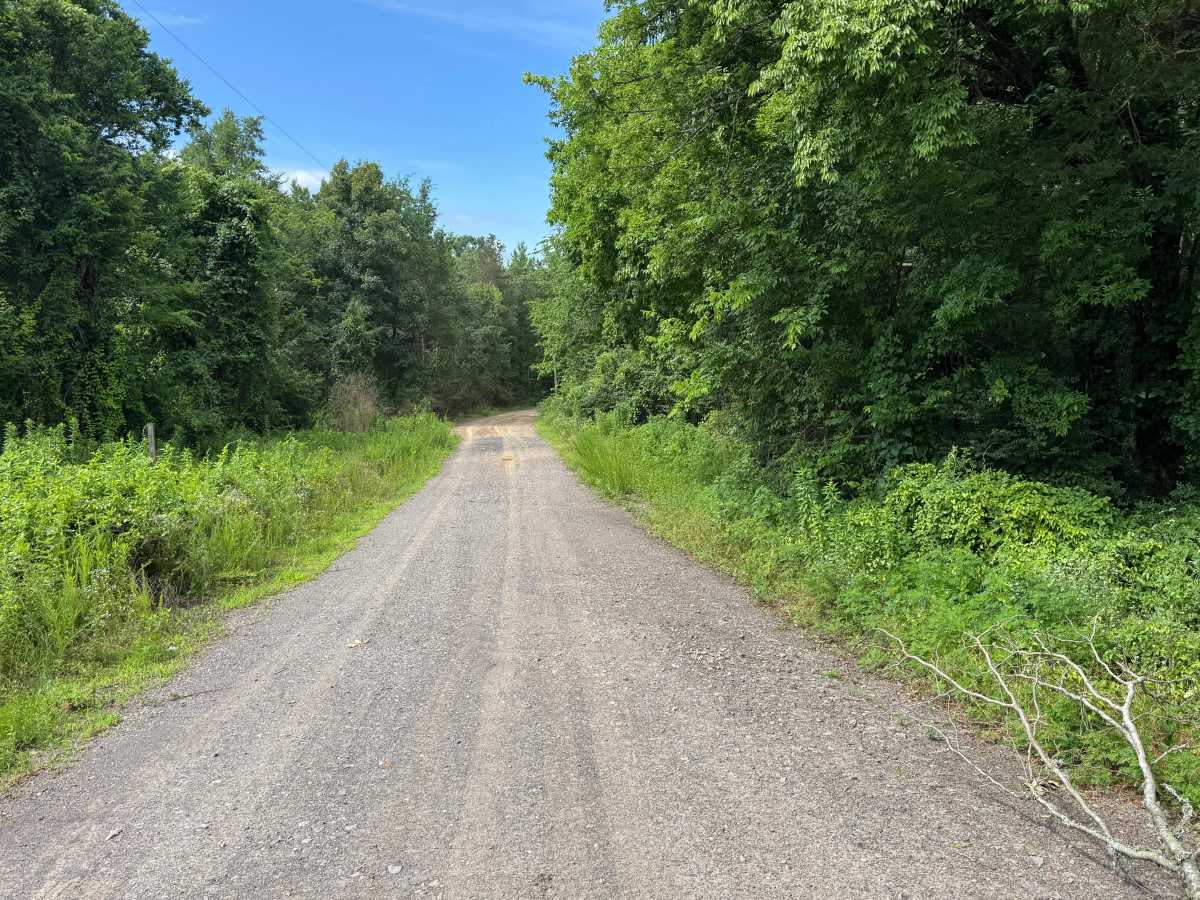
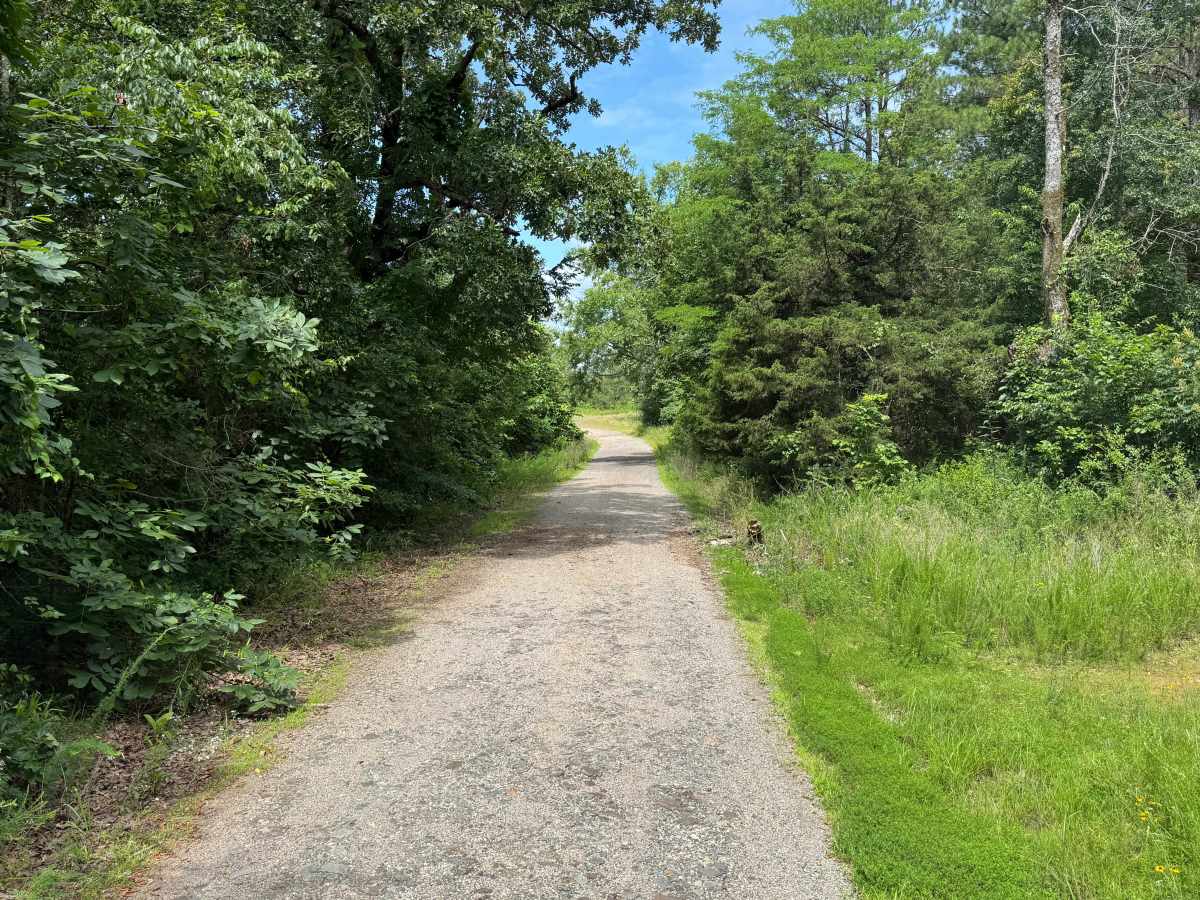
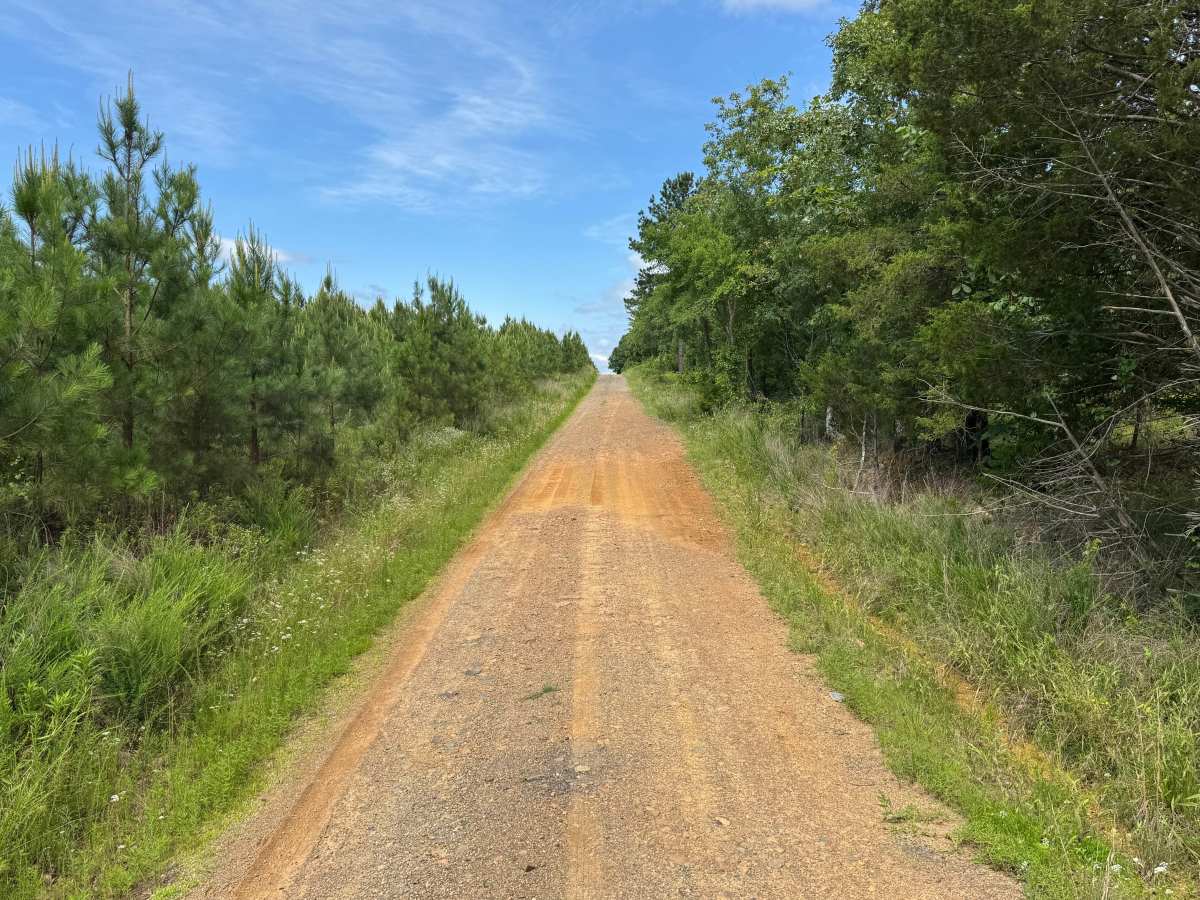
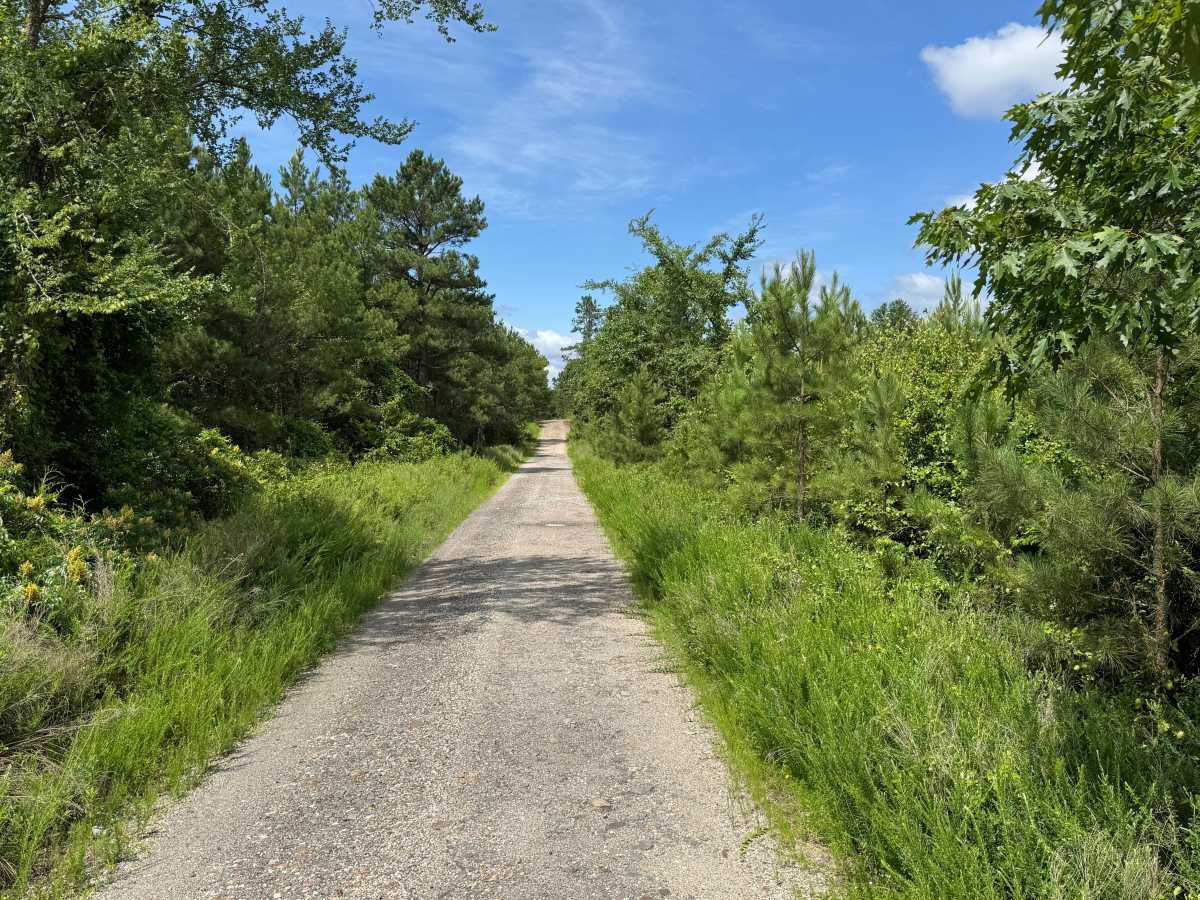
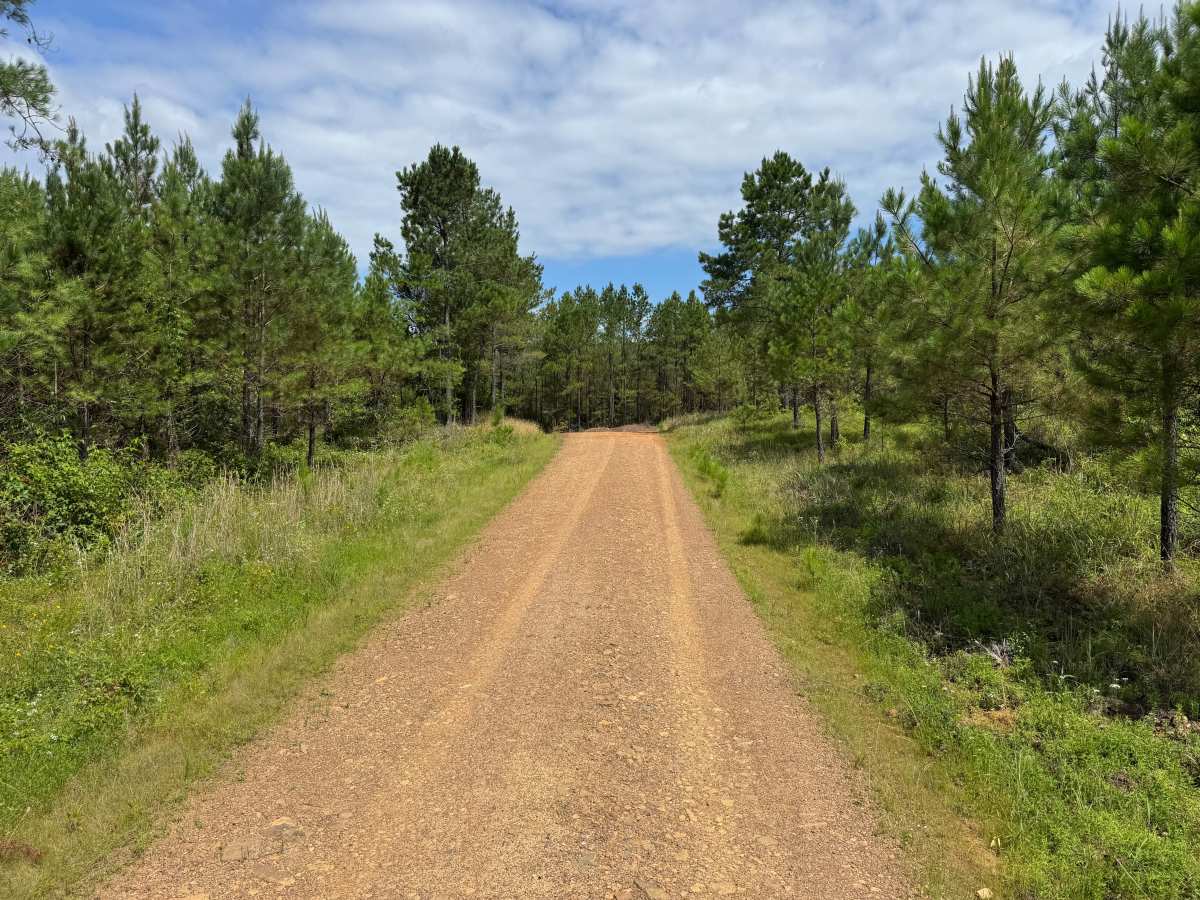
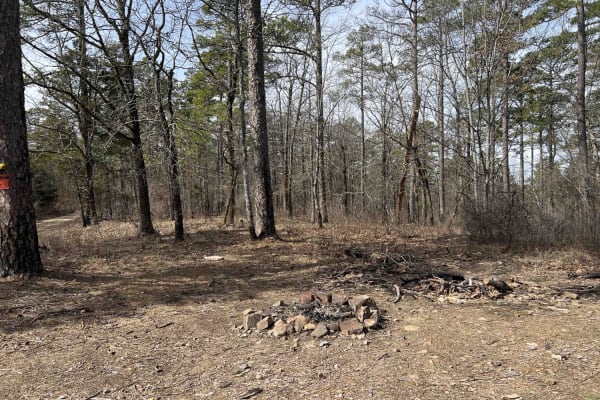
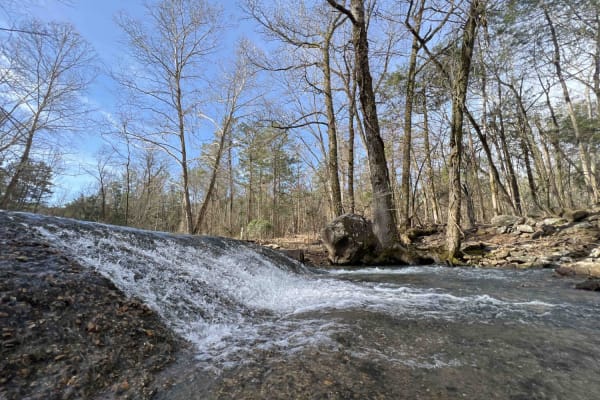
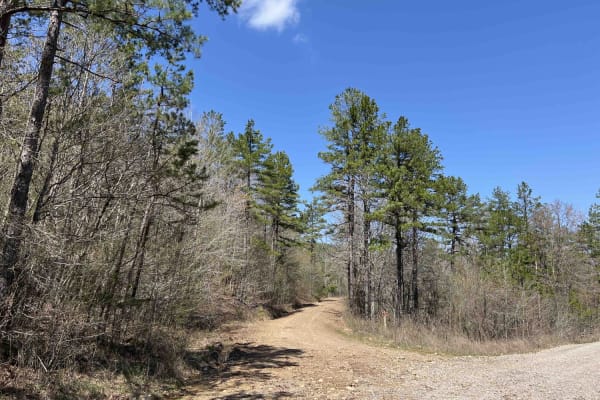
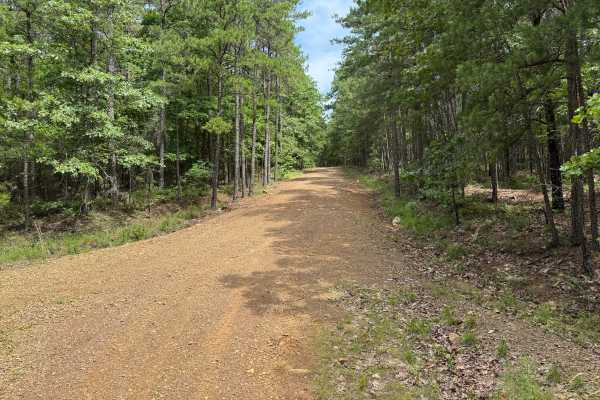
This scenic route begins near Highway 27 and travels through a mixture of mature hardwood timber, pines, and active timber management areas before connecting with County Road 1 and County Road 613. While the route remains relatively easy, its narrow width and remote setting provide a true backcountry driving experience. The road is generally limited to a single vehicle width, with only a handful of locations suitable for passing oncoming traffic. Drivers should use caution around blind corners, as visibility can be limited and encounters with other vehicles may occur unexpectedly. The route also passes through active logging areas where logging trucks and equipment may be present. Many side roads branching from the route are currently blocked due to ongoing logging operations. The surface consists primarily of compacted gravel with occasional dirt sections. Most of the route remains firm in dry conditions, but several softer areas near County Road 1 can become loose or muddy after rainfall. These sections may present traction challenges for two-wheel-drive vehicles, particularly those equipped with highway-oriented tires. Several concrete low-water crossings are located along the route. While typically easy to cross, they should be approached cautiously after periods of heavy rain. Wildlife is common throughout the area, and deer frequently cross the route. Overall, this is an enjoyable forest drive that offers peaceful scenery and a glimpse into the region's logging industry while remaining accessible to most stock vehicles.
Difficulty
There are no technical obstacles, rock ledges, deep ruts, or steep climbs. The primary considerations are the narrow roadway, blind corners, occasional soft spots, logging traffic, and seasonal weather impacts.
History
The Ouachita National Forest was established in 1907 and is recognized as the oldest national forest in the southern United States. Many roads found throughout the forest today originated as logging, timber management, fire access, or resource extraction routes before becoming part of the modern Forest Service road network. Forest management remains an important part of the landscape, and travelers may encounter evidence of prescribed burns, timber thinning, and habitat restoration efforts. The Ouachita Mountains themselves are among the oldest mountain ranges in North America and are notable for their unique east-west orientation.