Trail Overview
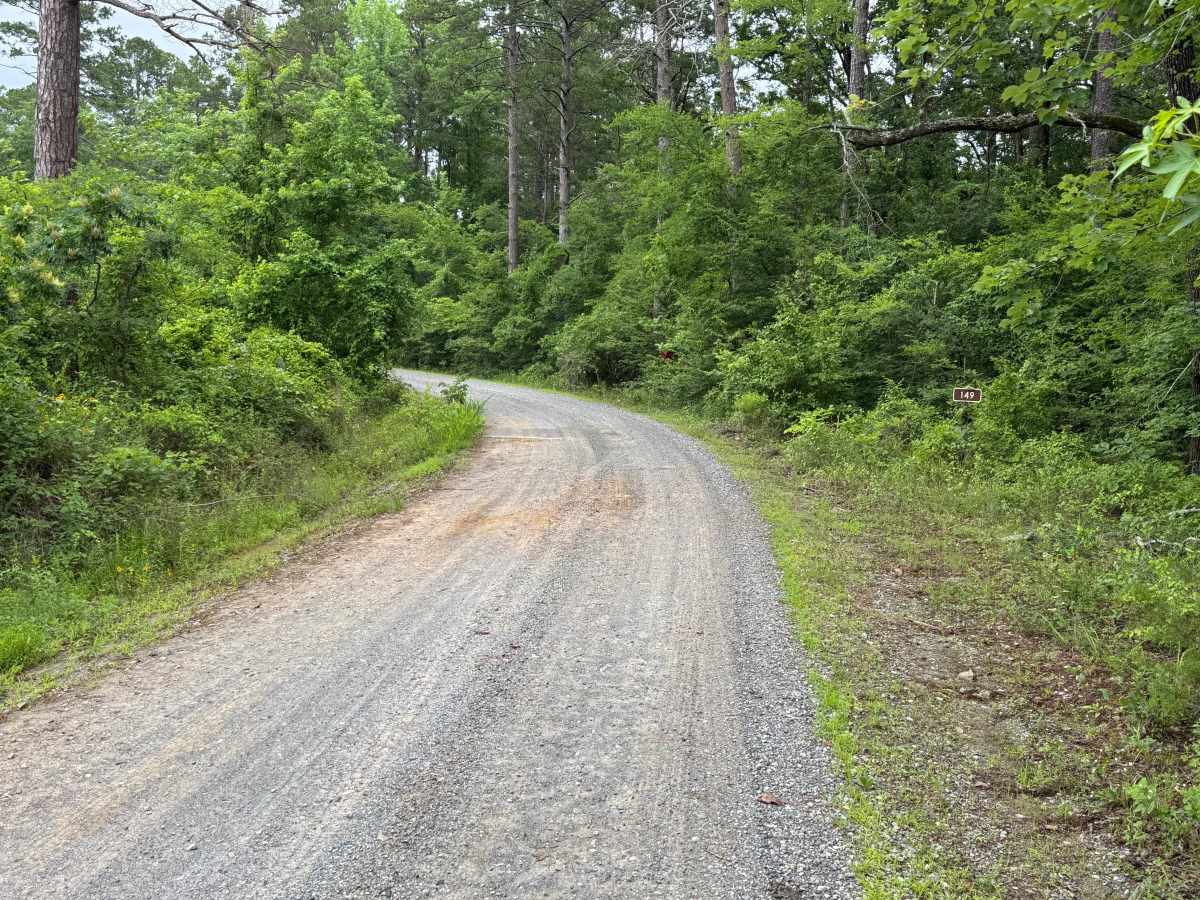
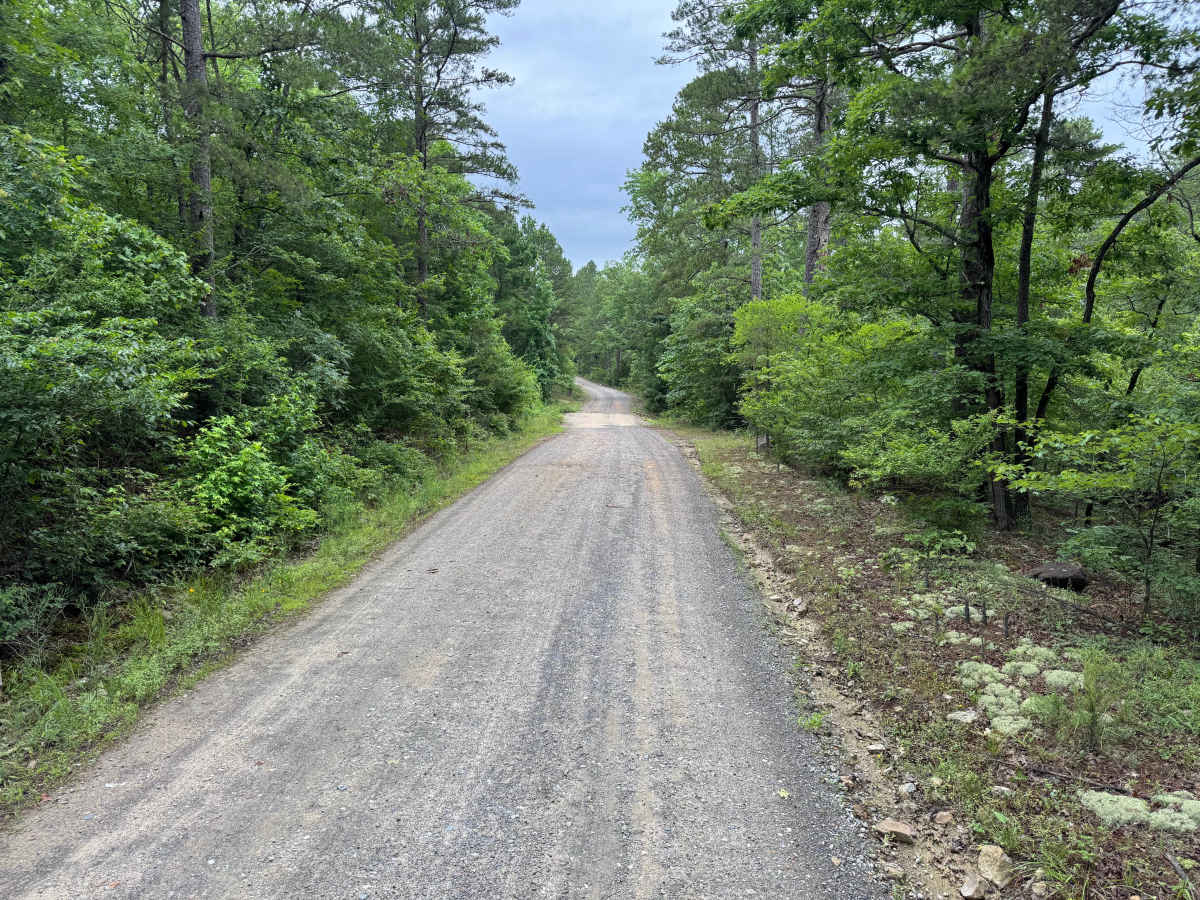
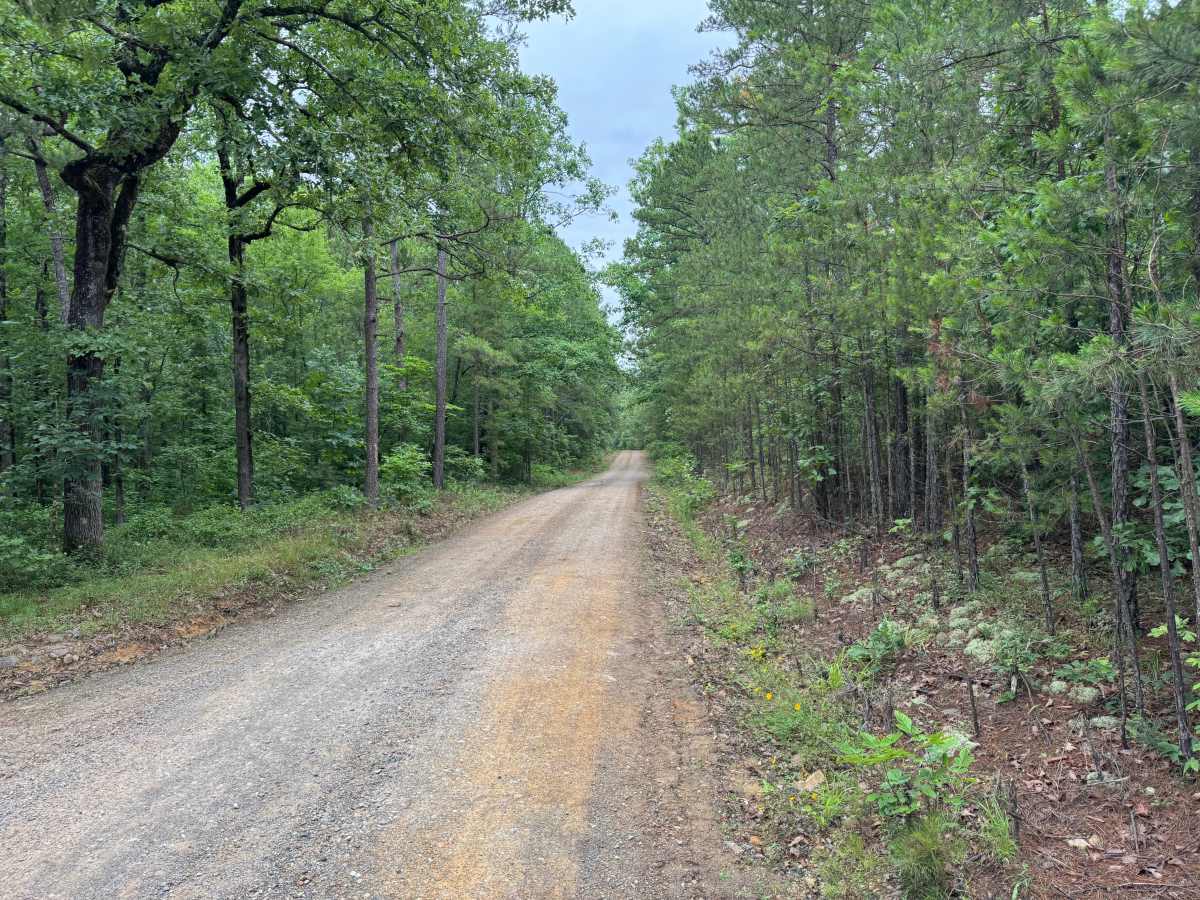
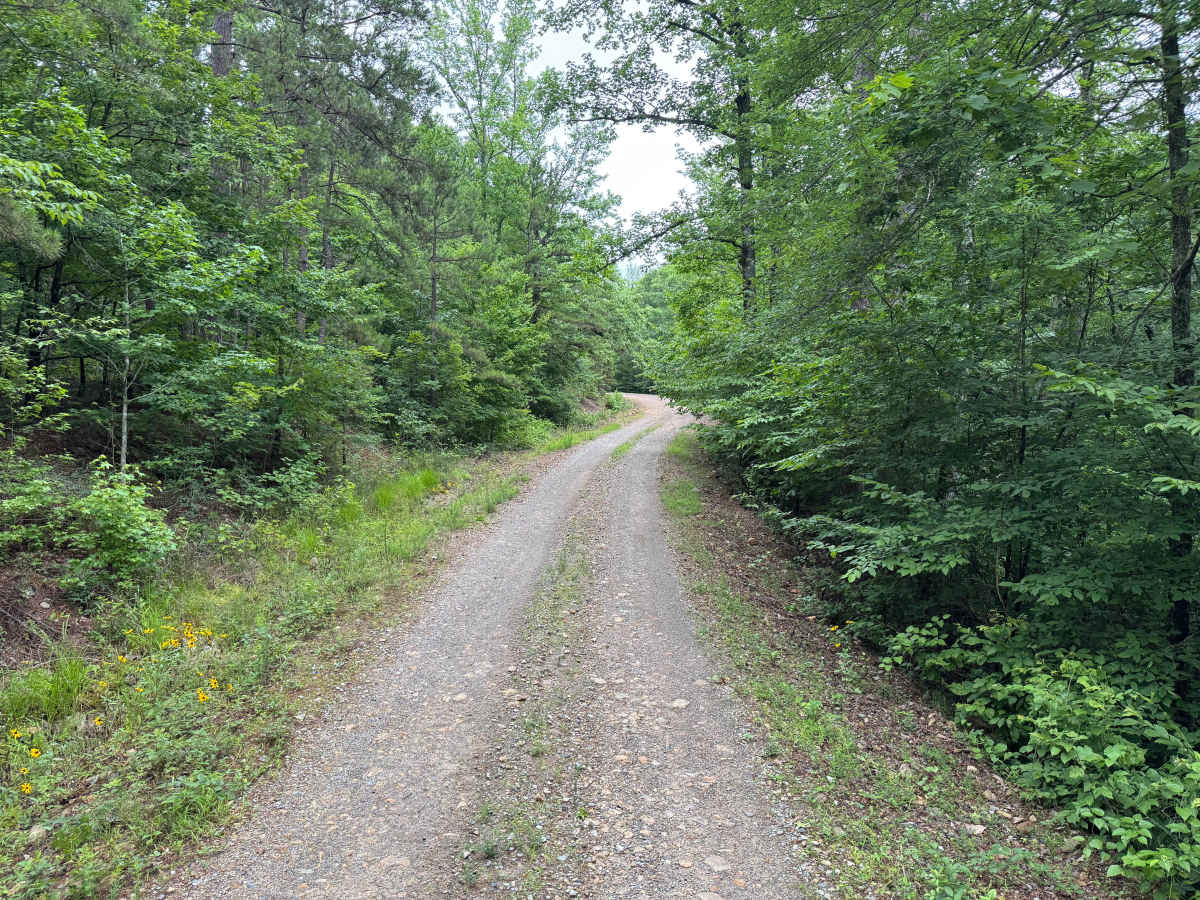
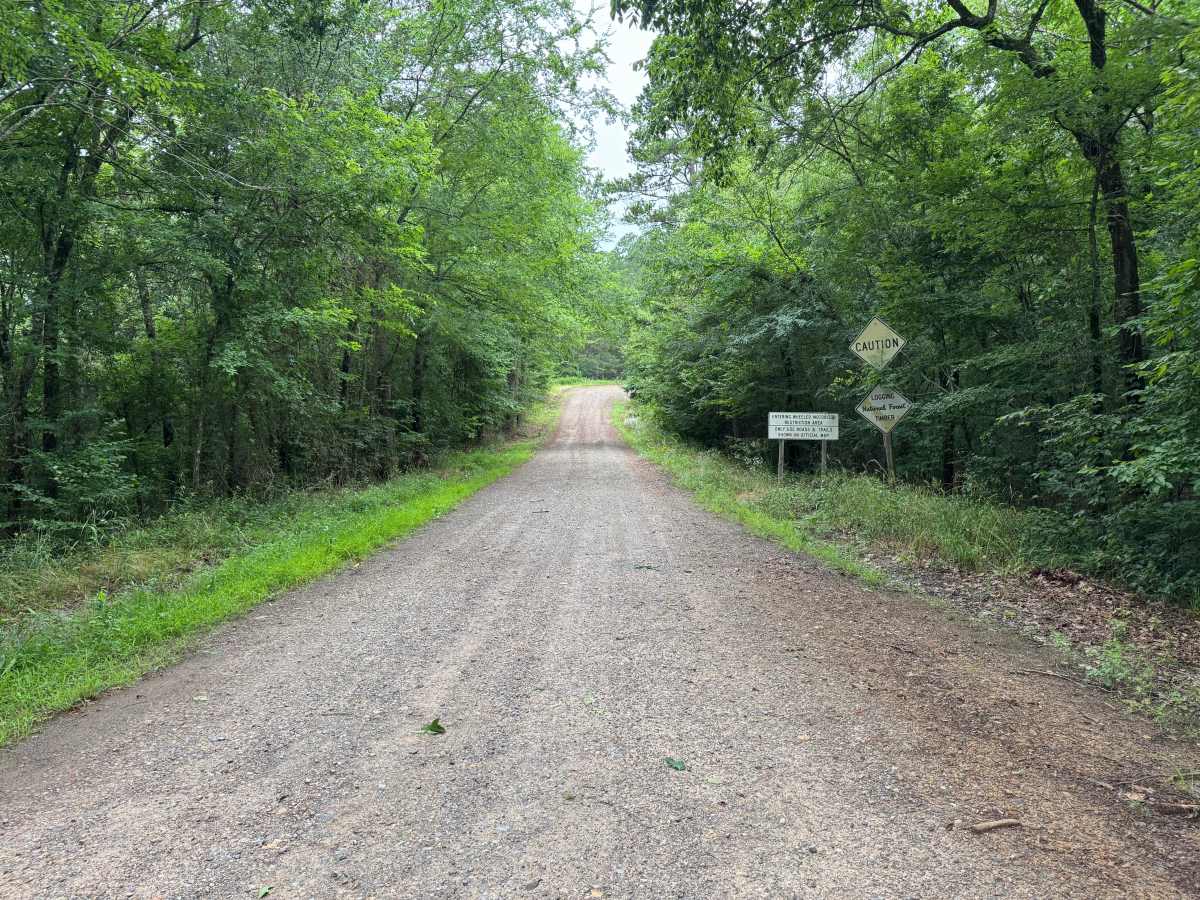
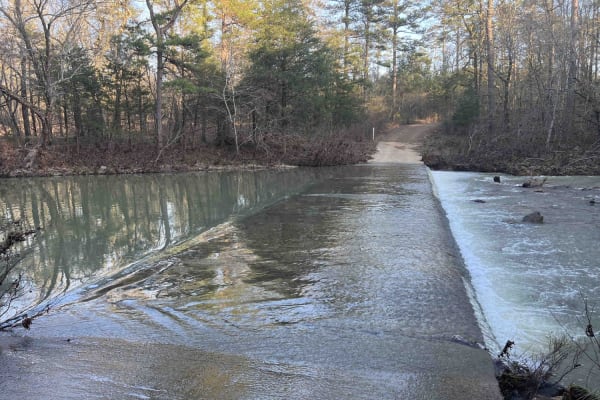
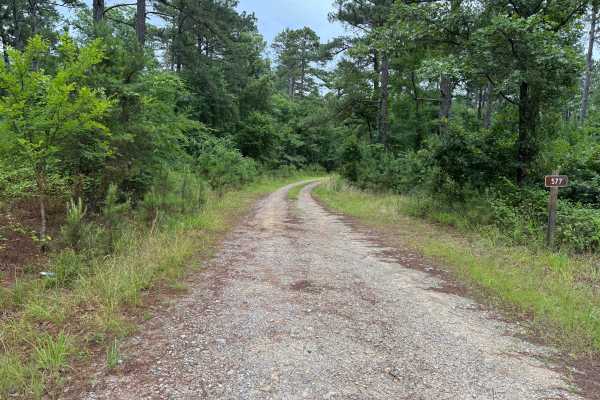
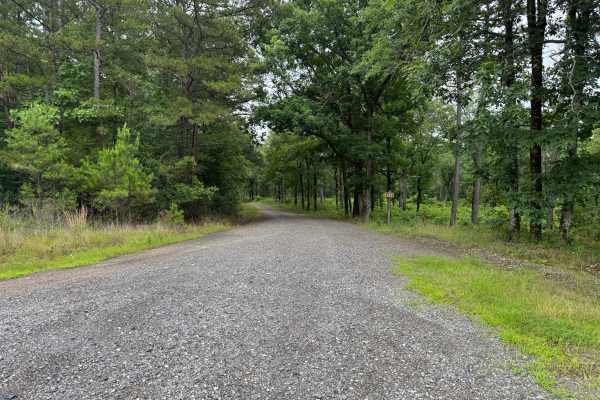
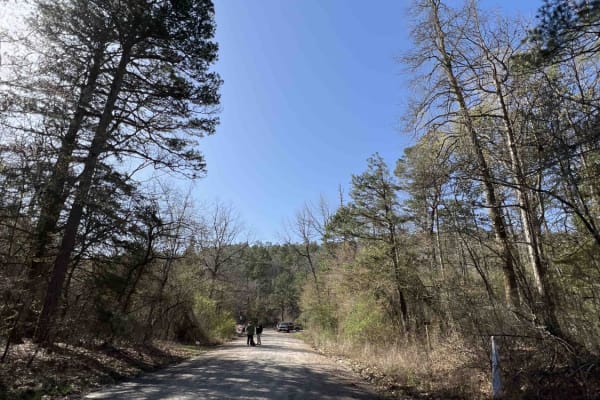
This scenic forest route winds through a mixture of mature hardwoods and pines, offering a peaceful drive through a remote section of the Ouachita region. The road is generally well maintained and easy to follow, making it suitable for nearly any high-clearance vehicle and even most passenger vehicles. The route remains relatively narrow for much of its length, often only one to one-and-a-half vehicles wide. Drivers should be prepared to slow down around blind corners and limited sightlines, particularly when meeting oncoming traffic. Several low-water crossing style concrete bridges are found along the route. The water crossings were dry and posed no difficulty, but water levels may increase following periods of heavy rainfall. Vegetation grows close to the route in several sections, creating the possibility of light pinstriping from overhanging branches and brush. Wildlife is common throughout the area, and the dense forest canopy provides excellent scenery year-round. While there are no technical obstacles or challenging terrain features, the narrow road width, occasional blind curves, and encroaching vegetation require attentive driving. This route serves as an enjoyable backcountry connector through a quiet forest setting.
Difficulty
No significant obstacles, steep climbs, deep ruts, or technical features were observed. The primary considerations are the narrow roadway, potential pinstriping from vegetation, and low-water crossings that may become more challenging during wet conditions.
History
The Ouachita National Forest was established in 1907 and is recognized as the oldest national forest in the southern United States. Many roads found throughout the forest today originated as logging, timber management, fire access, or resource extraction routes before becoming part of the modern Forest Service road network. Forest management remains an important part of the landscape, and travelers may encounter evidence of prescribed burns, timber thinning, and habitat restoration efforts. The Ouachita Mountains themselves are among the oldest mountain ranges in North America and are notable for their unique east-west orientation.