Trail Overview
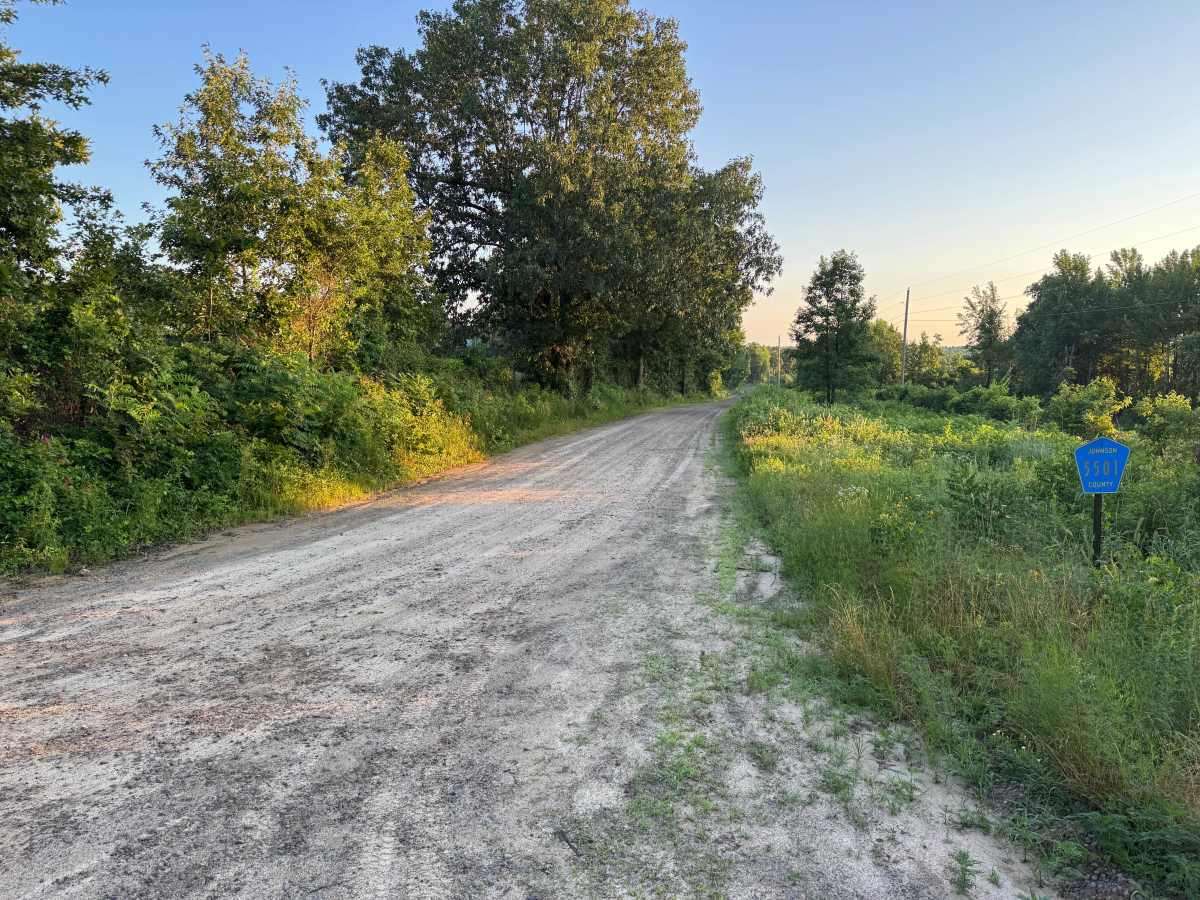
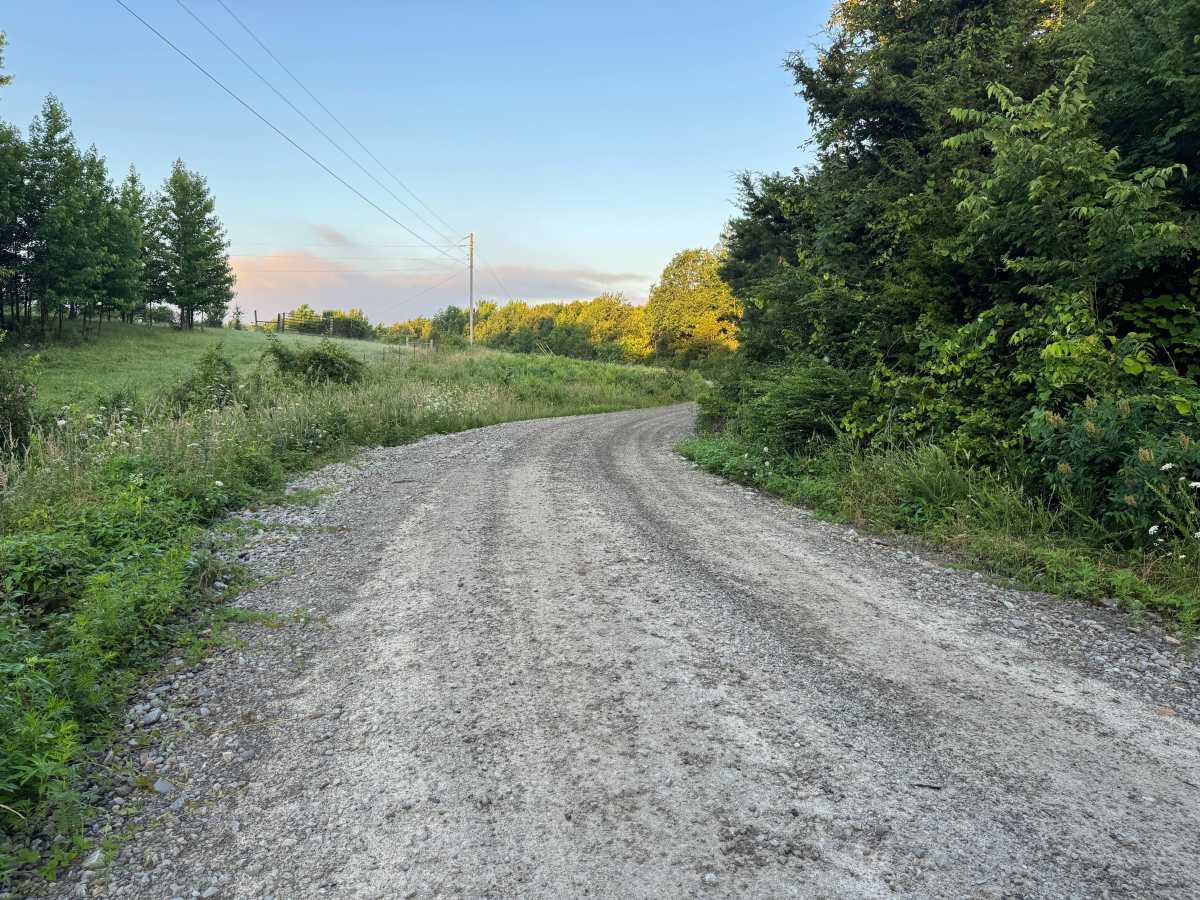
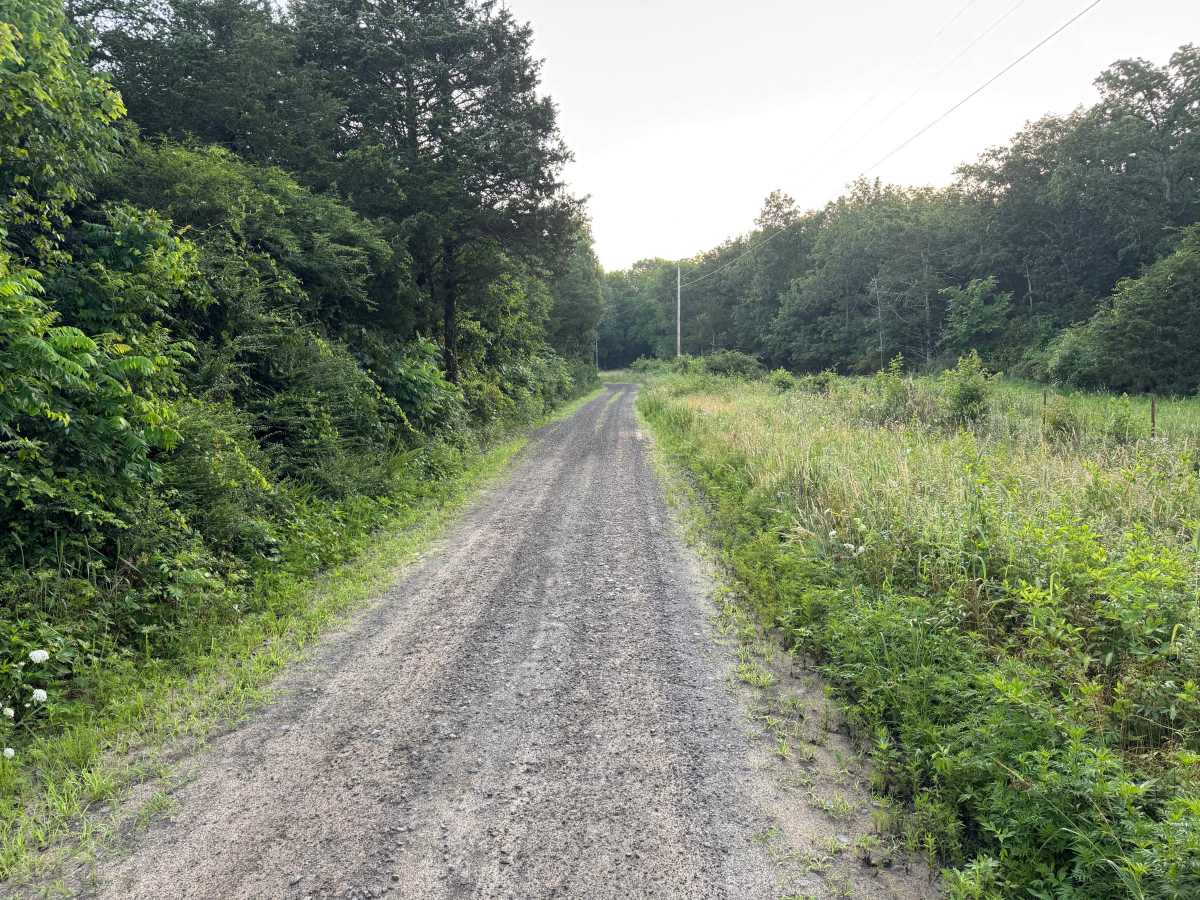
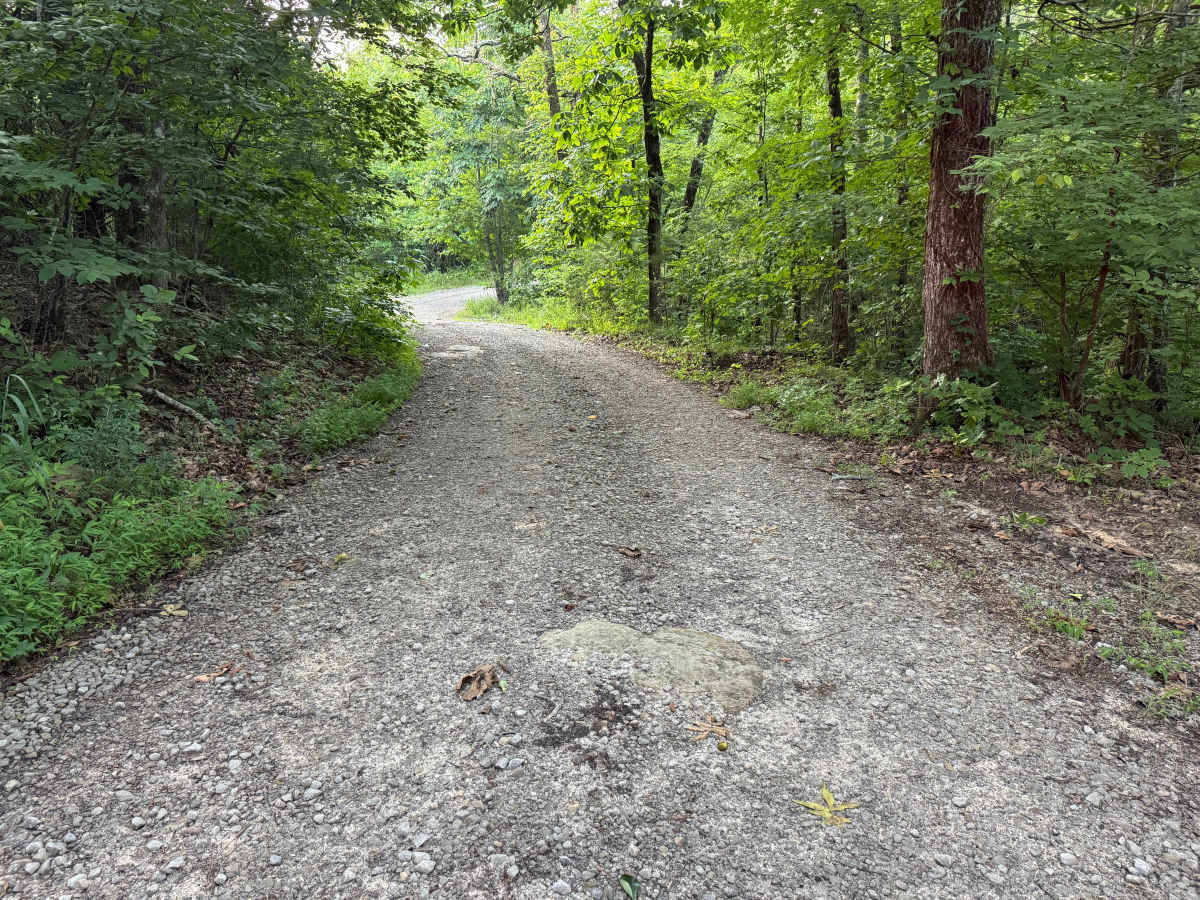
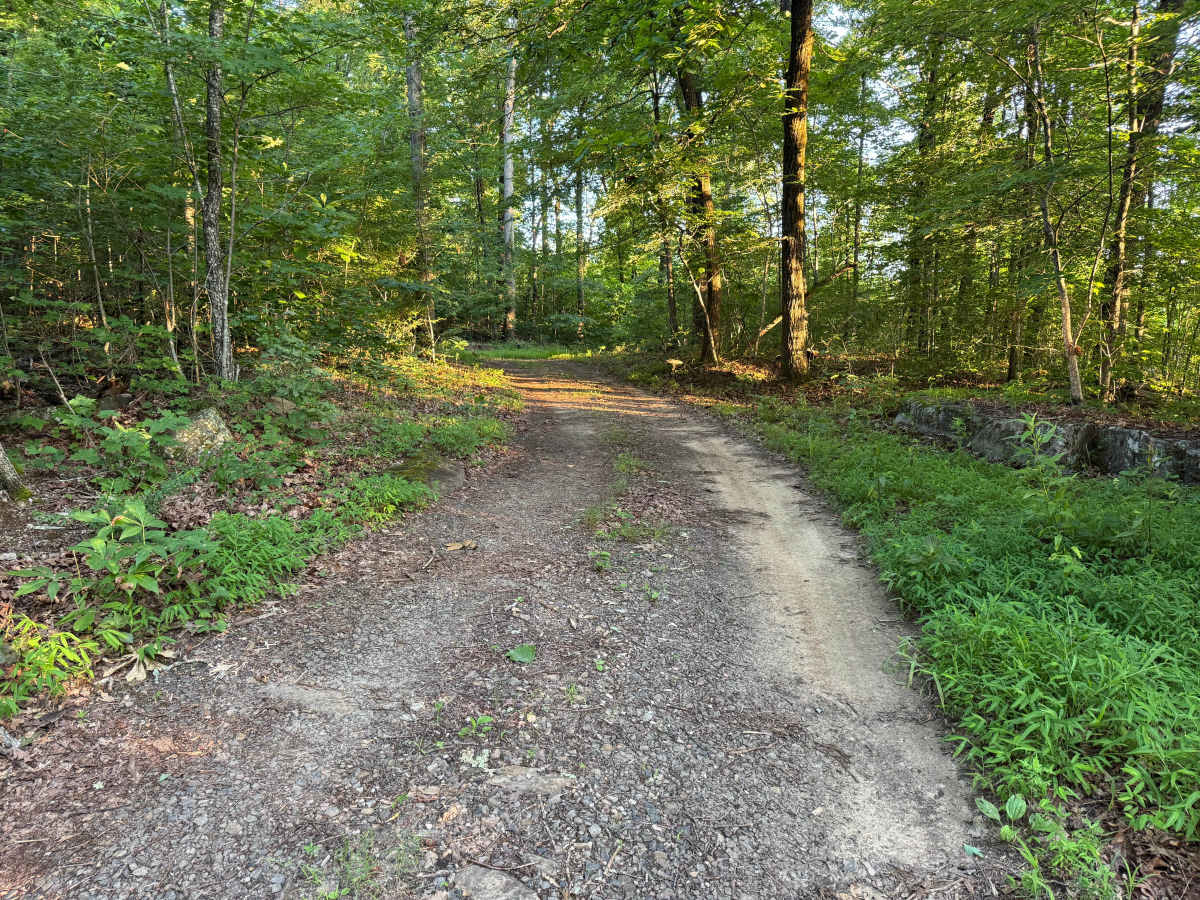
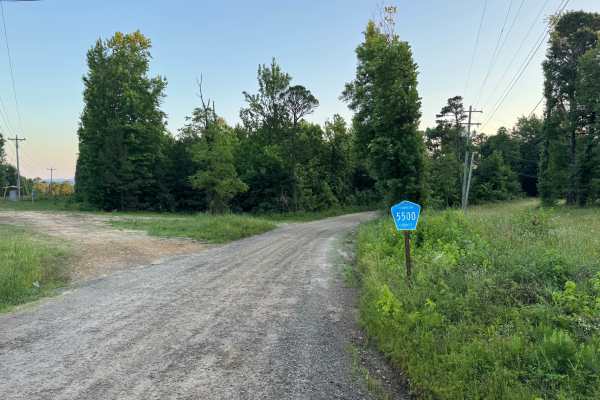
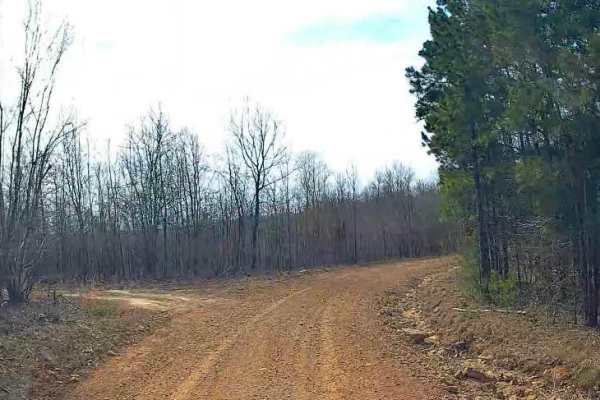
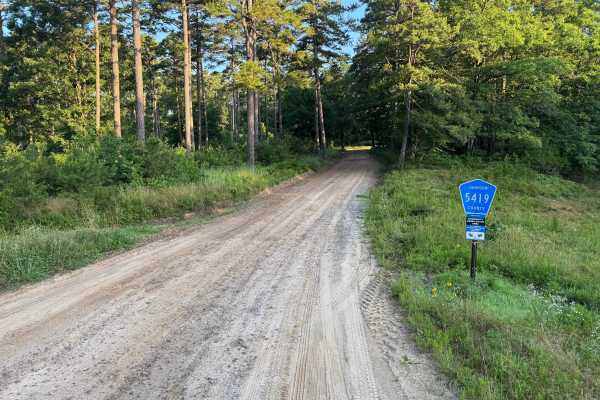
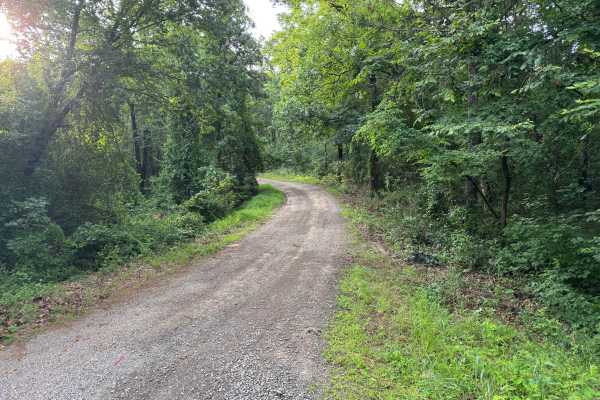
This out-and-back route follows a quiet gravel road through a mix of hardwood forest, open fields, and rolling countryside. The road is generally one vehicle wide, though there are several wider sections where vehicles can safely pull over to allow oncoming traffic to pass. The drive is easy, with only shallow whoops, small erosion ruts, and occasional dips created by rainwater. The scenery transitions between shaded wooded corridors, sunlit meadows, and gently curving sections lined with mature trees, creating a relaxing drive with changing views throughout the route. As you travel farther in, large moss-covered sandstone boulders begin appearing alongside the road, adding a unique natural feature that stands out against the surrounding forest. The route ends at a locked gate marking the boundary of private property, where there is adequate room to turn around. Be respectful of all posted private property, watch for wildlife crossing the roadway, and be aware that fallen trees may occasionally block the route after storms.
Difficulty
This route follows a maintained gravel road with a few shallow whoops, minor water erosion, and small ruts that are easily negotiated by any high-clearance vehicle. While the road is mostly one vehicle wide, there are several pull-offs for passing, and the primary hazards are occasional downed trees, wildlife, and the closed gate at the end where you must turn around.
History
The Ozark National Forest was established in 1908 and today forms part of the Ozark-St. Francis National Forests, protecting more than one million acres across northern Arkansas. Many of the Forest Service roads traveled today began as logging, fire access, or resource management roads before becoming part of the modern recreation network. Forest management continues to play an important role in maintaining healthy ecosystems through timber management, prescribed fire, wildlife habitat restoration, and watershed protection. The rugged Boston Mountains and surrounding Ozark Highlands remain one of the oldest and most geologically significant mountain regions in North America, offering visitors a unique combination of natural beauty and rich forest history.

 Offroad