Trail Overview
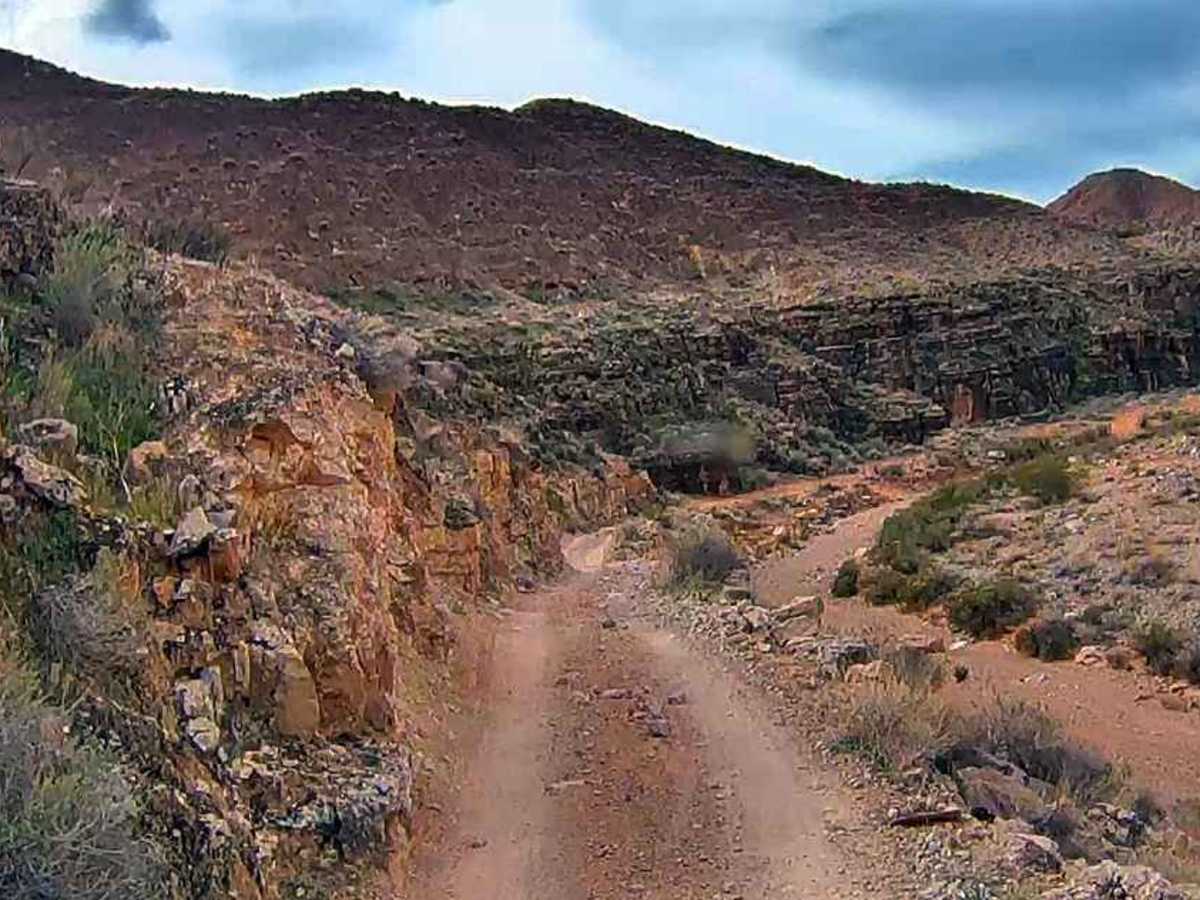
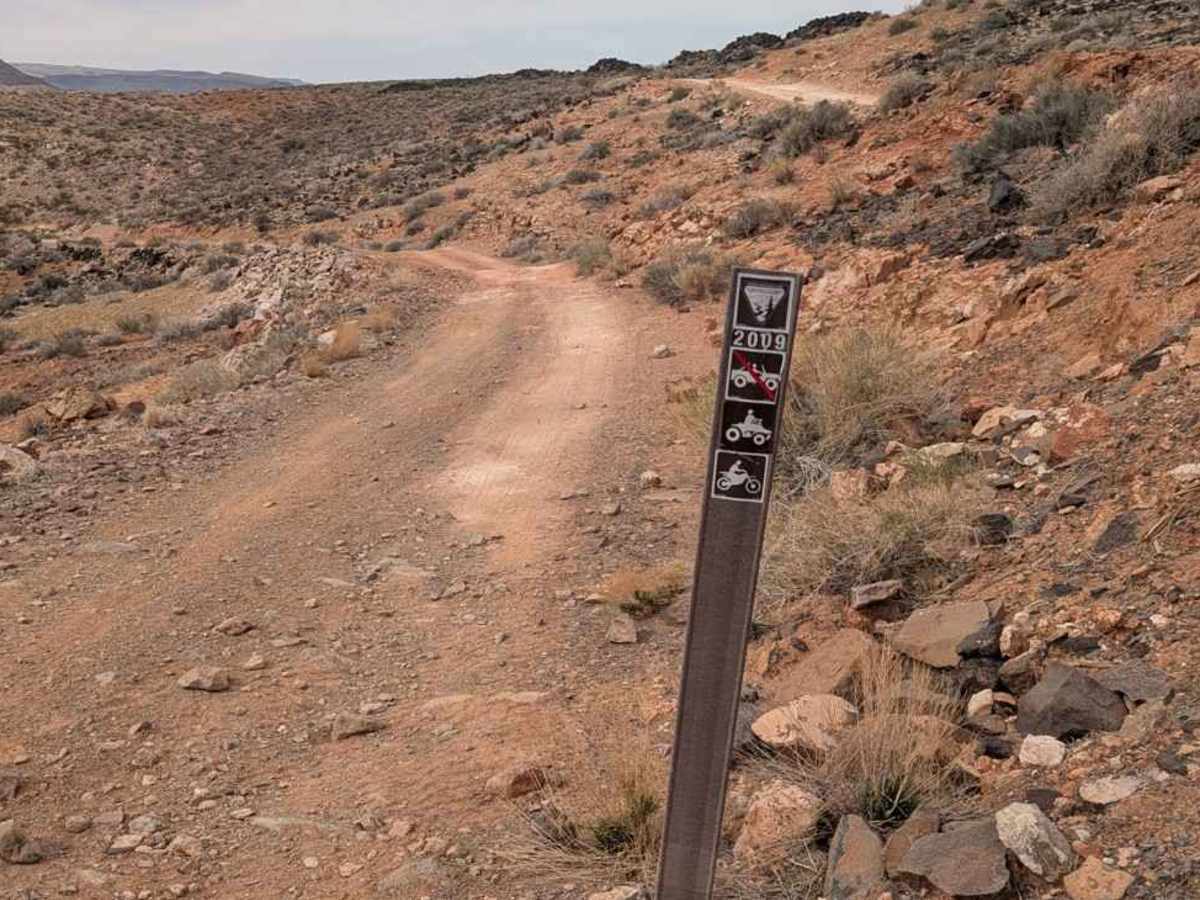
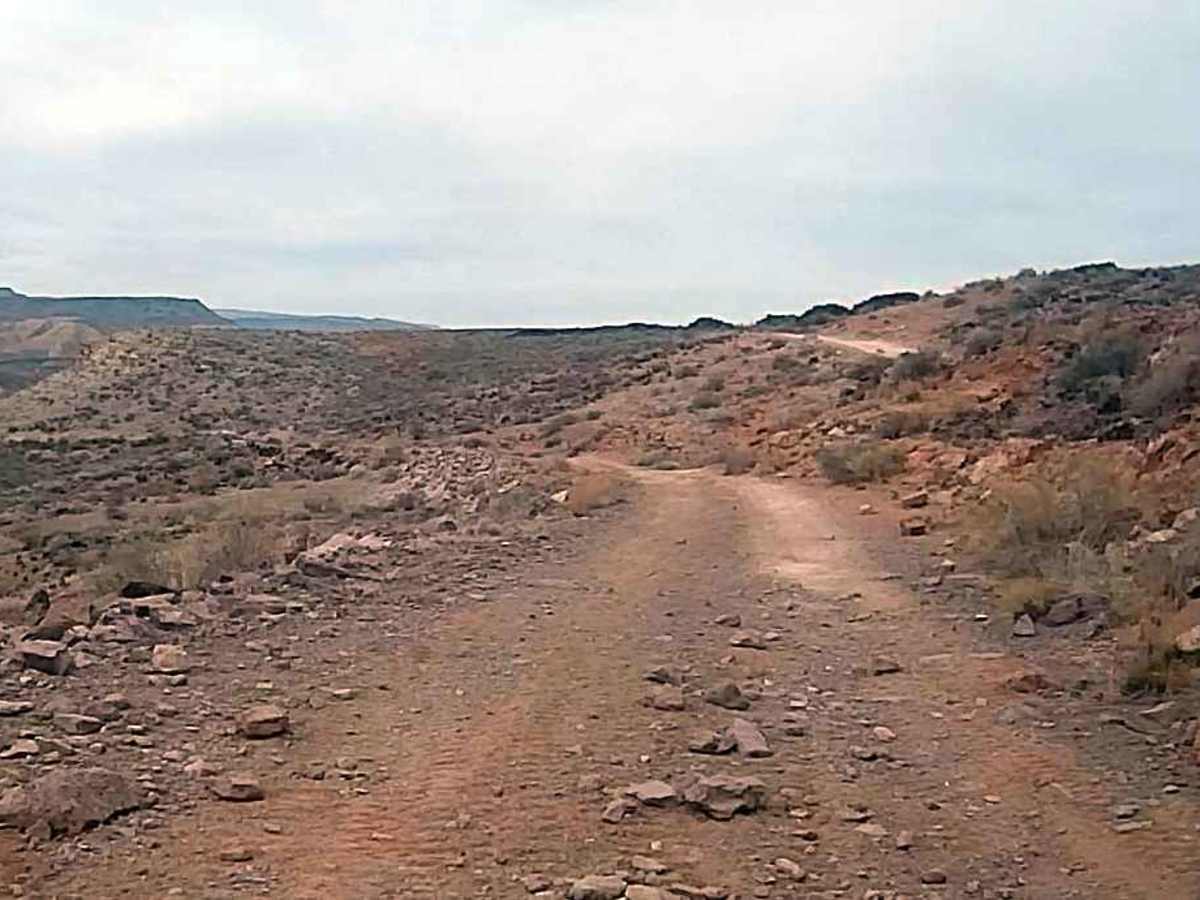
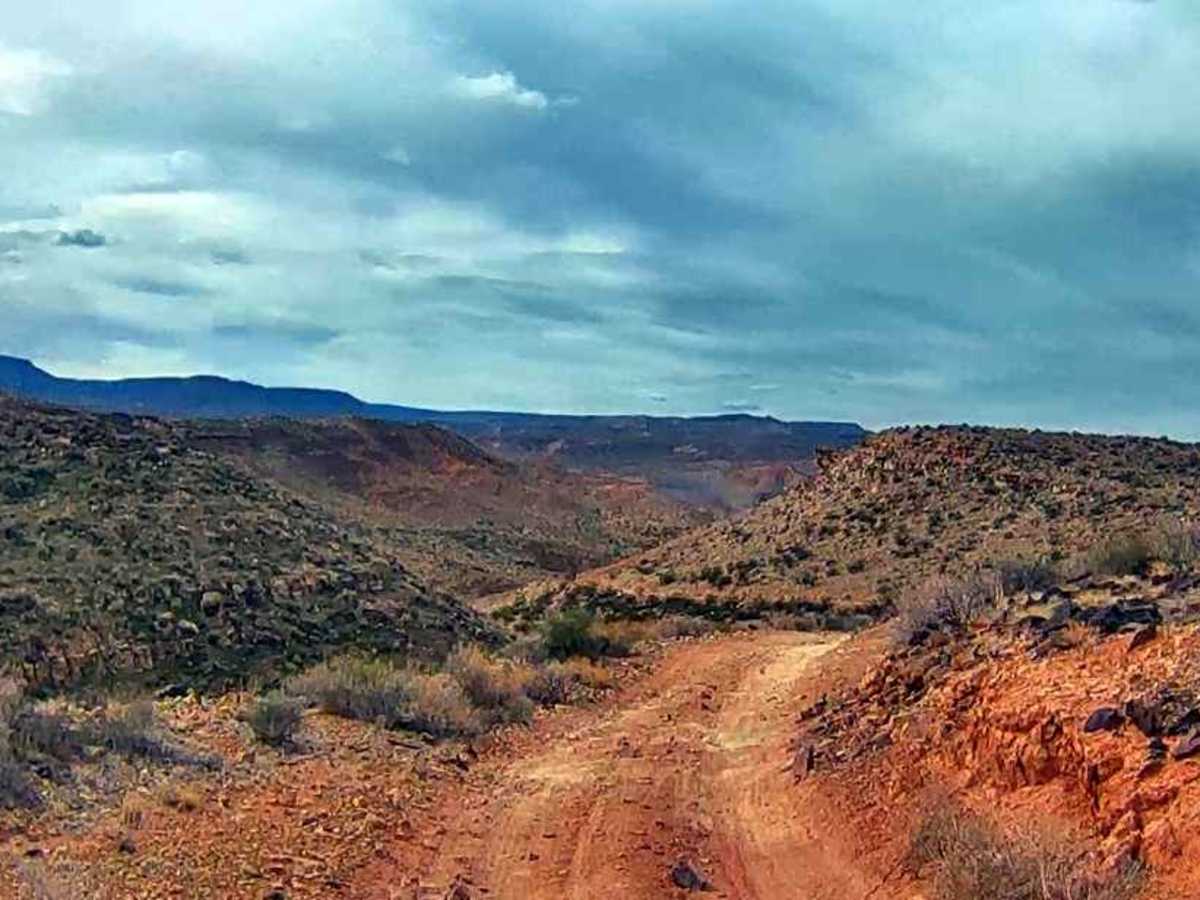
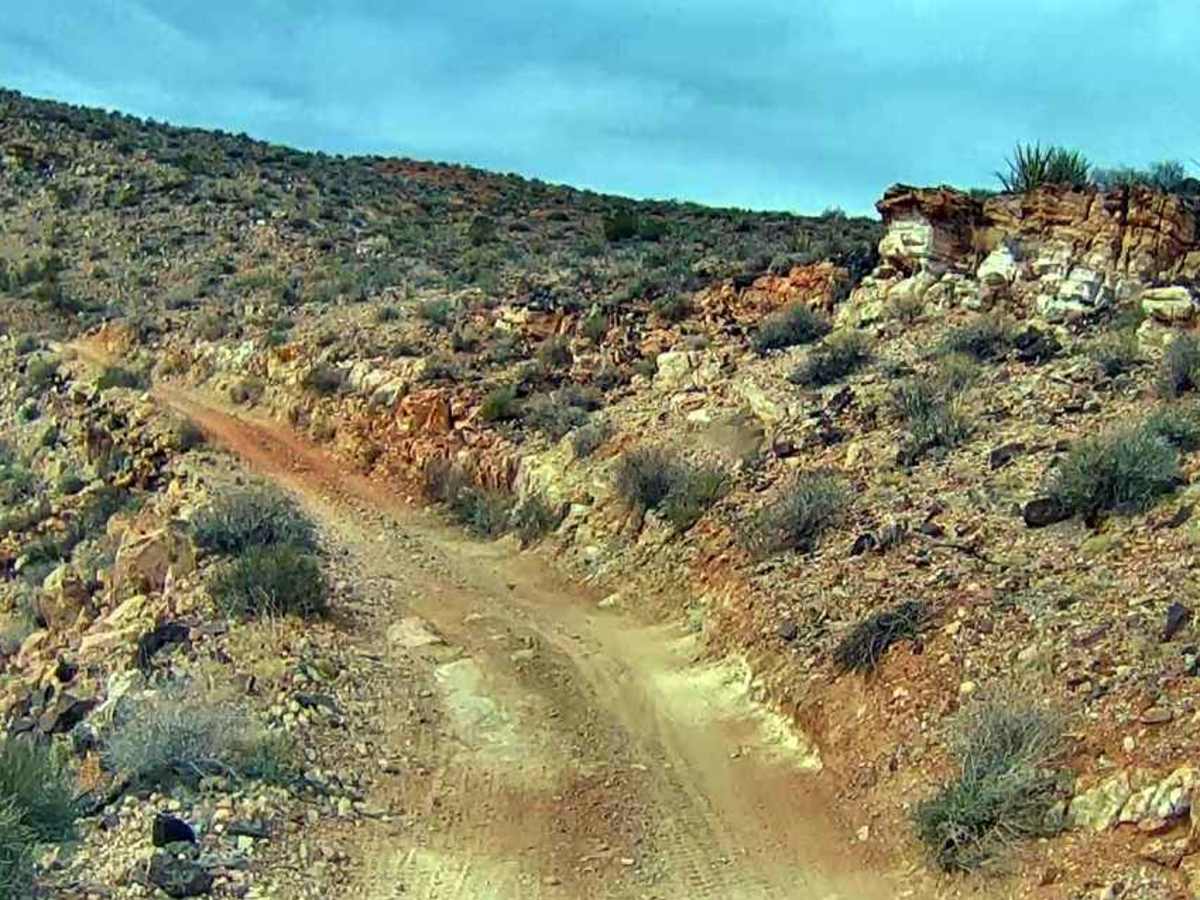
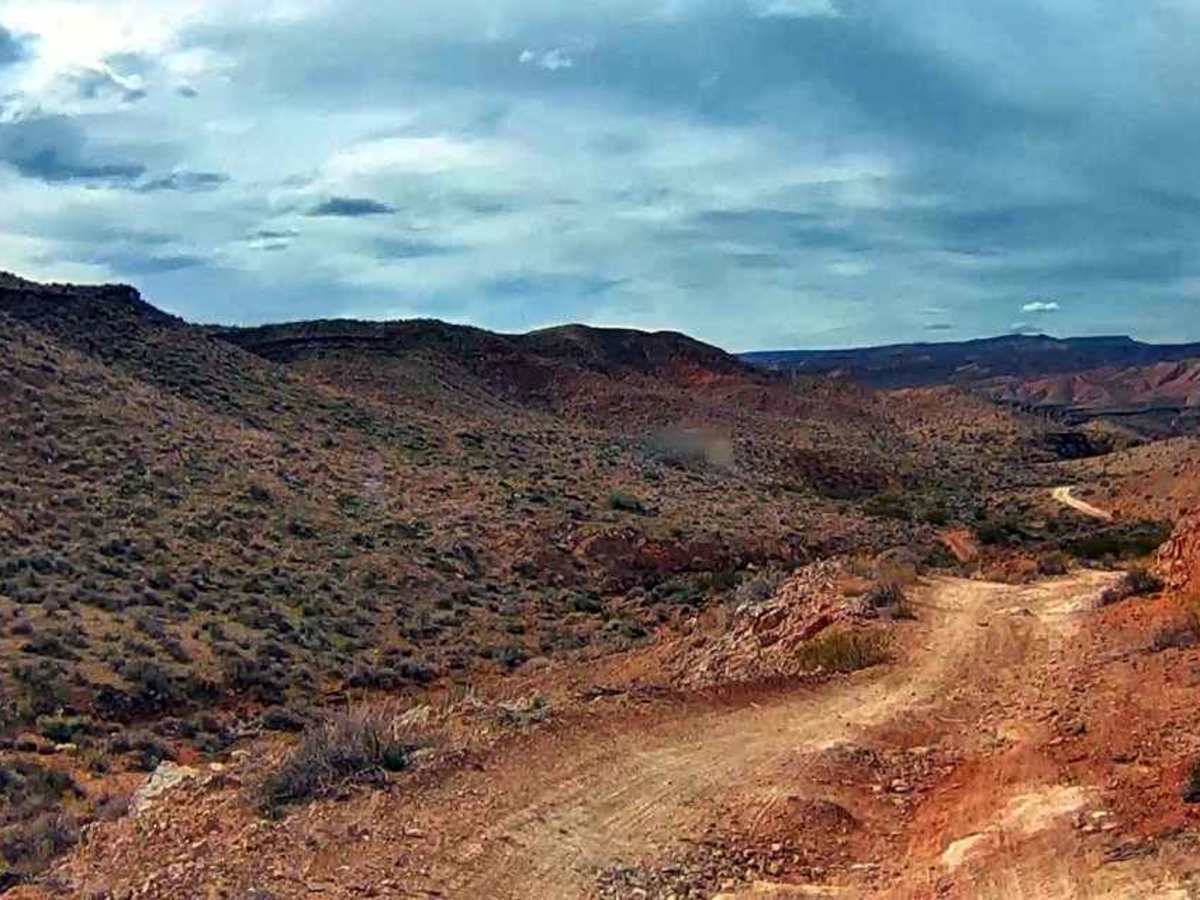
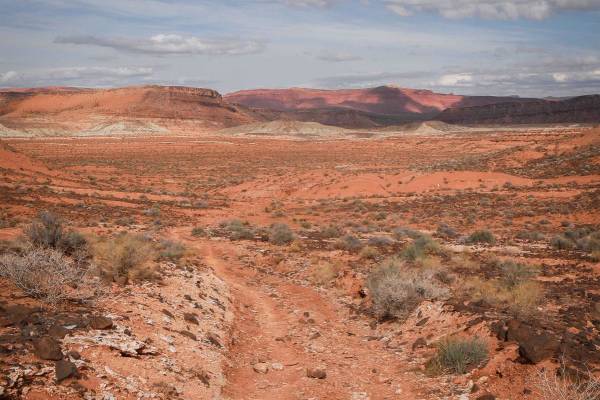
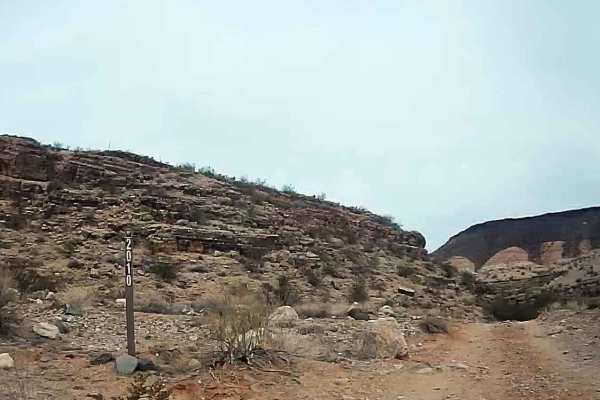
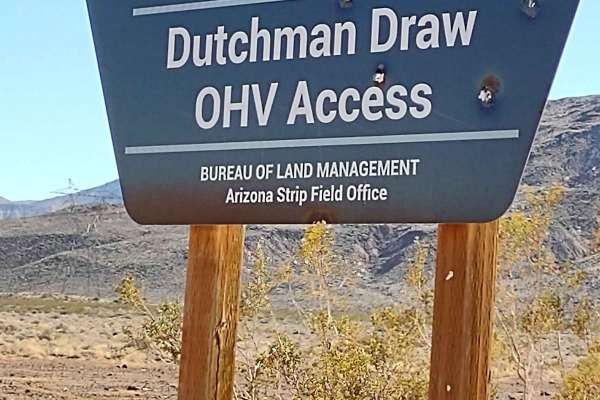
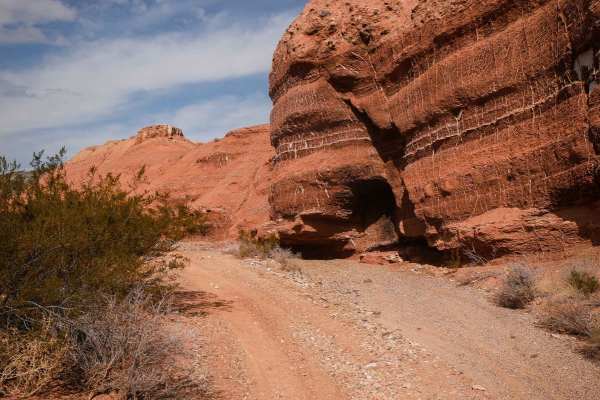
Sunshine Trail Road (BLM 2009-M2127) is a 1.7-mile point-to-point trail rated 3 of 10 located in the northwest corner of Mohave County and is restricted to motorcycles and ATVs. The trail offers a sand and loose rock trail, with about half of the trail being a shelf road. This is a downhill run from east to west. The trail is more than 8 feet wide in most places, but there are larger rocks on either the cliff or hillside that make slow going. This sand and rock trail runs through narrow washes and across volcanic slopes, connecting the Dutchman Draw (BLM 2010) with the Sunshine Trail (BLM 1035). Although this area is relatively close to the St. George basin, it is remote, desolate, rugged, and beautiful. As close as it is to civilization, it can be days or weeks before seeing another traveler in this area. Known for the multitude of offroad trails, including single track, ATV, and full body 4x4s, the area between the Hurricane Cliffs and the Paiute Wilderness has hundreds of miles of terrain to explore. Be forewarned, some of the trails in this area can appear to be easy, but can lead to extreme rock crawling. At the west end of this trail is the Dutchman Draw and Quail Draw, both known for their extreme obstacles and sheer drops exceeding 20 feet or more. The east end of this trail intersects with the historic Sunshine Trail, one of two trails (the other being Temple Trail) that were used to bring lumber from the Mount Trumbull mill to St. George for the building of the original Mormon Temple. The nearest services will be located in St. George, roughly 20 miles north. Cell phone service is pretty much non-existent except maybe on a few of the higher peaks in the area. This area can get brutally hot in the summer months and during winter drops below freezing (especially at night). Be prepared for travel in this area and always ensure there is extra water available.
Difficulty
Trail consisting of loose rocks, dirt, and sand with some slickrock surfaces, mud holes possible, no steps higher than 12 inches. 4WD may be required; aggressive tires are a plus.
History
The Grand Canyon isolates the Arizona Strip from the rest of Arizona, making it among the most remote and rugged public land in the lower 48 states. There are approximately 4,000 miles of unpaved roads leading to spectacular scenic vistas, remoteness, and solitude among rough scenic canyons and ponderosa pine forests. This distinctive part of Arizona has a special appeal to many. Artifacts dating back 8,000 years indicate the long human habitation of this harsh landscape. Though Native Americans, from ancient Puebloans to modern Paiutes, have lived in the area for centuries.