Trail Overview
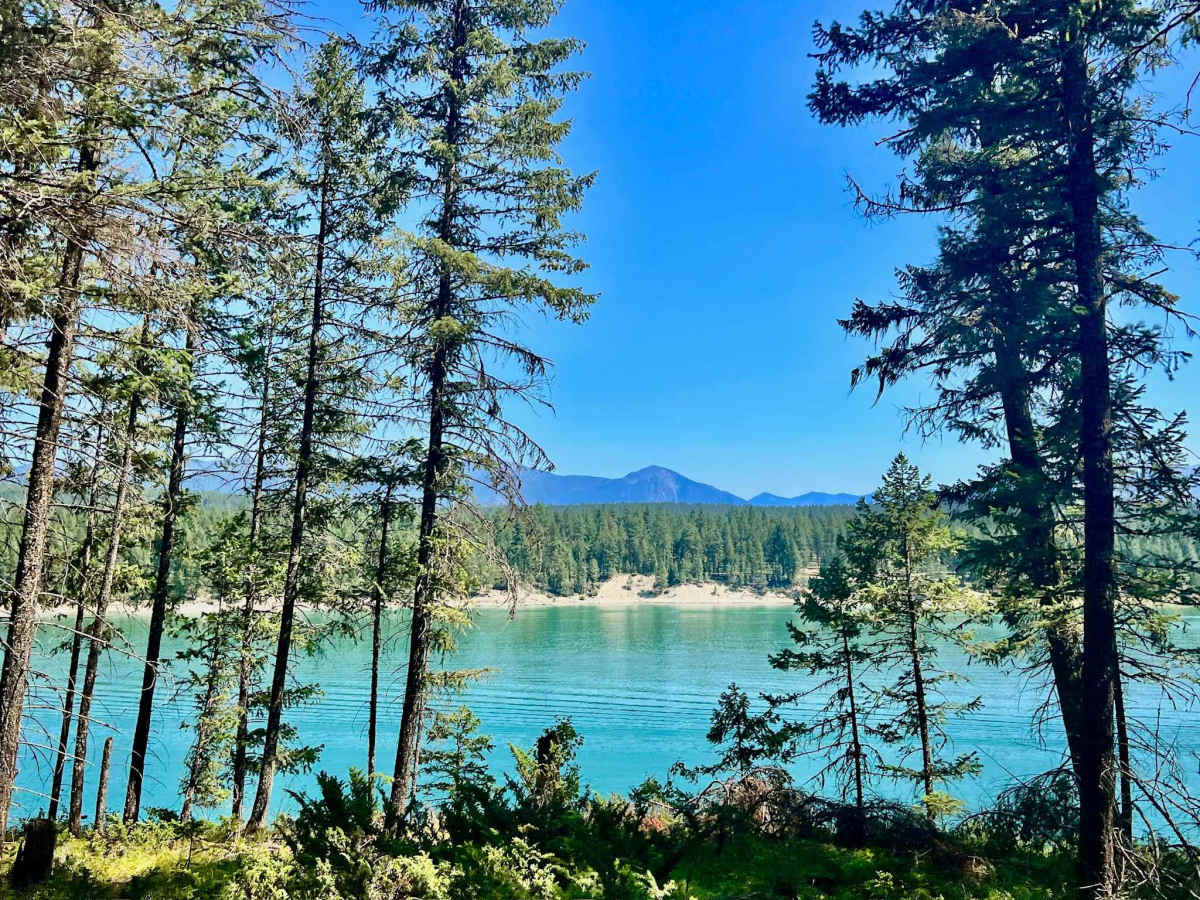
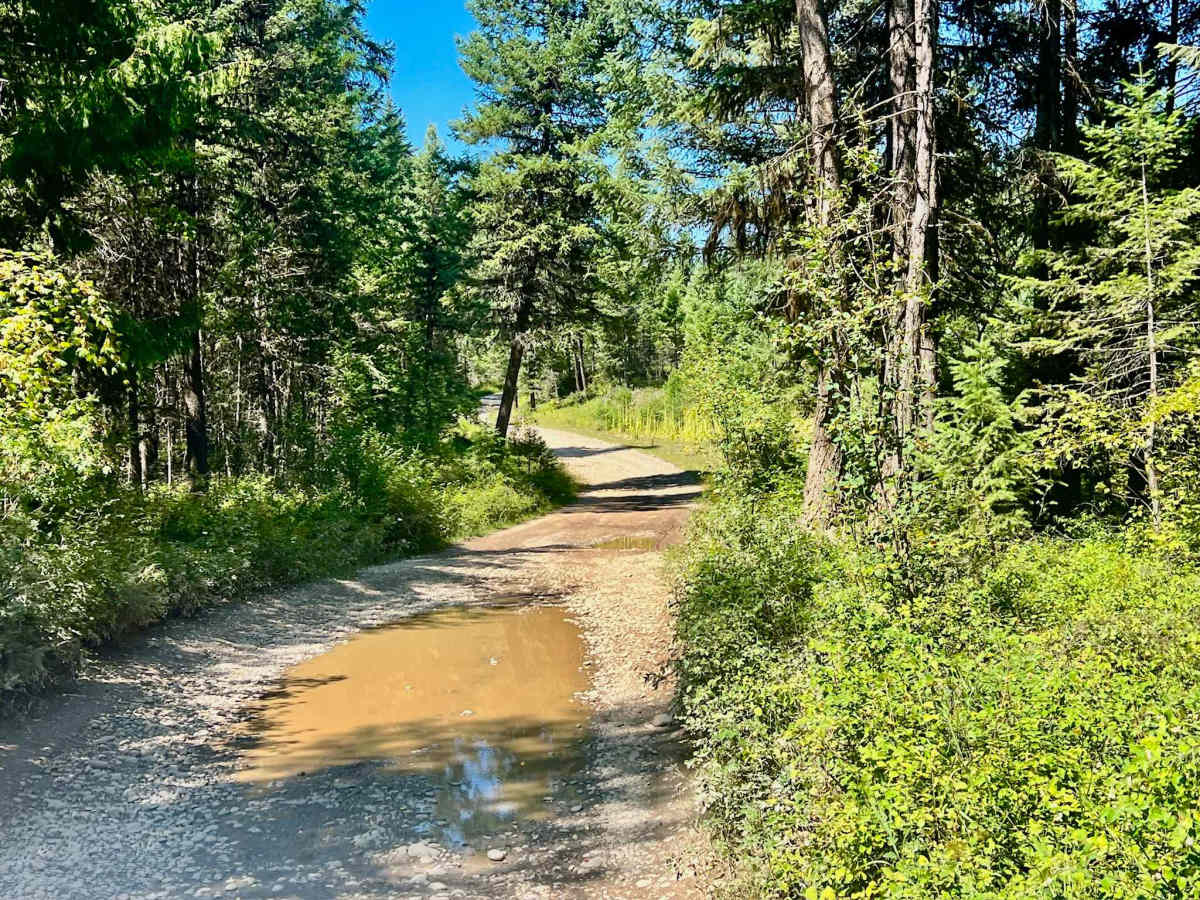
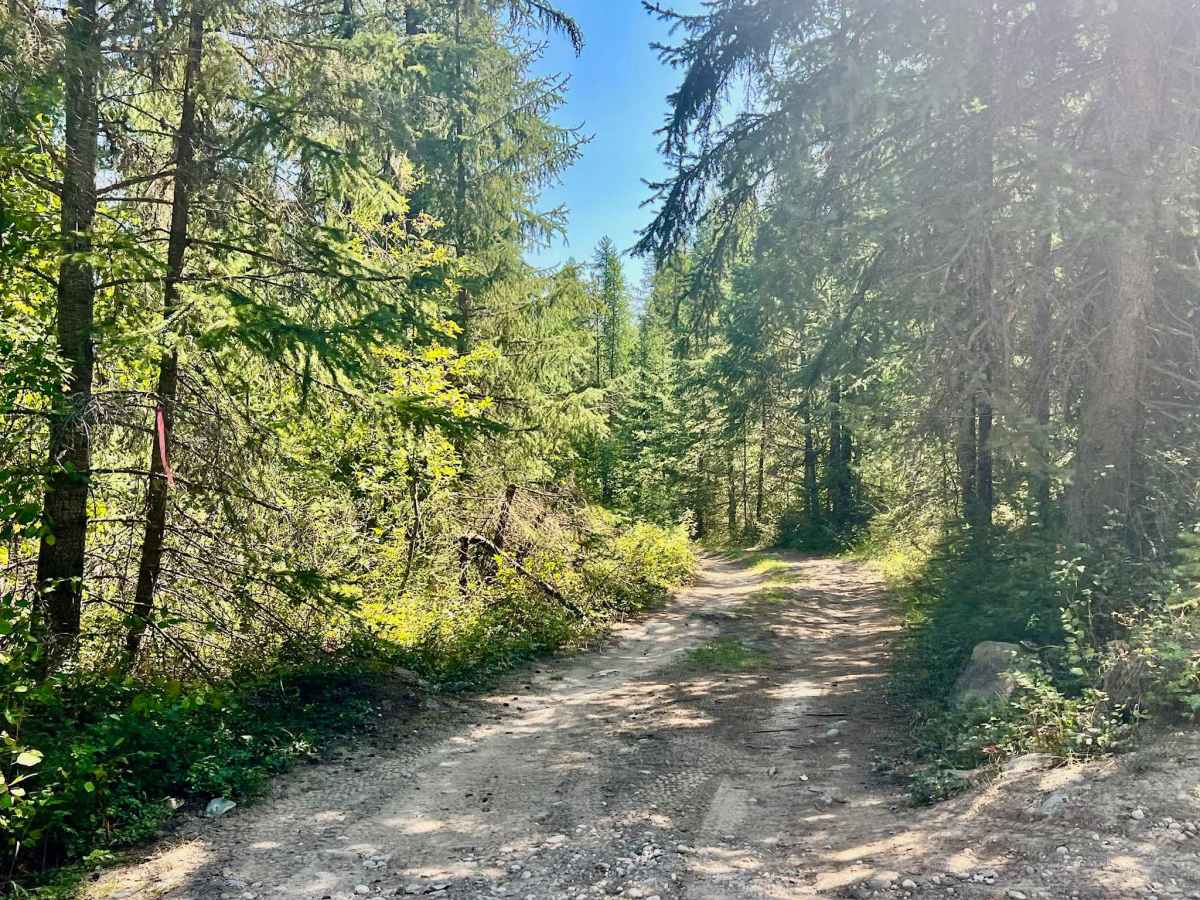
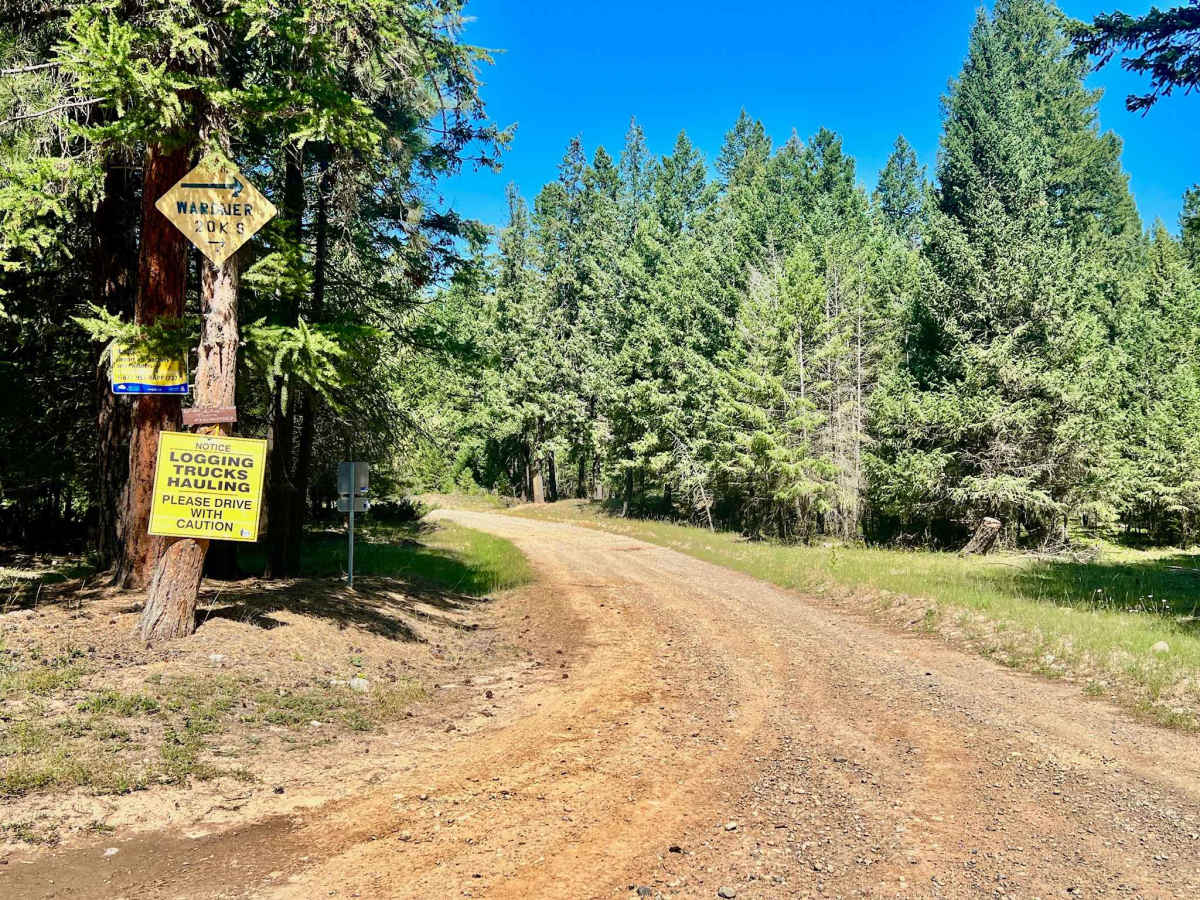
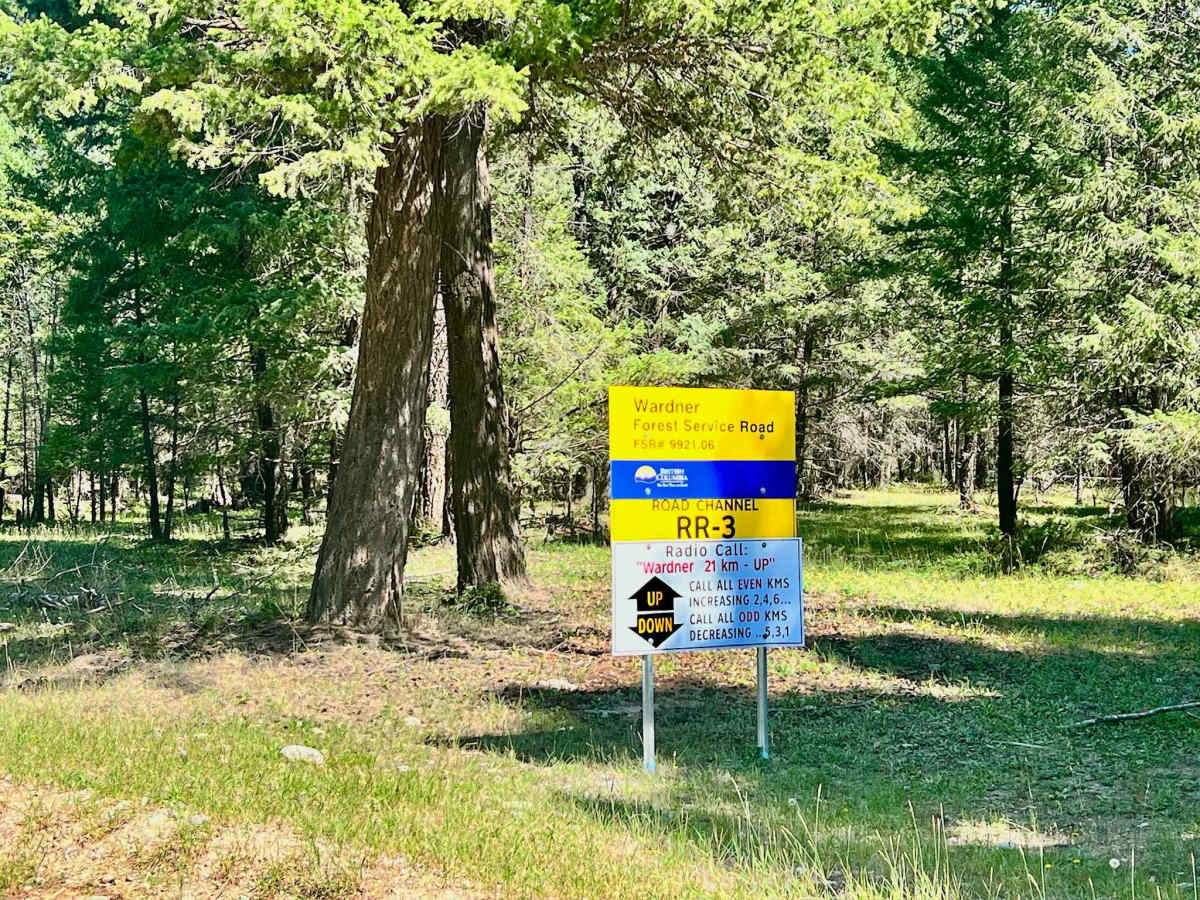
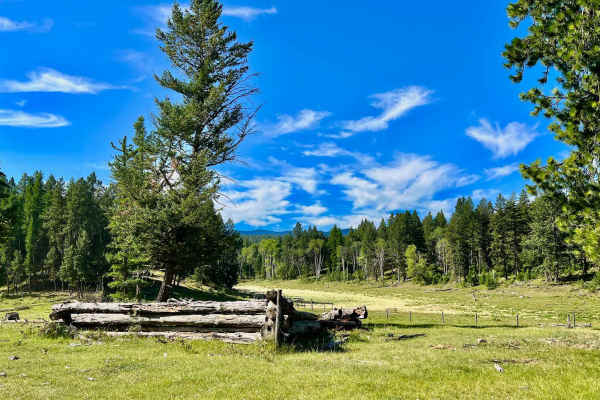
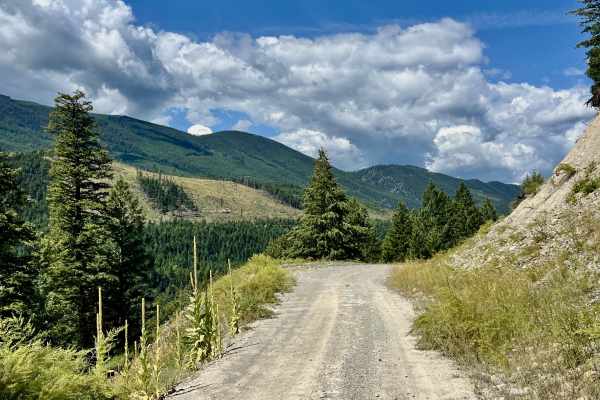
Wardner Kikomun Road offers an excellent option for exploring the picturesque northeast side of Lake Koocanusa. Both ends of this trail are well-graded and wide enough for two vehicles, providing an easy approach. However, the middle section narrows significantly and becomes notably rougher, featuring deep mud holes and loose rocky sections that demand attention and justify its moderate rating. Along the route, you'll find a small selection of undeveloped campsites, subtly tucked into the trees. While lake access is limited directly from the main road, some of these hidden campsites offer more technical access trails, rewarding those with capable vehicles and a desire for secluded lakeside stays. This route also features numerous side trails, inviting you to delve deeper into the forest and truly get to know the area. Keep an eye out for wildlife, from White-tailed Deer to various forest birds, as you traverse the varied terrain. An important note for adventurers: this section of trail is part of the Trans Canada Trail, a national network of multi-use trails, adding a layer of significance to your journey. Expect one bar of Verizon cell service, which can be unreliable. Downloading offline maps is highly recommended.
Difficulty
Expect a mix of well-graded sections and rough, narrow portions with deep mud holes and loose rocks. While the ends are suitable for most vehicles, a 4x4 with good ground clearance is recommended for the middle section, due to deep mud holes and loose rocky terrain. Some technical campsite access trails may require greater capability.
History
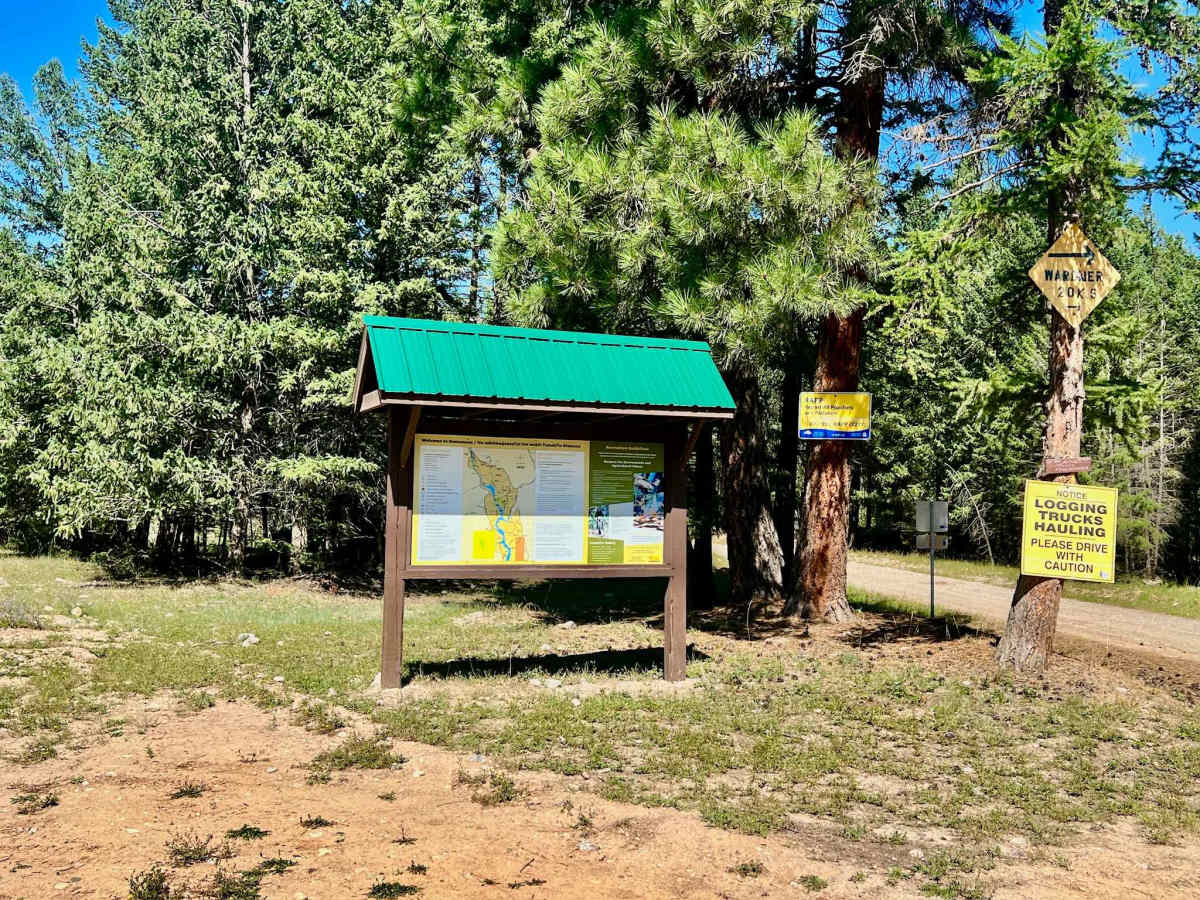
The Wardner Kikomun Road area is rich with the enduring history of the Ktunaxa people, whose traditional territory encompasses this entire region. Like many routes here, its origins likely tie into the broader narrative of resource extraction, acting as a Forest Service Road for the region's logging industry. The very existence of such a trail, now repurposed for recreation, speaks to the evolving relationship between humans and the Kootenay landscape. The creation of Lake Koocanusa by the Libby Dam in the 1970s was a monumental event, irrevocably reshaping the valley and opening up new opportunities for access and recreation. The trail's inclusion as part of the Trans Canada Trail (officially The Great Trail) highlights a modern ambition: to connect Canada's diverse landscapes and communities, often by repurposing historical routes like this one, for a new era of exploration and enjoyment. The Koocanusa Recreation Management Area (KRMA) was established to manage and enhance recreational opportunities in the Lake Koocanusa area while protecting natural resources. The KRMA encompasses a large area of Crown land and offers a wide range of recreational activities, including camping, hiking, boating, fishing, and off-roading. The KRMA is managed by the British Columbia Ministry of Forests, Lands, Natural Resource Operations, and Rural Development. It is important to check their website for any closures or restrictions.