Scouting Deer Sign
Learn how to incorporate deer sign into your hunting strategy.
Scrapes
What To Look For
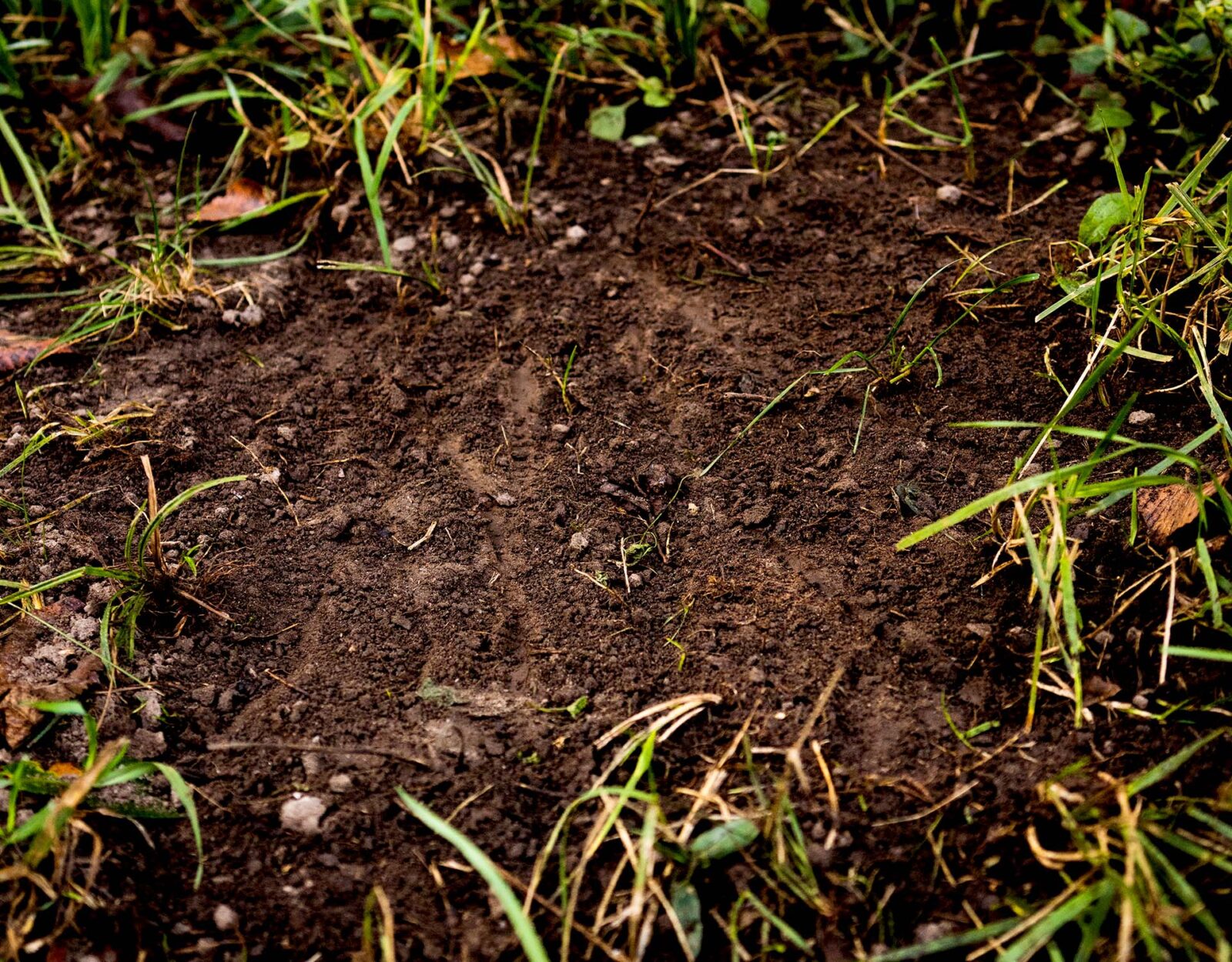
A deer scrape is an oval-shaped, bare patch of dirt, typically found underneath an overhanging branch. Deer create scrapes by pawing the dirt away while rubbing their forehead glands on the limb above. In creating a scrape, a deer leaves its scent behind for others to find, a seasonal communication ritual performed leading up to and during the rut.
A fresh scrape looks moist, carries a strong odor, and is debris-free.
When Scrapes Matter
Scrapes matter the most when they’re fresh. A fresh scrape, or lines of scrapes, indicates an area active with bucks. Typically, a buck makes a scrape close to his bedding area to announce the area is his. He then monitors the scrape to keep tabs on who’s in his territory. During the rut, an estrous doe urinates in the scrapes, indicating she’s ready to breed. To that end, bucks also make scrapes close to doe bedding areas in hopes that an estrous doe will urinate inside them, letting him know that she is in estrous.
After the rut is over, scrapes lose their value—deer no longer use them for communication and they don’t offer hunt-worthy information.
Using Scrapes in Your Strategy
When you find an active scrape, look for thick bedding close by and analyze where and when a buck beds there (placing a trail camera on the scrape may help). Then, analyze what wind direction sees the highest usage, or if the wind direction even seems to matter for that scrape.
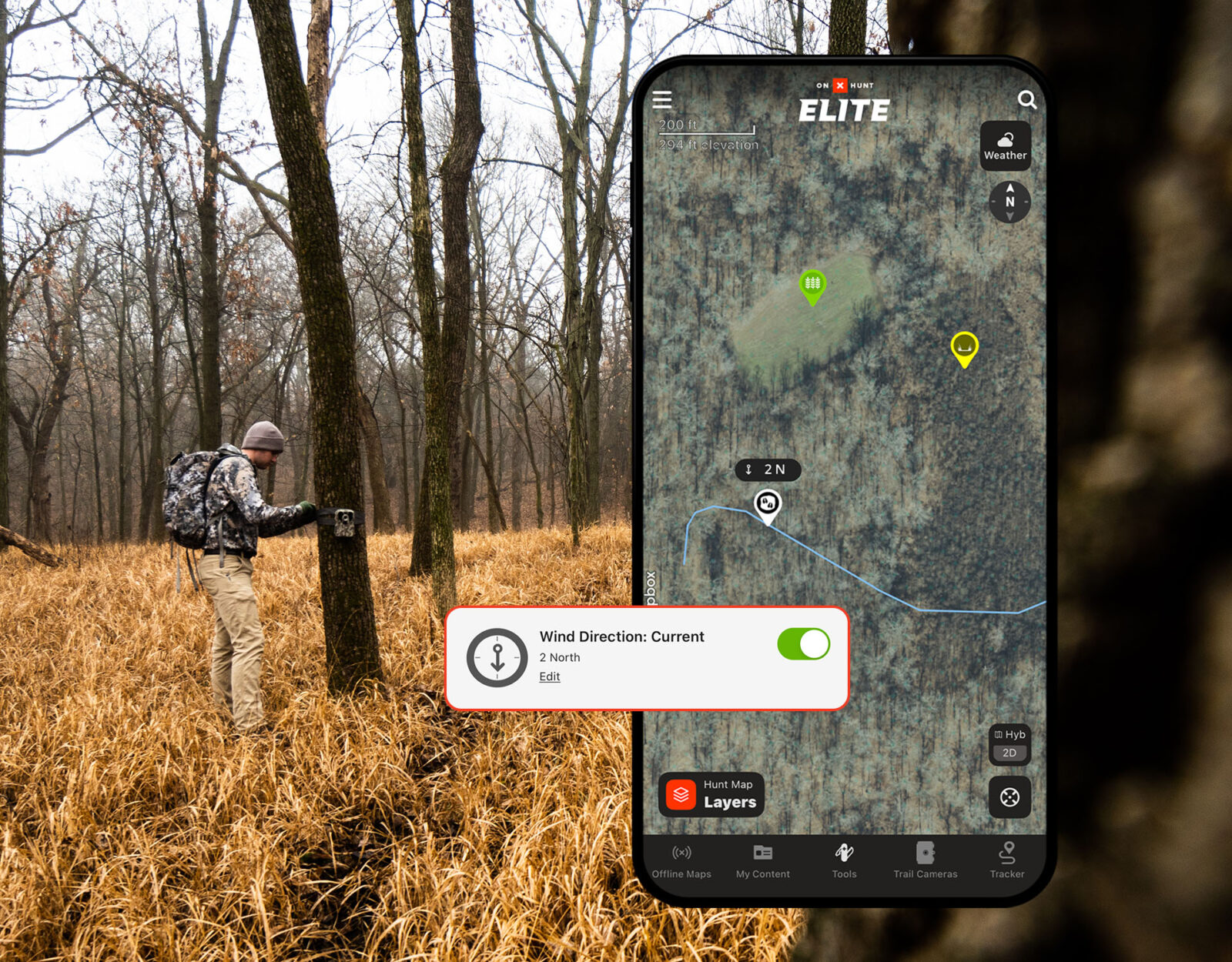
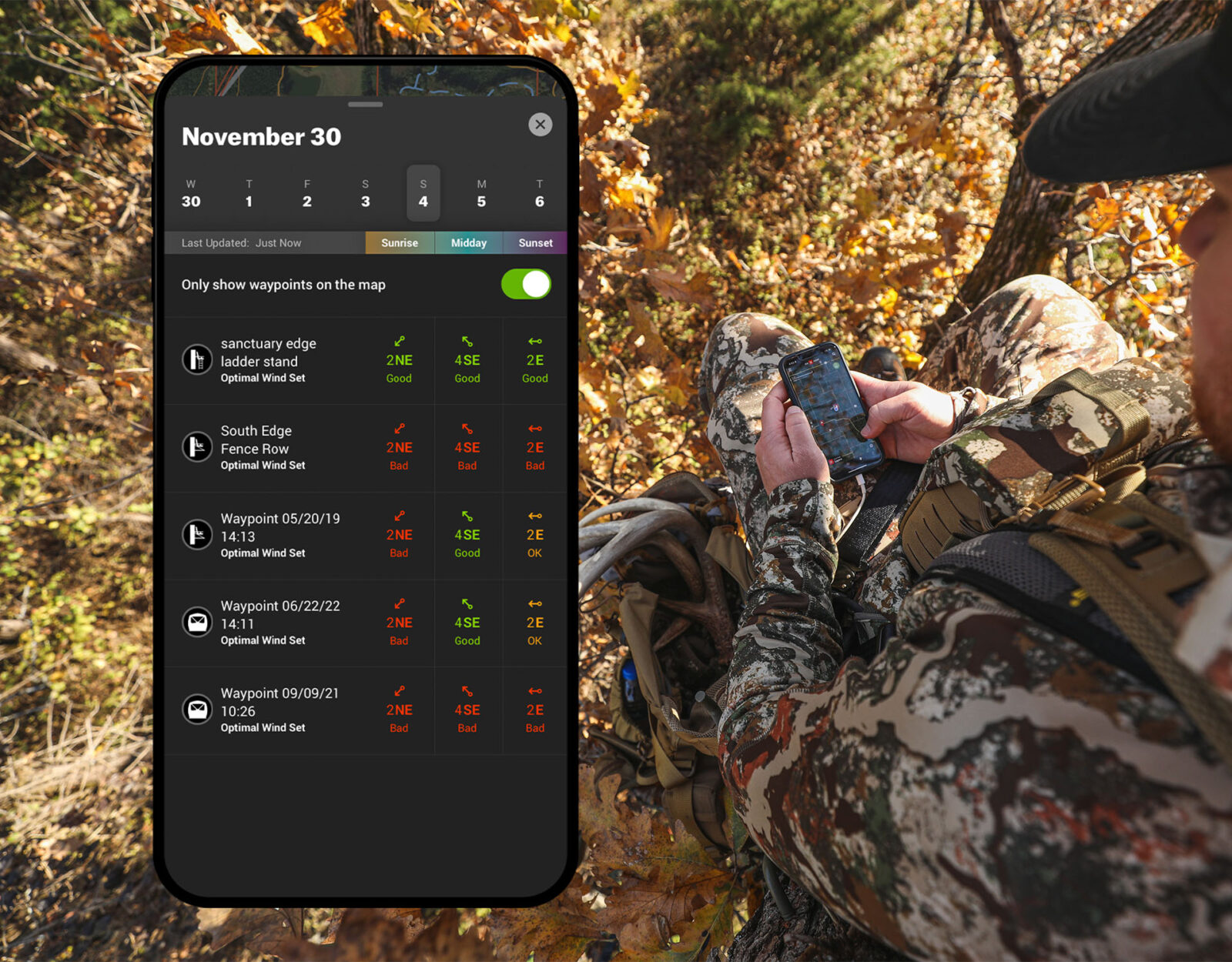
Tooltip: Tap into a Waypoint, scroll to “Waypoint Tools,” and select “Show Current Wind” to glean location-specific wind insights.
Rubs
What To Look For
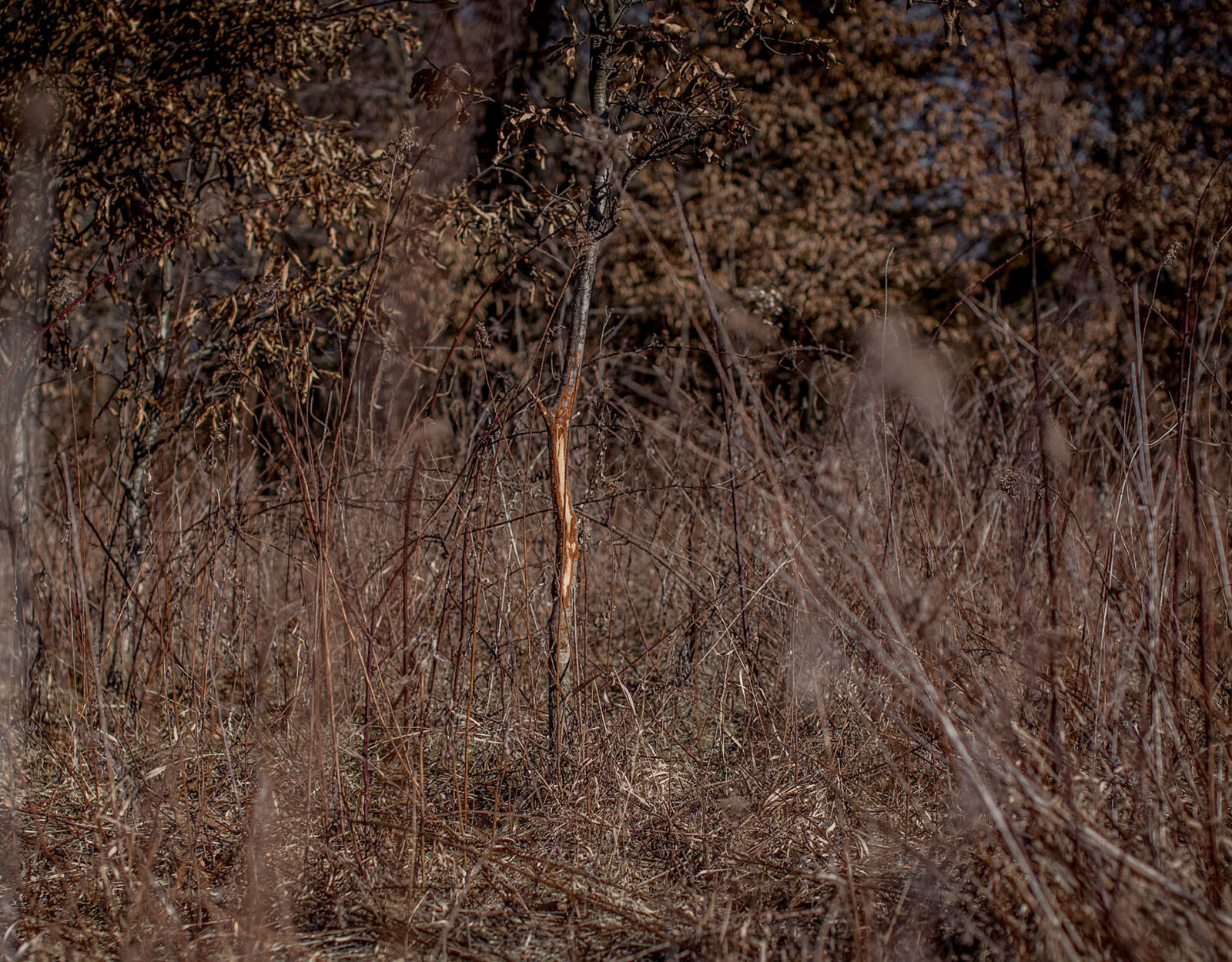
Rubs are abrasions on trees where the bark has been stripped away by a deer raking its antlers against the wood. Fresh rubs appear shiny and orange. There’s likely hair on the tree and deep tracks where the buck dug into the ground as he made the rub.
Bucks create rubs to either shed velvet or show territorial dominance. When a buck creates a rub, his forehead glands leave his scent behind. Similar to scrapes, rubs are a signpost for other deer to smell and take note of. Rubs can be found on single trees, in clusters, or in strings of multiple trees, which create a “rub line.” If you find a rub line, it’s a good indicator you’re in a buck’s core bedroom area.
When Rubs Matter
Fresh rubs appear in late August and early September as velvet is being shed. These rubs are strictly to rid the antlers of velvet. As September rolls into October, you’ll see more fresh rubs. Here, bucks are making rubs to display dominance.
Rubs made in the pre-rut offer clues to where a buck is currently calling home. As the rut gets closer, more rubs will pop up closer to feeding areas and doe bedding areas as more bucks seek the first estrous doe. If you find hot, fresh rubs in late October or November, you’ve found a good place to hunt.
Using Rubs in Your Strategy
When you find a fresh rub, note which side of the tree it was on so you can try to figure out the buck’s direction of travel. These clues can help you decide where a buck is bedding or feeding.
Tracks and Game Trails
What To Look For
There is no better sign that deer are around than seeing a ton of tracks and some used game trails.
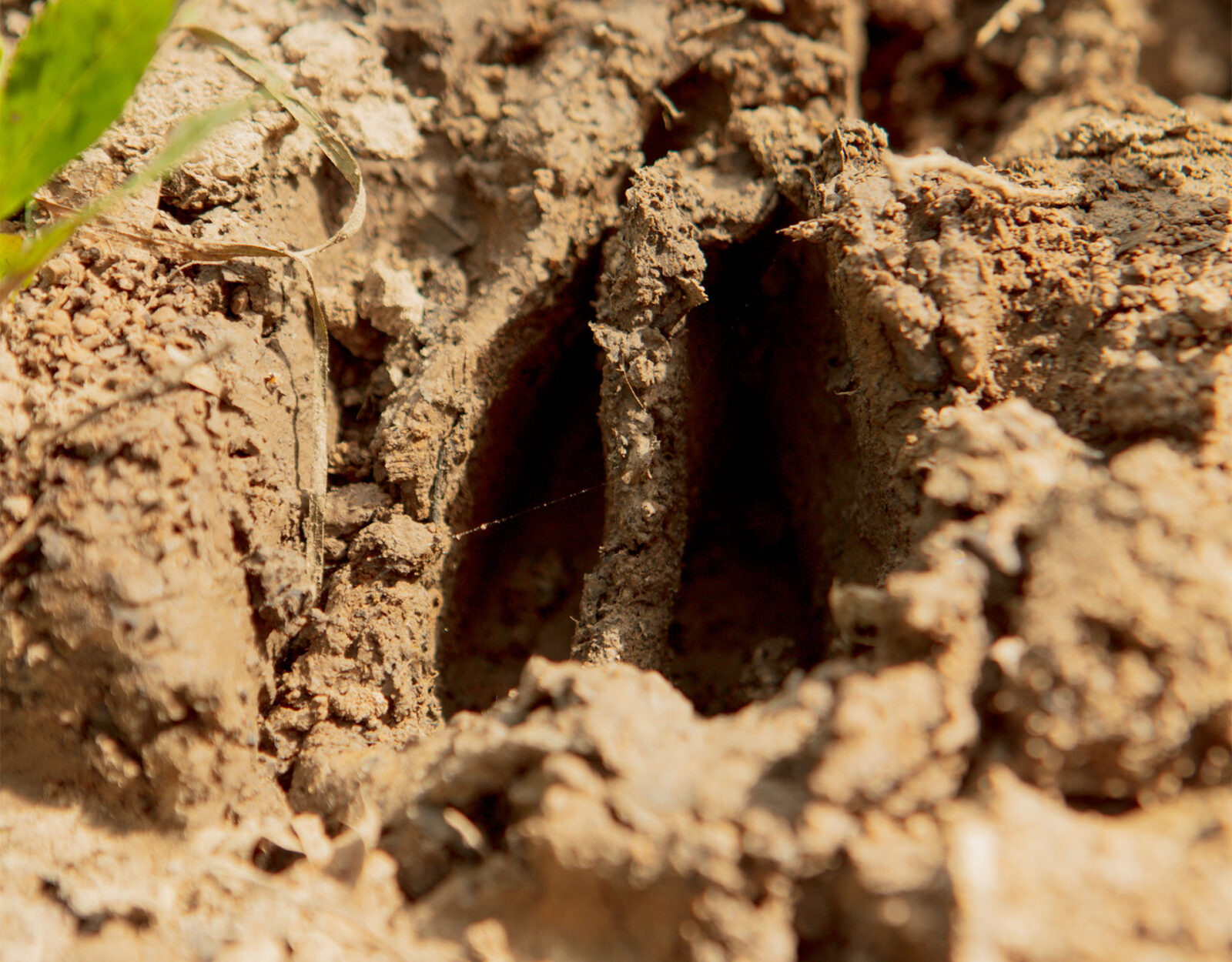
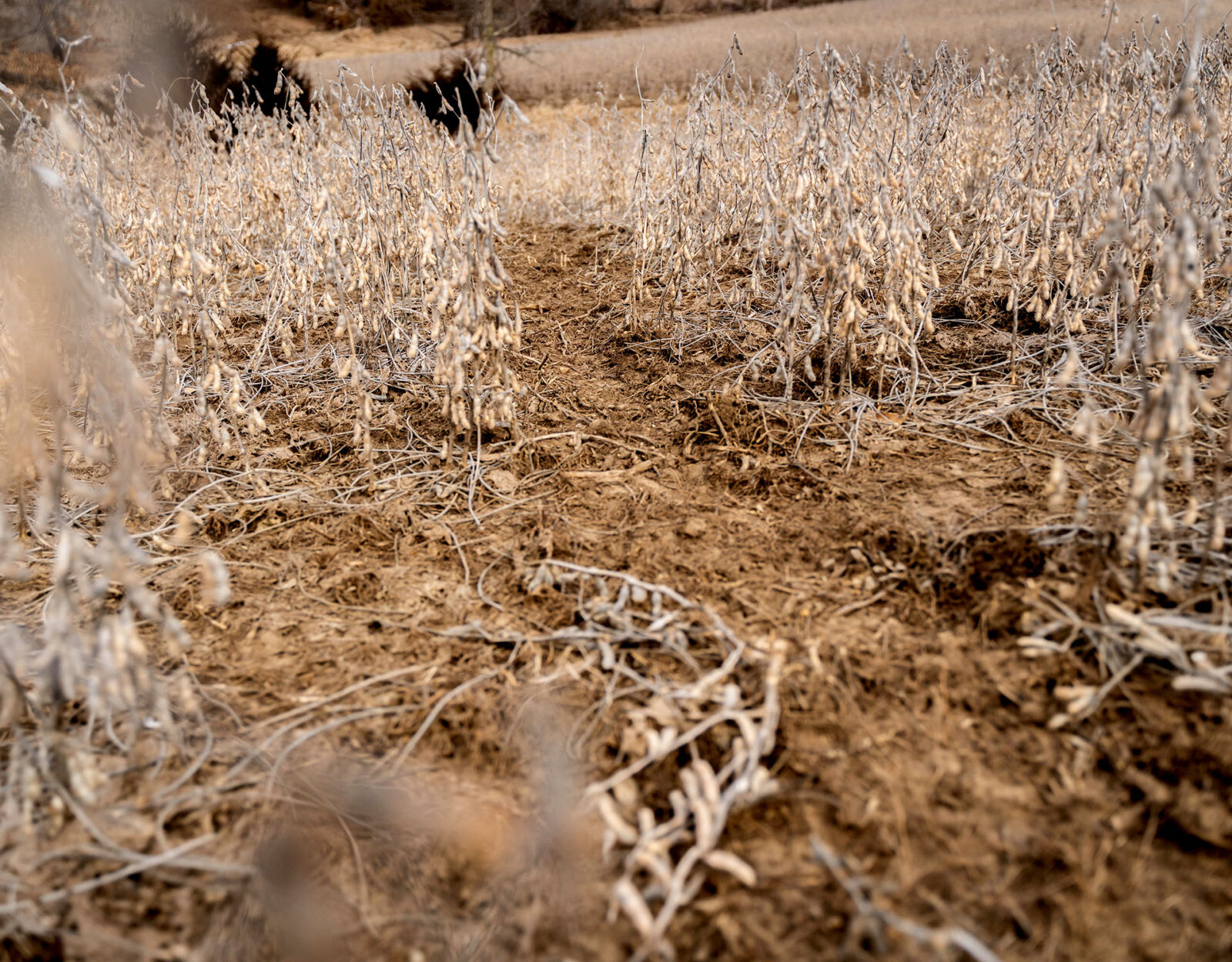
You’re looking for fresh tracks and well-loved trails. Crisp, sharp deer tracks mean it’s a newer set, while dull edges signify an older track. Trails that are beaten down, free of debris, and have fresh scat on them tell you that the trail is used heavily and often.
When Tracks and Trails Matter
If you see fresh tracks or a well-defined game trail during hunting season, hunt these areas immediately. If you don’t see this sign, move to a new spot. The area lacks either food or bedding.
Using Tracks in Your Strategy
Tracks tell you about a deer’s movements. Backtrack a set of tracks to where a deer was feeding or bedding.
Scat
What To Look For
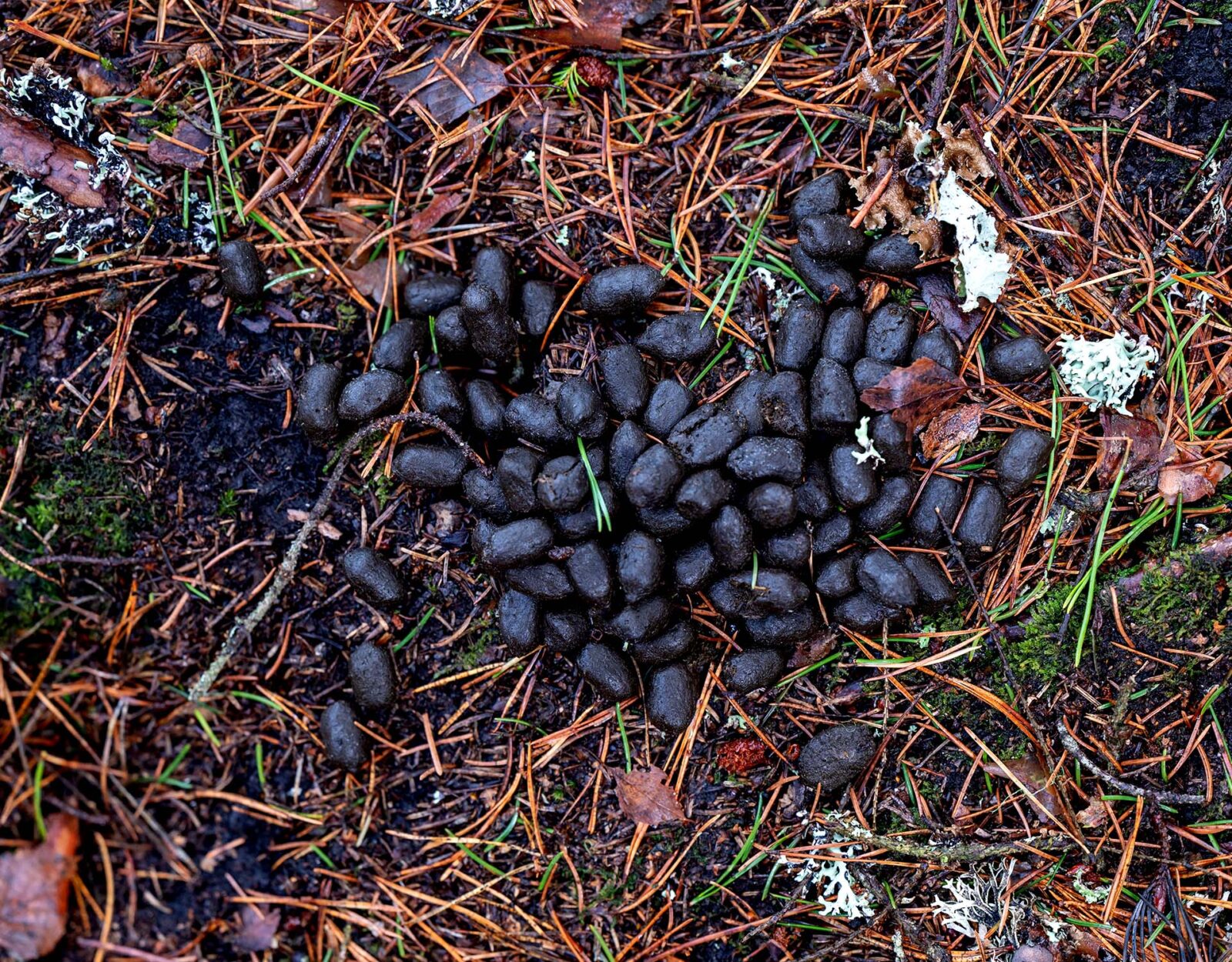
Deer scat can be broken down into two categories: buck scat and doe scat. Buck scat is typically larger and the droppings clump together into a pile. Doe scat is generally smaller and the individual droppings scatter across the ground.
When Scat Matters
Scat matters most when it’s fresh. Fresh scat looks moist or wet to the touch. If you find a bunch of fresh scat in a field, assume the deer are feeding there often and that you should hunt the area immediately.
If you only see old, dried-up scat, that area might not be worth your time currently.
Using Scat in Your Strategy
When you’re looking for an area to hunt, if you don’t see fresh scat, go elsewhere.
Trail Camera Appearances
What To Look For
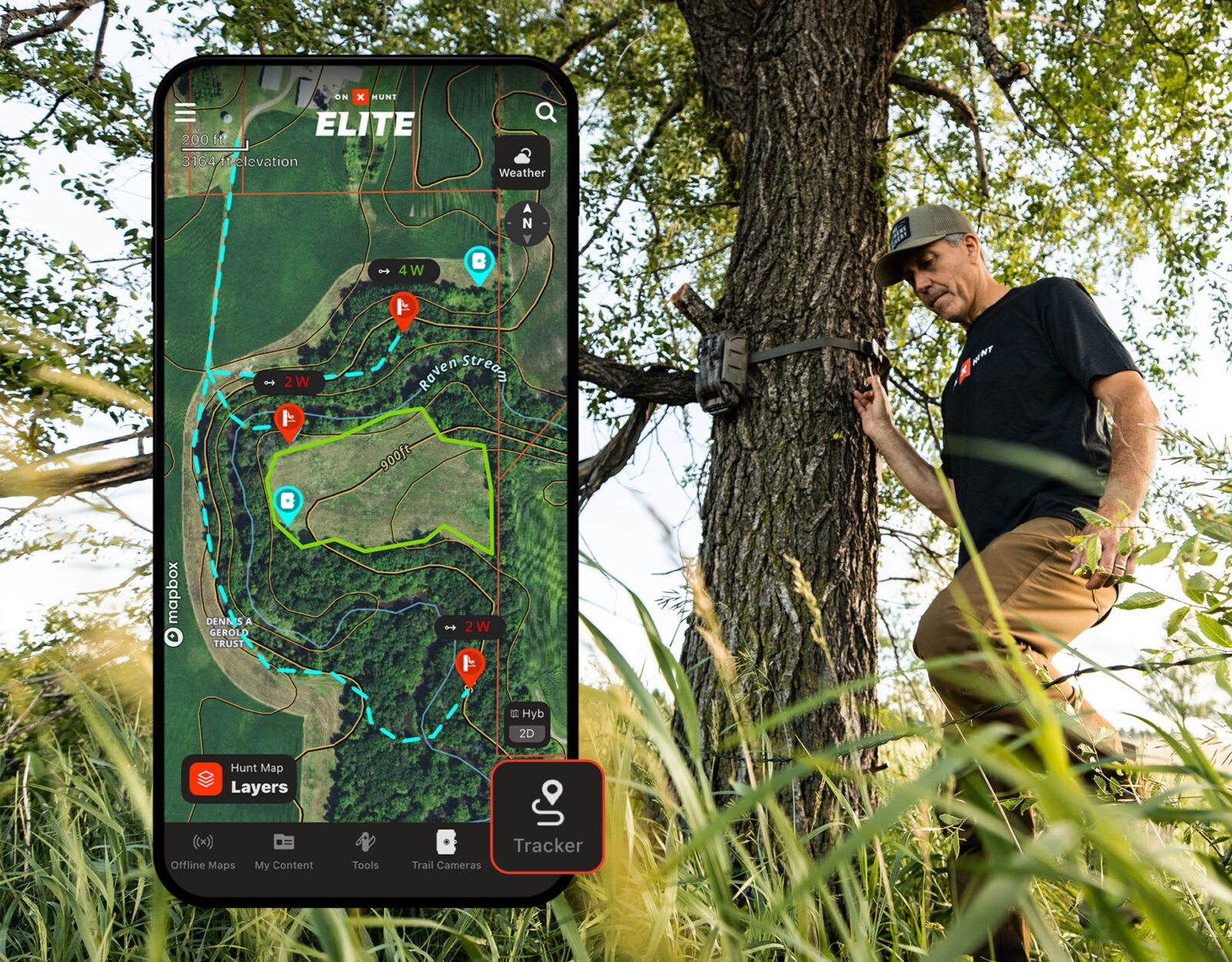
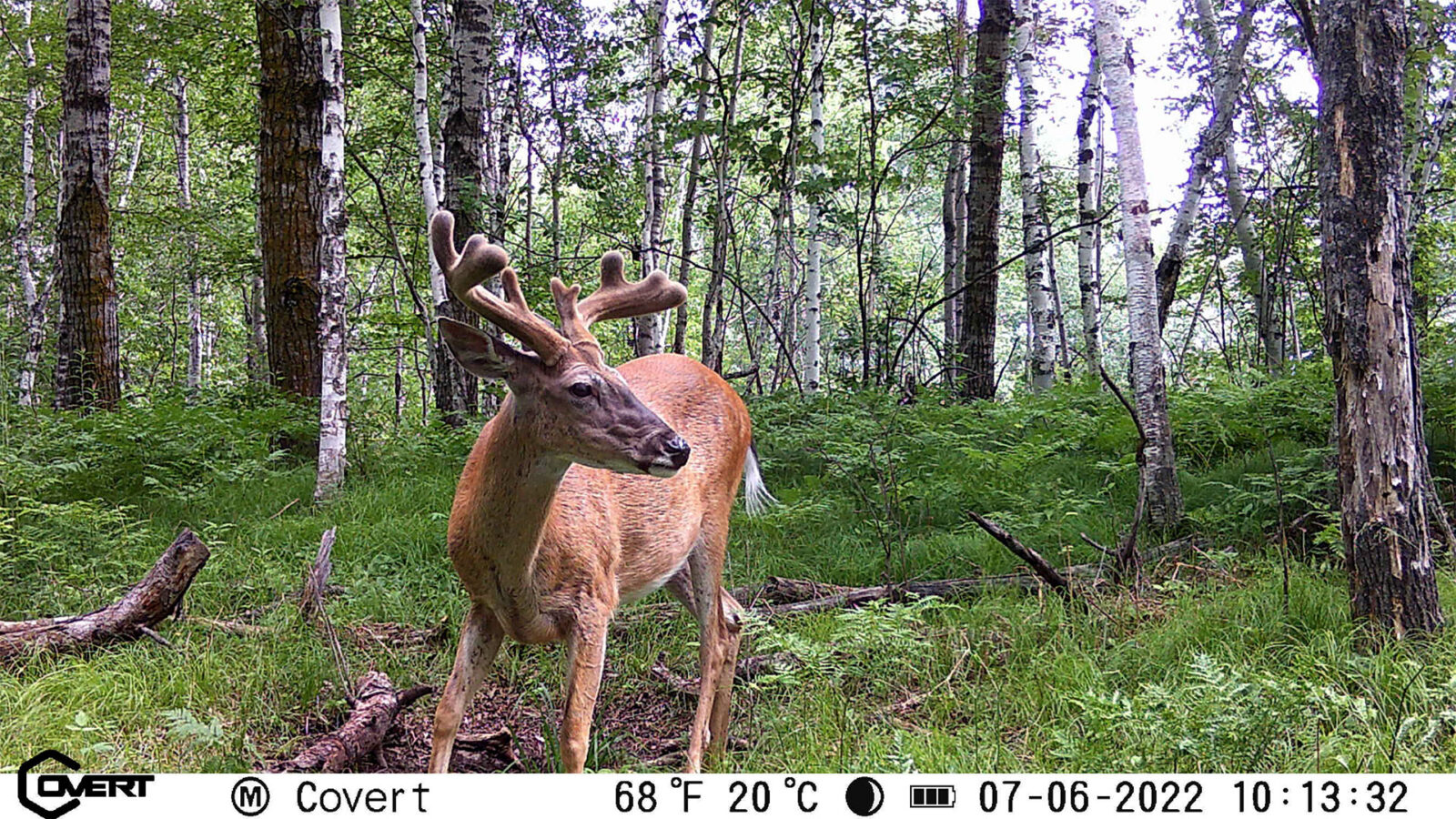
With today’s trail camera technology, every picture can be stamped to give you the date, time, temperature, and even moon phase from that exact photo. In addition to paying attention to these details, note the wind direction that day and the deer’s travel direction.
The direction of travel in the morning typically shows where the buck is headed to bed. In the evening, the buck’s direction of travel likely shows where he’s headed to feed (and where he came from is probably where his bed can be found). You can then look at the map for bedding areas and feeding areas in the direction he was headed.
When Trail Cam Data Matters
Early season gives you the biggest opportunity to harvest a buck based on trail camera intel. Finding a buck in an early season pattern in August and September can yield one heck of an opening day if he sticks to the pattern long enough.
As fall rolls on, pay attention to daylight vs nighttime photos. You can expect to see a ramp-up of daylight photos come mid to late October when bucks are amping up for the rut. Once you see a ton of daylight activity, hunt aggressively for a chance at catching a buck moving around in daylight as the rut nears.
When the late season rolls in, you may find a predictable buck using a consistent bed-to-food pattern.
Using Trail Cams in Your Strategy
Deer live and die by their nose; by using pictures and the wind direction for that day, you can identify which wind direction a buck likes best. This helps you know which days to hunt based on the wind and what area to hunt based on those “best” wind days.
Bedding Areas
What To Look For
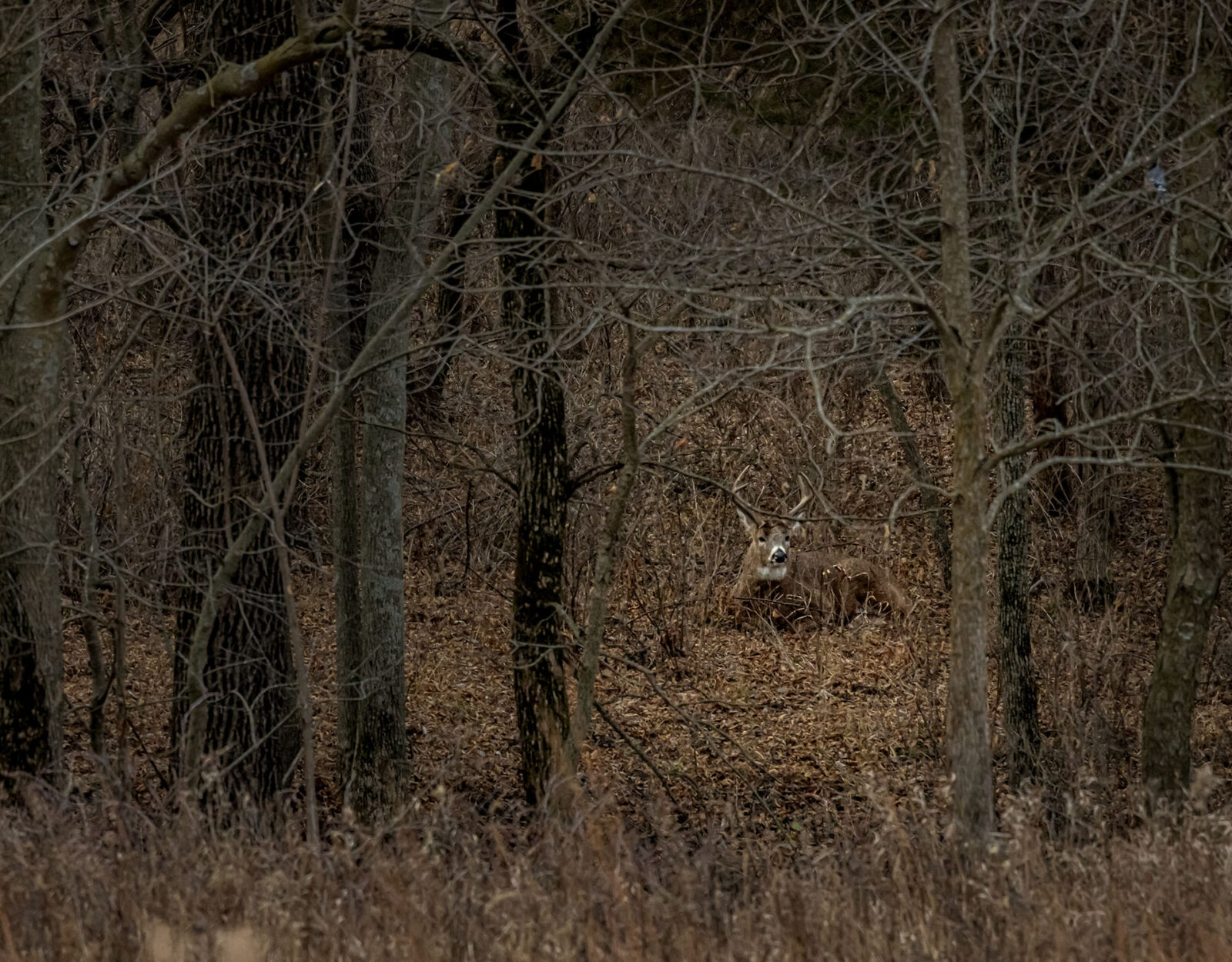
Deer beds are large oblong patches of matted ground. Deer like to bed on steep ridges and hillsides, but want a flat spot for their bed, so you’ll usually see deer beds in the flatter undulations of the land. If the bed is fresh, you’ll see scat and hair and the bed will look clean and shiny. A lot of deer bed in thicker cover or on high points because of the security those features give them.
Why Bedding Areas Matter
A buck’s bed allows him to stay alive. He can see, smell, or hear danger coming with time to escape unharmed. Contrary to popular belief, bumping a buck from his bed doesn’t always ruin things. That bed did its job and that’s why he comes back. Think of it like a security system for your home. If your security system detects danger and goes off, it did its job. You won’t buy a new one because this one did exactly what you wanted it to do—it kept you safe.
If you find a bunch of doe beds during the rut, those are good places to hunt as bucks will often be in the area cruising for an estrous doe. Bucks usually bed alone and you’ll find rubs and scrapes nearby indicating the area is “his.”
Using Bedding in Your Strategy
Set up a tree stand on the downwind side of deer beds in hopes of catching a buck cruising doe bedding areas, or a buck slipping back into his bed for a mid-morning sleep. Generally, you should get in tight, within 50-60 yards of the beds so the buck is within shooting range if he comes by.
Other Whitetail Intel To Note
While not deer sign, per se, there is additional intel to make note of while you’re out scouting for deer.
Edge Habitat
Deer like edge habitat, where two different types of environments come together, for the ease of travel and security it provides.
An example of edge habitat is where a standing cornfield meets the timber. Deer can walk the edge of the corn and timber without being inside the corn. They can see, hear, smell, and move better on the edge. Another example is standing pines that meet a clearcut or a gas line. One side is thick and the other is not, which creates an edge where deer can easily travel. They may bed in the thick pines and then feed in the clearcut.
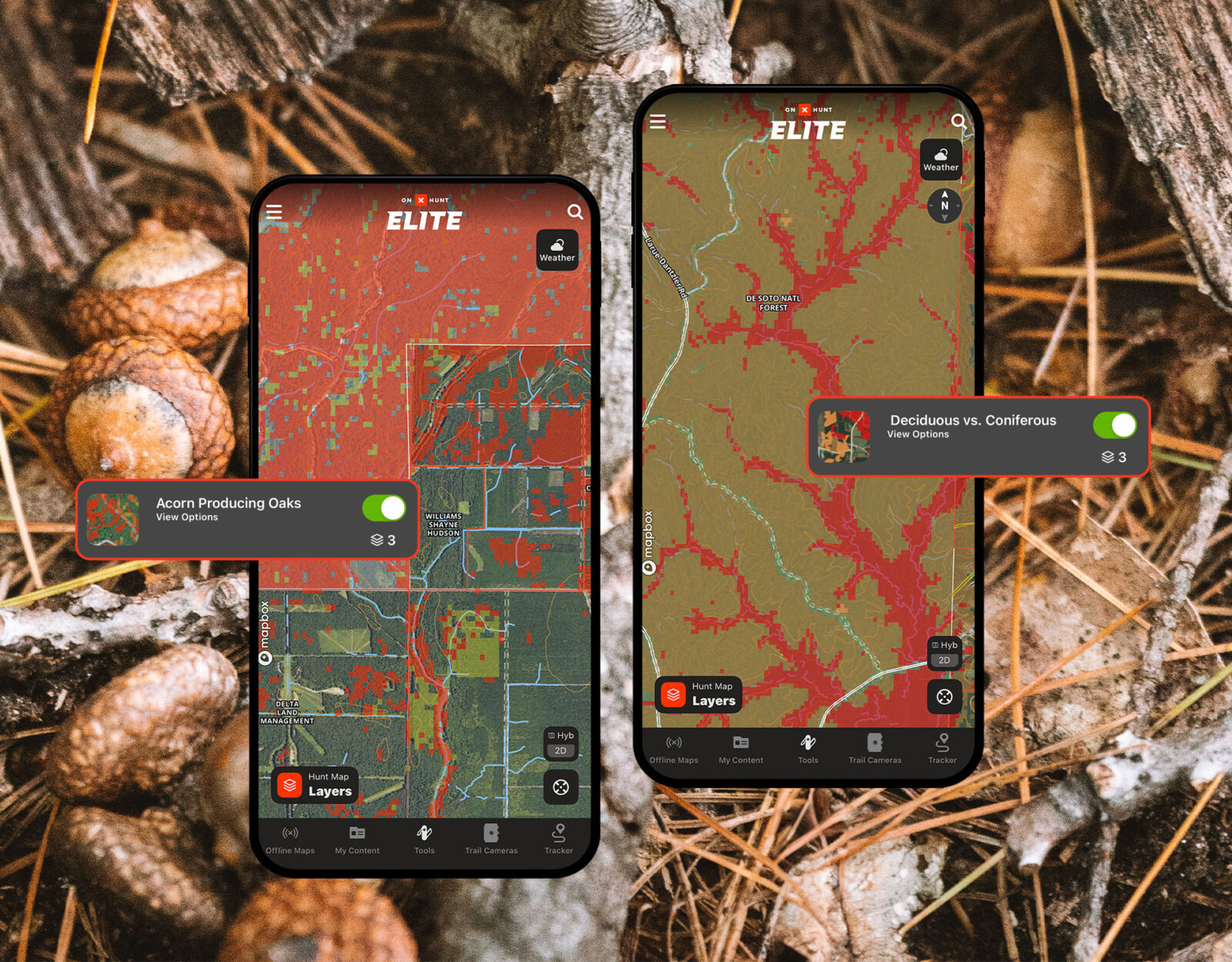
The Hunt App has multiple Map Layers to help you find edge habitat, including the Acorn-Producing Oaks Map Layer and the Deciduous vs Coniferous Map Layer.
Food Sources
In ag country, look for soybean fields, corn, alfalfa, or milo. In big woods, acorns rule the roost as well as native grasses and different types of green feed like green briars and crabapples.
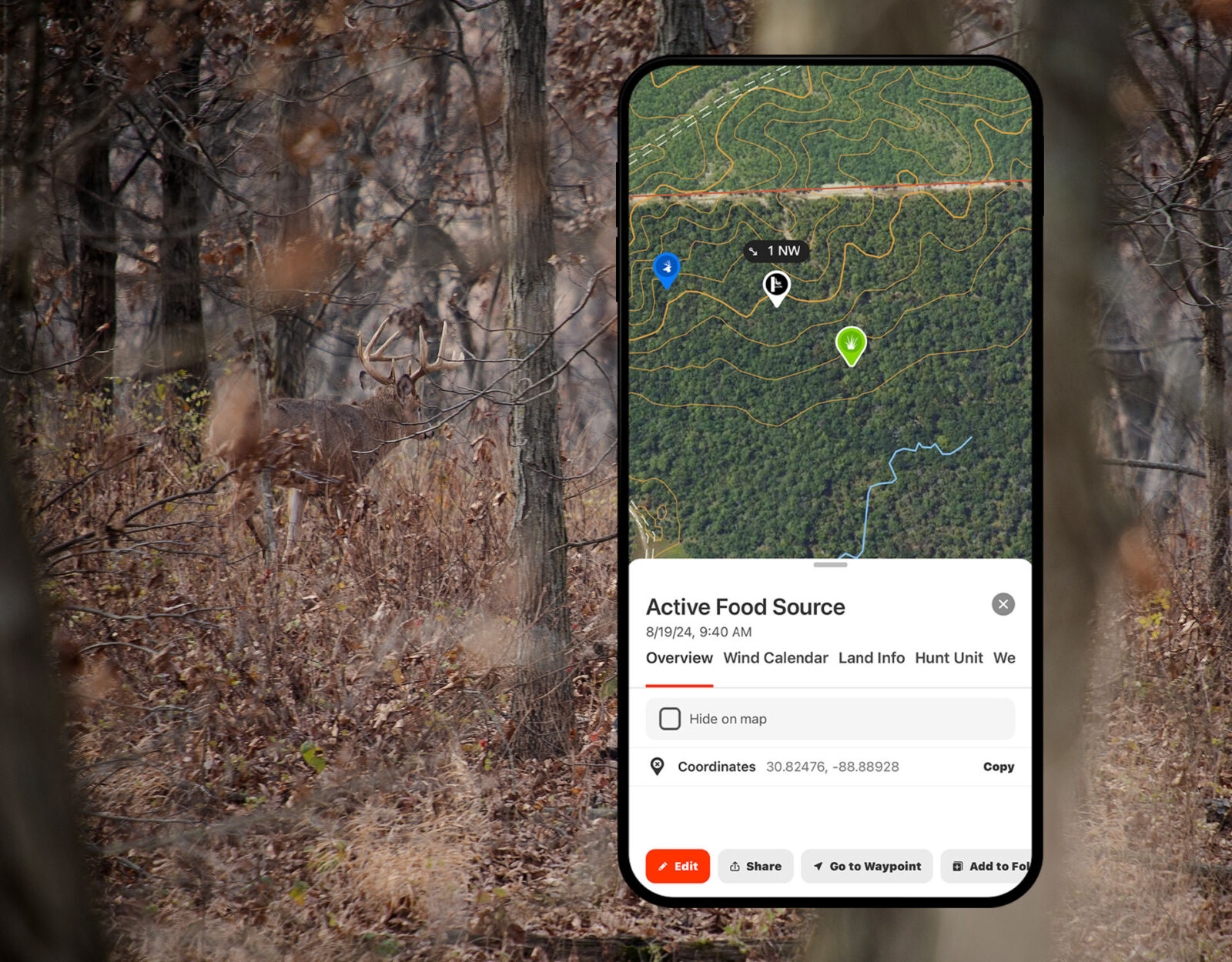
If you find a bean field littered with scat and fresh tracks and worn trails leading to it, mark this spot as an active food source. If a food source doesn’t showcase fresh sign, ignore it for now.
Water Sources
Typically, when you find a water source, you’ll find fresh deer sign. During the rut, a deer will need to drink daily. Look for secluded water sources, like hidden creeks, streams, and small ponds, as the cover gives deer more security when they come to get water. Putting a trail camera on a water source is a great way to monitor when and how often deer are drinking and these can be good areas to hunt over.
Adapted from an article by Clint Casper.