Deer Bedding 101
Learn the finer details of deer beds, including where to find them and how to hunt them.
What Makes Good Deer Bedding Areas?
Bedding areas, where deer spend most of the day and a good portion of the night, are critical to their survival. A good bedding area provides security, proximity to food and water, and escape routes to avoid danger. When scouting for bedding areas, look for these features:
- Elevated position: Most deer beds will have an elevated position, like a ridge knob or spur ridge with a big drop-off below. These spots provide deer with a panoramic view.
- Good “backing”: Look for areas with fallen trees, logs, a highway, pond, or other structure that makes it difficult for a predator to ambush them from behind.
- Food and water: A deer does not want to burn precious calories for food and water. Instead, they’ll find bedding areas close to good feed and water with good cover. Imagine a briar thicket on a ridgeline adjacent to a standing bean field.
Buck Bedding vs. Doe Beds
Buck Bed Characteristics
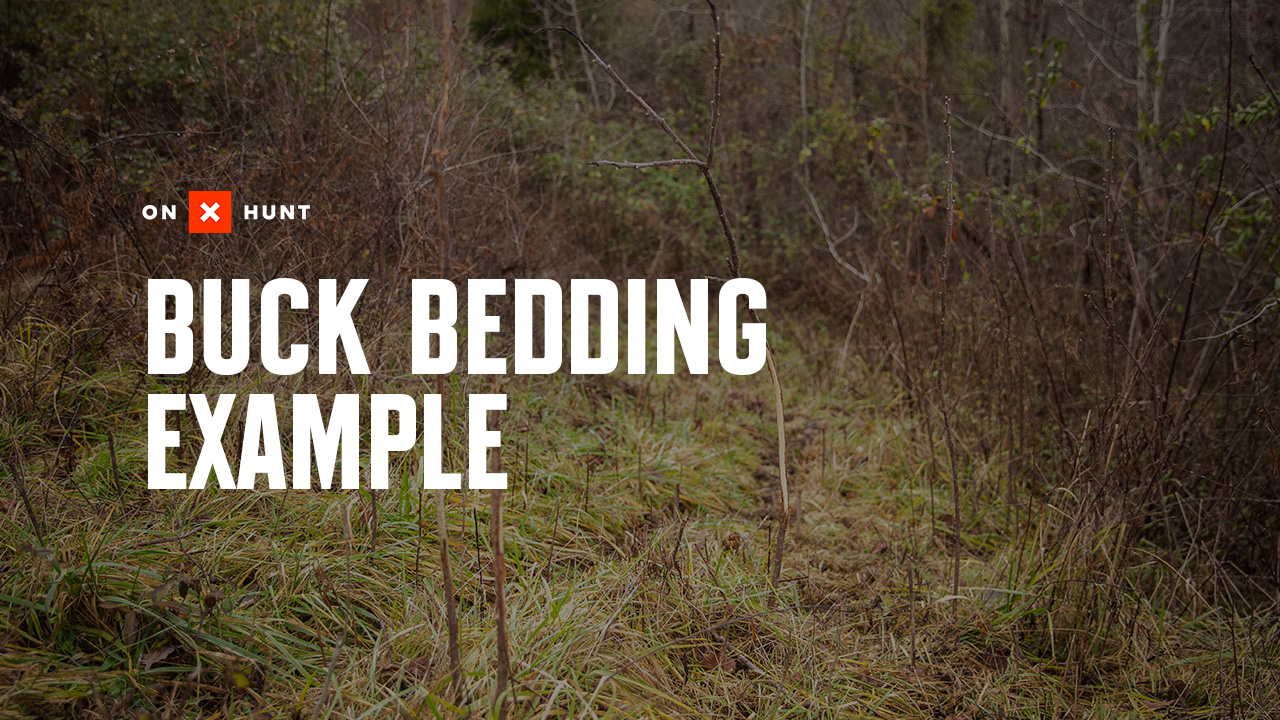
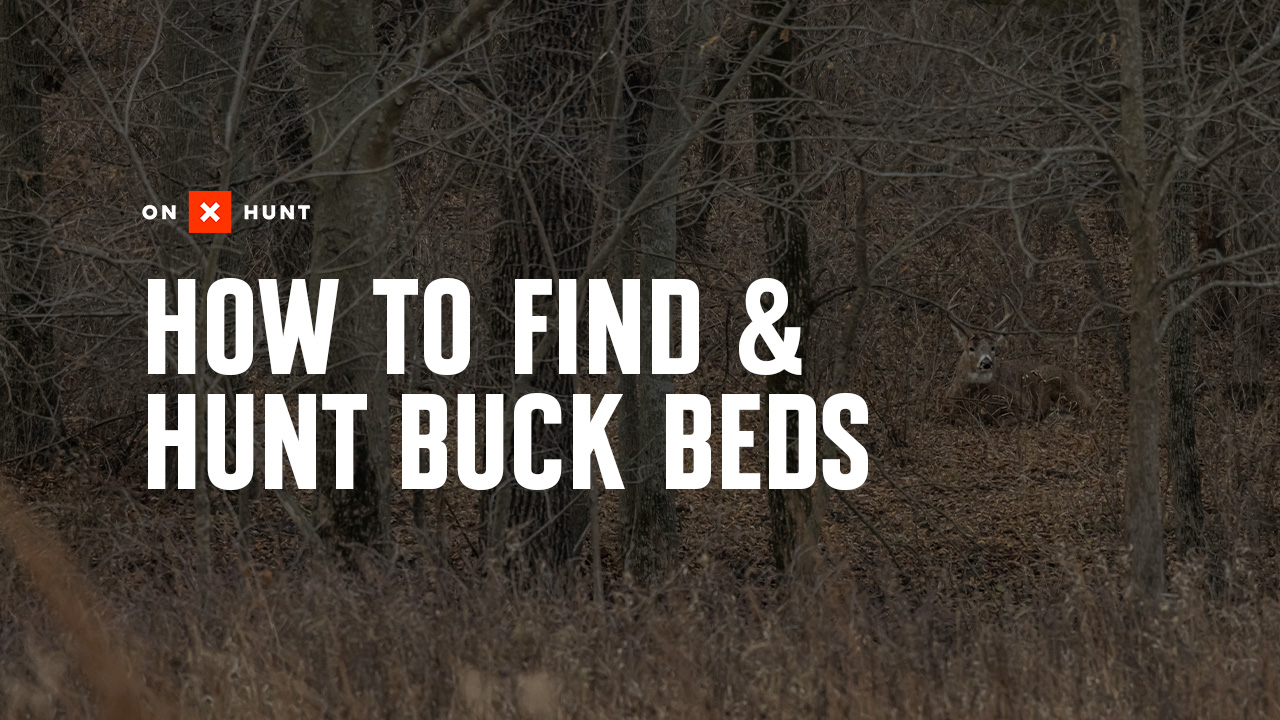
A buck bed will be large: a few feet long by about two feet wide. You’ll see large buck tracks in the bed and nearby. Look for other buck sign around, like rubs and scrapes. Also, look for buck scat—large clumps should be on the edges of the bed. There may be a few beds close by, as a buck may change his viewing direction throughout the day as the wind switches. These will be close together and in the same spot.
Doe Bed Characteristics
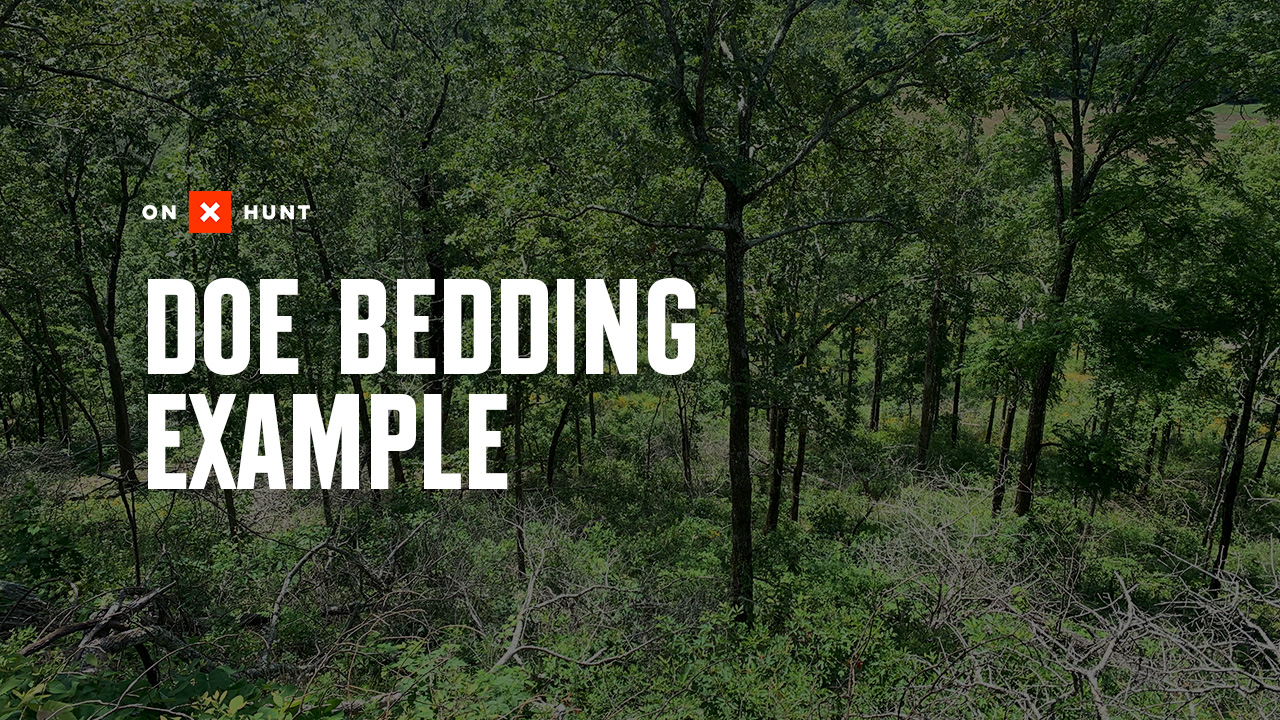
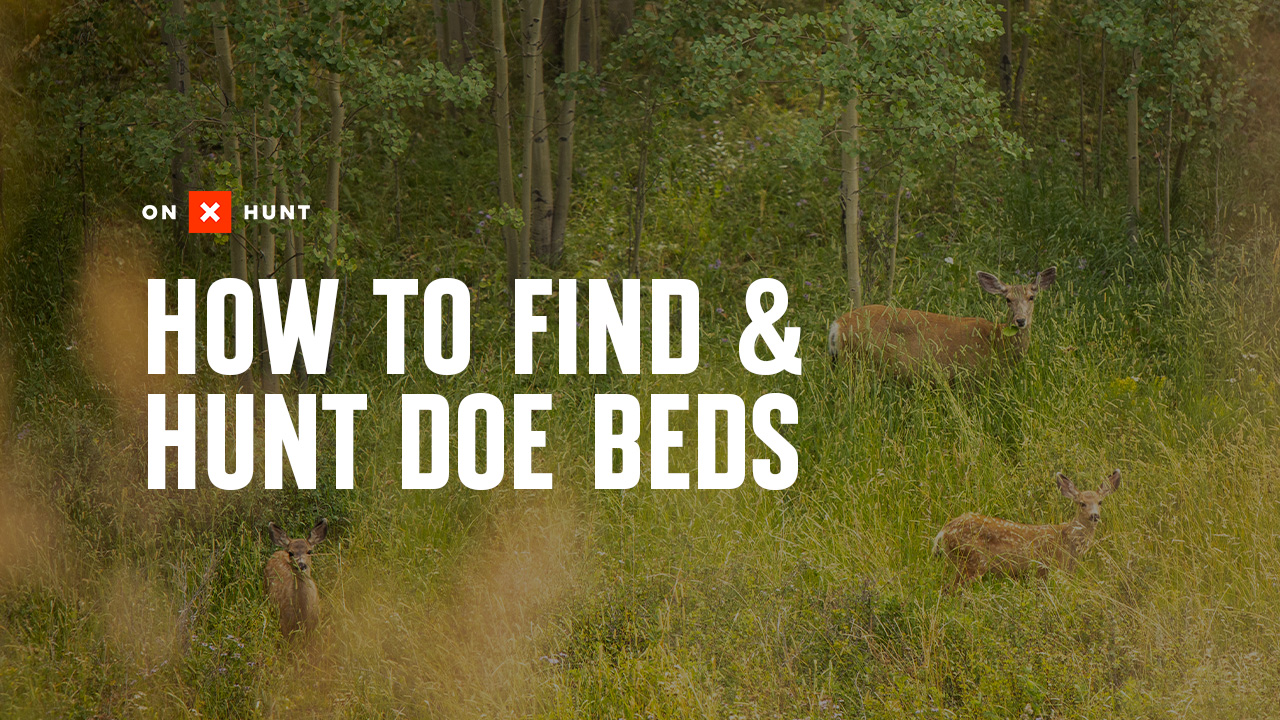
Doe beds have a ton of deer sign in and around them—doe bedding areas typically hold a lot of deer. Does can run in large groups, and will bed in large groups as well. When you find a doe bedding area, you’ll find a ton of beds and a ton of tracks, trails, and scat. Large doe groups beat down trails leading to and from bedding areas, making it easy to tell that a group is staying there frequently.
Does typically bed closer to food sources than bucks, often right off the edges of them. Unlike a buck, does are more concerned with ease of use than security because doe groups benefit from having a bunch of eyes, ears, and noses—versus a buck, who relies on himself.
Finding Bedding Areas
How To Find Buck Bedding Areas
How To Find Doe Bedding Areas
Timing and Tactics for Deer Bedding Areas
When Buck Beds Matter
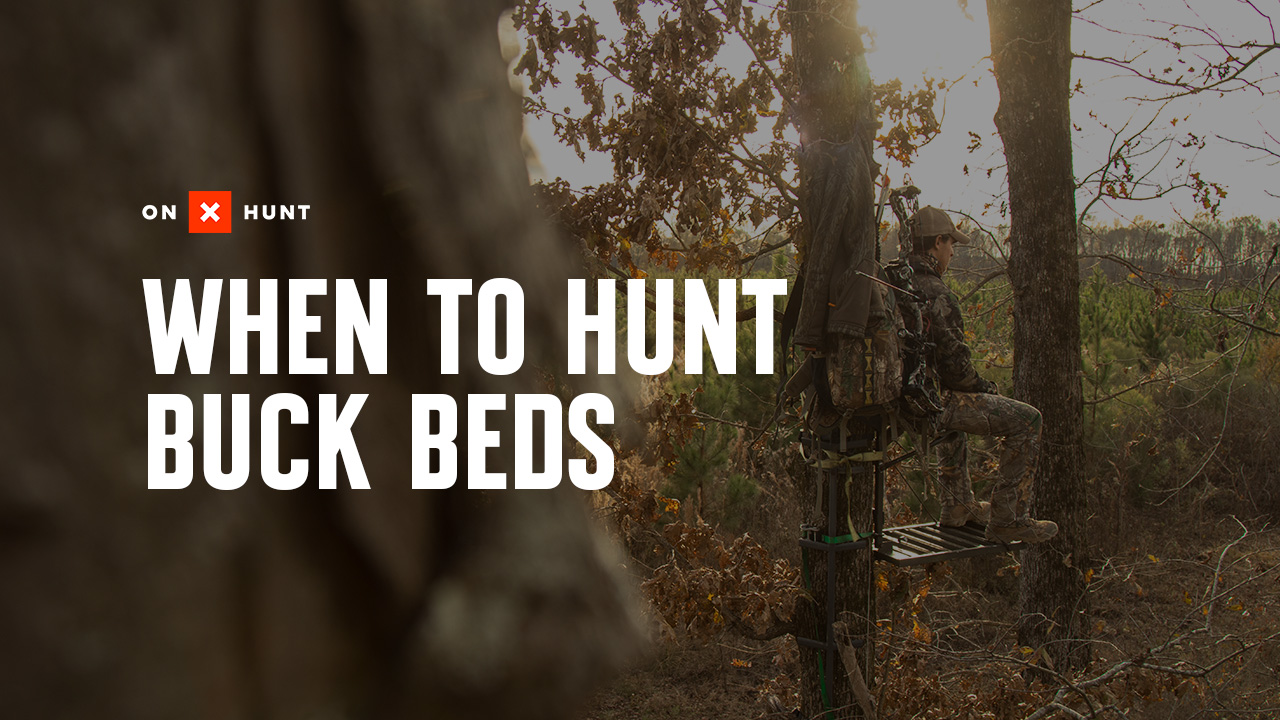
Early and late season are the most important times to know where a buck is bedding. During these times, a buck is on a strict bed-to-feed, feed-to-bed pattern. Locate the bedding area, and then find the primary food source. From there, get close to the bedding area, but not right inside it, and set up your ambush. You want to catch the deer as he leaves his bed and heads to his evening feeding area. This is his staging area and where he will be most relaxed.
When Doe Beds Matter
Doe beds are equally important as buck beds, but for different reasons. For one, does typically bed in a different area than bucks, and it’s important to know where the local does bed when setting up a game plan for a buck. Steer clear of doe bedding areas when entering and exiting your buck setups because you don’t want to tip off the local doe herds.
Knowing where does bed helps during the rut, too, since rutting bucks will be where the ladies are. Hunt right next to their bedding area to catch bucks seeking estrous does.
Adapted from an article by Clint Casper.