Rifle vs. Bowhunting
Learn the pros, cons, and costs of rifle hunting vs bowhunting.
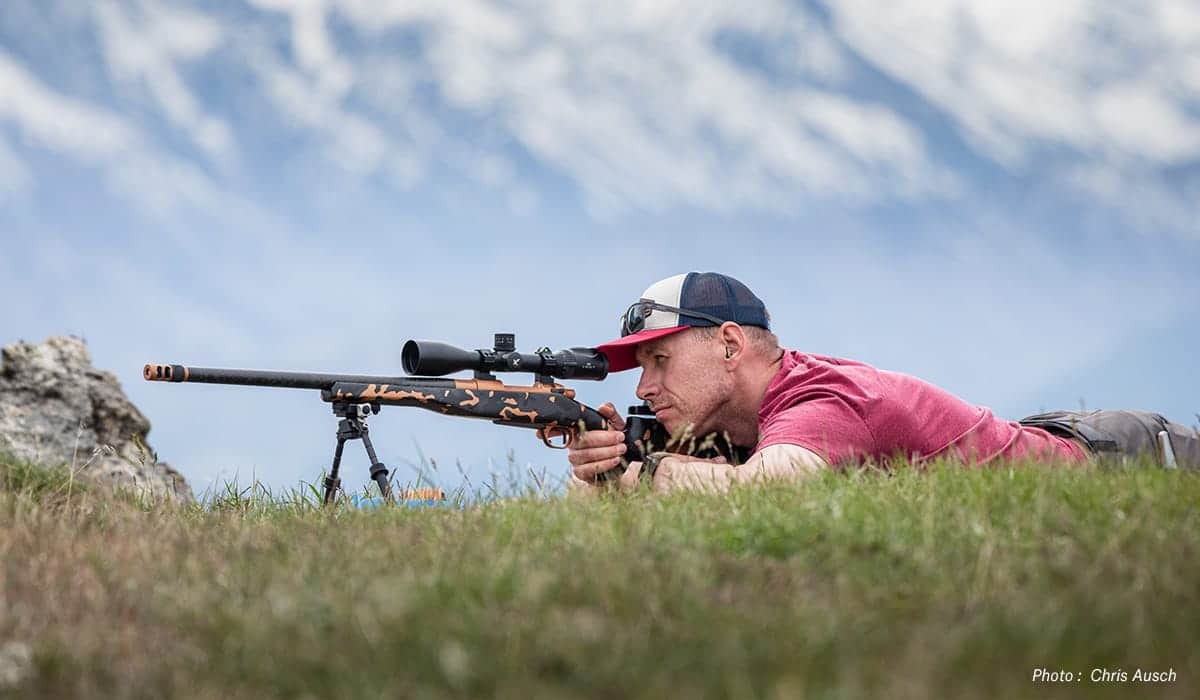
A Case for Rifle Hunting
Pros of Rifle Hunting
- Ability to harvest game at longer distances (between 50-300 yards).
- With practice, scopes allow for pinpoint shot placement.
- A powerful weapon that takes down big game more easily.
- Less physically demanding to shoot than typical bows.
- Requires less time to develop skills.
Cons of Rifle Hunting
- Must have land or gun ranges for practicing (up to 200 yards minimum).
- More restricted on some hunting districts.
- Typically shorter seasons (and more competition).
- Must draw special tags for most antlerless deer or elk hunting opportunities.
- Ammunition is expensive and a recurring cost.
- Risk of more damaged meat, or losing meat to lead exposure.
The Basic Cost of Rifle Hunting
- Average cost of a new mid-level, big game gun (.30/06, .243, .270, .300, 7mm) is between $750-$1,500+.
- Mid-level scope averages $500, but experienced hunters say the scope should cost as least as much as the rifle, if not more.
- One box of 20 cartridges averages $60.
- Gun cleaning kit and trigger lock are around $75.
- (Optional) gun safe will run between $400 and $1,500, depending on size and features.
- Blaze orange clothing can be $20 to $100.
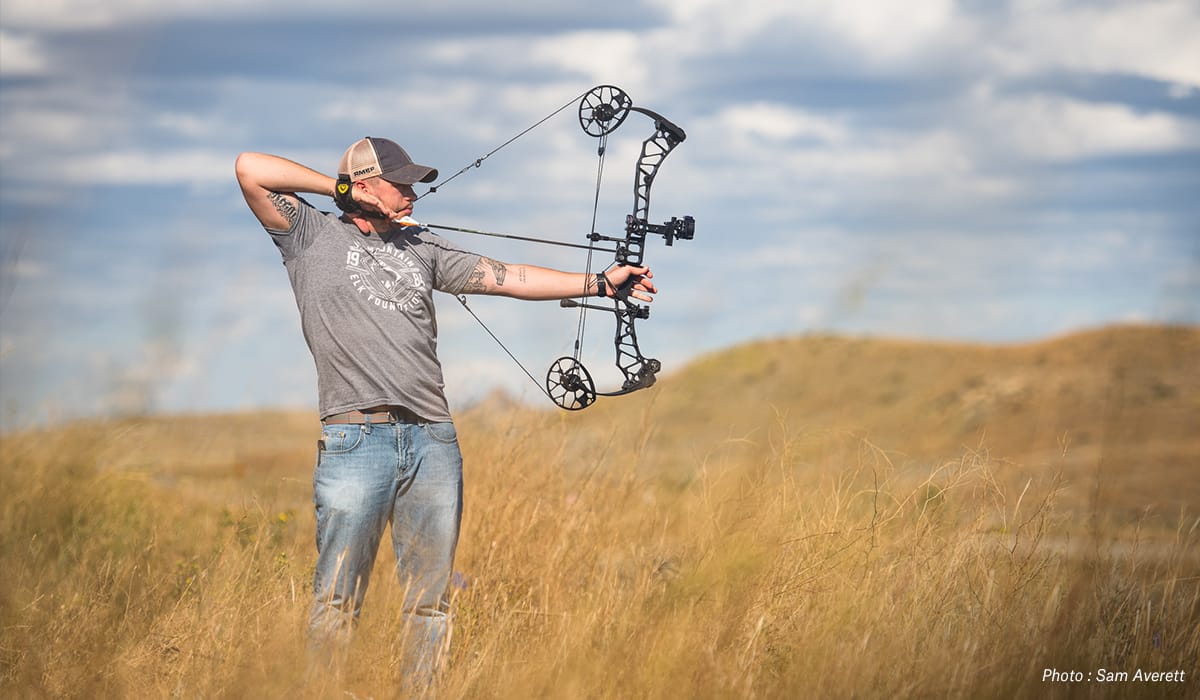
A Case for Bowhunting
Pros of Bowhunting
- Longer hunting seasons, on average. Plus earlier and later seasons than gun hunting.
- In Western states, archery seasons overlap peak elk rut.
- Do not need a lot of room to practice.
- Do not need to keep buying boxes of shells for practice and hunting. Arrows are reusable.
- Bowhunting opens up access to more than big game. Turkey, bear, and grouse can be taken with the same bow.
- In many states, antlerless game can be taken with over-the-counter tags.
- No risk of damaged or lead-exposed meat.
- Special access to hunting units in some states (including inside city limits, along river bottoms, or near developed areas) since the effective range of bowhunting is much smaller than with guns.
Cons of Bowhunting
- Getting close to big game is difficult. Odds of success might be lower for newer hunters. Most game will be taken between 10-50 yards.
- Things wear out more quickly. Strings need replacement every few years and parts break.
- Archery season can be hot, so extra care must be taken to preserve game meat.
- Most rutting activity for deer takes place well after early archery seasons.
- Requires a certain amount of physical ability to draw a bow.
- Risk of not mortally wounding the animal. A shoulder shot with a rifle will take down an animal, but if you don’t make a heart or double-lung shot with your bow, the animal is likely to run, adding to the risk you might not recover it.
- Demands more practice (for some, this is pro and part of why they like bowhunting).
The Basic Cost of Bowhunting
- Average cost of a new mid-level, compound bow is between $750-$1,250.
- Pin sight, stabilizer, release up to $500 for all.
- Arrows run about $75-$150 per dozen.
- Broadheads for arrows average $15 each.
- Practice targets run $50 to several hundred dollars (from square blocks to 3D targets).
- (Optional) High-end, scent-blocker camouflage can be up to $1,000 for a full set of camouflage clothing.
Your Choice
Whether you choose a rifle or a bow depends on personal preference, access to places to shoot (for practice and hunting), local regulations, mentors, budget, commitment level, and hunting goals.
Still not sure? Try them both. Find people who will take you to the gun range for a day. Talk to your local archery store and try to sling some arrows. Scout the land around you and find out which tags line up with your life’s schedule better.