How To Start Hunting
Learning how to start hunting as an adult means working through a handful of steps in order: get hunter safety certified, understand the regulations, pick a method, find a place, gather the basic gear, and, if possible, connect with people who already do this.
None of it requires a prior hunting family pedigree. It requires a path, and the willingness to walk it one step at a time.
Learn the Hunting Regulations in Your State
Hunting regulations can be complex, and there’s no use pretending otherwise. Each state writes its own rules, releases them annually, and uses its own terminology. But the complexity has a purpose. Regulations exist to conserve the wildlife you want to pursue by controlling how many animals are harvested, which sex, and when.
When you buy a license, tags, a firearm, and ammunition, you’re funding conservation directly and supporting wildlife management. The Pittman-Robertson Act, signed in 1937, places an 11% excise tax on long guns and ammunition and a 10% tax on handguns, and routes that money to state wildlife agencies. It has generated more than $29 billion for wildlife conservation since it passed.
In fiscal year 2024 alone, the U.S. Fish & Wildlife Service apportioned $989.5 million to the states, and the FY2025 figure climbed to $1.3 billion. Your first license isn’t purely paperwork. It’s a contribution to the North American Model of Conservation.
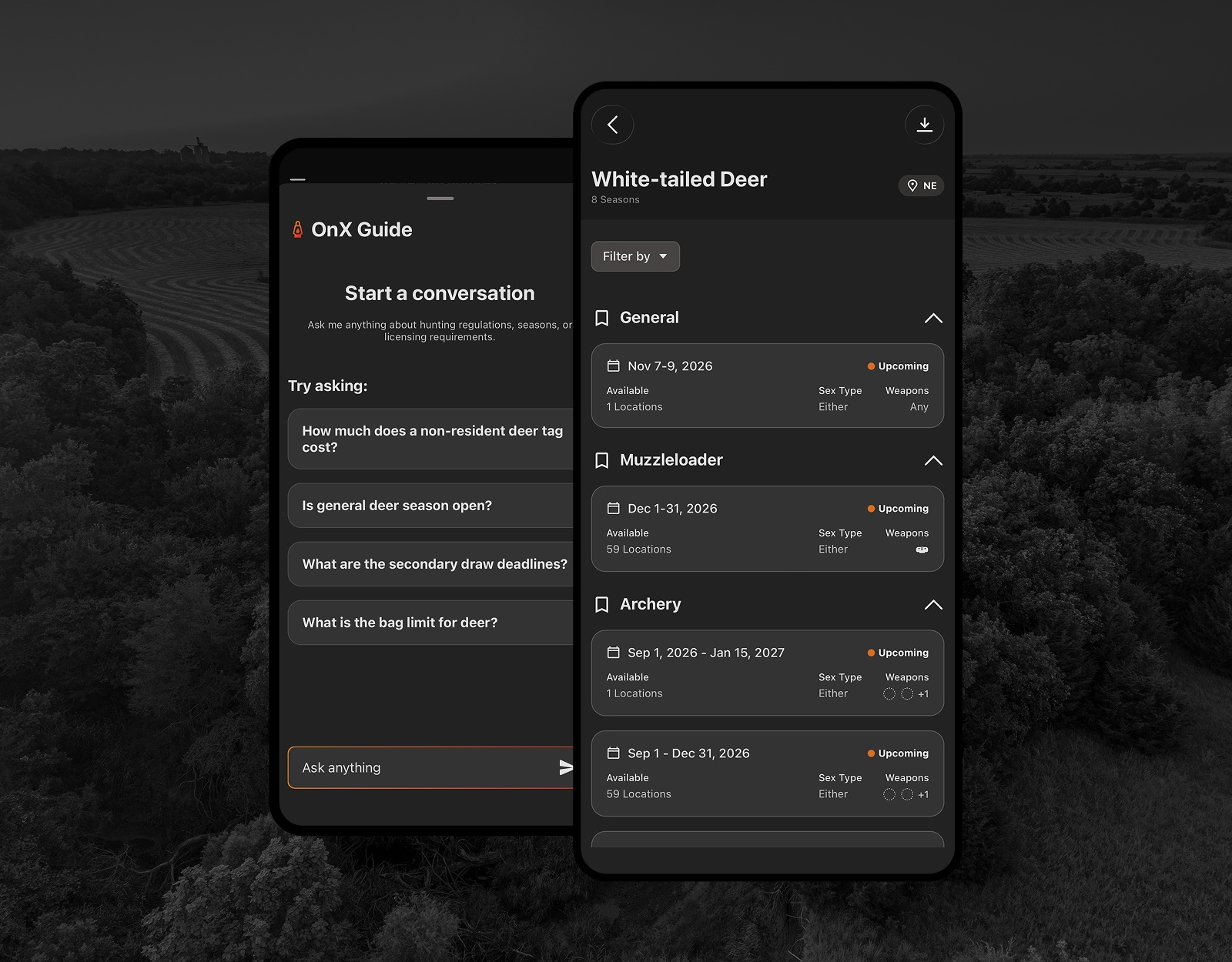
Two tools make the regulations easier to navigate. Start with your state wildlife agency’s website, which is the official source for everything. Then check FieldRegs by onX (Apple or Google), which aggregates state hunting regulations by species and location into a format that’s readable and easy to access in the field. Between the two, you can answer most first-season questions without a phone call.
Hunter’s Ed
Hunter safety is mandatory for new hunters nearly everywhere in North America. You must pass an online and/or in-person course before you can buy a hunting license. Some states’ courses take only a few hours online. Others require a full day (or more) in the field. Take as much training here as you can. It can prevent accidents and save lives.
Certified courses cover hunting ethics, equipment, habitat conservation, firearm safety and handling, hunting laws and regulations, wilderness survival skills, and wildlife identification and management. Knowing these things will give you confidence in the field. It’s easy to find a course in your area by searching online or calling your local wildlife agency.
One more course worth taking: bowhunter’s education. It’s a separate certification, available online in a few hours, and it goes deeper than standard hunter’s ed on shot placement, blood trailing, and woodsmanship. Take it even if you plan to hunt with a firearm first. The research is consistent on this point: adults who complete more structured education steps convert to active hunters at higher rates. Extra schooling is one of the better predictors that you’ll get out there.
Licenses, Permits, and Tags
A hunting license is an annual requirement that says you have the training, legal standing, and ability to hunt in a particular state, during specific seasons, for single or multiple species. It’s the foundation of your permission to hunt, and it’s a prerequisite for holding tags and permits. Each state releases its own regulations annually, so check yours for what’s required.
You may be buying a rifle hunting license, a bowhunting license, or both, as a resident or non-resident. Having a license, though, doesn’t always mean you can hunt any in-season animal. You’ll likely need a tag too. The license says you can hunt. The tag identifies what you can hunt, where you can hunt, and when you can hunt.
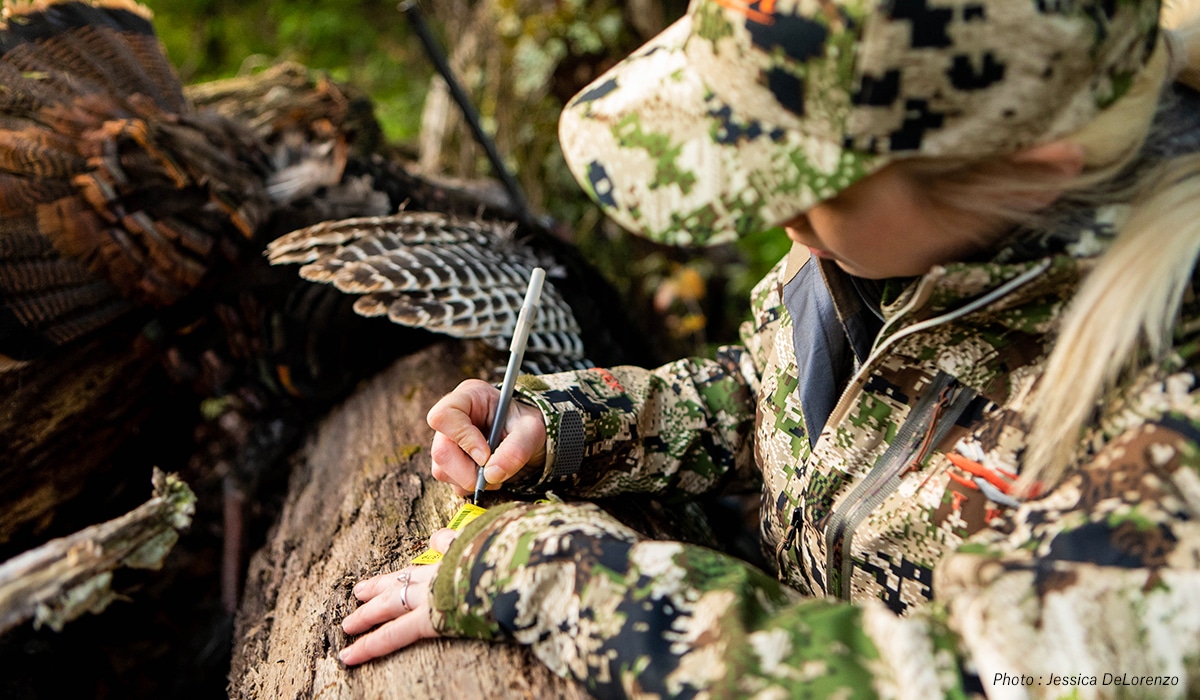
Hunting tags are the physical pieces of paper you attach to an animal after you’ve harvested it (or, in a lot of cases today, they’re specific items you download to your mobile device from your state wildlife agency’s app). They’re specific to each species. Elk hunters need elk tags. Deer hunters need whitetail or mule deer tags. Waterfowl hunters need a Federal Duck Stamp. To hold a tag, you must have a valid hunting license. Some tags you can buy at a local sporting goods store or online. Some you have to draw in a lottery system (more on that below). Some states offer tags for specific sexes.
Permits work in tandem with tags and licenses, giving you permission to hunt certain animals in certain districts at certain times. The nomenclature gets confusing, because not all states use the same terms the same way. For example, Pennsylvania sells permits, not tags. In other cases, the words are interchangeable. Many western states use both. When in doubt, check with your local wildlife management office to get the terms right.
Limited Draws and Lotteries
Some species in many states require you to apply for tags through a lottery draw, sometimes six to 10 months before the season opens. Western big game draws for elk, pronghorn, bighorn sheep, and mountain goat run December through June for fall seasons, which means a first-gen hunter who discovers hunting in late summer has already missed most of that fall’s deadlines.
The move is to apply early, even in a year you don’t plan to hunt, because preference points accumulate year over year and build toward future draw success. Find species-specific draw deadlines at your state wildlife agency website and put them on your calendar now.
Looking for help here? Check out Hunt Research Tools.
Hunting Seasons, Explained
All hunting seasons have a purpose, and they are designed with conservation in mind. Seasons are planned, changed, and managed at the state level by wildlife agencies. By limiting the number, sex, and types of species that can be harvested, and when, a state can effectively manage an animal’s overall population health.
The timing of most seasons factors in a species’ biology and behavior. Deer season generally falls in fall and winter and covers the rut, when bucks mate with does. If deer season came much earlier, it would interfere with fawn rearing.
You’ll see this with turkey season too, which runs in spring (and sometimes fall). Spring is when male turkeys (toms) are ready to fertilize eggs, so they’re looking for hens. Hunters take advantage by calling toms in, sounding like a hen or like a rival tom challenging for the flock. Migratory bird seasons are usually synced with migration, plainly enough. Each state’s season is timed for when ducks and geese pass through.
You’ll also notice different seasons for different weapons. Bow season (usually a compound bow or traditional bow) most often runs before and/or after rifle season. The main reason they don’t overlap is hunter safety. Bowhunting requires getting close, which means camouflage, while rifle season often requires blaze orange so hunters can see one another.
How To Choose Your Method of Take
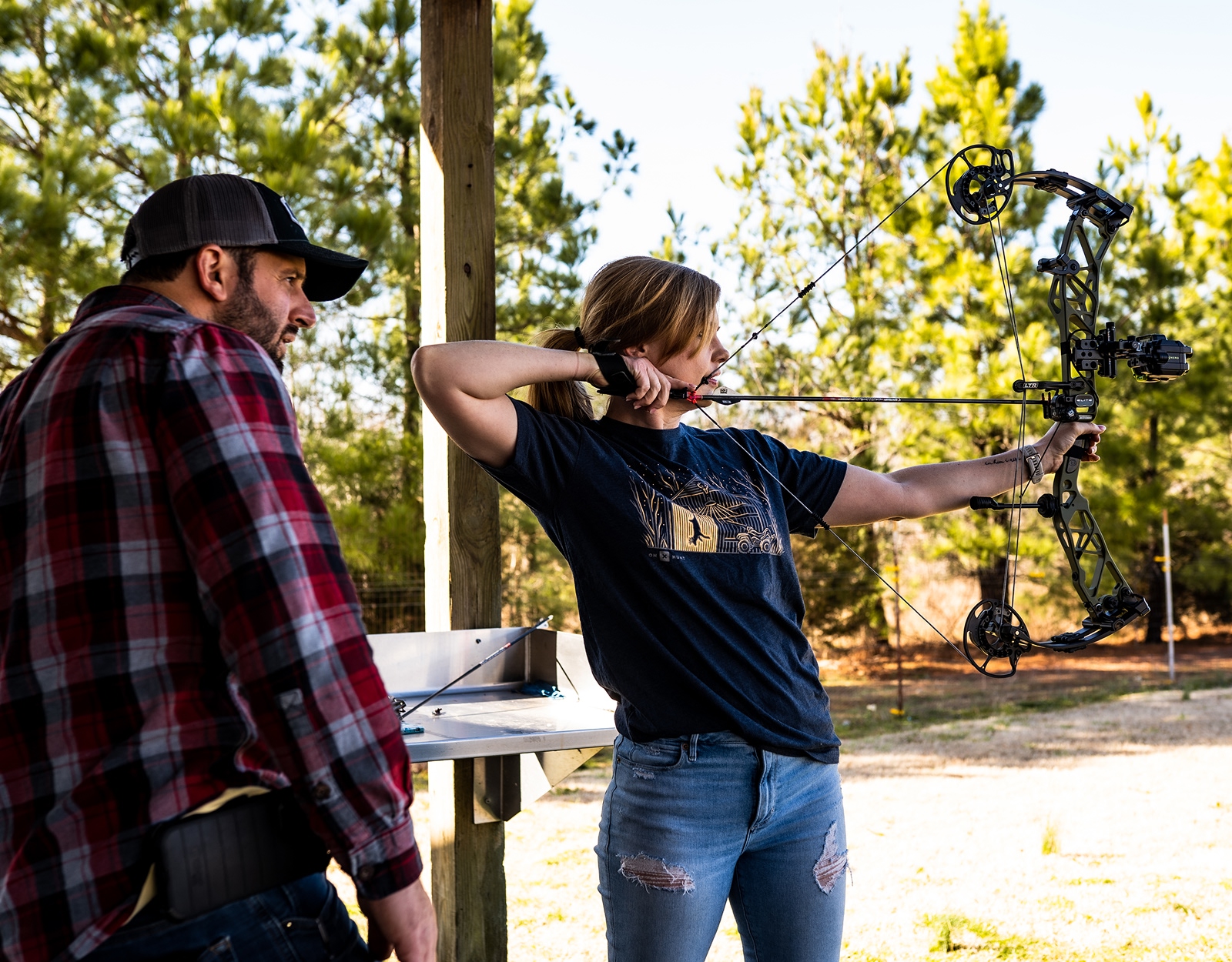
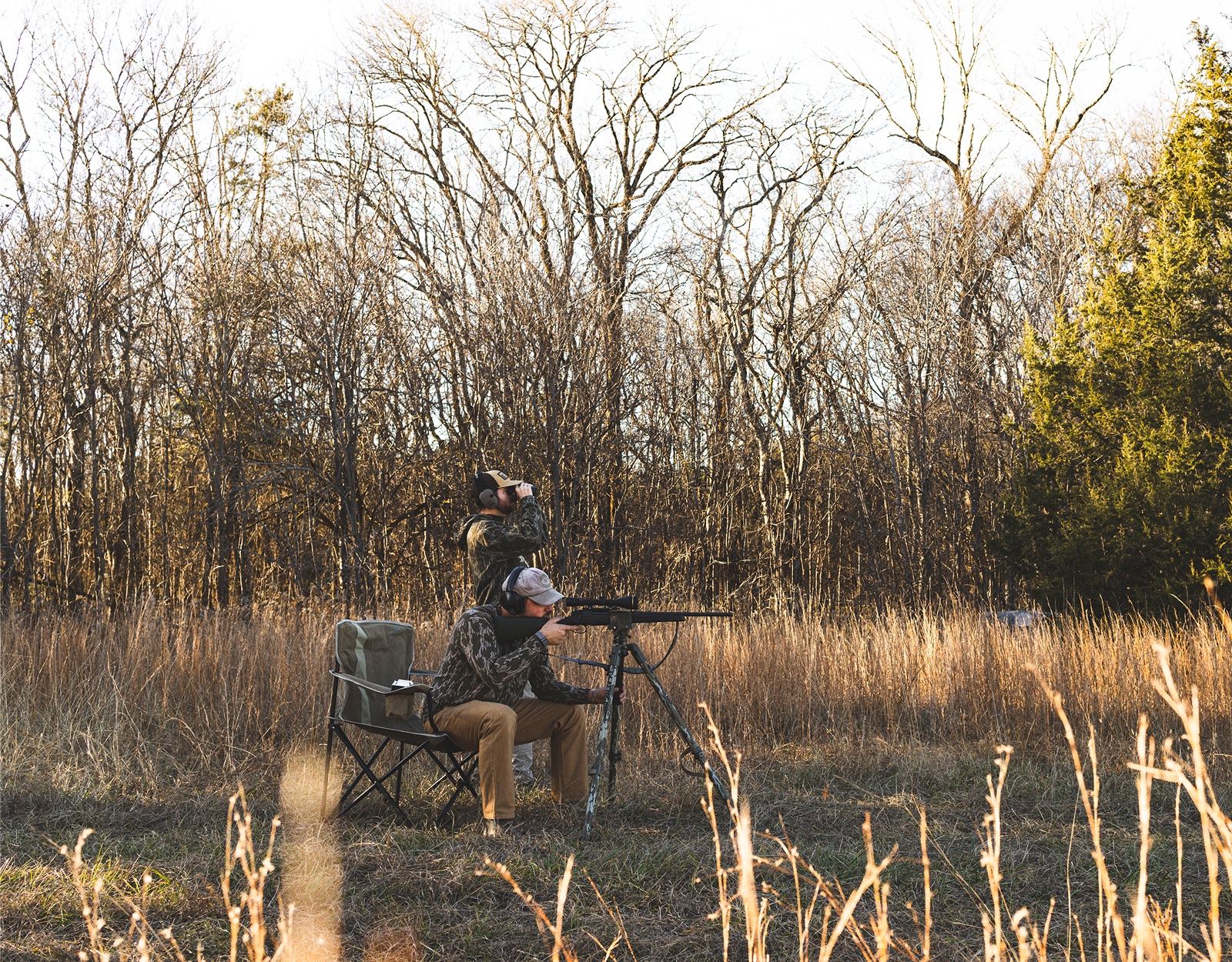
Your first real decision is whether to hunt with a firearm or a bow. Many hunters use both, but if it’s your first time, it’s easier to master one first. And no matter which you choose, plan on months of practice before your first trip, then practice as much as you can between seasons.
There’s crossover between the two, but each is really its own thing. Most people start with a rifle. Here’s the short version of what’s available and framed around the quarry you’re after rather than gear preference:
- Rifle: The most common starting point. Versatile across deer, elk, and other big game, with the longest effective range.
- Shotgun: The tool for turkey, waterfowl, and upland birds, and for big game in shotgun-only zones.
- Muzzleloader: A single-shot, primitive-style firearm with its own (often longer) seasons in many states.
- Crossbow: Easier to learn than a vertical bow, with archery-season access in many states.
- Compound bow: The standard modern archery choice. Requires close-range skill and more practice.
- Traditional bow: A recurve or longbow for hunters drawn to the challenge of getting very close.
Match the weapon to the animals you want to hunt and the seasons you want to be in. If whitetails on public land are the goal, a rifle is the simplest path. If you want the long archery season and don’t mind the learning curve, a compound bow earns its keep.
Learn To Shoot
Every guide tells you to practice. Almost none tell you where. If you don’t have family land or a buddy with a back 40, finding a place to shoot is one of the first real barriers you’ll hit. Here’s how to clear it.
- NSSF’s wheretoshoot.org is a locator for certified shooting ranges near you, and the fastest way to find one.
- Local gun clubs and rod-and-gun clubs often have affordable memberships and supervised range days, plus members happy to help a beginner.
- Sporting goods stores with indoor ranges (Bass Pro Shops, Cabela’s, and many local shops) let you practice without owning a setup yet.
- For archery, most archery shops have indoor ranges for walk-in practice. Use USA Archery’s club finder to locate one nearby.
- onX Hunt’s Western Shooting Course walks you through the fundamentals of shooting at distance and in the field.
- State hunter’s ed field days include hands-on shooting components, so your certification can double as your first range time.
- BLM and National Forest land is free to target shoot in designated areas. Verify the spot is legal and open using onX Hunt’s public land layers before you go.
Pick one, go often, and get comfortable well before opening day. Confidence in the field starts on the range.
Finding Land To Hunt
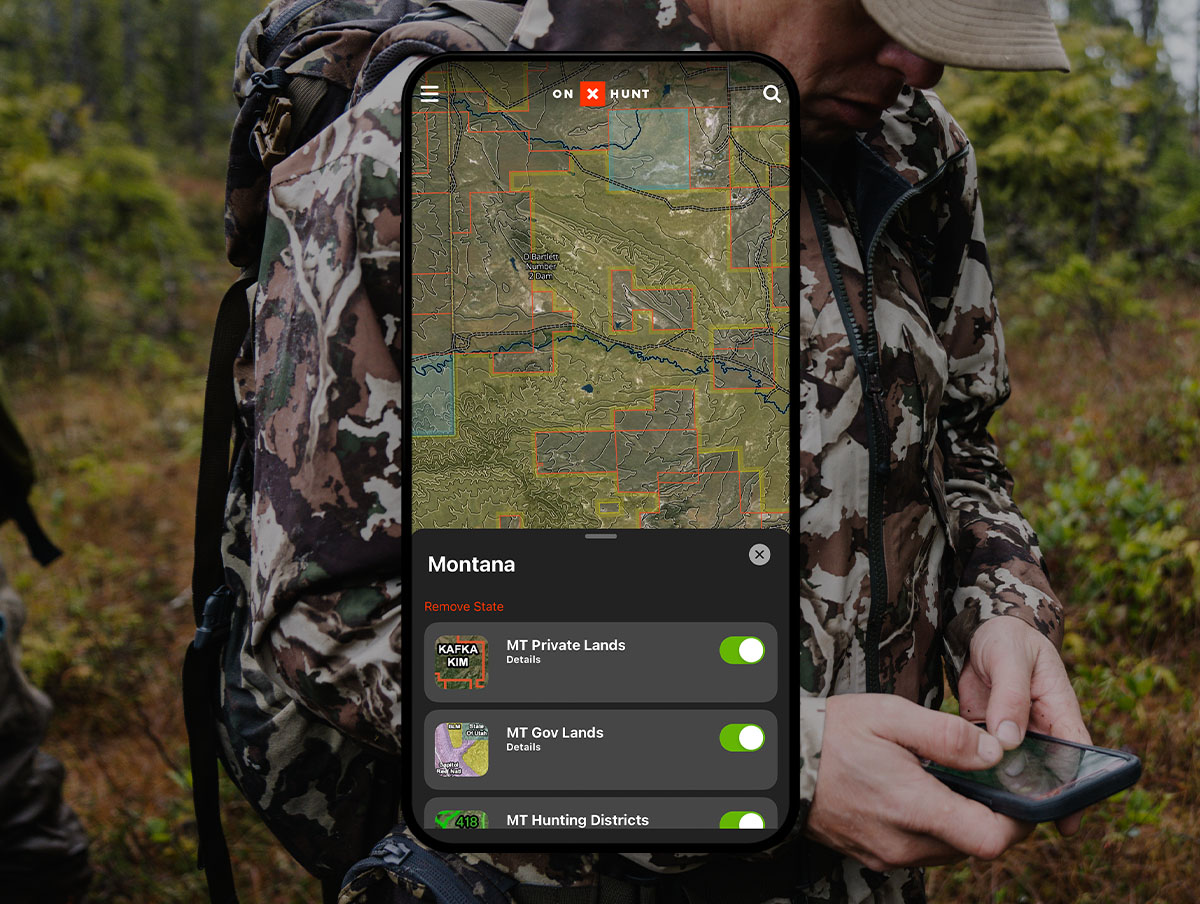
New hunters often turn to public land for their first hunts. BLM land and National Forests are open to hunting with a valid license in most states; they’re easy to access, and there’s a lot of it. The catch is knowing exactly where the public ground ends and private property begins.
That’s the problem onX Hunt was built to solve. The Hunt App maps public versus private land at the parcel level, so you can confirm access, find parking, and plan your route before you ever leave the driveway. Some hunters also use the landowner information in the App to knock on doors or write letters asking permission to hunt private ground, which is a good option for a lot of people.
Don’t overlook walk-in access programs, either. These open private land to public hunters by agreement with state agencies, and beginners miss them constantly:
- PLOTS in North Dakota
- WALK in Kansas
- Walk-In Access in Montana
- WIHA in Wyoming
Once you’ve found a likely area, scout it from home. The Hunt App is built for e-scouting and marking Waypoints for spots to check in person. Look for what animals look for: food, water, and cover. Mark anything interesting, then swap the Waypoint color once you’ve seen it on foot. Love the spot? Make it green. Strike out? Make it red and move on.
Beginner Hunting Gear
You need less than the catalogs suggest. Start with function, not fashion, and add as you learn what your hunting demands. Never leave the house without these:
- Hunting knife
- Water (and a plan to get more)
- First aid kit
- Good boots
- Proper layers and rainwear
- Navigation tools
- Headlamp
- Emergency supplies (water purification system, extra food, shelter)
That’s the beginner hunting gear kit. Borrow what you can for the first season, buy used where it makes sense (pawn shops and local classifieds are full of serviceable rifles and packs), and spend your money on the things that keep you safe and comfortable: boots, layers, and a good knife.
What Does It Actually Cost to Start Hunting?
Here’s a general breakdown based on resident tags. It’s common for non-resident tags to cost considerably more:
- Hunter’s ed: free to about $30.
- Hunting license: roughly $20 to $50, depending on state and residency.
- Tags: vary by species and state (whitetail tags often run $10 to $40).
- Minimum functional rifle setup: about $800 for a used rifle, a basic scope, and ammunition.
- Basic clothing and safety gear: $100 to $400.
You can get into your first deer season for a few hundred dollars if you’re willing to buy used and borrow. The cost is real, but it’s lower than most people assume if you’re hunting in your state of residency.
Finding Your Hunting Community
A study from Southwick Associates and DJ Case & Associates, commissioned by the International Hunter Education Association in 2024, found that a significant share of hunter’s ed graduates never buy a license, and the deciding factor isn’t interest. It’s social support. The graduates who become active hunters tend to have a friend, a family member, or a mentor in their corner. The ones who don’t often stall out despite genuinely wanting to hunt.
If you’re starting without a hunting network, you’re not stuck. You just have to build the network on purpose, and there are organizations designed to do exactly that:
- Backcountry Hunters and Anglers (BHA): $25/year membership, with local chapters that host mentored hunts and intro-to-hunting events in most states. One of the fastest ways to meet experienced hunters near you.
- Becoming an Outdoors-Woman (BOW): Free or low-cost workshops for women 18 and up, run through state wildlife agencies in 35+ states. Covers firearm safety, field dressing, species ID, and more in a judgment-free format. Founded in 1991, the program’s “women only” environment is the very thing participants credit for finally getting them into the field.
- Hunters of Color: A national organization supporting BIPOC hunters and anglers with mentorship, community, and resources.
- NWTF Women in the Outdoors: Workshops focused on bringing women into hunting.
- State Learn to Hunt programs: Many state wildlife agencies run free or subsidized mentored hunts. Call your regional wildlife office or check your state agency website.
There’s a reason this section gets its own place on the list. Adults who go through structured program events, a mentored hunt, a workshop, a seminar, convert to active hunters at measurably higher rates than people who try to figure it all out alone. You have intrinsic motivation, which is the hard part to manufacture.
Field Skills To Build
Every species rewards a slightly different approach. Here’s what a beginner really needs for a first season. None of these are full tutorials, but they’re enough to get you started and pointed in the right direction.
Deer Hunting for Beginners
Whitetail deer are the most common entry point into hunting in North America. They’re widely available on public land in most states, tags are often over-the-counter, and seasons run fall through early winter, giving you a longer window than most other species. If you’re weighing where to begin, deer hunting for beginners is the path of least resistance.
- Start with a stand or ground blind positioned on a game trail between bedding and feeding areas.
- Wind direction matters more than camo pattern. Always approach your setup from downwind.
- Hunt mornings near bedding areas and evenings near food sources. That’s the standard starting framework.
- Use onX Hunt to read deer habitat: look for transition edges where fields meet timber, water sources, and thick cover near agriculture.
- Set realistic expectations. Many new hunters spend multiple seasons before their first harvest. That’s normal, and it isn’t failure.
Explore our Whitetail Collection for more.
Turkey Hunting Tips for Beginners
Wild turkeys are loud. The birds are vocal and responsive to calling, the gear list is short, and you call birds to you rather than tracking or stalking them.
- A simple box call or mouth call is plenty for a first season. Learn the basic cluck and yelp.
- Locate birds at first light by listening for gobbles on the roost, then set up between the roost and a likely strutting area.
- A portable ground blind hides most of the movement that gives beginners away.
Explore our Turkey Collection for more.
Duck Hunting Tips for Beginners
Duck hunting has the steepest gear and logistics learning curve of the four species here, but you don’t need a boat, a full decoy spread, or a trained retriever for a first season. The best duck hunting tips for beginners are about keeping it simple.
- Jump shooting (walking stream and pond banks and flushing ducks into range) requires only a shotgun, waders, and shells.
- Pass shooting (setting up near a flyway and shooting birds passing overhead) also works without decoys.
- A federal Duck Stamp ($25-29 annually) is required in addition to your state hunting license for migratory waterfowl.
- HIP (Harvest Information Program) registration is required, too. It’s free and takes a few minutes at your state wildlife agency.
Explore our Waterfowl Collection for more.
Elk Hunting Tips for Beginners
Elk hunting is physically demanding and logistically complex (there’s also increasingly fewer OTC tags, so you often need an application strategy), so it usually isn’t the ideal first species. But for beginners in the West, it’s a goal worth building toward, and these elk hunting tips for beginners will shape how you approach everything else.
- Most quality elk country requires a draw. Start building preference points now, even if you won’t hunt elk for several years.
- Physical preparation matters as much as scouting. Elk country is steep. Start hiking under pack weight at least six months out.
- Use onX Hunt to read elk habitat: focus on wilderness boundary areas, roadless drainages, and north-facing slopes with thermal cover.
Explore our Western Big Game Collection for more.