Sous Vide Method
Used in professional restaurants for decades, sous vide (pronounced sue veed) cooking is approachable for every hobbyist chef and hunter because it comes with one crucial guarantee: you can’t overcook the meat.
What Is Sous Vide Cooking?
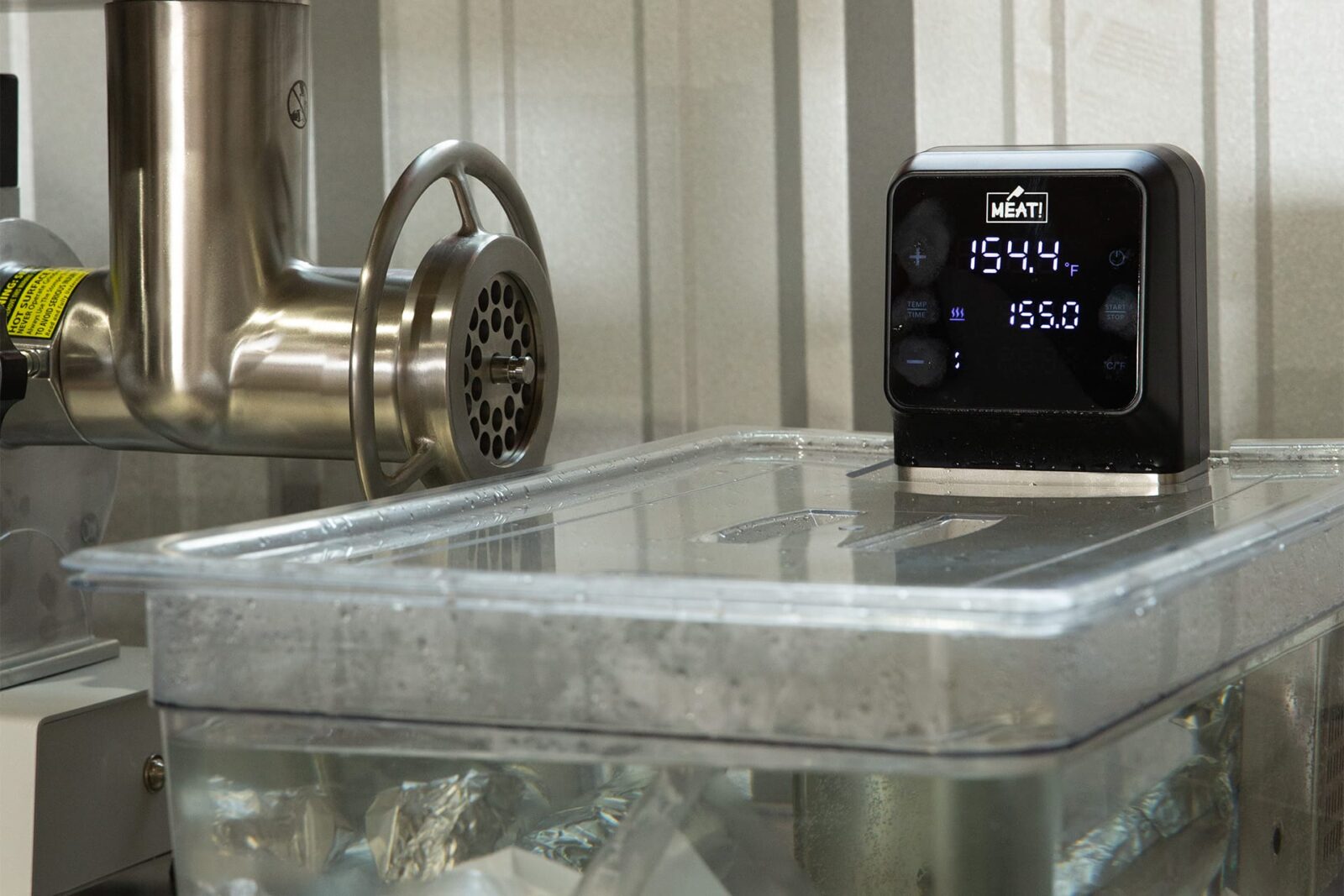
“Sous vide, in French, means ‘under vacuum,’” says Wilderness to Table host and chef Bri Van Scotter. “You take a plastic bag, put meat inside, and vacuum seal it so all the air is out. That puts the meat under pressure, and then you put it in a controlled water bath. Sous vide is a very controlled, precise cooking method.”
With sous vide cooking, your meat is never exposed to temperatures any higher than what you want it to finish at. Want a medium-rare steak with an internal temperature of 130°F? Set your water bath to 130°F and drop in the vacuum-sealed steak. From edge to edge, that entree will come out a perfect mid-rare.
If you’ve ever been in a ServSafe class, you learned that to eliminate the risk of bacteria in food you should cook it to 165°F to pasteurize it. You also learned that food between 40-140°F is in the “danger zone.” Sous vide is able to bypass these rules because pasteurization can occur below 165°F if given enough time.
Cooking With Sous Vide
“If you’re going to take a cut of meat,” says Van Scotter, “like venison, or beef, or pork, I like to sear it first on a hot cast iron skillet to create Maillard reactions, which is the caramelization of sugars in the meat. That’s going to impart really good flavor once it’s vacuum sealed and put in the sous vide.
“Once you do it one time and get the feel for it it’s really just about setting the temperature and letting it go. What I love for wild game with sous vide is that I always tell people to cook their game low and slow because wild game doesn’t usually have all the intramuscular fat that farm-raised beef or pork do. With sous vide you could put butter or olive oil in the bag and cook it slowly, letting those fats absorb into the meat.
“When you cook wild game on the grill at a high temp, for instance, that meat typically doesn’t have enough fat to keep the meat moist and tender on the inside. Whereas the sous vide method keeps everything on the inside. Then you get the exact desired result instead of guessing on a grill.”
- Venison loin
- 2 tablespoons ground dark roast coffee
- 2 tablespoons ancho chili powder
- 1 tablespoon brown sugar
- 1 tablespoon smoked paprika
- 1 tablespoon kosher salt
- 1 teaspoon ground cumin
- 7 garlic cloves
- 2 sprigs of thyme
- 1 sprig of rosemary
- 1/4 cup tablespoon extra virgin olive oil
- Set your sous vide machine for 129F.
- In a small mixing bowl combine the ground coffee, chili powder, brown sugar, smoked paprika, salt, and cumin. Mix the spices to combine well.
- Season the venison loin liberally with the spice mixture.
- In a vacuum seal bag, add the seasoned venison loin to the bag, along with the garlic cloves, thyme, rosemary, and extra virgin olive oil. Vacuum seal the bag. Then place the bag in the water to cook for 1 hour.
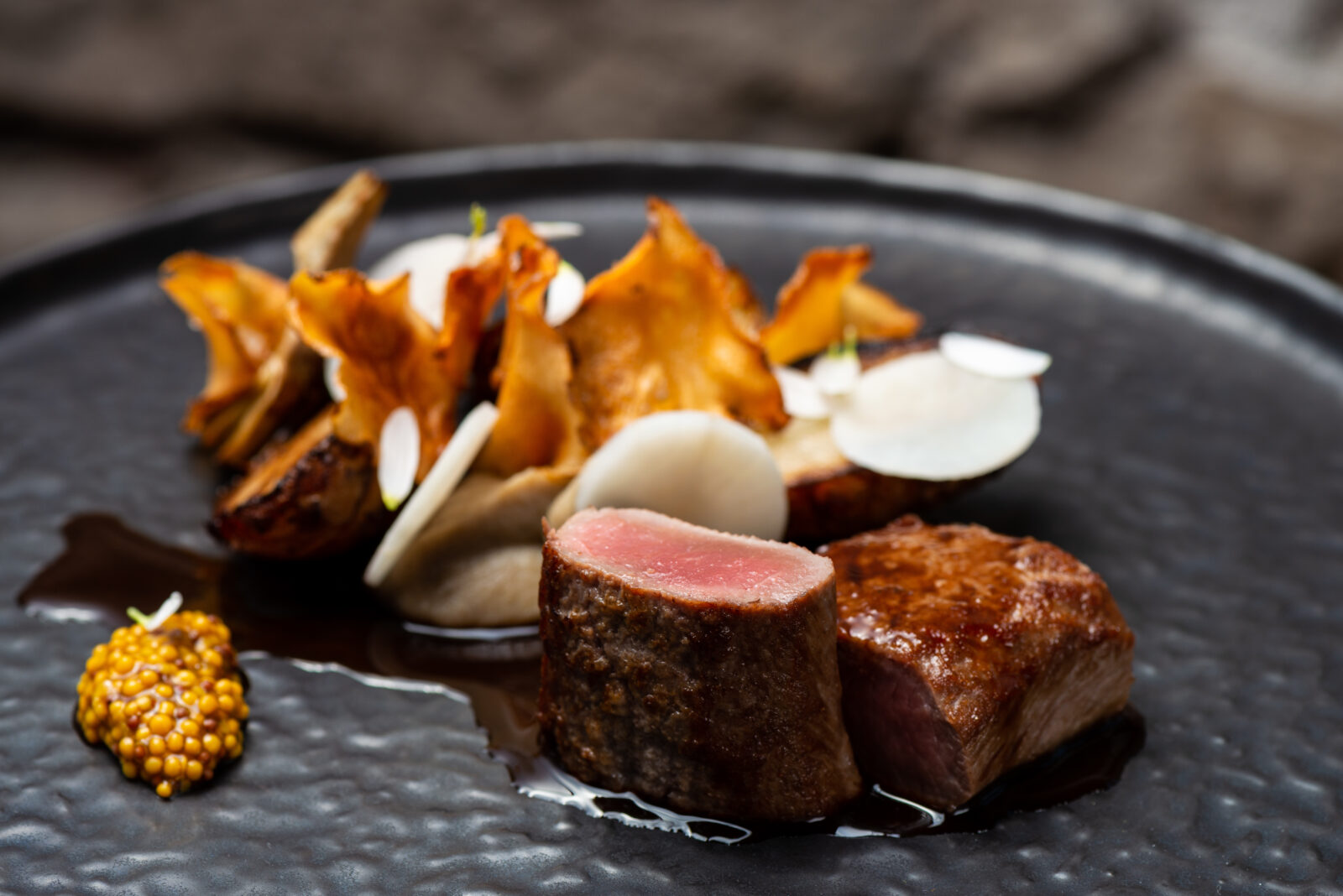
- After the loin has cooked for an hour, place a cast iron skillet over high heat. Remove the loin from the bag, and set it aside. Add the oil, garlic, and herbs from the bag to the pan. When the pan is hot add the venison loin to the pan. Sear on all sides of the loin.
- Once, all sides are seared, place the loin on a clean cutting board and slice into 1-2 inch thick pieces.