Ready to explore this trail?
View Trail Map in AppPath Type
Point to Point
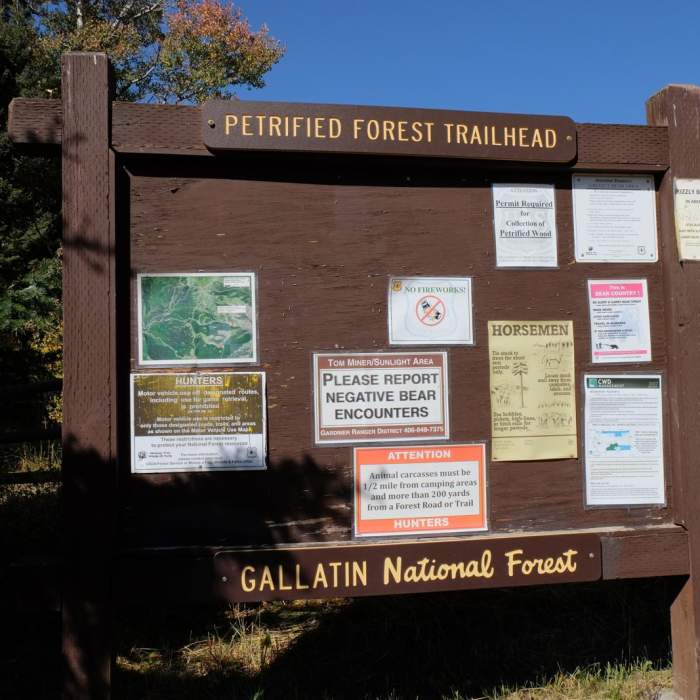
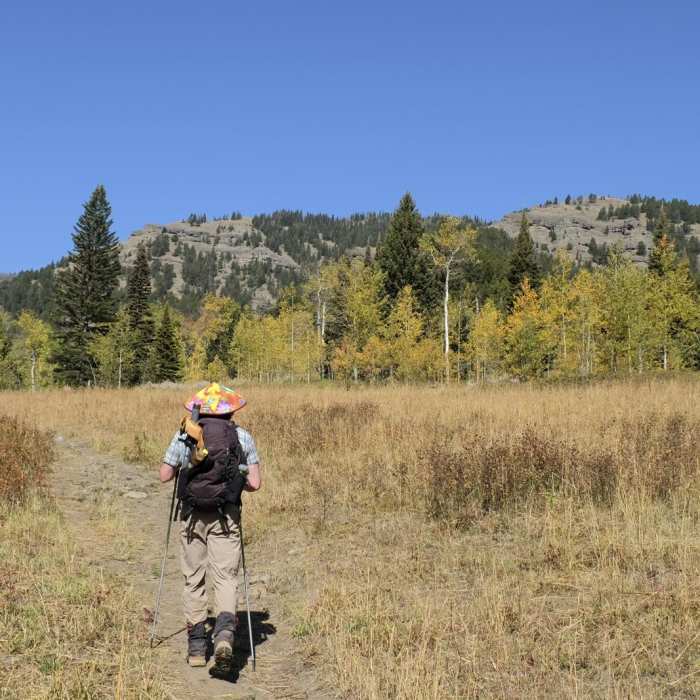
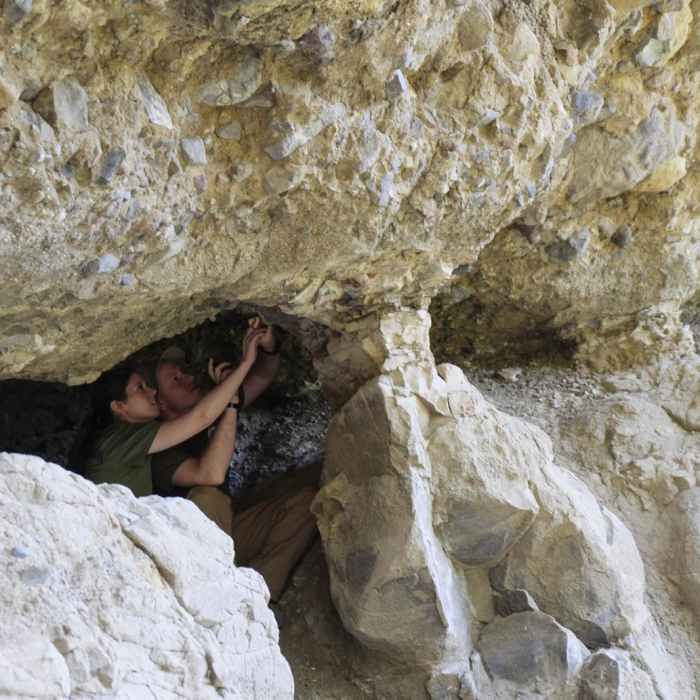
If youave been lucky enough to visit Yellowstone National Park, you know firsthand how Yellowstone is an active hydrothermal wonderland. Roughly 48 million years before volcanic activity began in what is now Yellowstone National Park, the area in and directly around the park was exposed to lava flows, basalt flows, and ash deposits from volcanic eruptions occurring in surrounding states. Minerals from the volcanic debris leaked into groundwater, and the trees of the forest slowly incorporated that mineral-rich water in a process called petrification. The Gallatin Petrified Forest, just north of Yellowstone National Park in Tom Miner Basin, contains petrified wood from what is called the Sepulcher Formation (the Petrified Tree in the Lost Lake area is also a member). Many of the trees in the petrified forest are preserved redwoods and temperate hardwood trees. The main trail is short and great for kids and adults who love geology and history. The trail does have switchbacks after taking a right at the main trail junction. Several interpretive signs are on the main trail to provide relevant geologic information of the area. There are numerous opportunities for off-trail exploration. Years of people collecting petrified wood has unfortunately left few specimens for todayas visitors to see on the main trail. Larger, and more intact, petrified stumps exist the farther you travel from the main trail. Any collection of petrified specimens in Gallatin Petrified Forest requires a permit from the U.S. Forest Service.
No Condition Reports
Contributors