Ready to explore this trail?
View Trail Map in AppPath Type
Point to Point
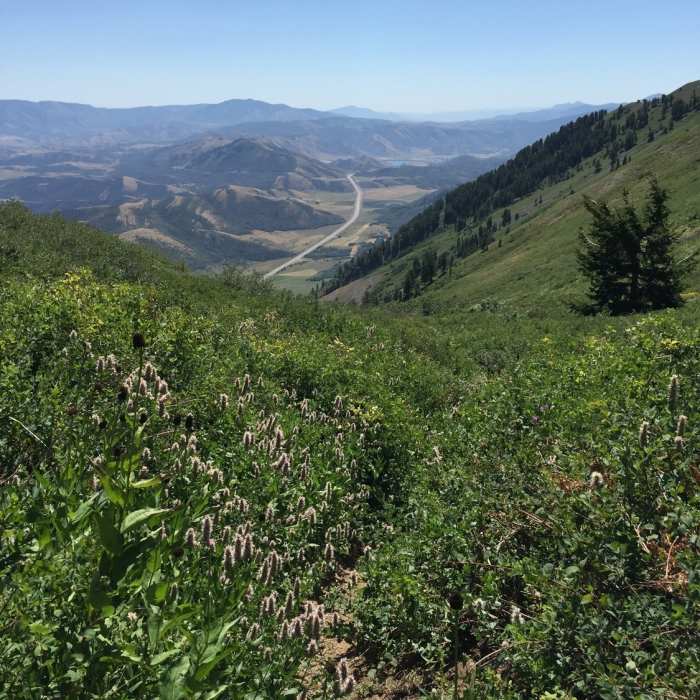
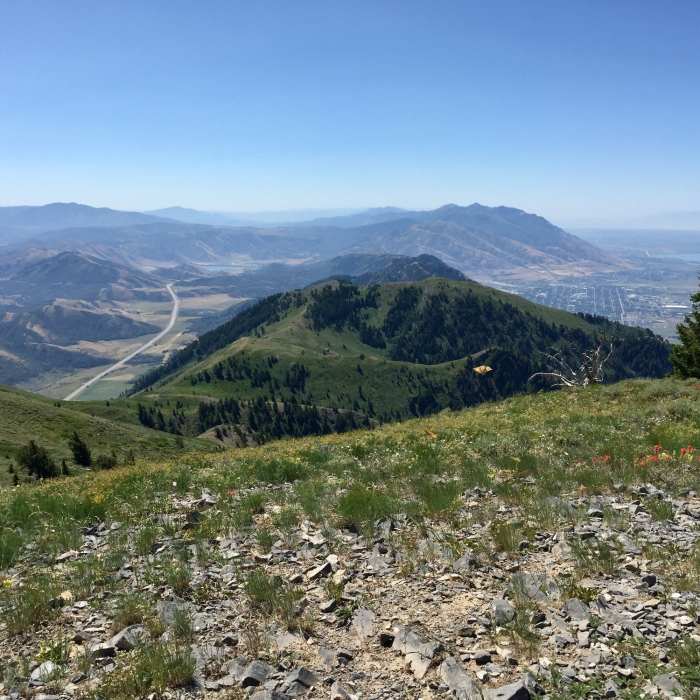
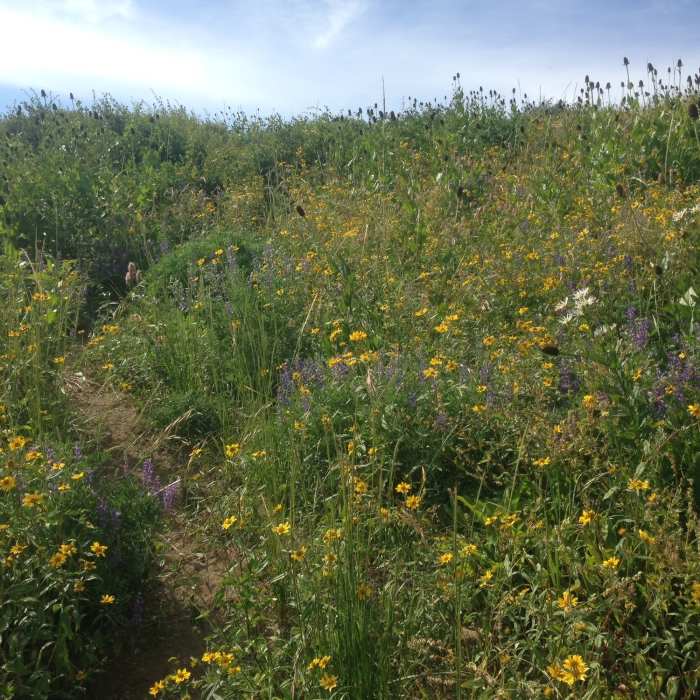
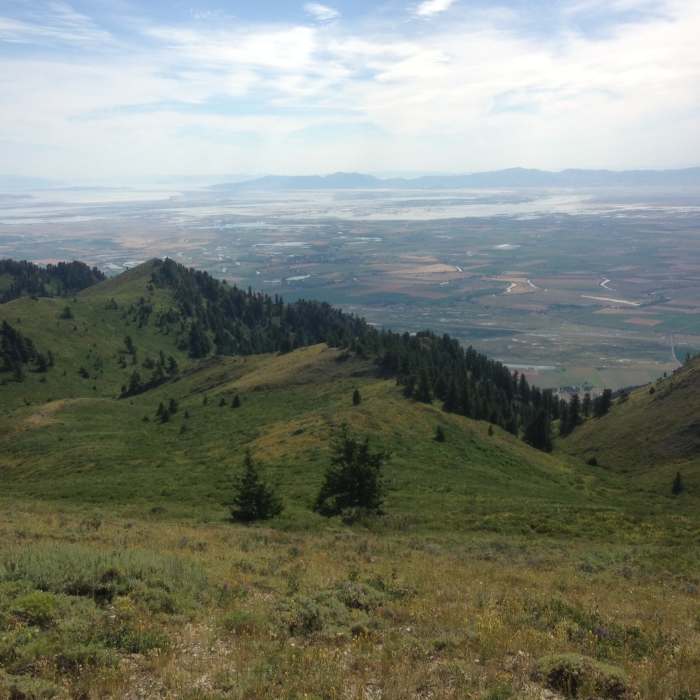
First of all, there are really two standard ways of doing this trail - you can start from Deep Canyon in the north, or you can start from Rattlesnake in the south. This description will be for the southern approach, but starting from the north is just as viable and is done quite frequently.So, starting from the Rattlesnake parking area, you pass through a gate and then have a pleasant uphill hike to get from the parking area to the actual trailhead, which is about a half a mile with over 300 feet of climbing on an abandoned dirt road. After this, the trail starts to ascend through a lush forest with a few switchbacks. Once you have ascended about another 1000 vertical feet (at about 6600 feet of elevation), you'll emerge from the forest and continue up short but steep switchbacks until you reach a little over 7200', where the trail dips and crosses a drainage, and then continues more or less following the contours of the slope and crossing more drainages. This is a pleasant section of the trail as there are some flat and downhill sections mixed in with some moderate uphills as you cross a small ridge, and then you get to the side of deep drainage with views of some huge exposed rock slabs in the hills to the southwest. From there you'll start ascending steeply again. The trail switches back several times through vast meadows of wildflowers and sagebrush (and other bushes that grow over and on the trail, practically) until you reach the final ascent ridge that is populated with gnarled and wind-blasted junipers, and not much else.After you reach the summit ridge and ascend the last few hundred feet, the trip to Box Elder Peak (the highpoint of the range) is a short jaunt to the southwest, and offers great views of the Bear River as it meanders through the valley below and the northern end of the Great Salt Lake. From Box Elder Peak you can follow the trail back to the main trail and then make the descent to the saddle that sits between the peak and the Wellsville Cone, which is quite steep at times, but incredible. Once you've reached the saddle, it is another 400' climb to get back to the top of the Wellsville Cone (which can either be done from a poorly defined spur trail that splits off a short distance from the saddle, or there is a well-defined trail that backtracks to the peak once you've reached the northern end of the cone). From atop the Wellsville Cone, you can get amazing views of Cache Valley, the Bear River Range, and on very clear days you can even see the distant Uintas. After taking in the sights from the Wellsville Cone, you can descend and start an exhilarating part of the trail that descends down some switchbacks right on the eastern face of the Wellsville Cone and then crosses a short, somewhat rocky ridge and then continues on across the Wellsville Ridge, with plenty of downhill and some uphill portions as well. The section of the trail that crosses the ridge between the Wellsville Cone switchbacks and Mendon Peak is probably the easiest, but also one of the most enjoyable sections as you can really get going on it (if you have any strength left after the ascents). It crosses through meadows of wildflowers and scree fields and finally ends up by dropping steeply on the western side of Mendon Peak until you reach the saddle that drops you down into Deep Canyon.The descent of Deep Canyon has the potential to be a really fast one, as long as you can avoid the tree roots (and fallen trees, as you get closer to the bottom). If the trail is overgrown, caution should be taken to avoid tripping on unseen hazards. The initial part of the descent switches back through a lush, green brushy area with plenty of wildflowers, and then into a forest. The trail stays in this forest until you emerge at the trailhead.
No Condition Reports
Contributors