Trail Overview
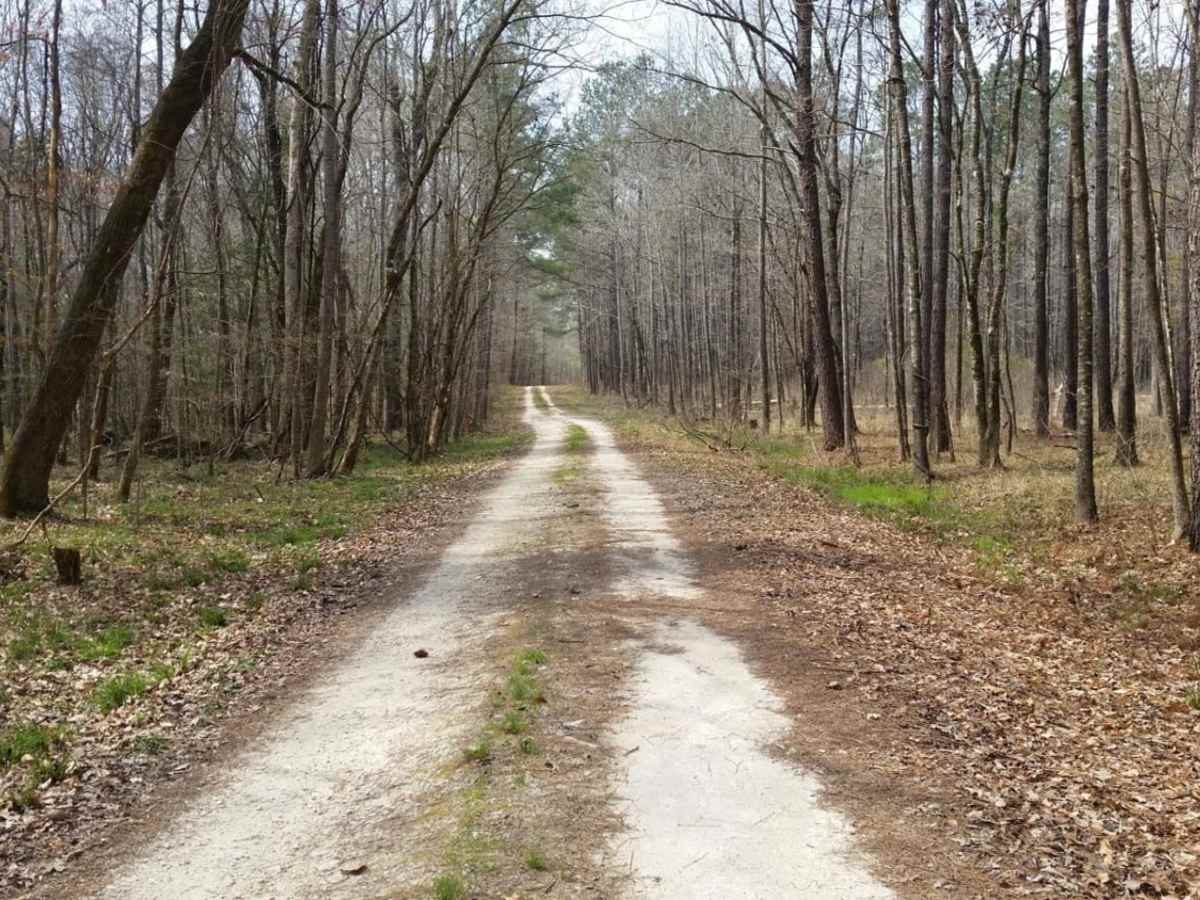
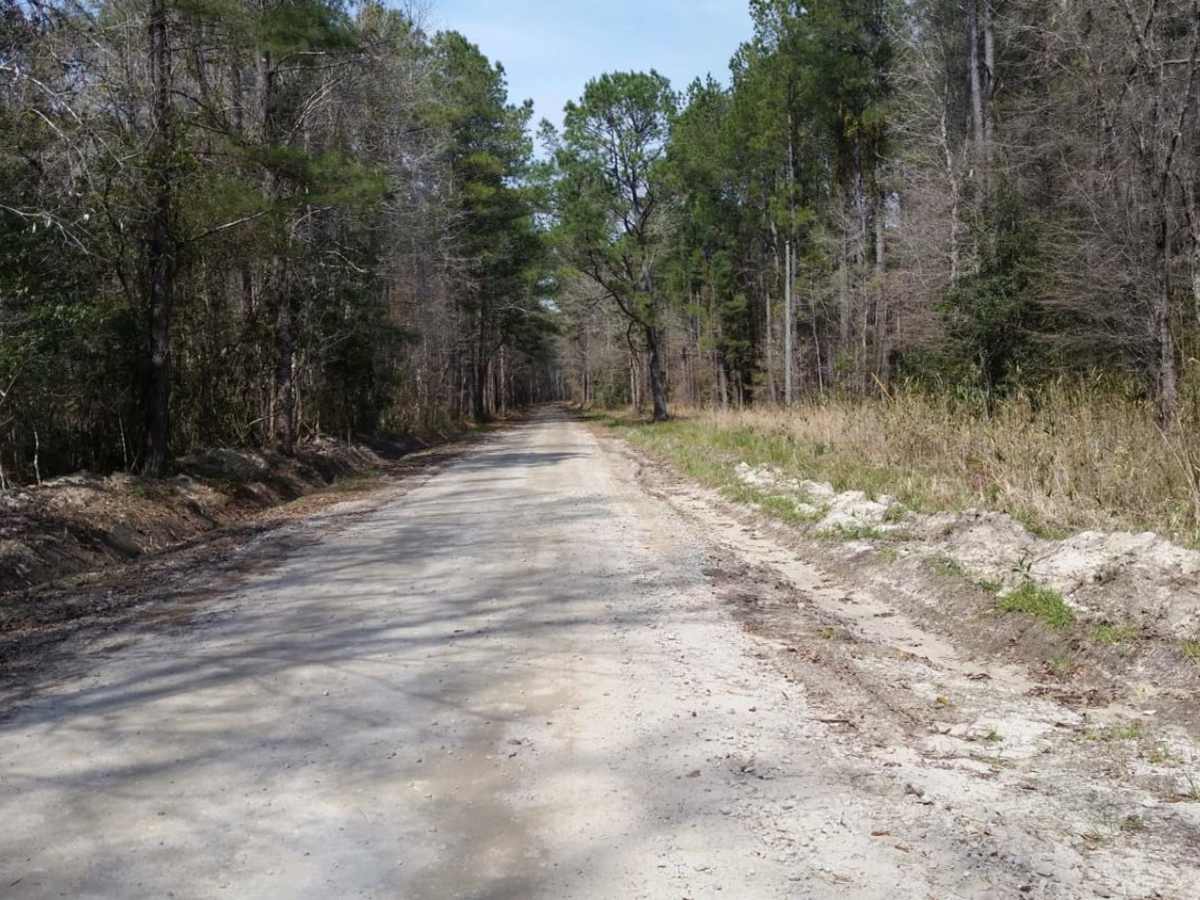
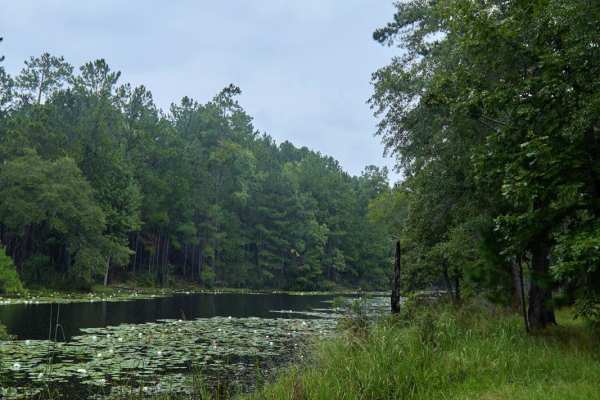
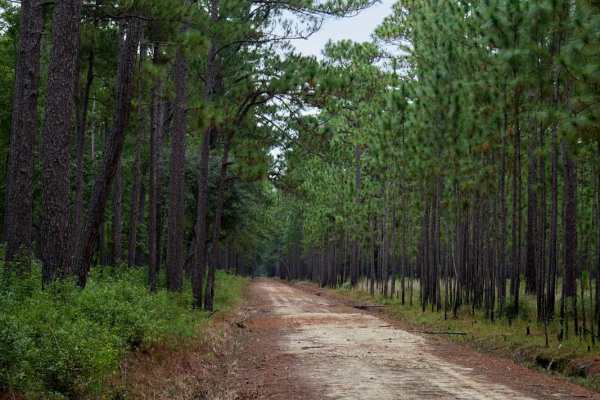
Swamp Fox 1 is a scenic, point-to-point offroad route spanning approximately 35.7 miles through the heart of the Francis Marion National Forest in South Carolina, perfect for beginners and those looking for a relaxed, nature-filled drive. Primarily traversing flat, unpaved two-track fire roads, this route showcases the diverse beauty of coastal plain ecosystems, including open pine flatwoods, dense hardwood canopies, and serene swamps. Because of its low elevation, ranging from just 6 to 49 feet, the trail is generally easy to navigate, with a technical rating of 2 due to occasional ruts, stutter bumps, and potholes. Drivers should prepare for dusty conditions during dry spells, while rain can quickly transform sections into slick mud, requiring a four-wheel-drive vehicle in wet weather.
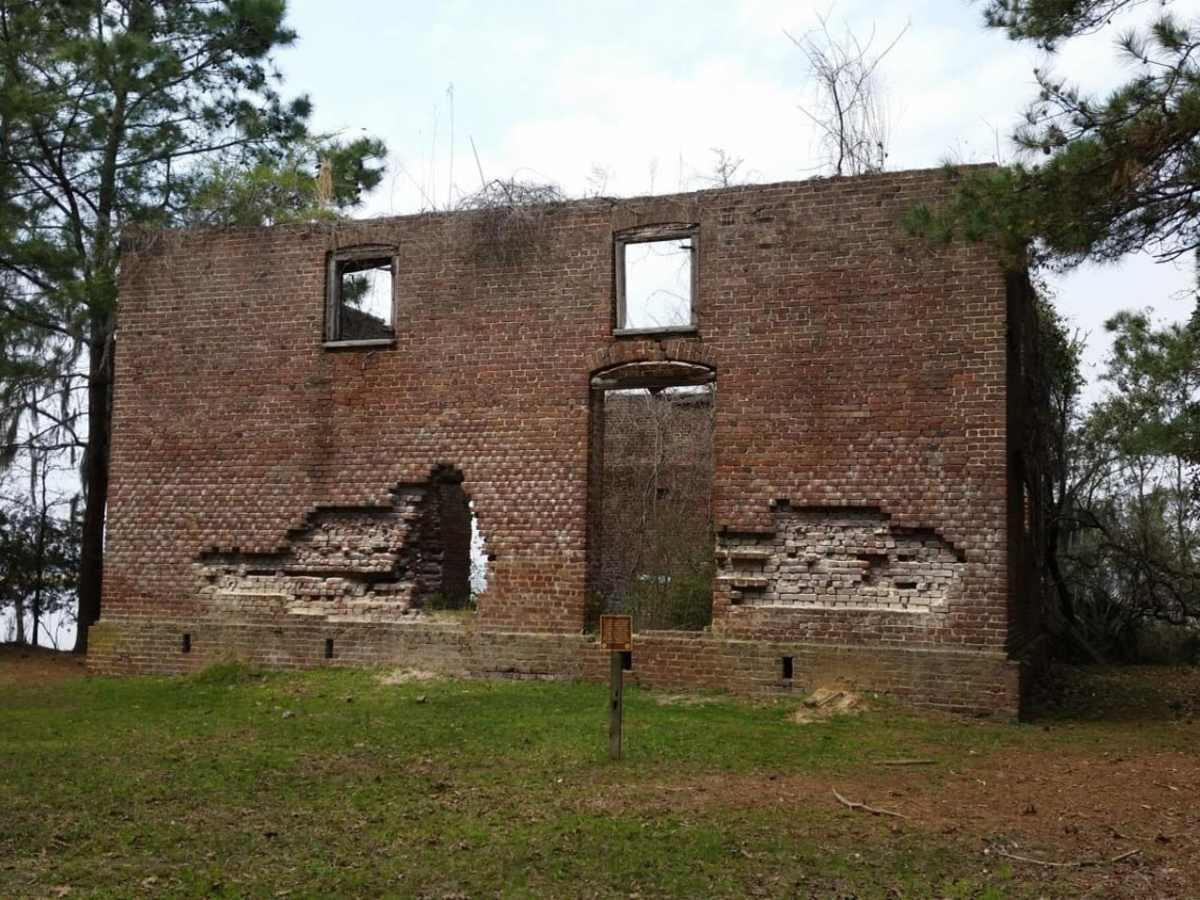
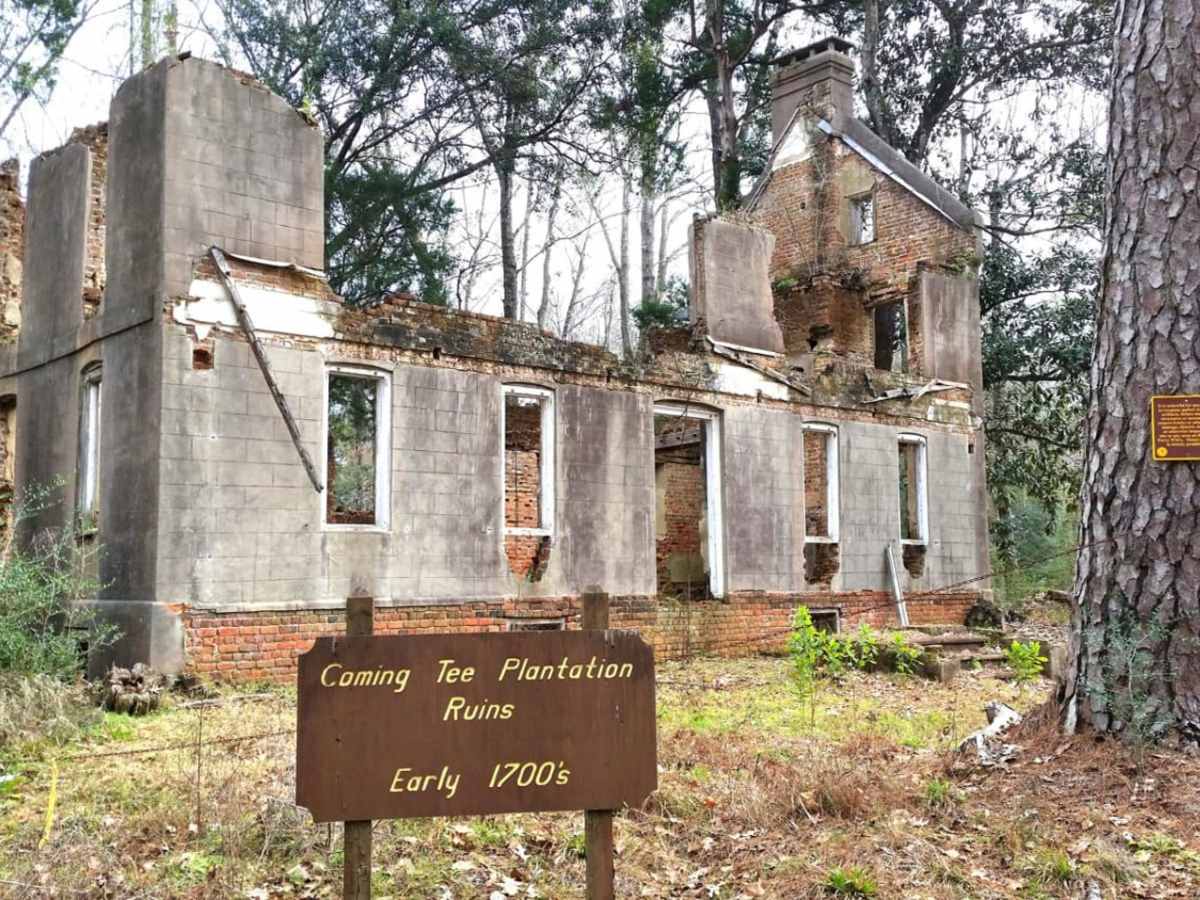
A street-legal, licensed vehicle is required to complete this journey, as the route includes brief paved sections and runs through protected federal lands where unlicensed SxSs or OHVs are not permitted. Keep an eye out for local wildlife along the way, as deer and wild hogs are commonly spotted crossing the trail. The eastern terminus sits near McClellanville, while the western end guides adventurers close to the historic Comingtee Plantation, established in the early 1700s on the Cooper River. Motorized vehicles are restricted at the very end of the trail, but a short 0.44-mile hike or bike ride leads to the impressive ruins of the historic plantation house and rice mill, making for an excellent educational side trip.
History
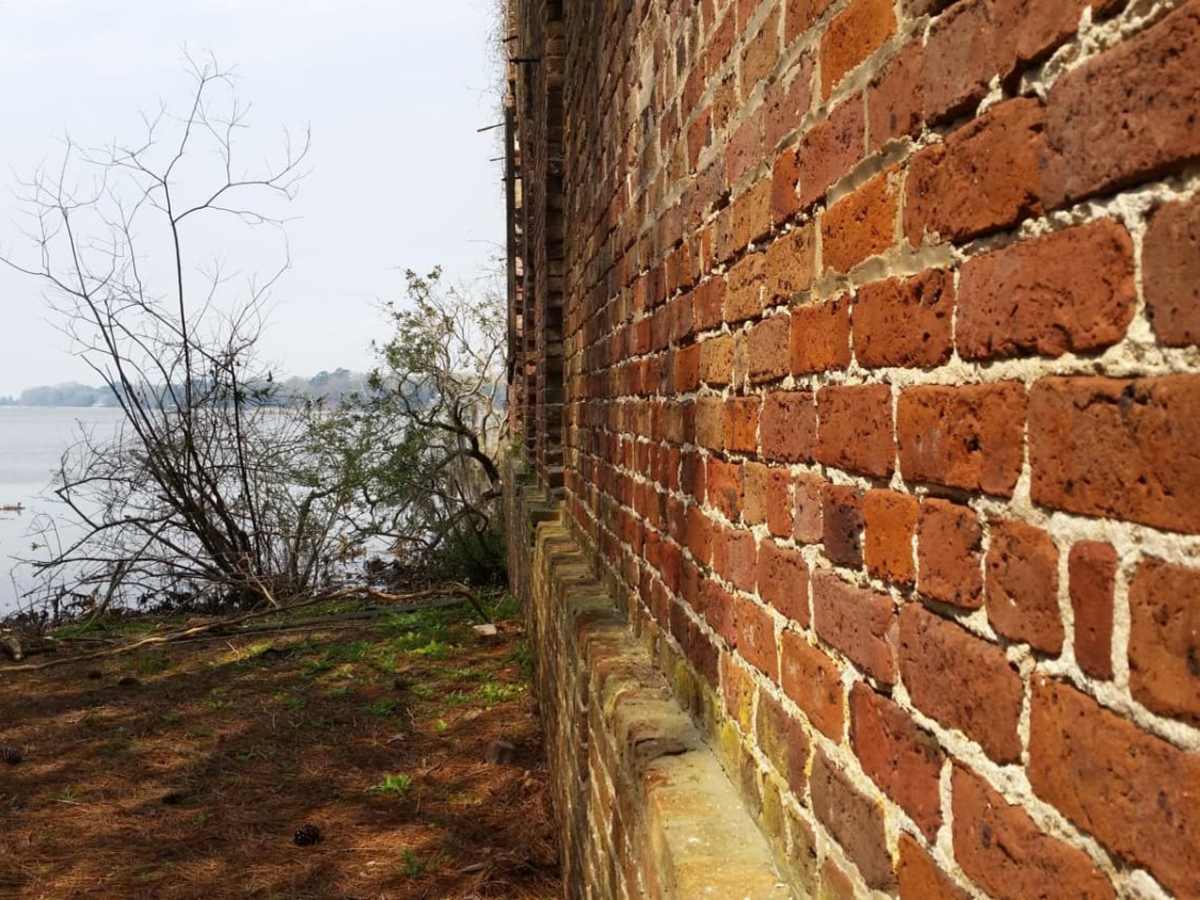
The western end of the trail leads near the ruins of the Comingtee Plantation, which was established in the early 1700s. The site features the remains of the historic plantation house and a rice mill situated along the Cooper River.
Access Description
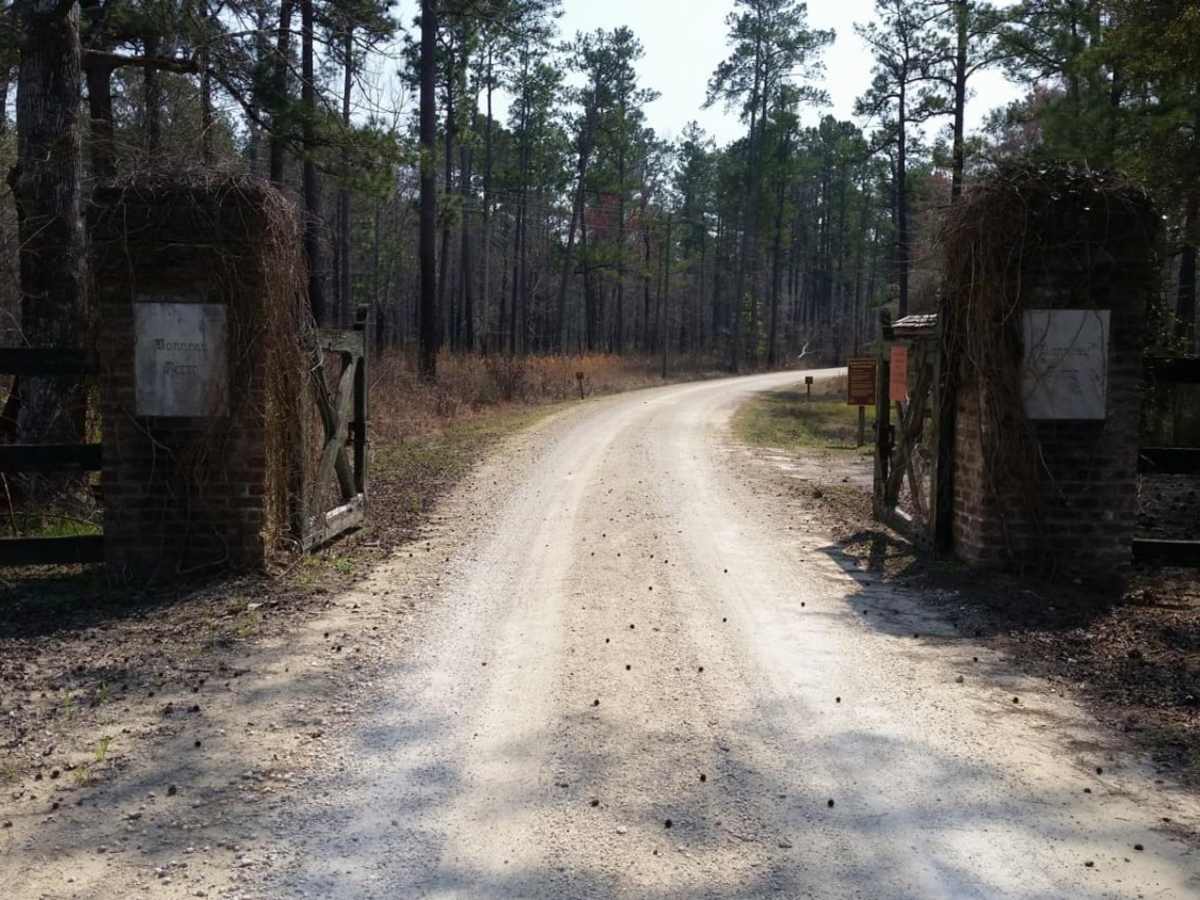
All vehicles traveling on this route must be street-legal and licensed, as the trail includes paved road sections and traverses the Francis Marion National Forest. Unlicensed SxSs and off-highway vehicles are not permitted. Motorized travel is prohibited past the trailhead sign at the western end of the route, requiring visitors to walk or bike to access the plantation ruins.

 Offroad