Trail Overview
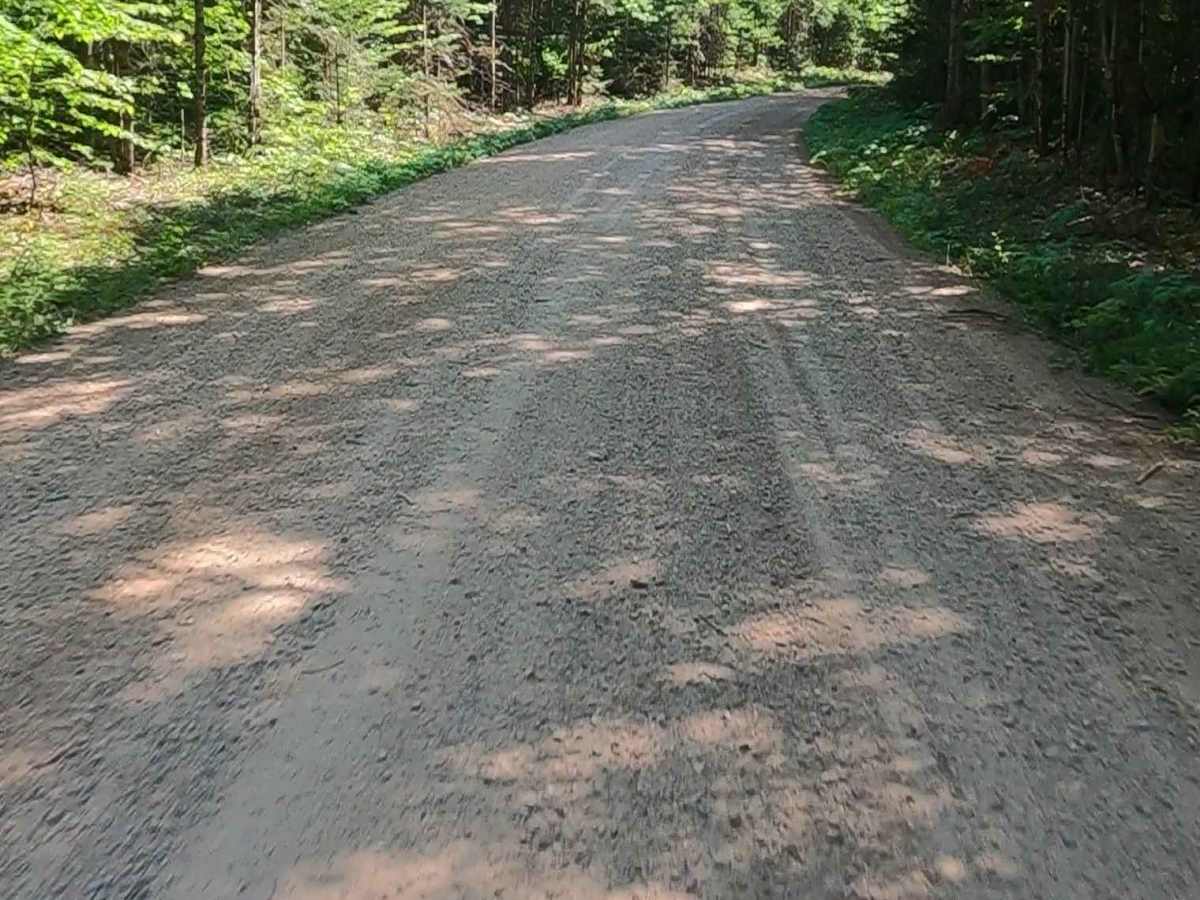
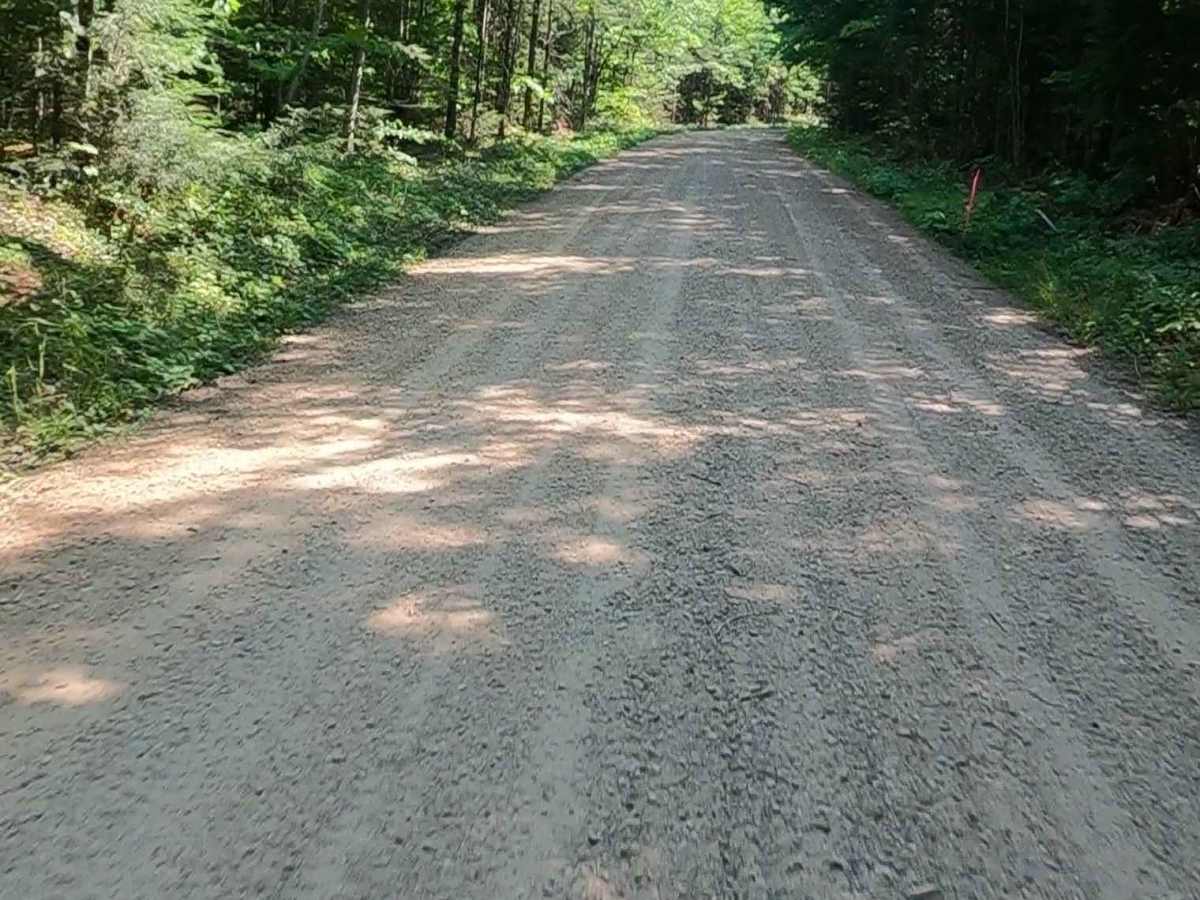
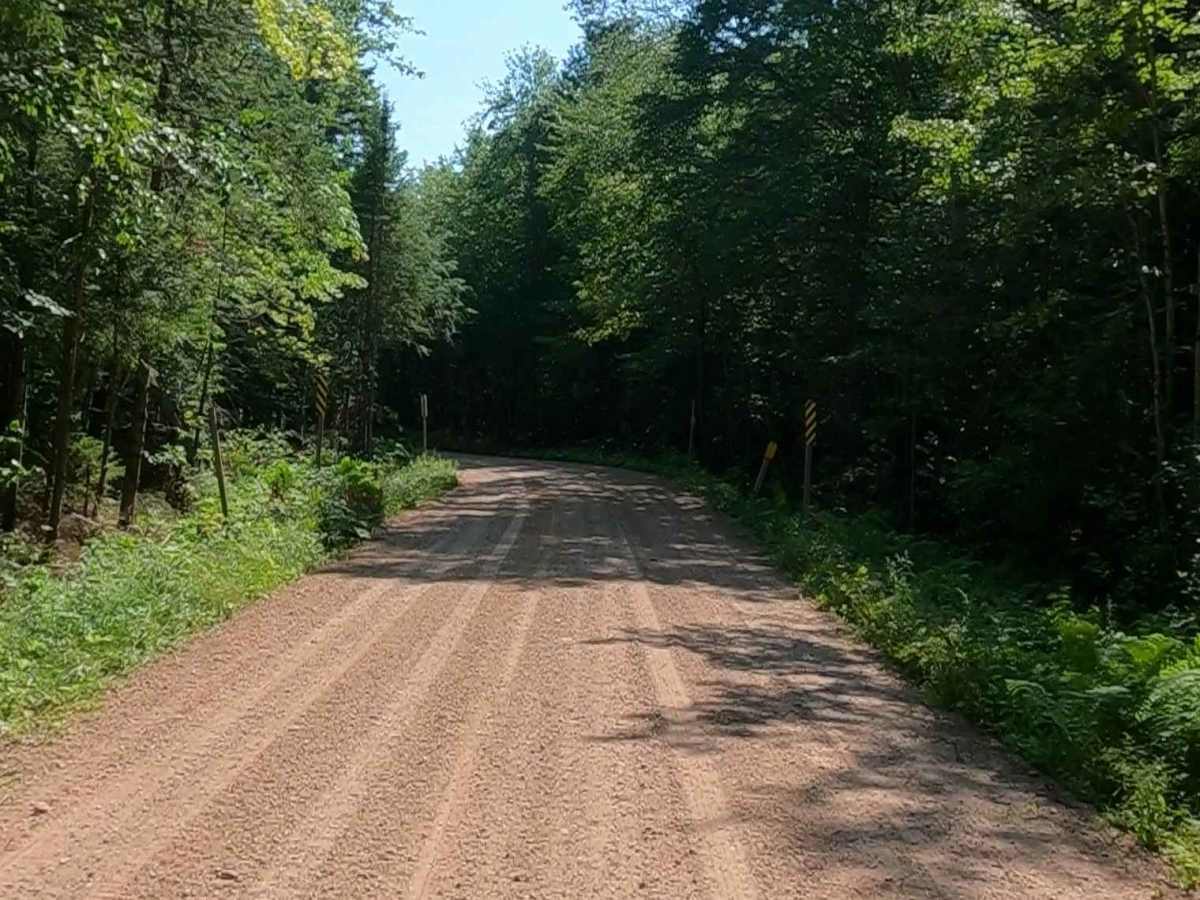
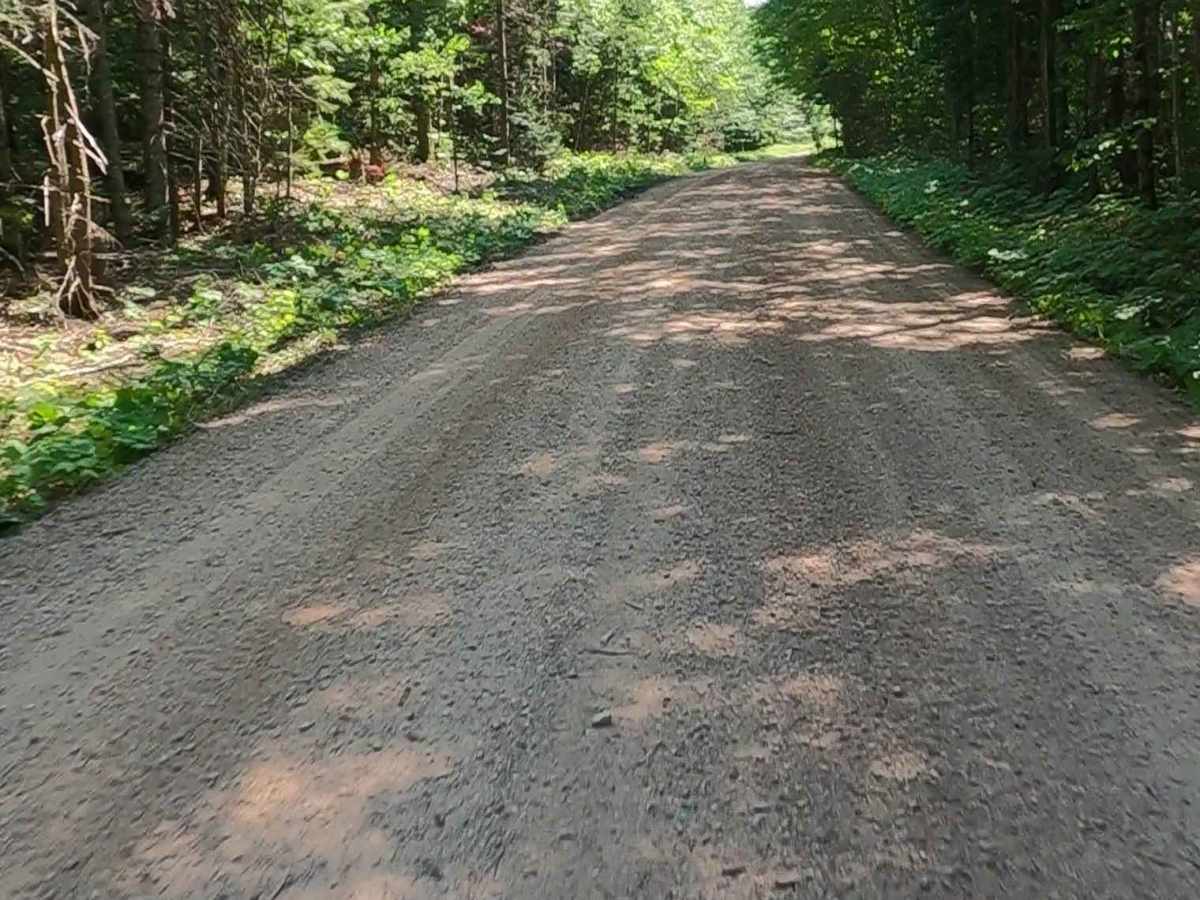
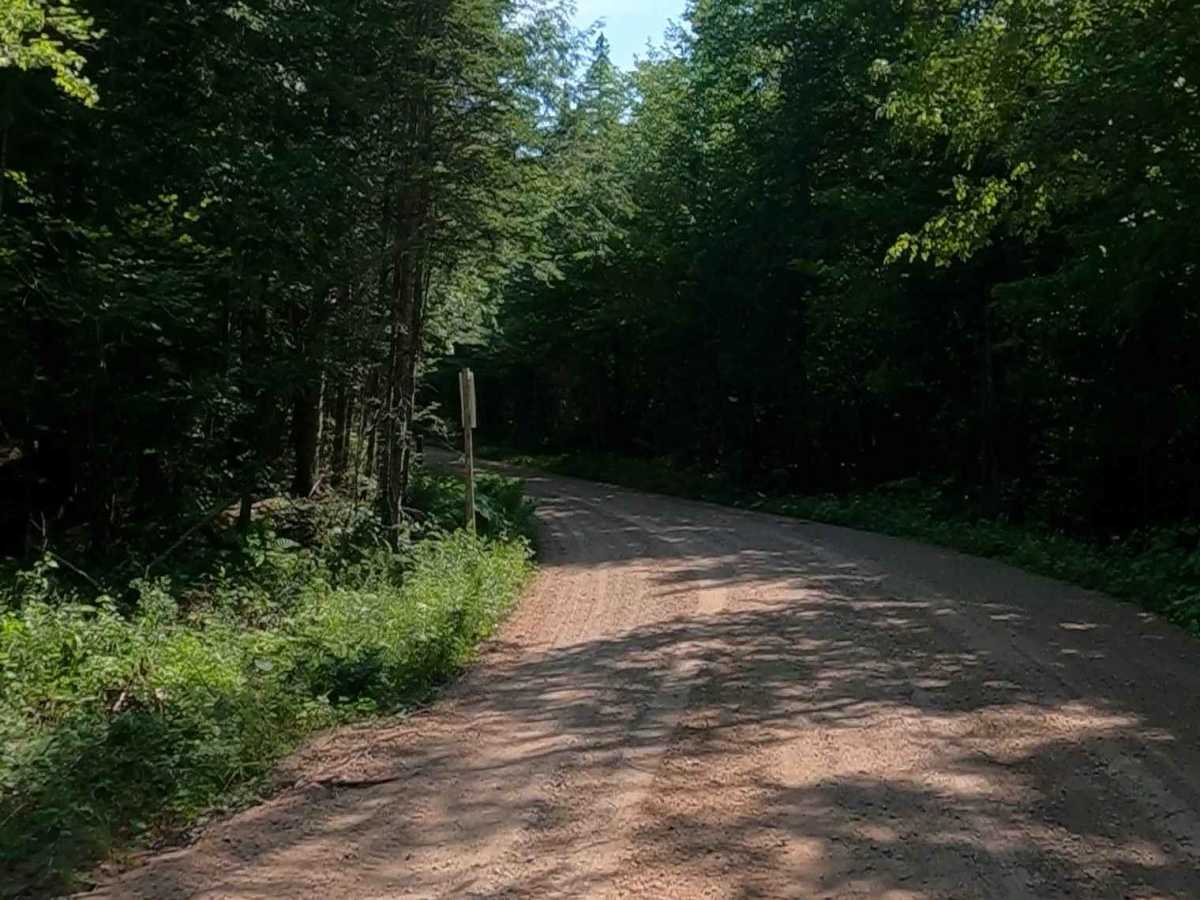
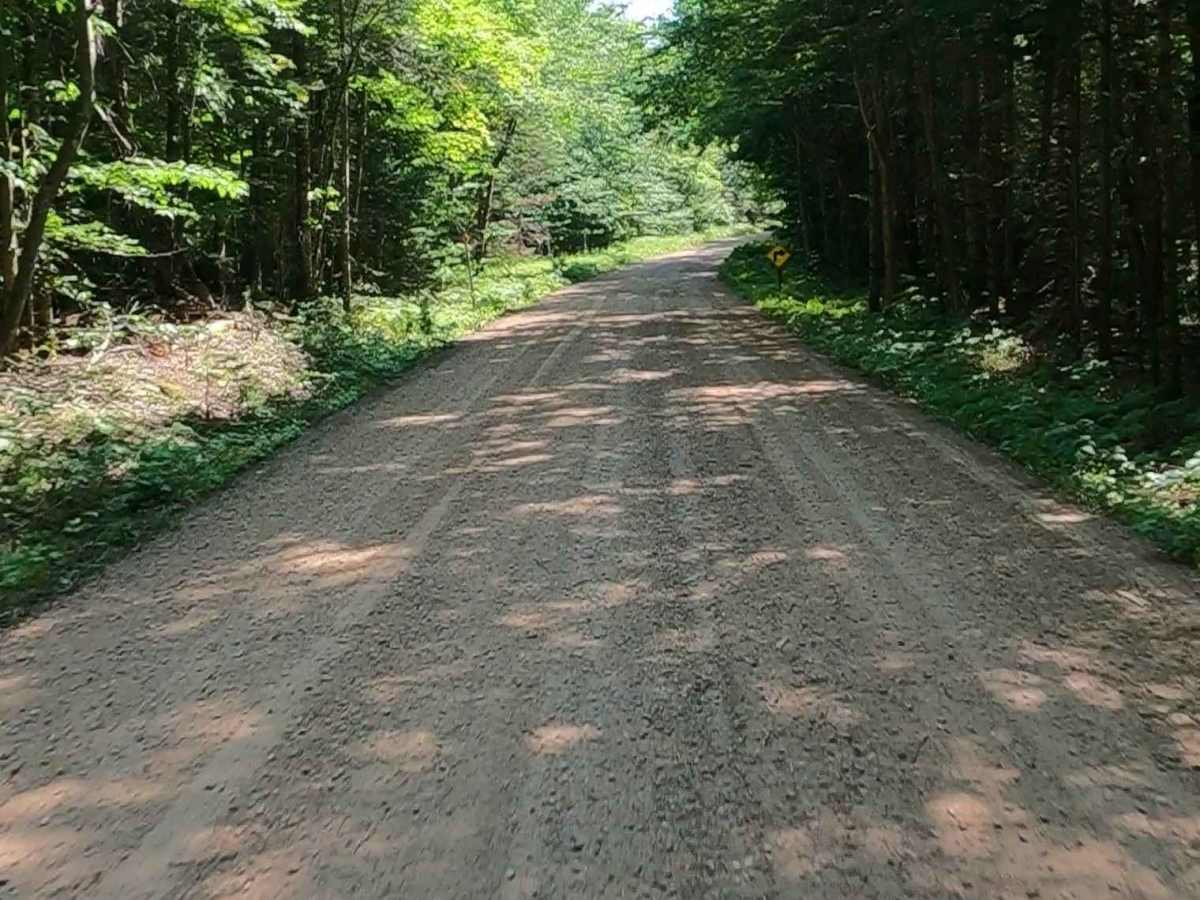
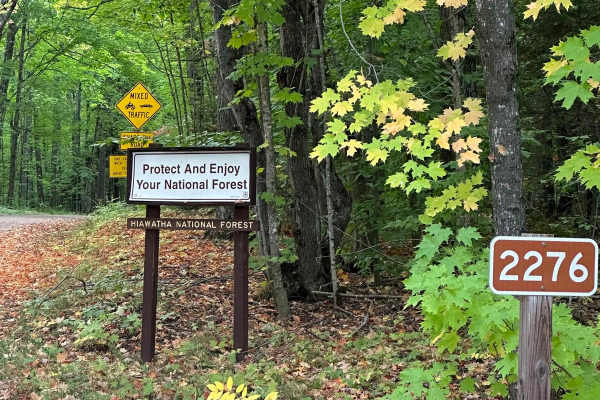
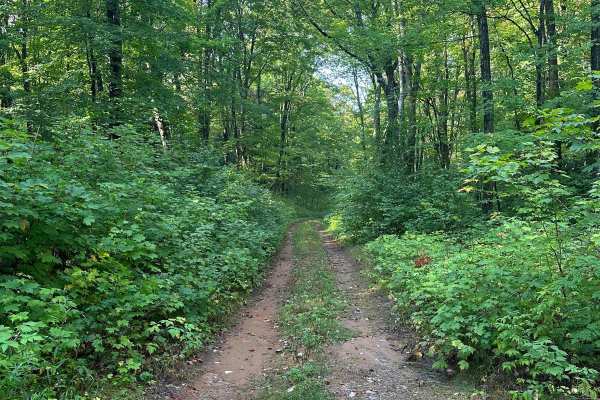
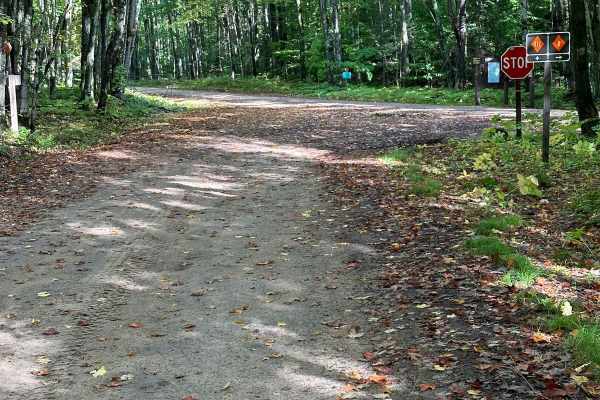
The primary name of the road is Buck Bay Road. It is classified as a non-DNR road. The Off-Road Vehicle (ORV) status indicates that it is not managed by the Department of Natural Resources, and users should refer to local government laws for applicable regulations. The surface is composed of dirt, gravel, and native material, and the road is in fair condition. The ownership of the road is unspecified, and it remains open under current closure criteria. This scenic dirt road crosses the Au Train River south of Au Train Lake and provides access to both the Buck Bay Road Loop and the Cole Creek Road Loop. This description was created on September 5, 2025.
History
Au Train Lake and River have a history rooted in indigenous use as an ancient portage route, followed by French voyageurs, and later as a key logging and sawmill town in the 1800s, with its name meaning "at the shortcut". The region also features a significant 20th-century hydroelectric dam project on the Au Train River, with the lake itself being an artificial reservoir with its own historical and ongoing regulatory issues.
Indigenous and Early European History. Ancient Waterway: The Au Train River and Lake were part of an ancient Indian portage route between Lake Superior and Lake Michigan, demonstrating their historical significance long before European settlement.
French Voyageurs: The name "Au Train" comes from 18th-century French voyageurs and translates to "at the shortcut" or "in the current," reflecting the waterway's strategic importance for travel.
Logging Era. Sawmill Town: The area quickly became a commercial center, with logging starting in 1861 along the Au Train River and major logging drives occurring in the 1880s.
Timber Transport: Pine logs were floated downstream to Au Train, processed at sawmills, and then shipped across Lake Superior.
20th Century and Modern Day. Hydroelectric Project: In the early 20th century, a hydroelectric dam was built on the Au Train River, creating the Au Train Lake reservoir.
Dam Ownership: The dam's ownership changed hands in 2010, with the current owner facing significant regulatory pressure to make long-overdue safety upgrades and address issues with the dam's spillway capacity.
Ongoing Issues: The dam's outdated infrastructure has led to recent issues, including reservoir drainage and disputes over the dam owner's ability and responsibility to make necessary repairs and upgrades.