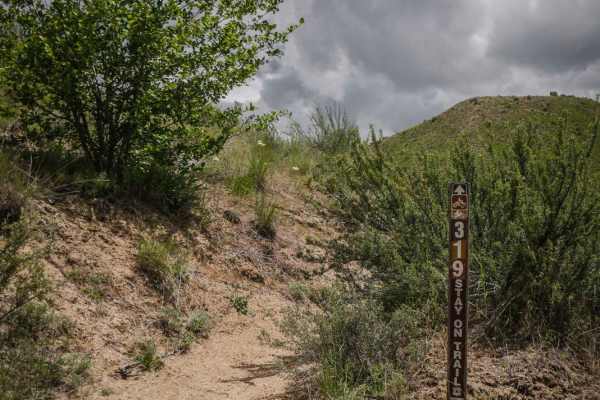
Trail Overview
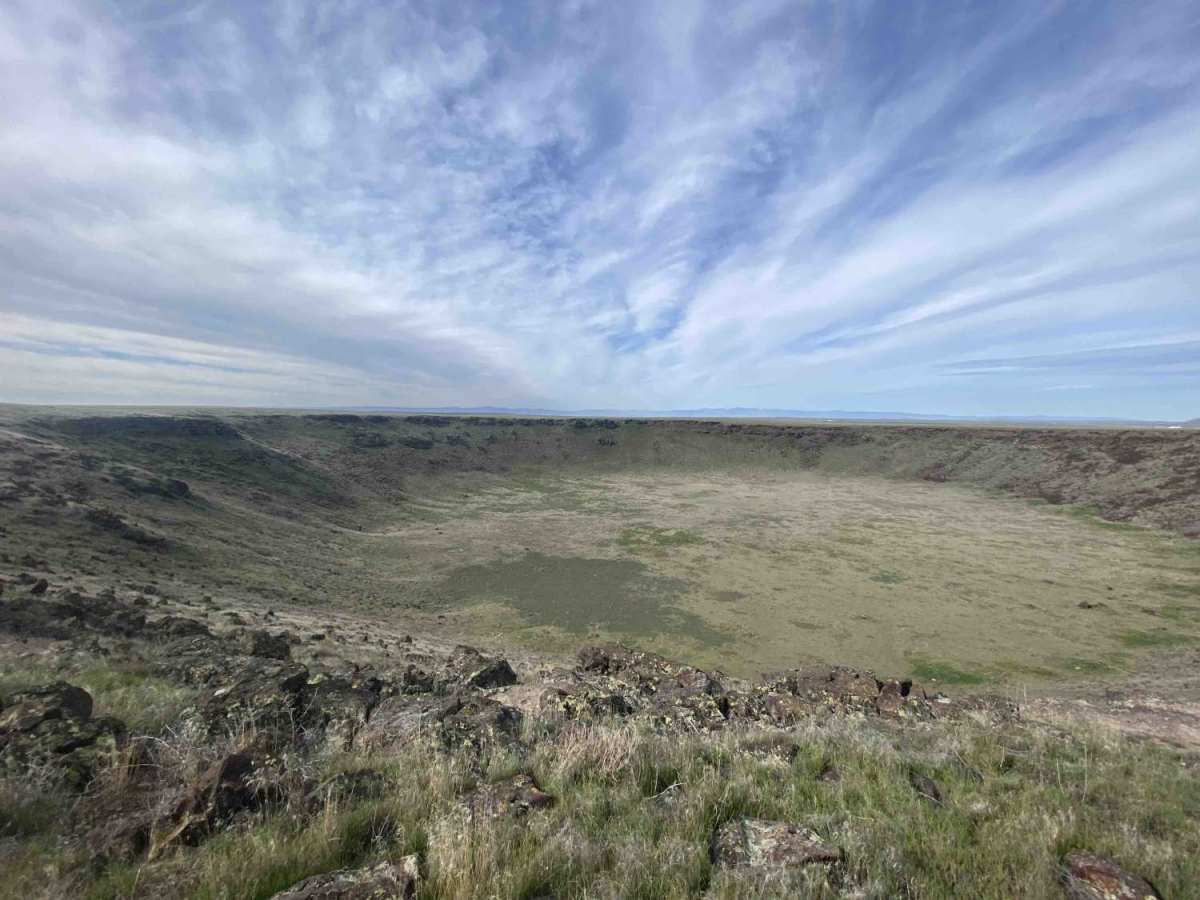
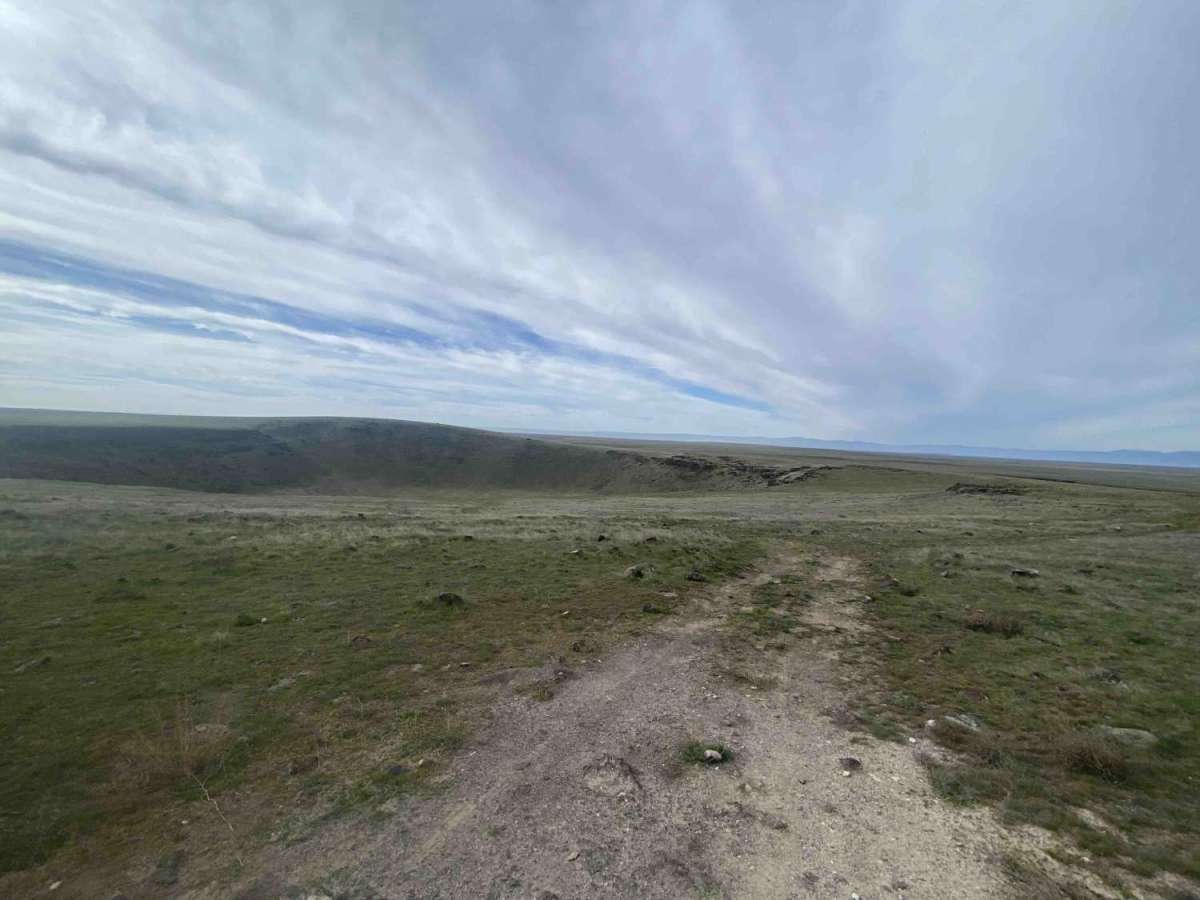
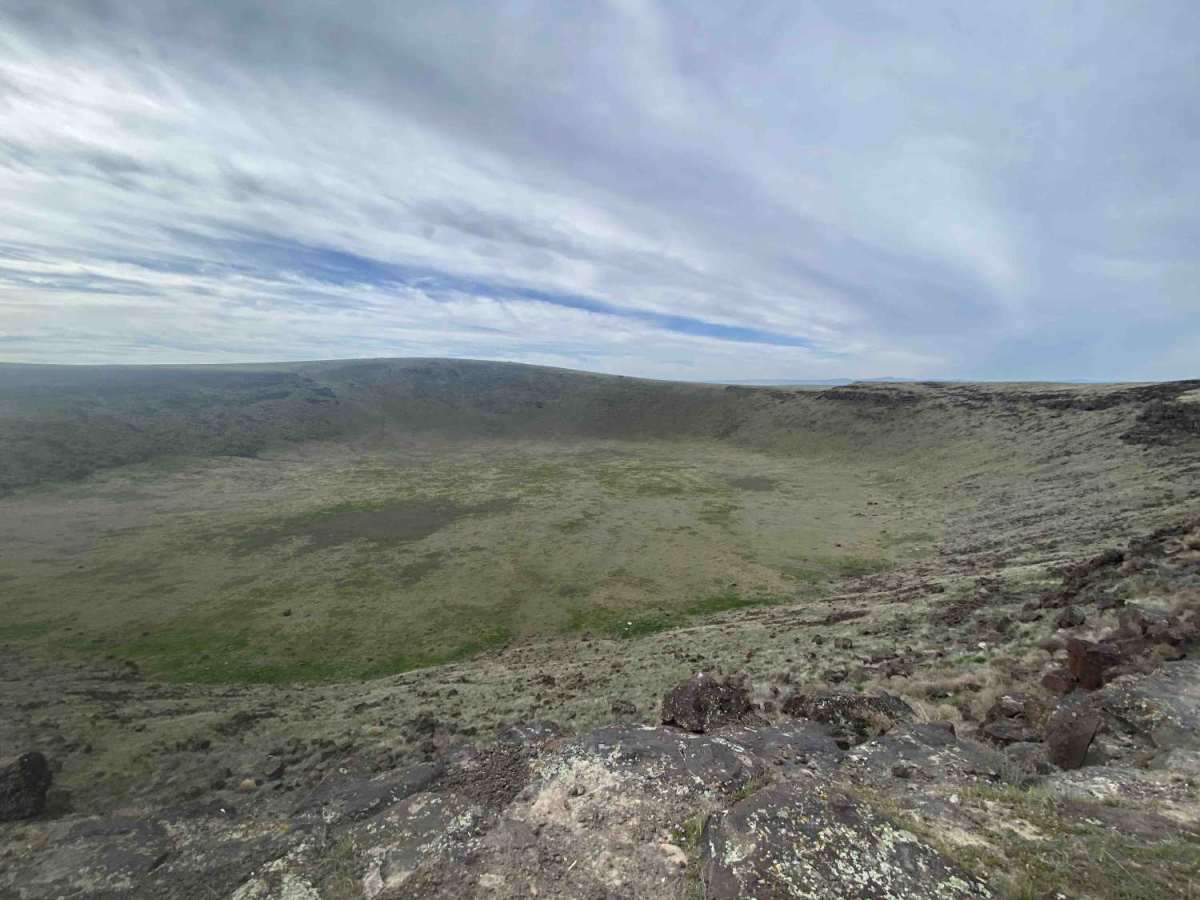
While this is a relatively short trail, the terrain becomes significantly more demanding after the first mile and after you cross the cattle guard and reach the ridge overlooking the crater rings. The path is exceptionally rough due to the density and size of the embedded lava rocks, particularly as you navigate the loop between the two rings and around the eastern crater. You will consistently encounter sections of rugged rock ranging from 8 to 10 inches in size. While the trail doesn't require high clearance or advanced technical maneuvers, the drive is very slow-going due to the constant roughness. It is strongly advised to avoid using stock highway tires, as the lava rock is very rugged. For a great view, look for the spur trail at the crest of the ridge that leads down to the rim for an incredible perspective of the craters.
Difficulty
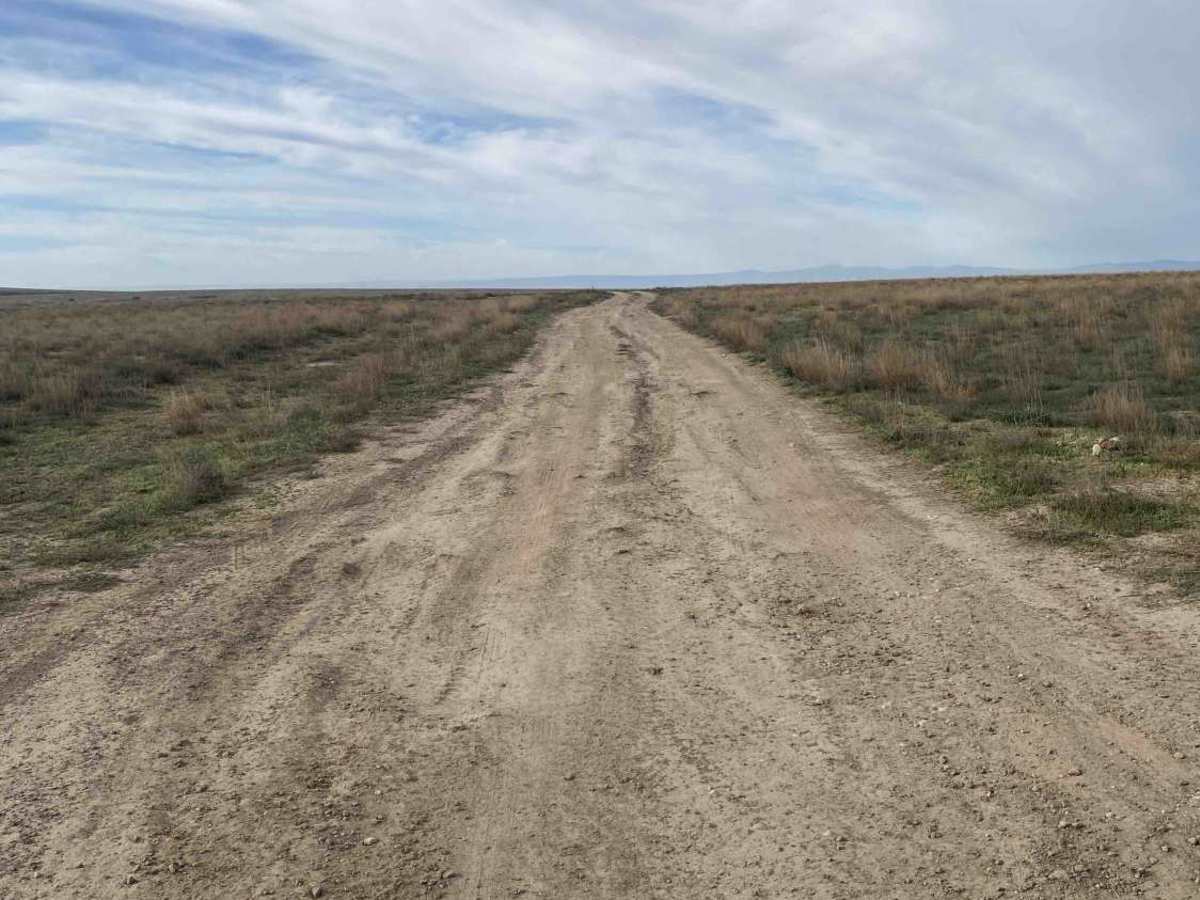
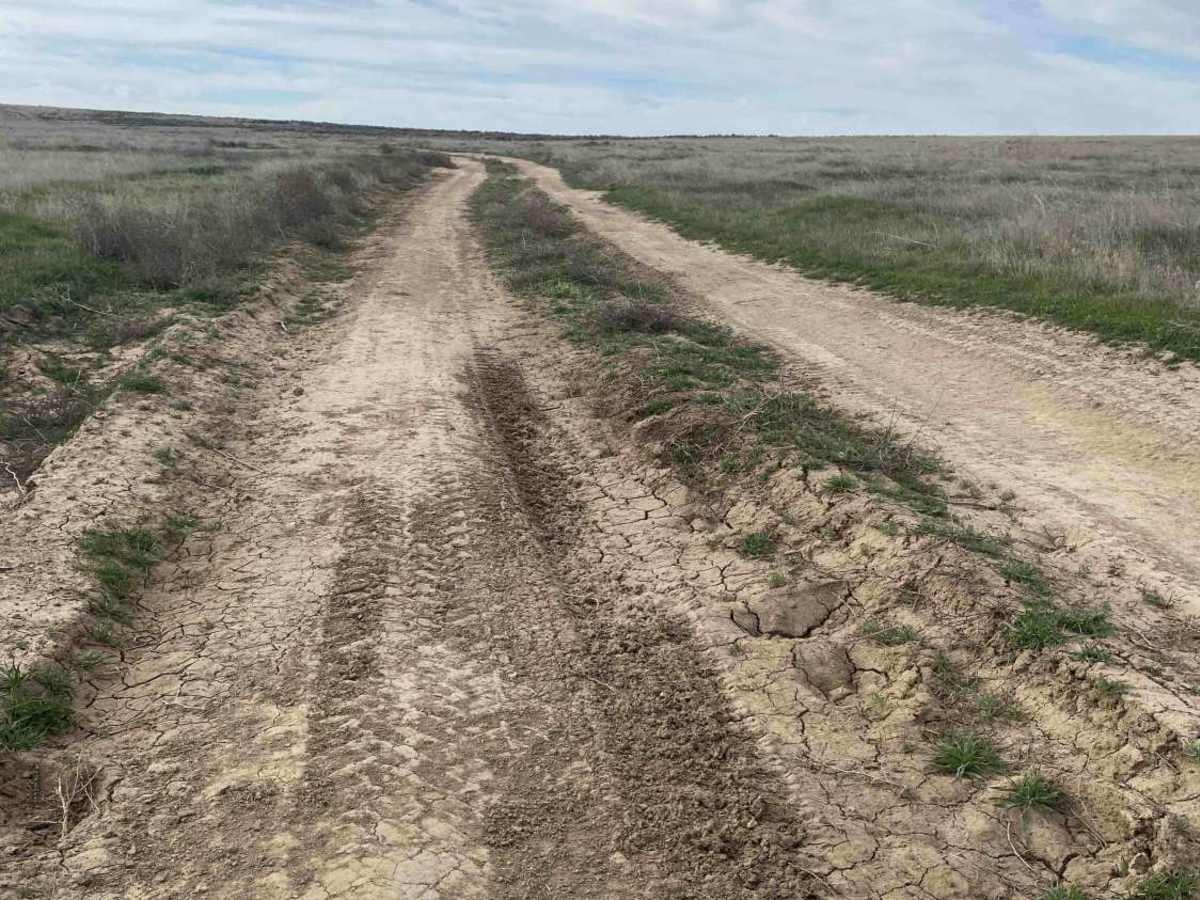
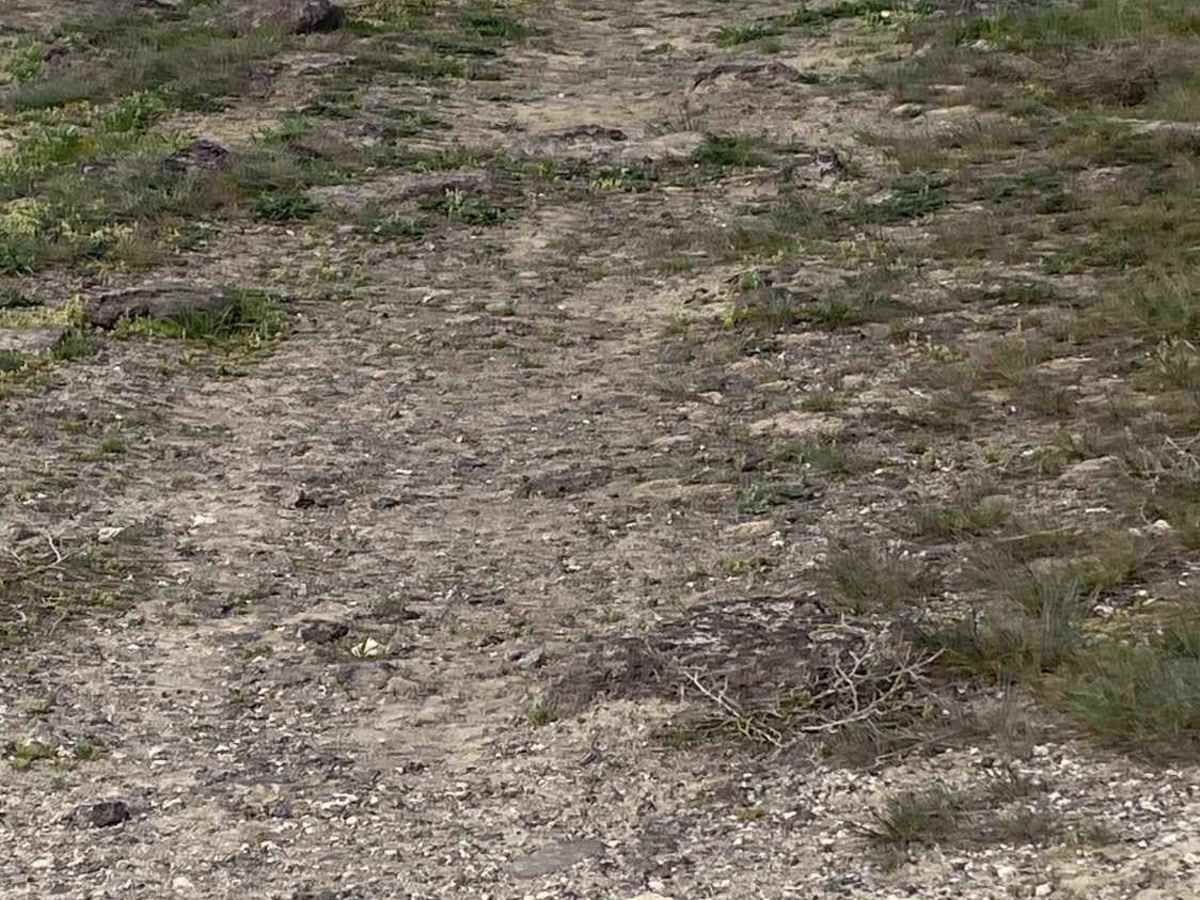
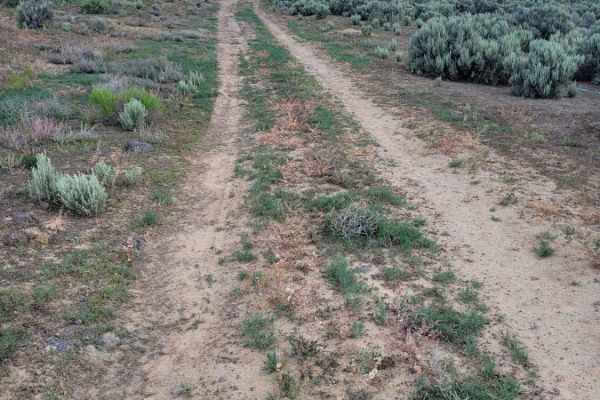
The first mile is hard-packed dirt that has become rutted from rain. Once you reach the loop around the crater, the terrain shifts to constant, jagged rocks protruding from the trail. While the rocks aren't large (mostly 8 to 10 inches), they are embedded and continuous.
History
Crater Rings are two adjacent volcanic pit craters near Mountain Home, Idaho, formed from lava lakes less than two million years ago. Geological Features: The eastern crater is approximately 3,000 feet across and 350 feet deep, while the western crater measures roughly 2,500 feet across and 300 feet deep. Both craters are believed to have once been lava lakes, similar to Halemaʻumaʻu Crater in Hawaii, and are classified as subsidence craters formed when underlying magma drained away and caused the surface rock to collapse.