Trail Overview
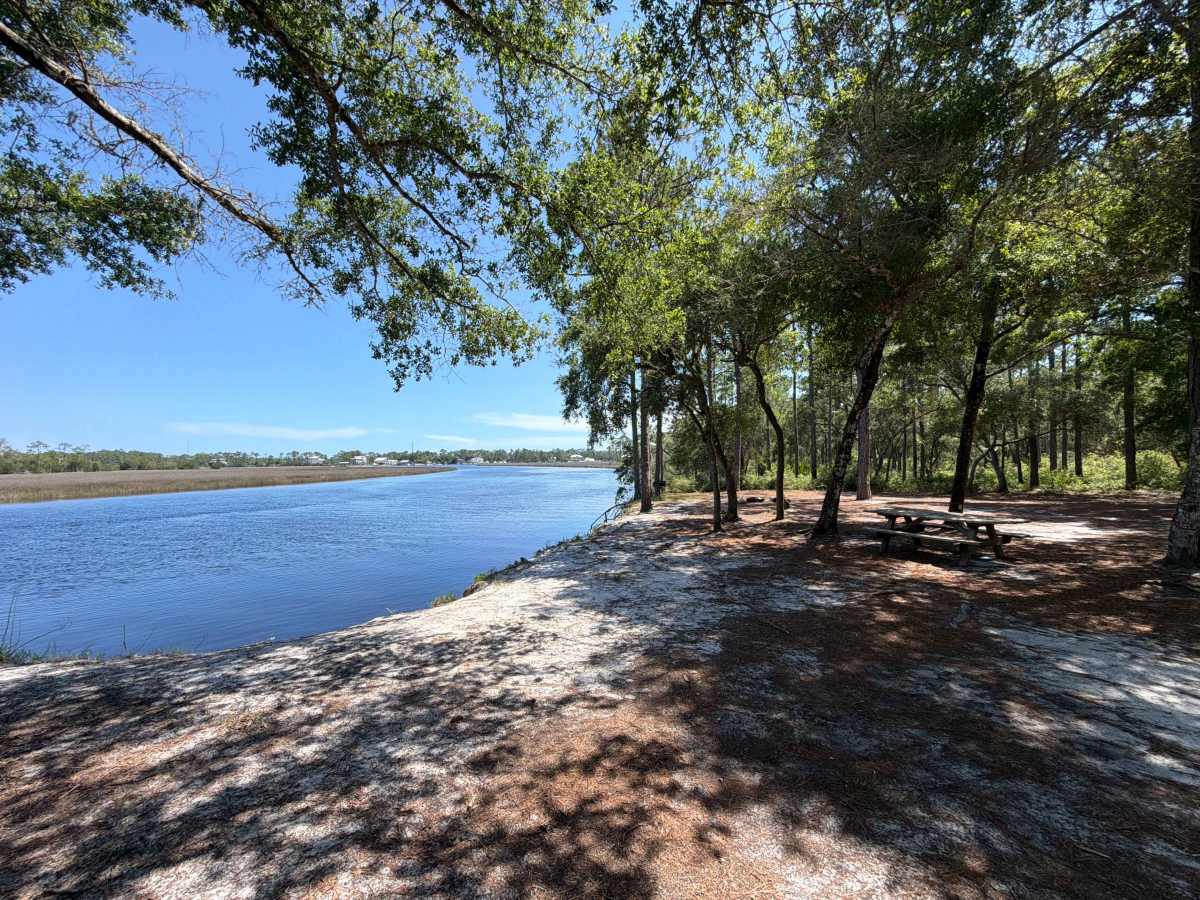
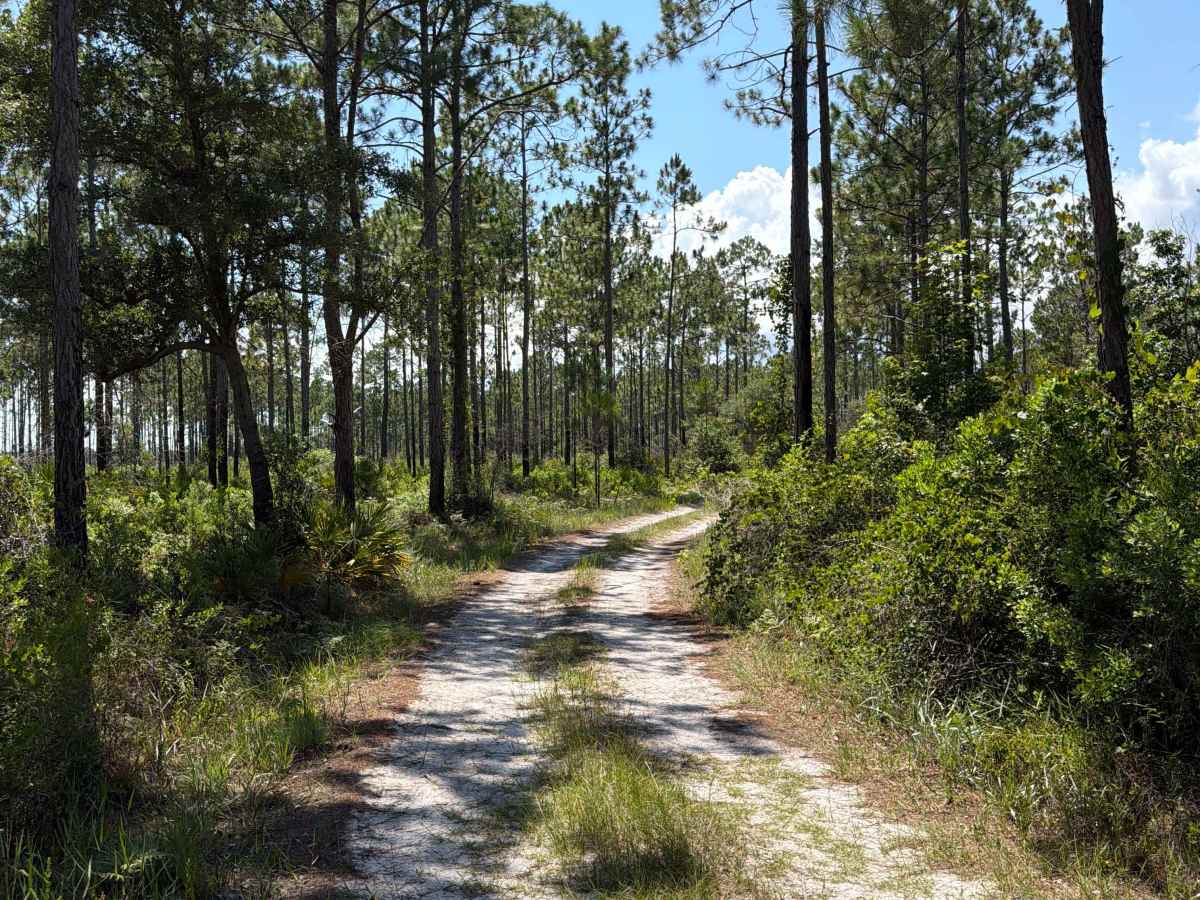
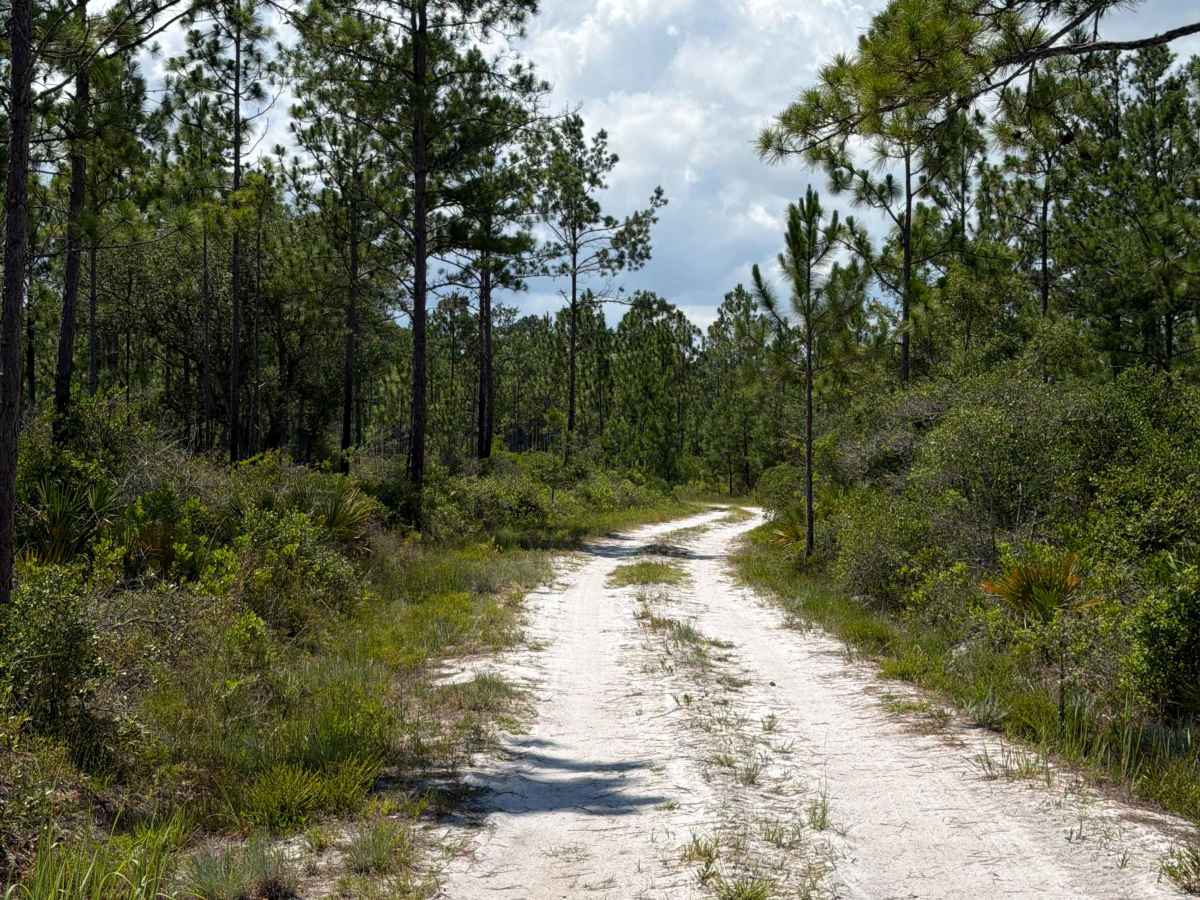
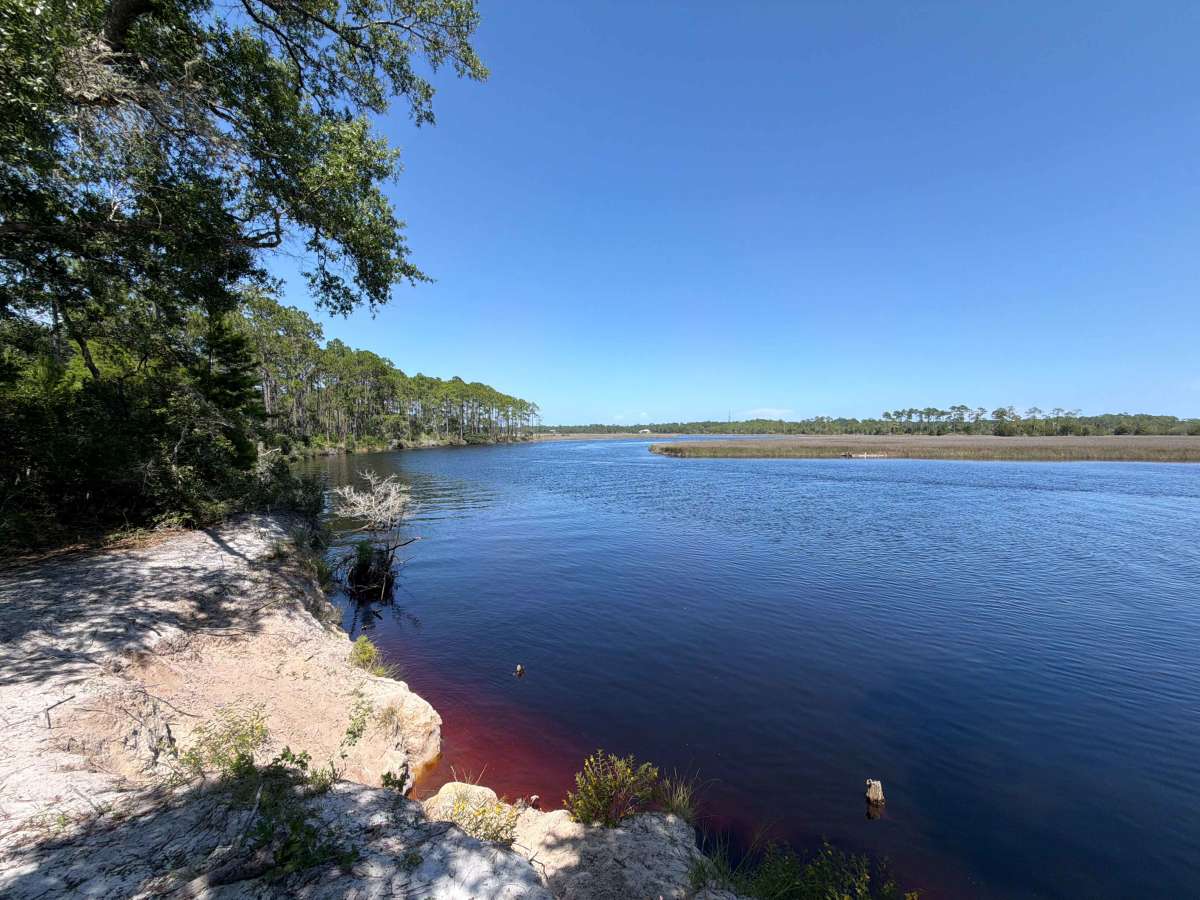
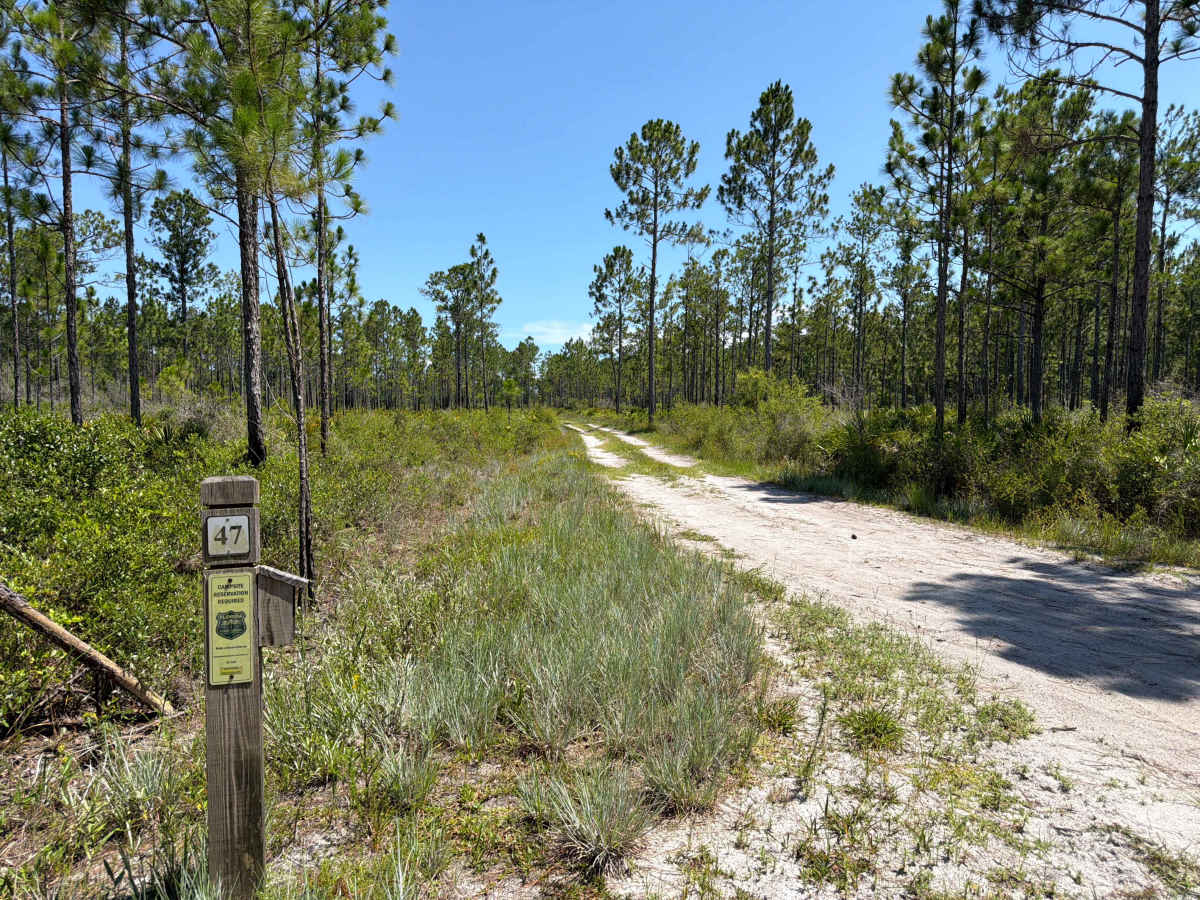
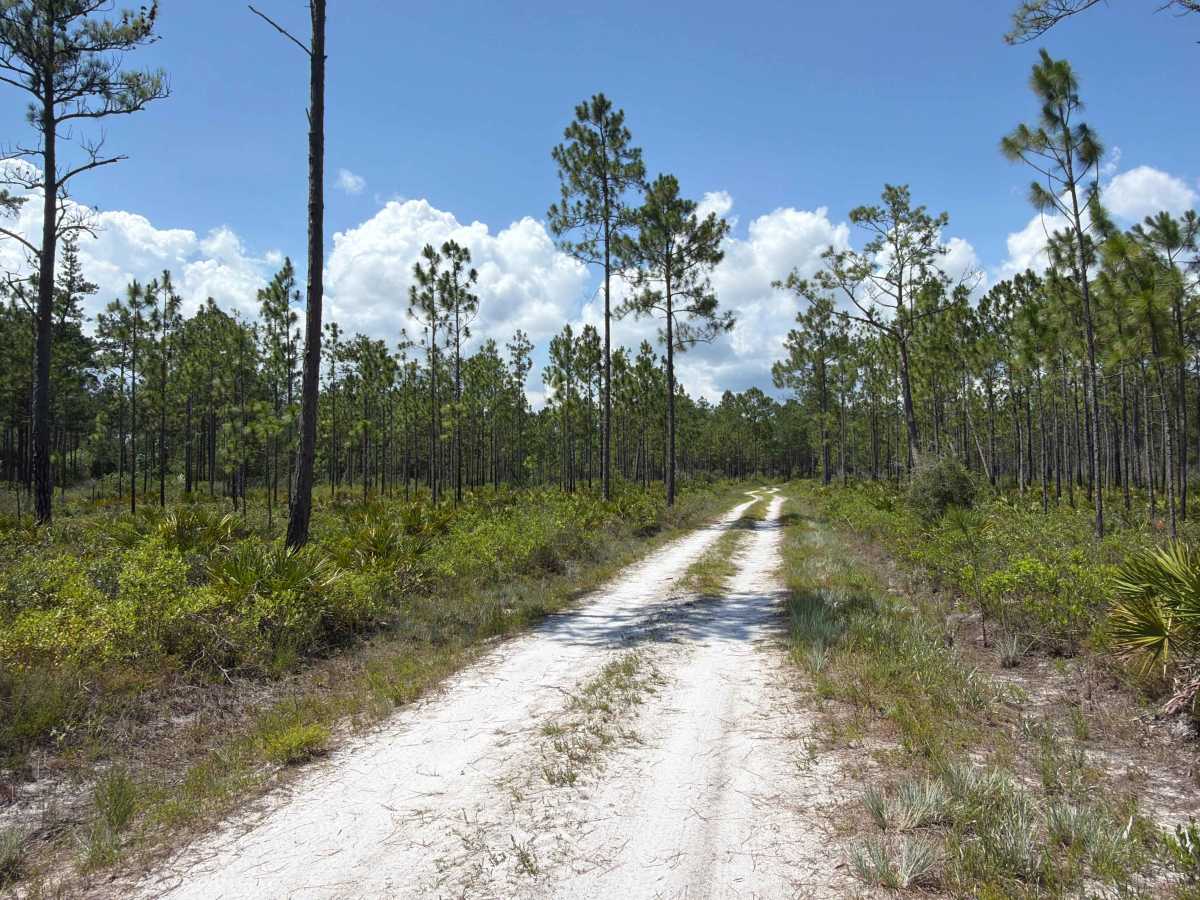
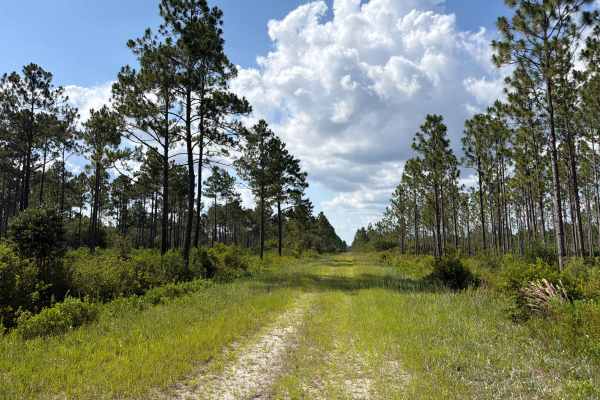
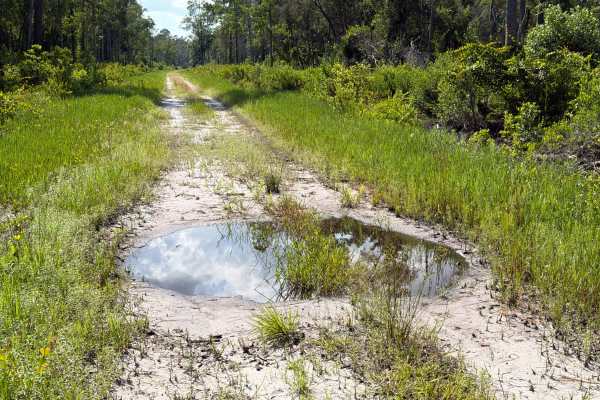
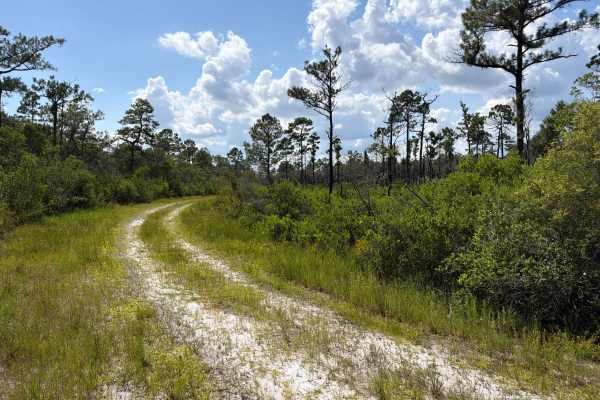
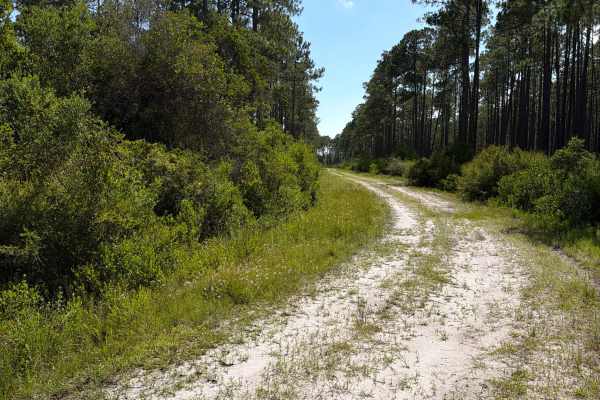
Forest Road 124 is a dead-end trail that takes you from north to south through the Picket Bay District in the southern part of Tate's Hell State Forest. It starts at Warren Bluff Road and gives you access to a primitive campsite at the Crooked River and a ramp to launch your kayak. The road conditions are a mixture of packed sand, loose sand, and some deep holes that can turn into 2-foot-deep mud holes after rainy days. Some sections might require 4WD. The trail is always wide enough for two vehicles to pass. Off-Highway Vehicles (OHVs) are only permitted in designated areas and require proper titling and a State Forest OHV Permit. Please be aware that the cellphone reception is weak and the next gas station might be far. Tate’s Hell is a large patchwork of flatwoods and savannahs with an intricate web of creeks and wetlands. The forest features the unique dwarf cypress, which only reaches a mature height of about 15 feet, with some trees estimated at over a century old. Pitcher plant prairies hold a diverse mixture of carnivorous plants, wildflowers and grasses. The carnivorous plants include glistening sundews, butterworts, bladderworts, and several species of pitcher plants, which trap insects in their erect trumpet-shaped leaves. Tate’s Hell is home to a rich array of wildlife including deer, turkey, black bear, alligators, and many resident and migratory birds. The forest offers space, solitude, and unique natural beauty to the visitor.
History
Local legend has it that in 1875, a farmer by the name of Cebe Tate, armed with only a shotgun and accompanied by his hunting dogs, journeyed into the swamp in search of a panther that was killing his livestock. Tate became lost in the swamp for several days, was bitten by a snake, and was drinking from the murky waters. Finally, he came to a clearing near Carrabelle, living only long enough to murmur the words, “My name is Cebe Tate, and I just came from Hell!” Since then the area has been known as Tate’s Hell. In the early 1950s, under the ownership of private forest production companies, attempts were made to drain Tate’s Hell swamp in order to grow trees. They later learned that draining the freshwater from the swamp into East Bay seriously affected the marine condition of the Bay and its estuaries. In 1994, the first land was purchased by the state to help protect the aquatic and estuarine resources of East Bay by securing the watersheds and upland buffers of Tate’s Hell Swamp.

 Offroad