Trail Overview
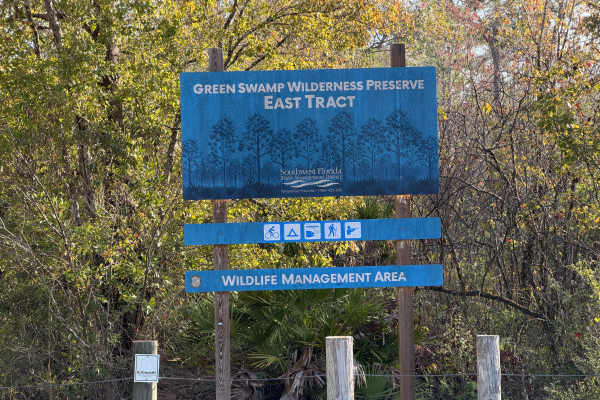
This trail is located within the Green Swamp Wildlife Management Area (WMA), also known as Green Swamp East. Access is limited to specific periods of the year. Some of those periods require special quota permits issued by the Florida Fish and Wildlife Commission (FWC). Public access is limited to periods open for scouting or hunting, and during fishing and frogging season. Verify those dates with the FWC, as they may change each year or season. The area is also accessible during periods open to camping. Again, verify with the FWC website regarding those dates, as they are subject to change. Utilizing the area requires a WMA permit, which currently is $50 per individual. This permit is applied for and obtained through the FWC. In addition to the WMA permit, certain periods, as mentioned above, may require the possession of a limited entry quota permit. Only registered street legal vehicles are permitted access when opened for vehicular traffic.
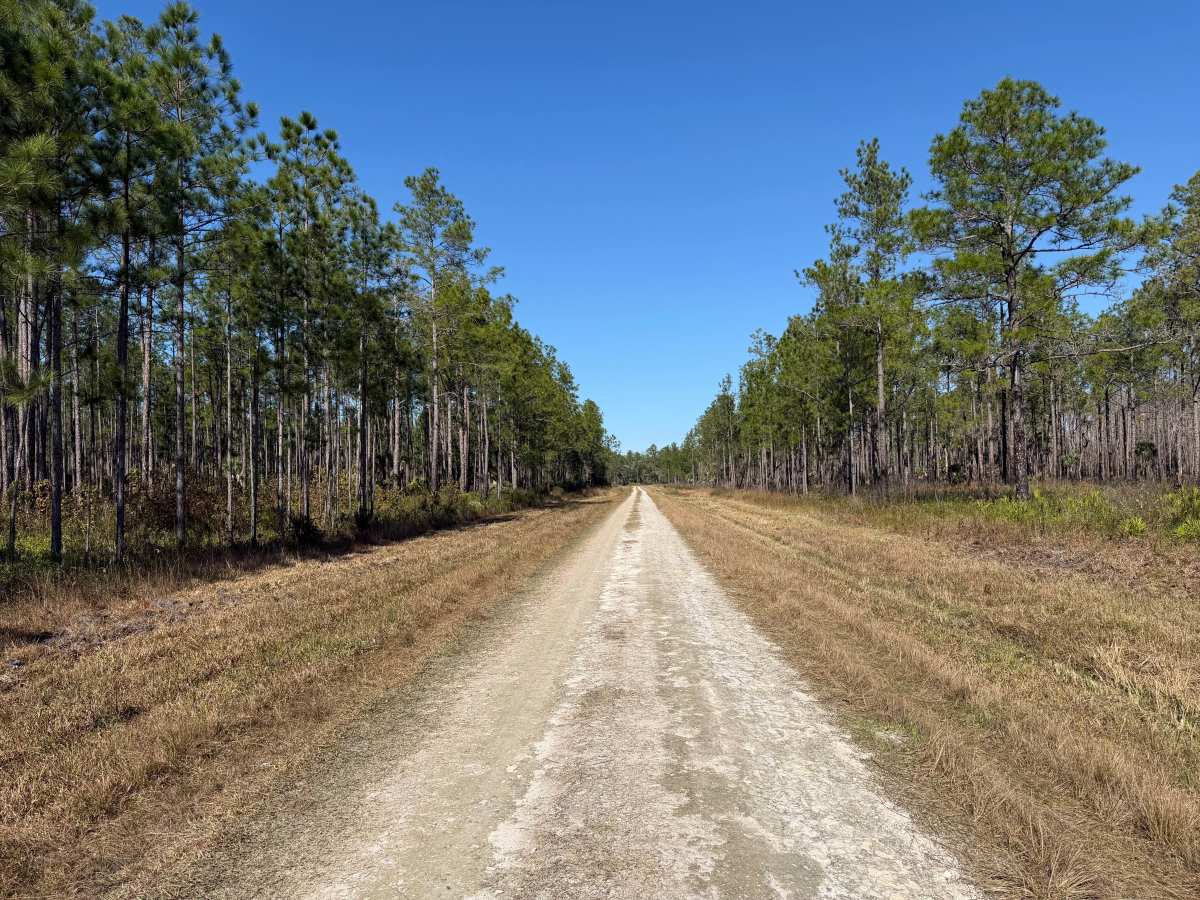
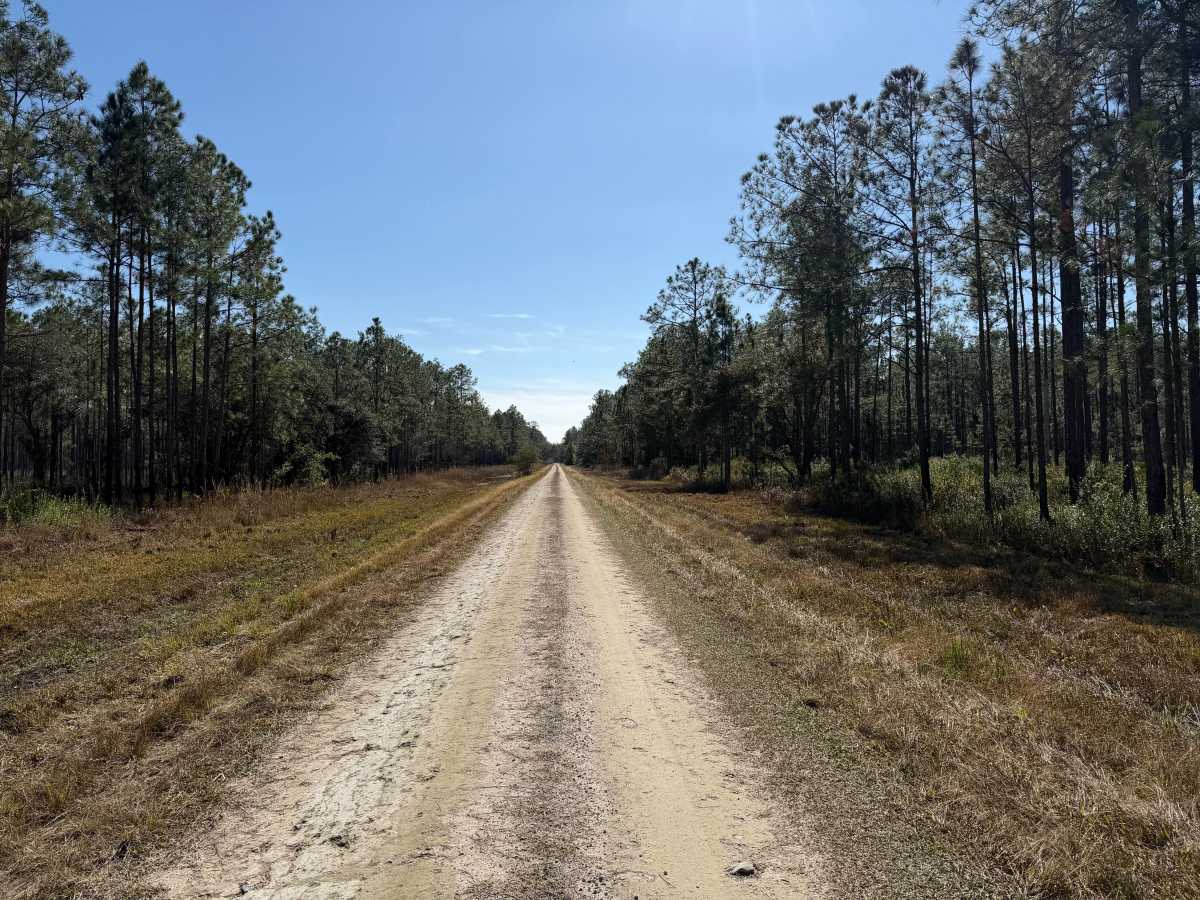
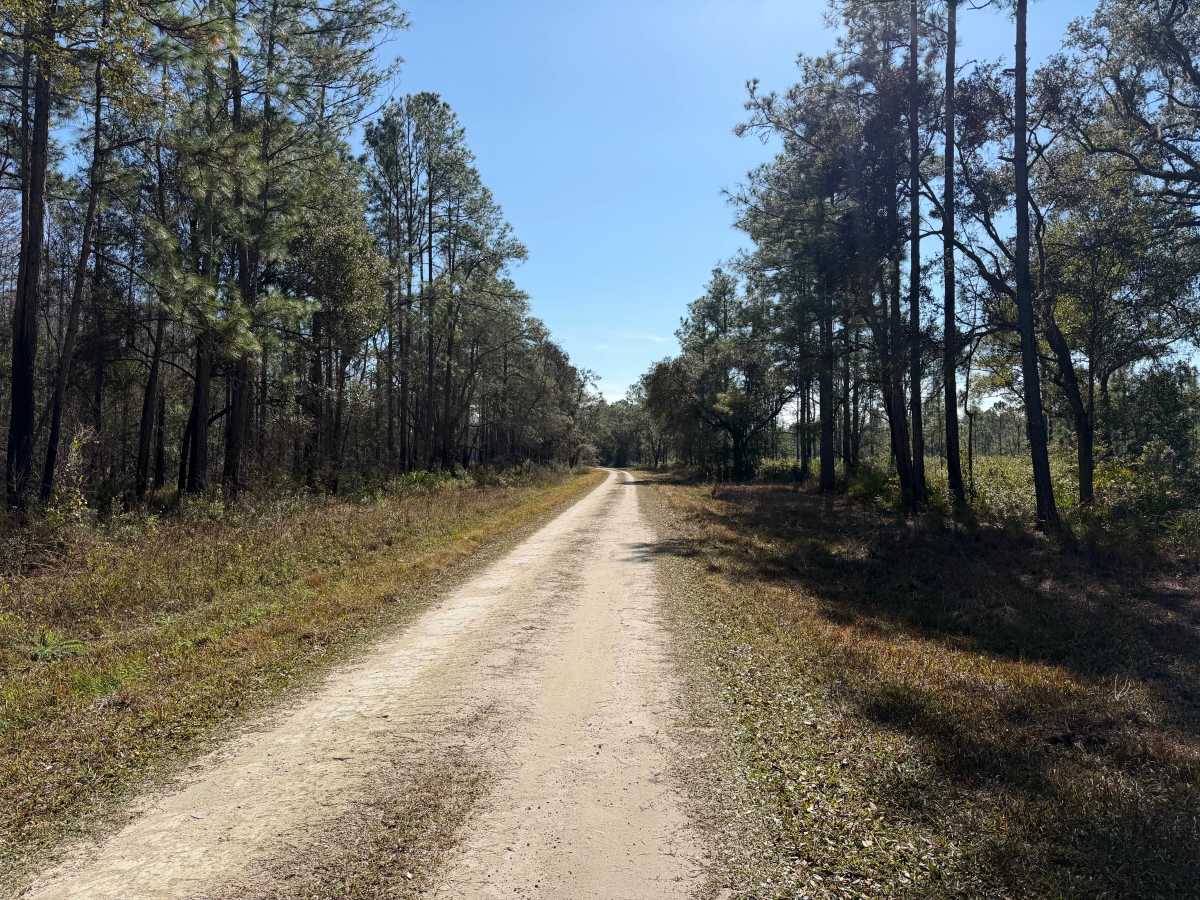
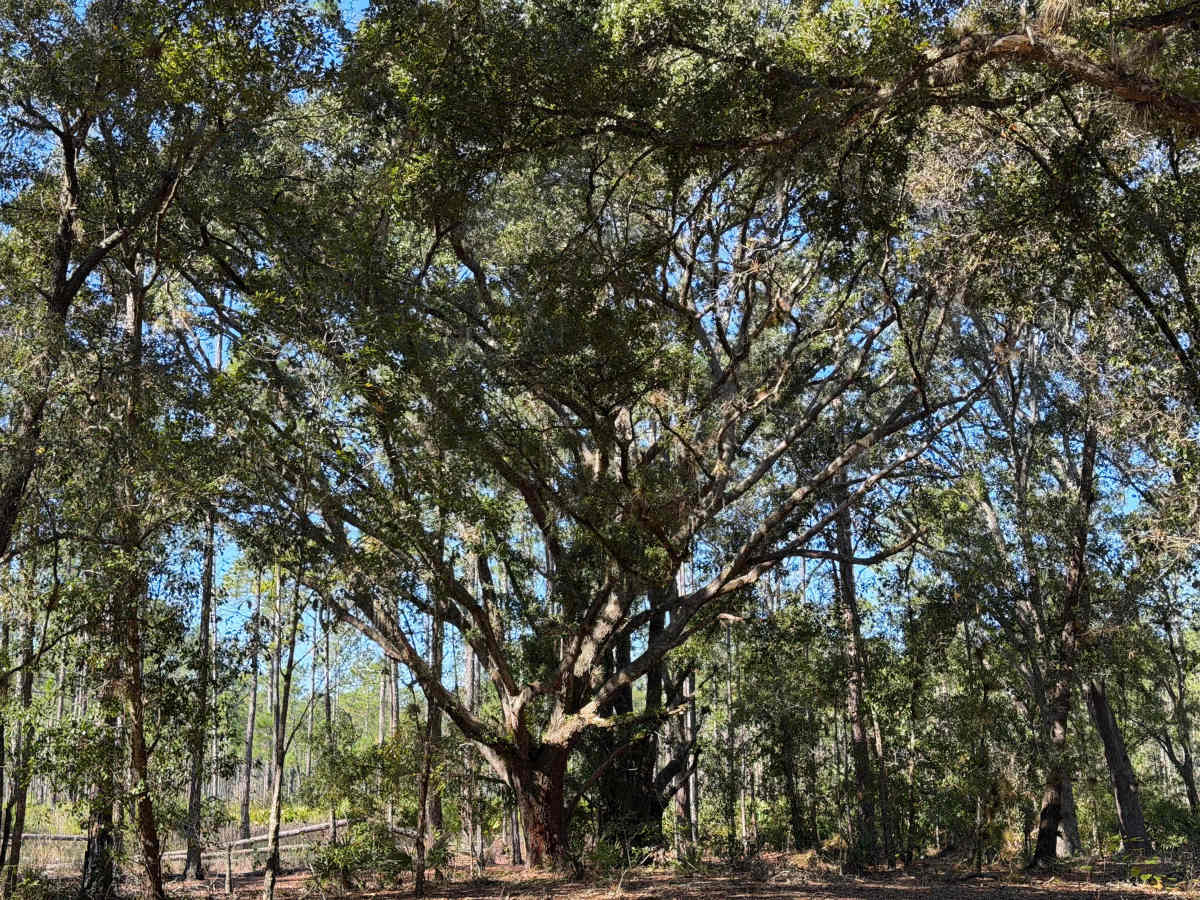
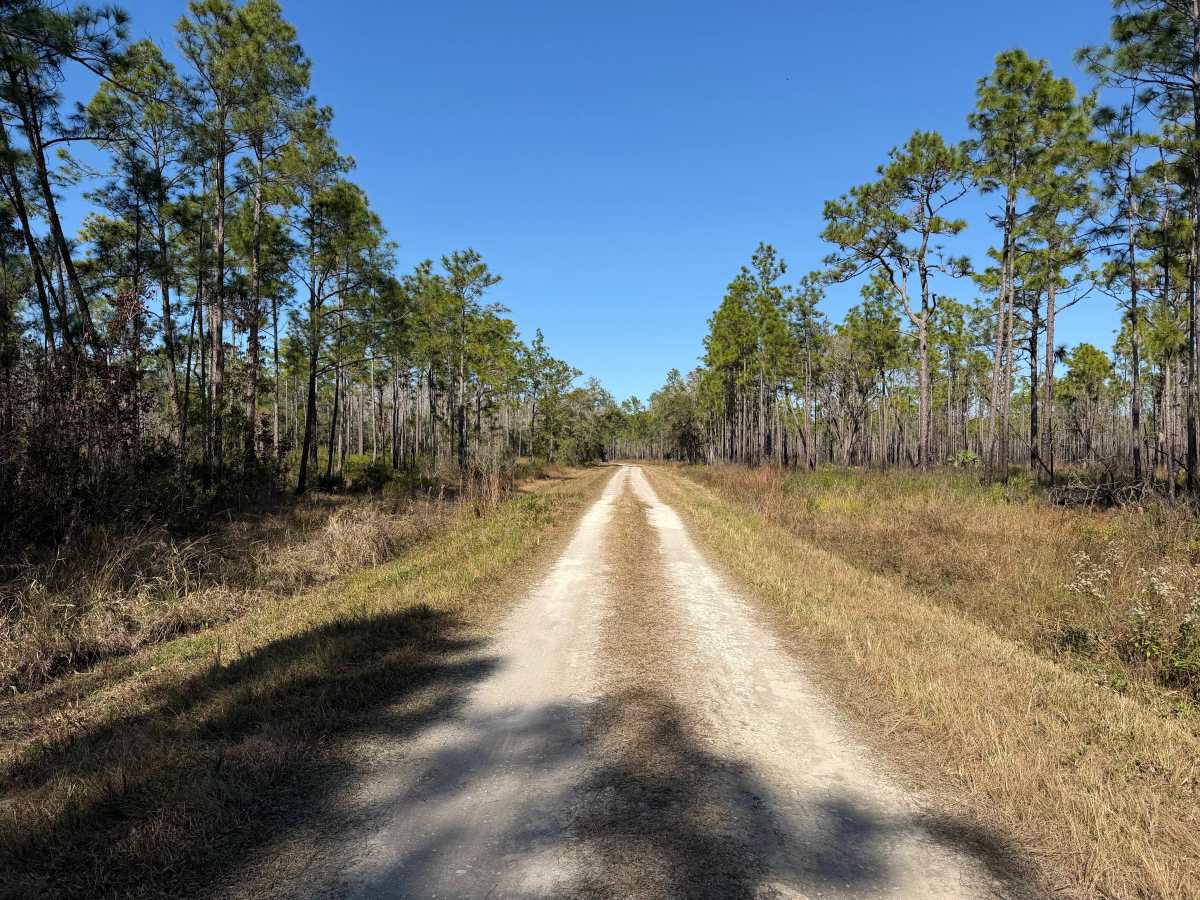
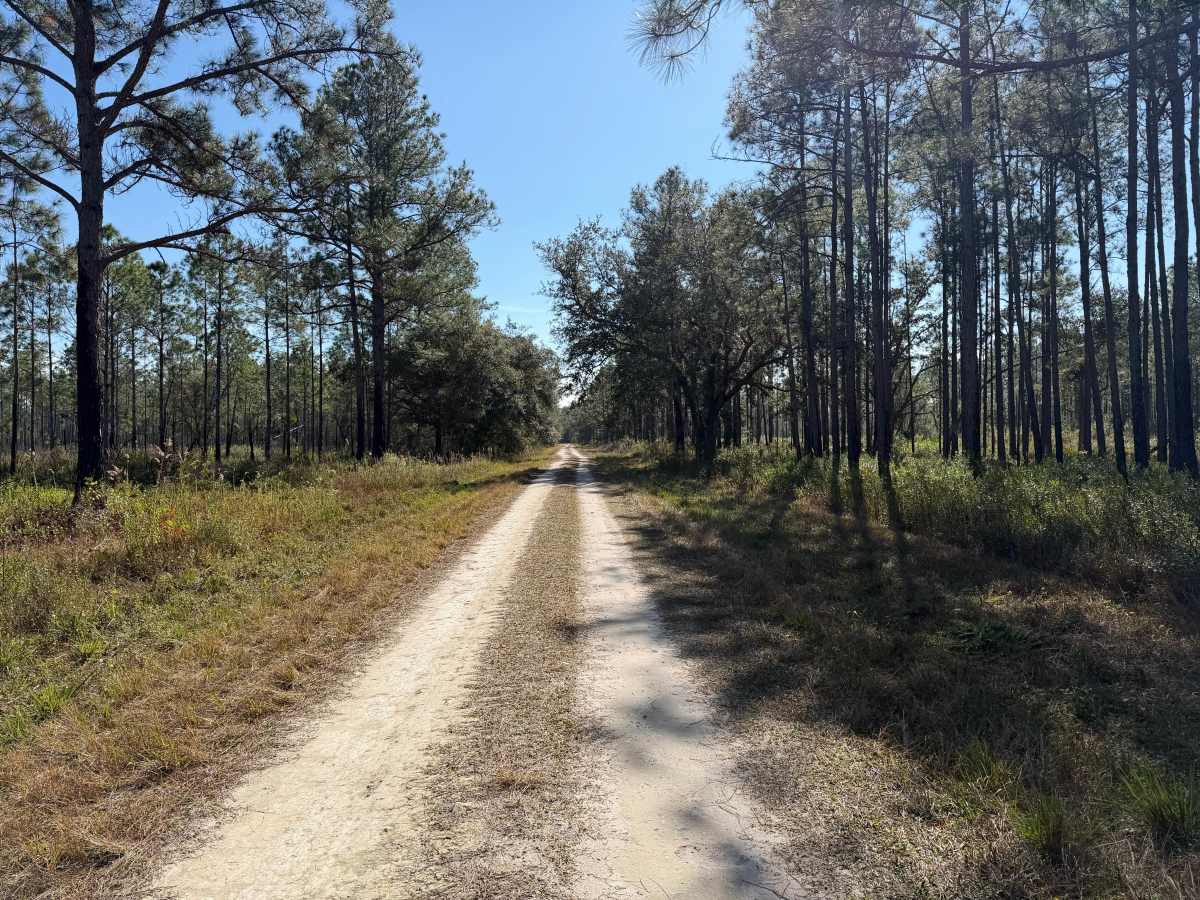
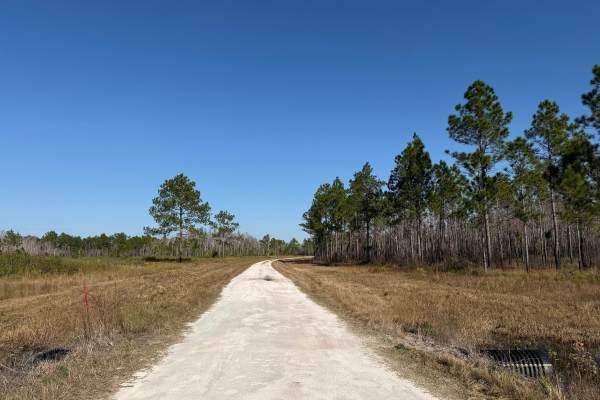
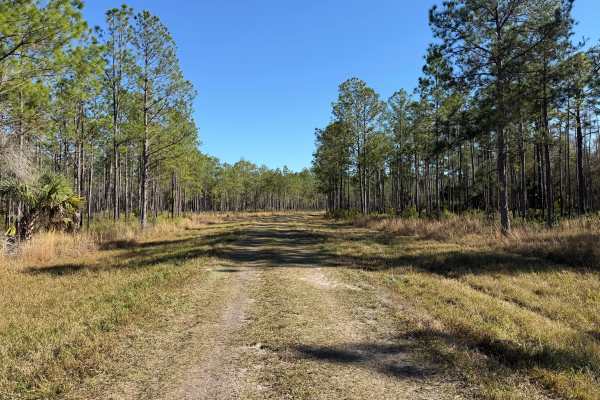
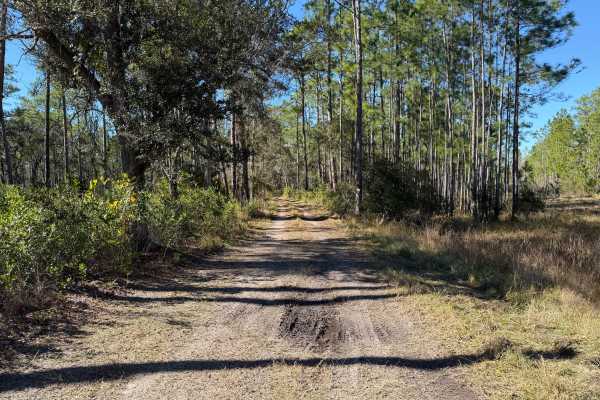
Ellis Grade, while short in distance, is a very scenic canopy-covered trail leading through the deeply forested area to several key trailheads of the Florida Trail, a national scenic hiking trail. Majestic oaks and mature hardwood tree canopies cast their shadows over the trail, giving the feel of going back in time as the trail progresses deep into the forest. The trail is mostly single-vehicle-wide, with wide, soft dirt or muddy shoulders to allow for passing. The trail is mostly compacted dirt, with some areas having exposed slick/smooth cap rock segments. Potholes and minor rutting are typical along the trail; some potholes may be wide and deep enough to cause damage to wheels or steering components. The trail travels through a variety of ecosystems, ranging from longleaf pine sandhills, upland hardwoods, herbaceous wetlands, pine flatwoods, hardwood swamps, and floodplain marsh areas.
Difficulty
The trail is mostly single-vehicle-wide, with wide, soft dirt or muddy shoulders to allow for passing. The trail is mostly compacted dirt, with some areas having exposed slick/smooth cap rock segments. Potholes and minor rutting are typical along the trail; some potholes may be wide and deep enough to cause damage to wheels or steering components.