Trail Overview
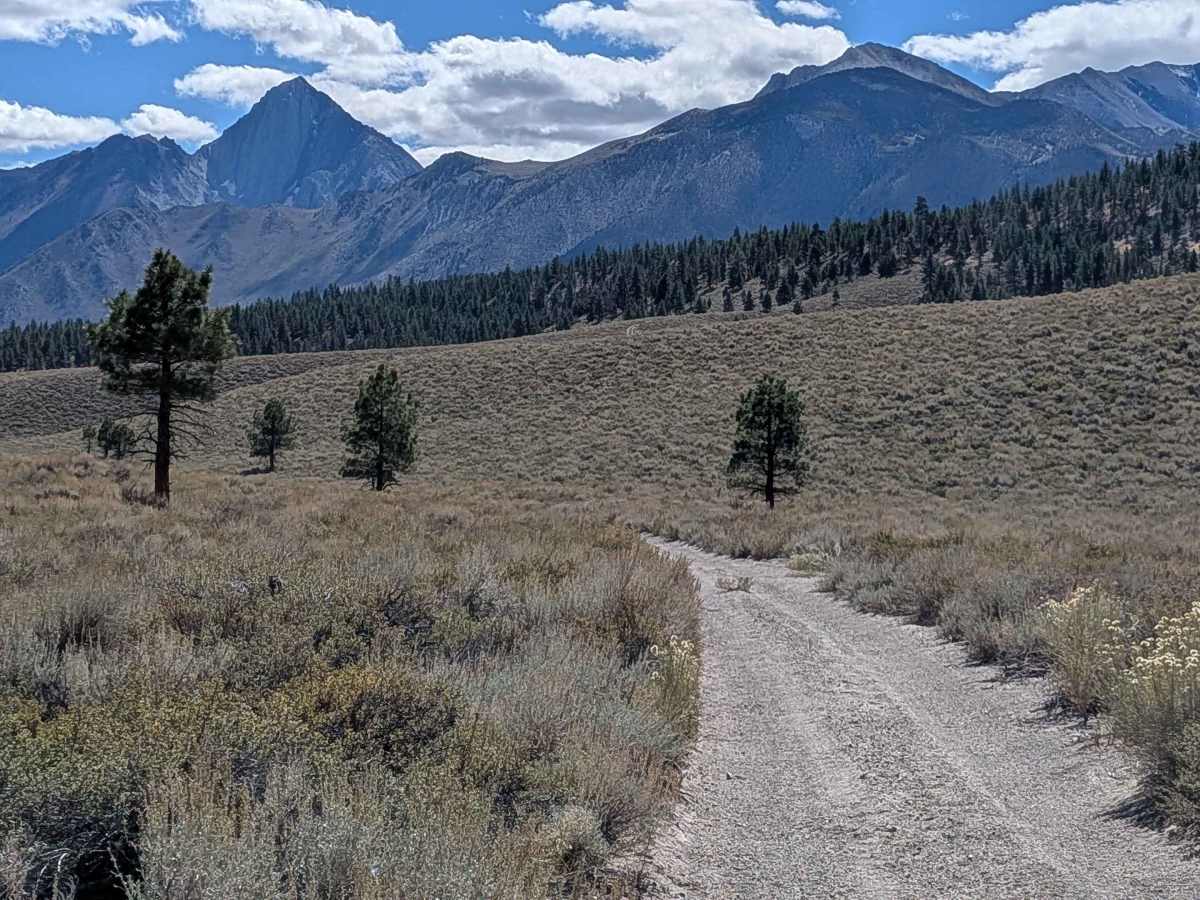
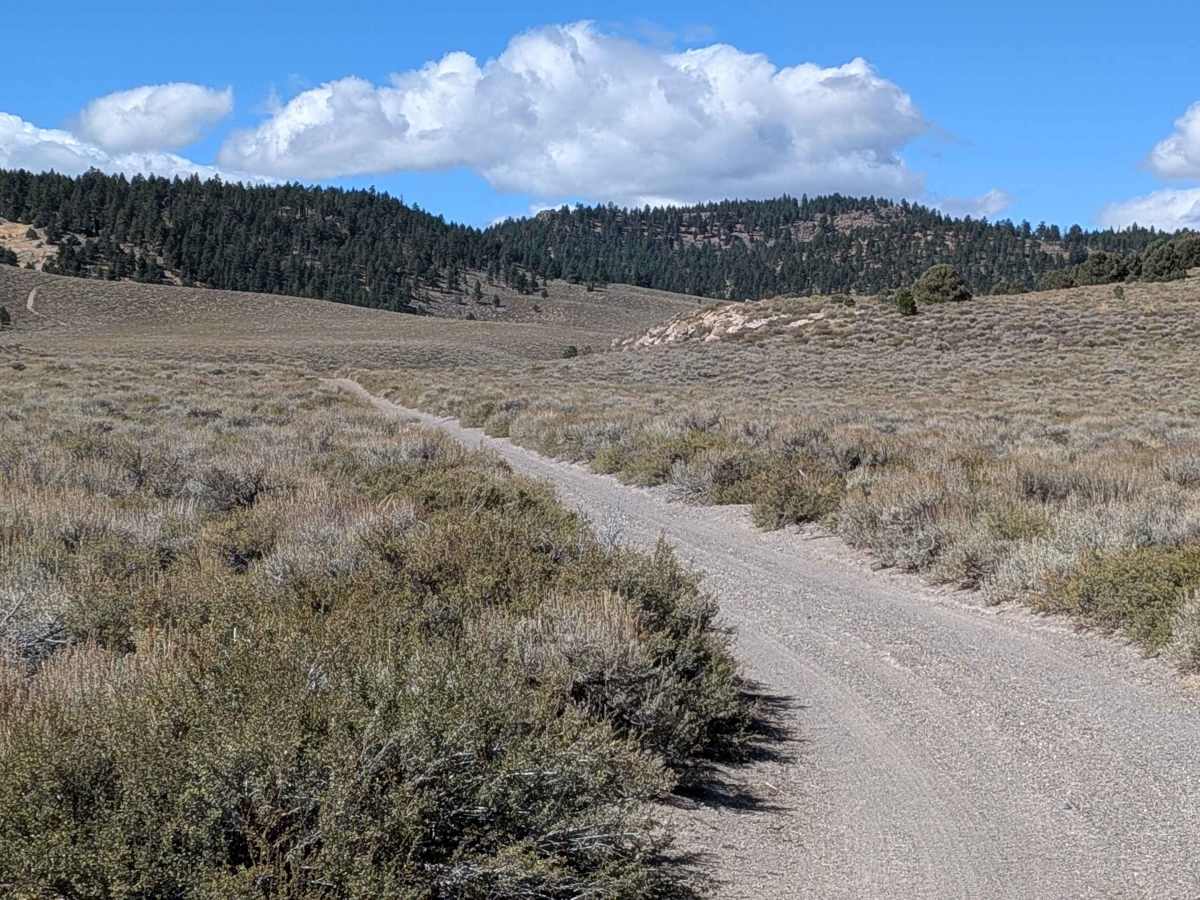
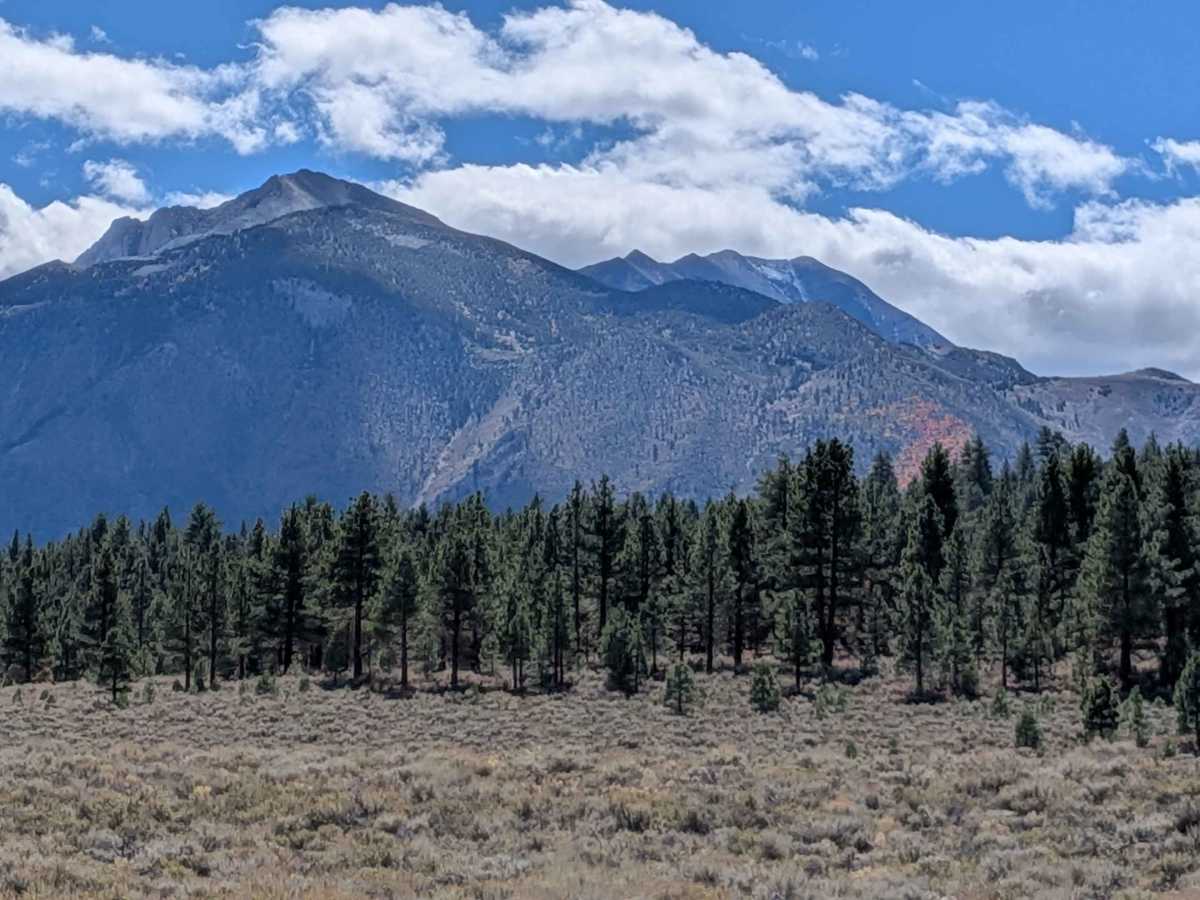
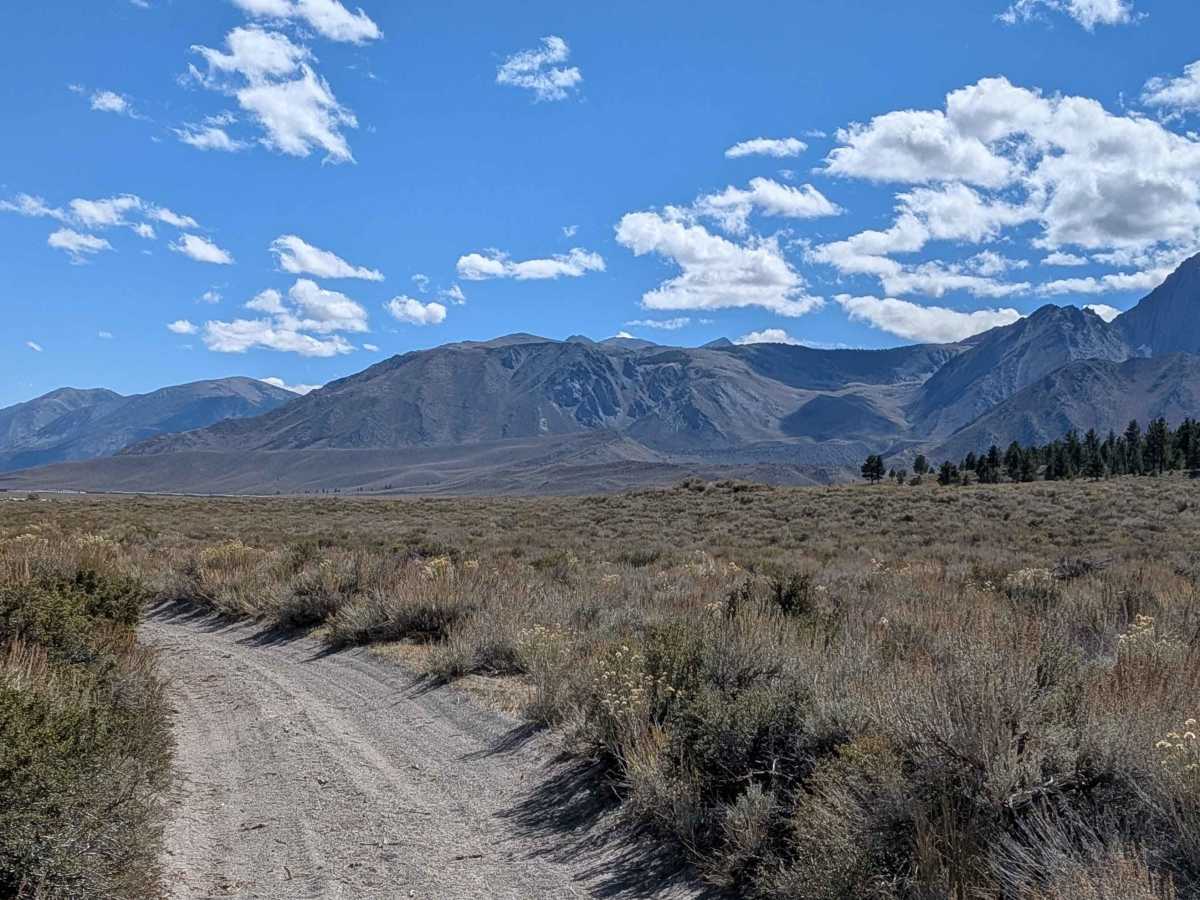
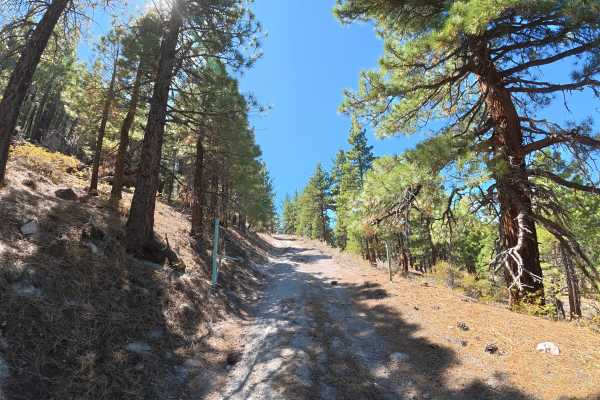
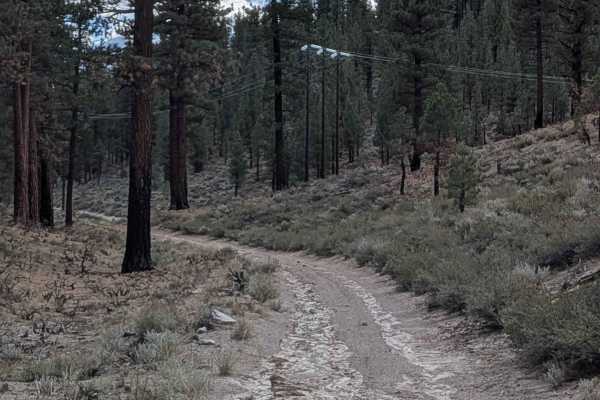
This trail starts just off Antelope Springs Road West and drops dramatically over 530 feet in just under 2 miles, creating a steep descent down a canyon from the upper shelf road toward the airport area. The trail offers stunning and dramatic views of the valley and Eastern Sierras as elevation drops and perspectives open, rewarding the technical descent with impressive scenery. The canyon environment creates an intimate driving experience with changing vistas as you descend toward lower elevations. Visitors should be aware of seasonal fire restrictions that may affect access or activities in the area. Coming from the north, the trail quickly descends a hill featuring some deep ruts under 12 inches that require careful navigation and speed control on the downgrade. The trail surface consists of sand and pumice that can be deep at times, demanding momentum management and appropriate tire pressure for flotation. The route is one vehicle wide and lined with thick sage and other brush, meaning wide vehicles will likely receive Sierra pinstripes as vegetation makes contact with both sides. Some small tree roots and drop-offs appear along the descent, adding obstacles that require attention to line selection. Off-camber sections and whoops are scattered throughout, particularly challenging when combined with the steep downhill grade. Low clearance vehicles are not recommended for this trail due to the combination of deep ruts, tree roots, drop-offs, and uneven terrain that could cause undercarriage damage. One spur trail, Forest Service Road 3S60D, branches off and leads out of the valley back up the hill, providing an alternative exit or loop opportunity. Although portions of the trail become fairly smooth, whoops remain present throughout, requiring vigilance with speed management to avoid losing control on the descent.
Difficulty
This trail has an easy difficulty rating (3) based on the steep 530+ foot descent in under 2 miles, deep ruts under 12 inches on downhill sections, sand and pumice surface that can be deep requiring momentum management, one-vehicle width with thick brush causing pinstriping, off-camber sections combined with whoops, tree roots and drop-offs, and the recommendation against low clearance vehicles. The primary challenges include controlling speed on the steep descent while navigating ruts and obstacles, managing deep sandy sections without getting stuck, handling off-camber angles safely on downhill grades, avoiding tree roots and drop-offs, and accepting inevitable brush contact on the narrow corridor.

 Offroad