Trail Overview
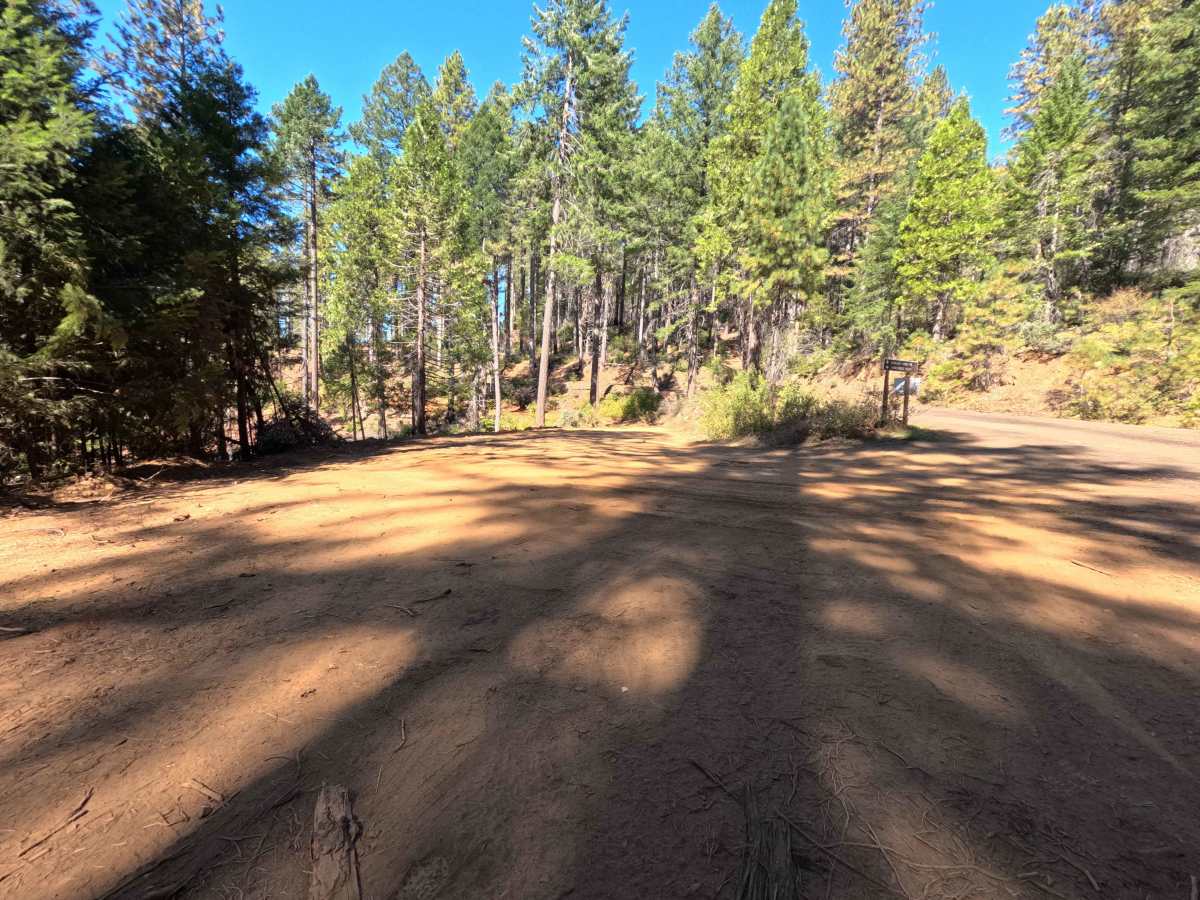
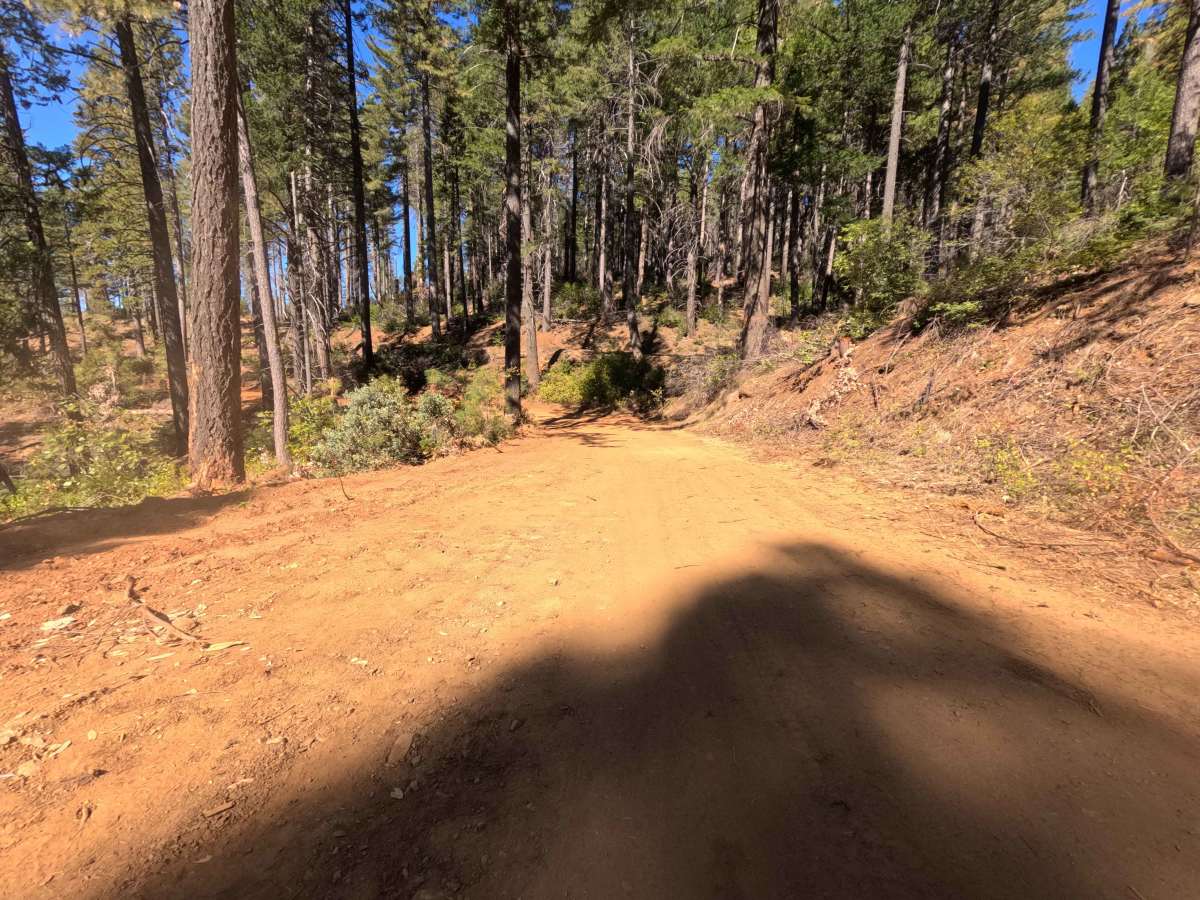
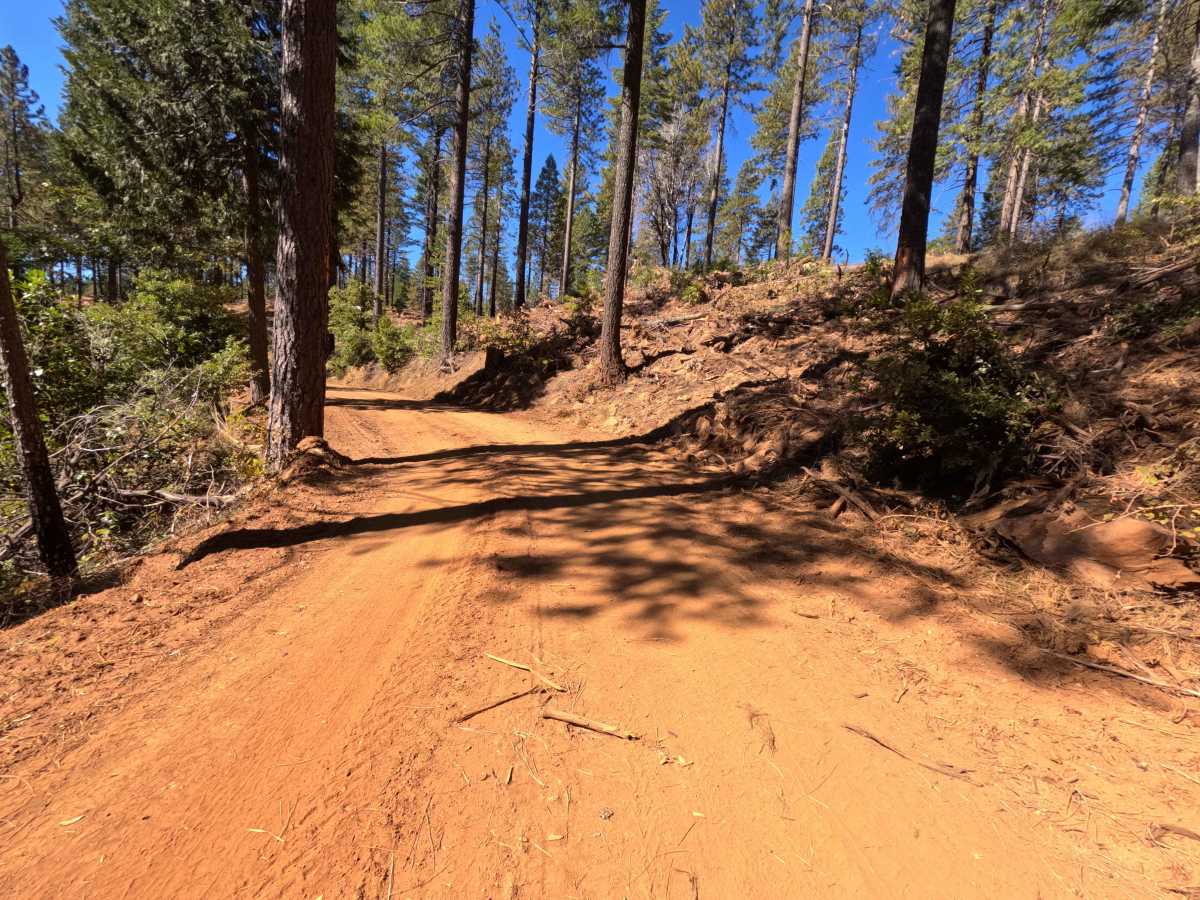
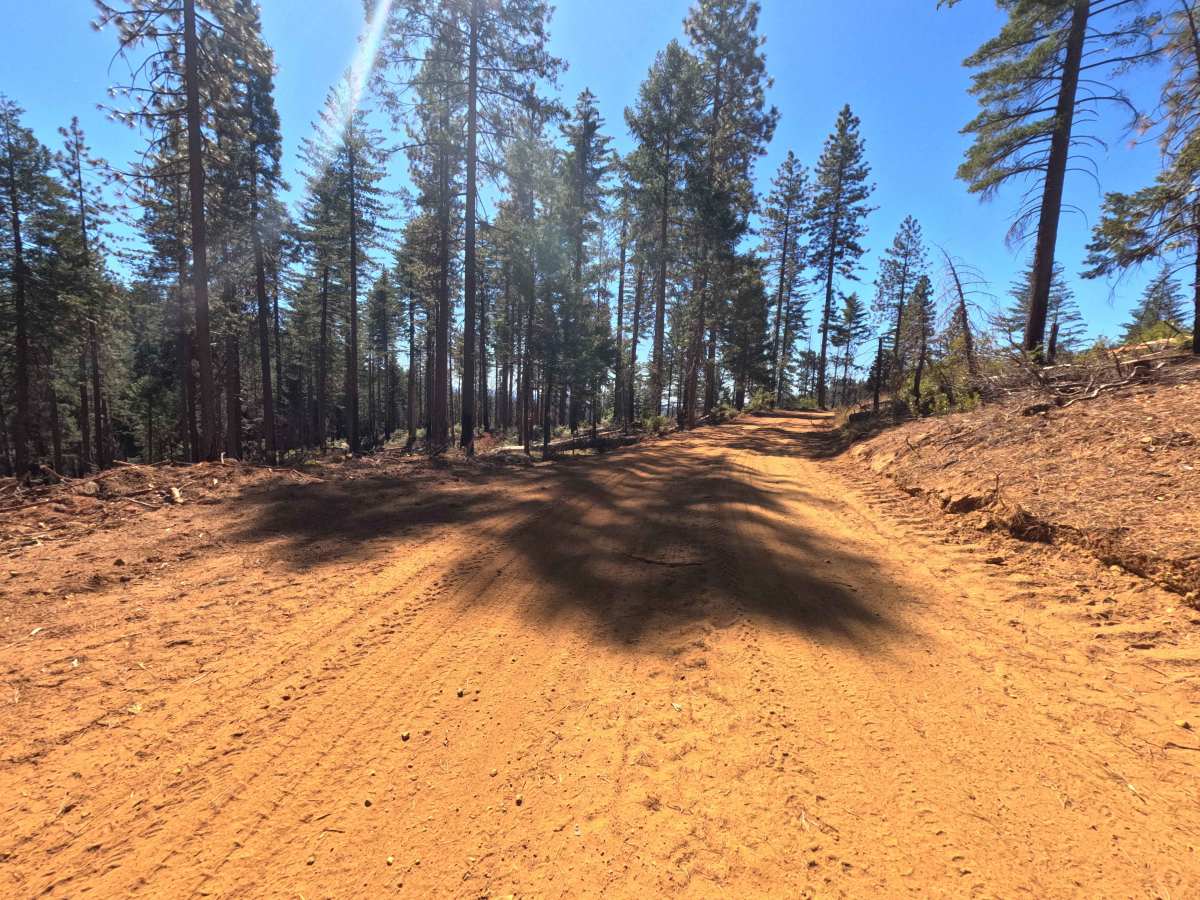
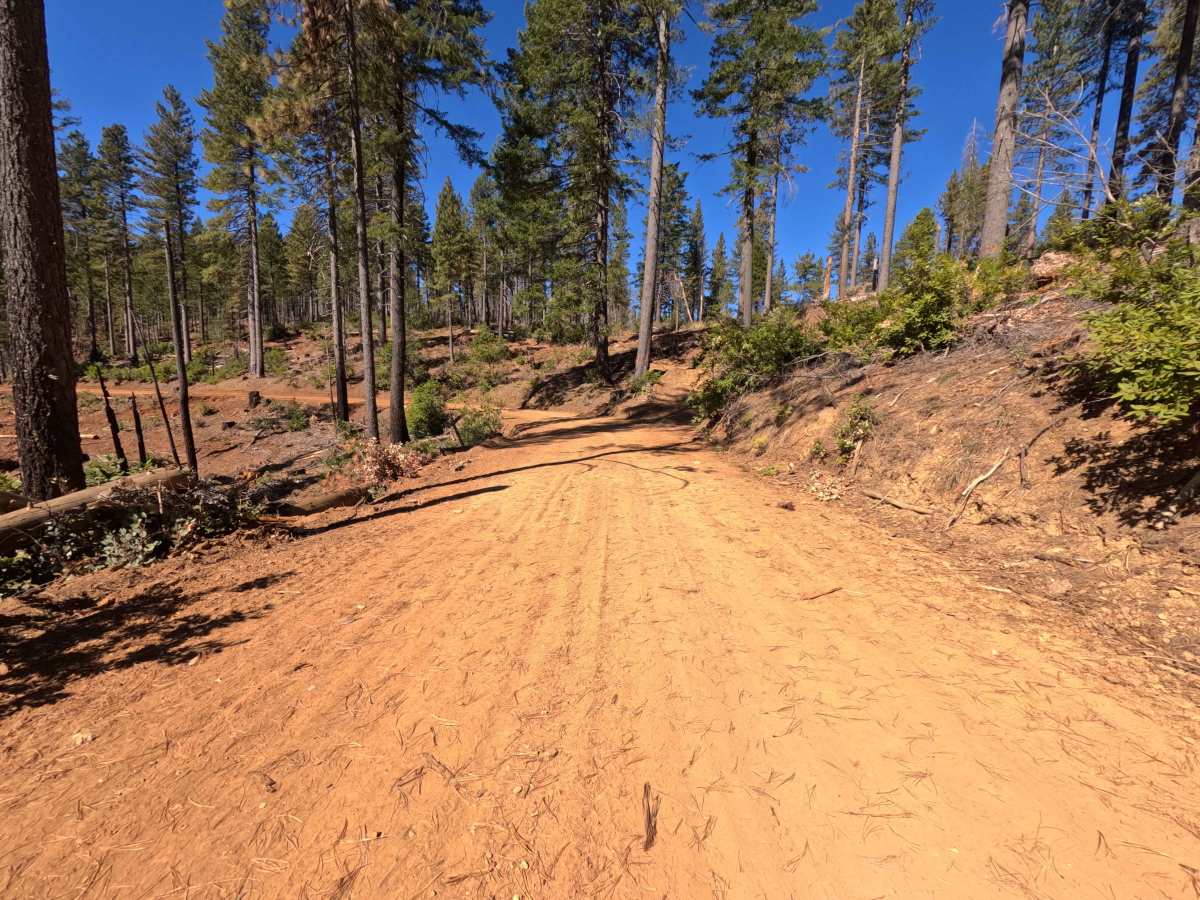
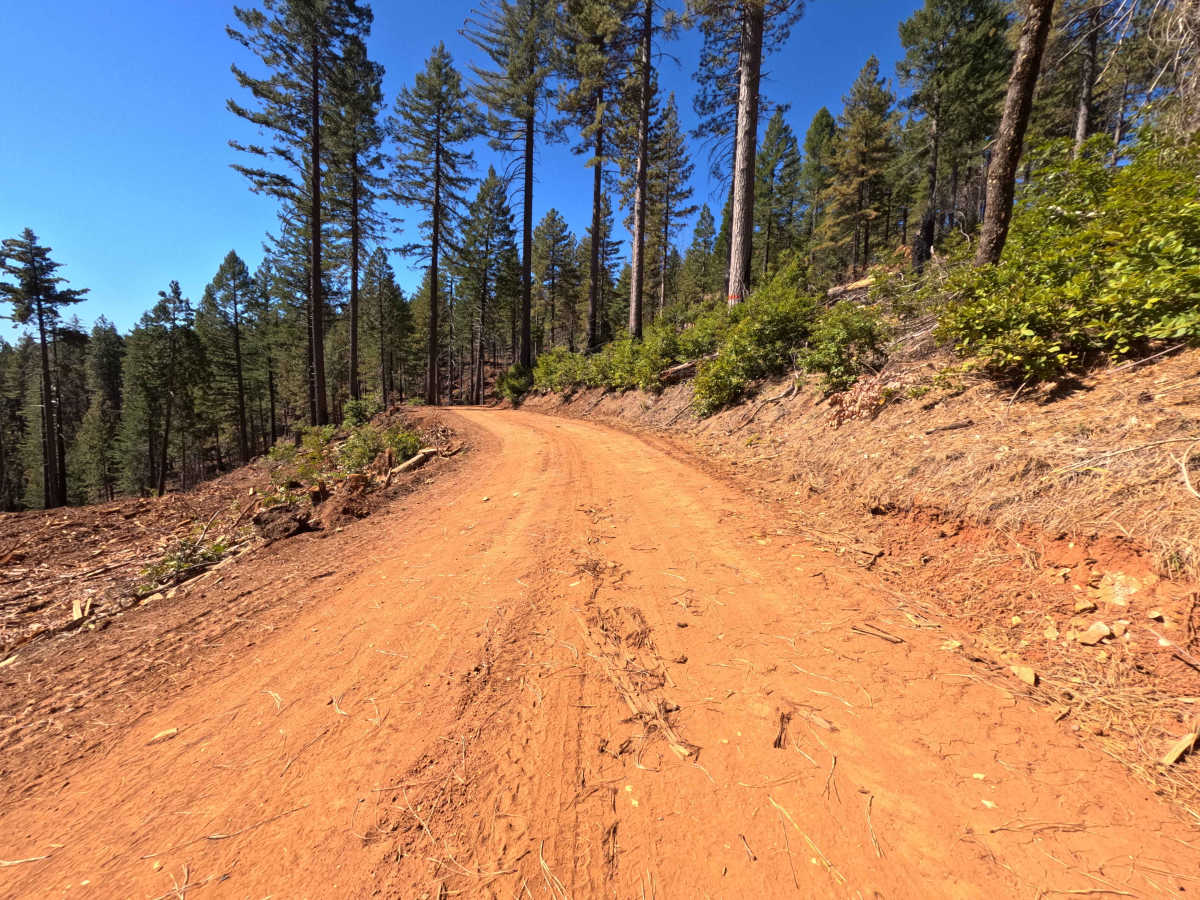
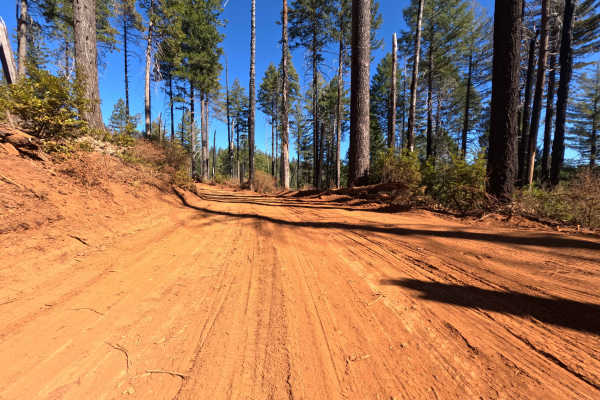
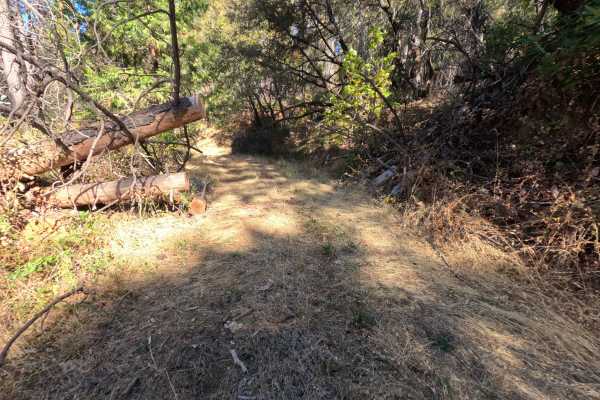
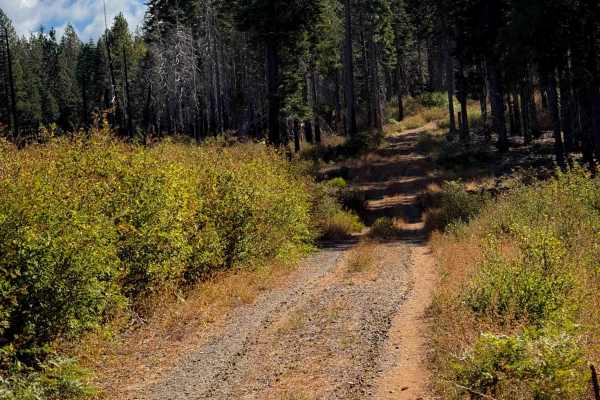
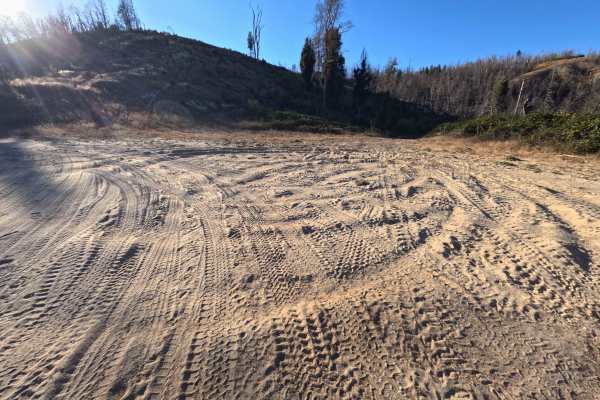
Serving as a secluded, out-and-back ridge-line spur, Canyon View (FS 22N83) sweeps high along the mountainside directly below the prominent peak of Hungary Hunt. The route travels through a dynamic, mixed environment within the Plumas National Forest, showcasing a transition between heavily thinned woodland clearings and stands of surviving, mature evergreen timber completely untouched by recent historic wildfires. Primarily utilized as a quiet woodland detour, the trail also acts as an access point to the adjacent Westside OHV trail network. For off-grid campers seeking elevated isolation, the corridor offers several excellent dispersed camping opportunities, including a single-vehicle pull-off near the one-mile saddle, a slightly larger spot further along at 1.3 miles, and a sprawling camp area capable of hosting three to four vehicles right at the 1.8-mile dead-end. The driving surface consists of a narrow, single-track dirt path with a highly accessible Grade 1 difficulty rating. While the path provides essential access for weekend campers, the connecting OHV trails near the terminus appear to be largely abandoned.
Difficulty
Drivers seeking a straightforward and relaxing forest excursion will appreciate the highly forgiving Grade 1 driving experience found along this dirt spur. Formidable off-road challenges, such as deep mud trenches, jagged rock crawls, or perilous shelf washouts, are entirely absent from the unpaved surface. The primary driving consideration simply involves maintaining a slow, cautious speed to comfortably navigate around mild surface rocks and scattered woodland debris. Because the trail operates through actively managed forest clearings and well-spaced timber, the surrounding vegetation is widely cleared back from the road margins, effectively eliminating any risk of frustrating foliage rub or exterior brush scraping. Providing a solid, predictable base and minimal elevation changes, standard passenger vehicles boasting basic factory ground clearance can safely and effortlessly utilize this quiet ridge-line traverse under normal, dry seasonal conditions.