Trail Overview
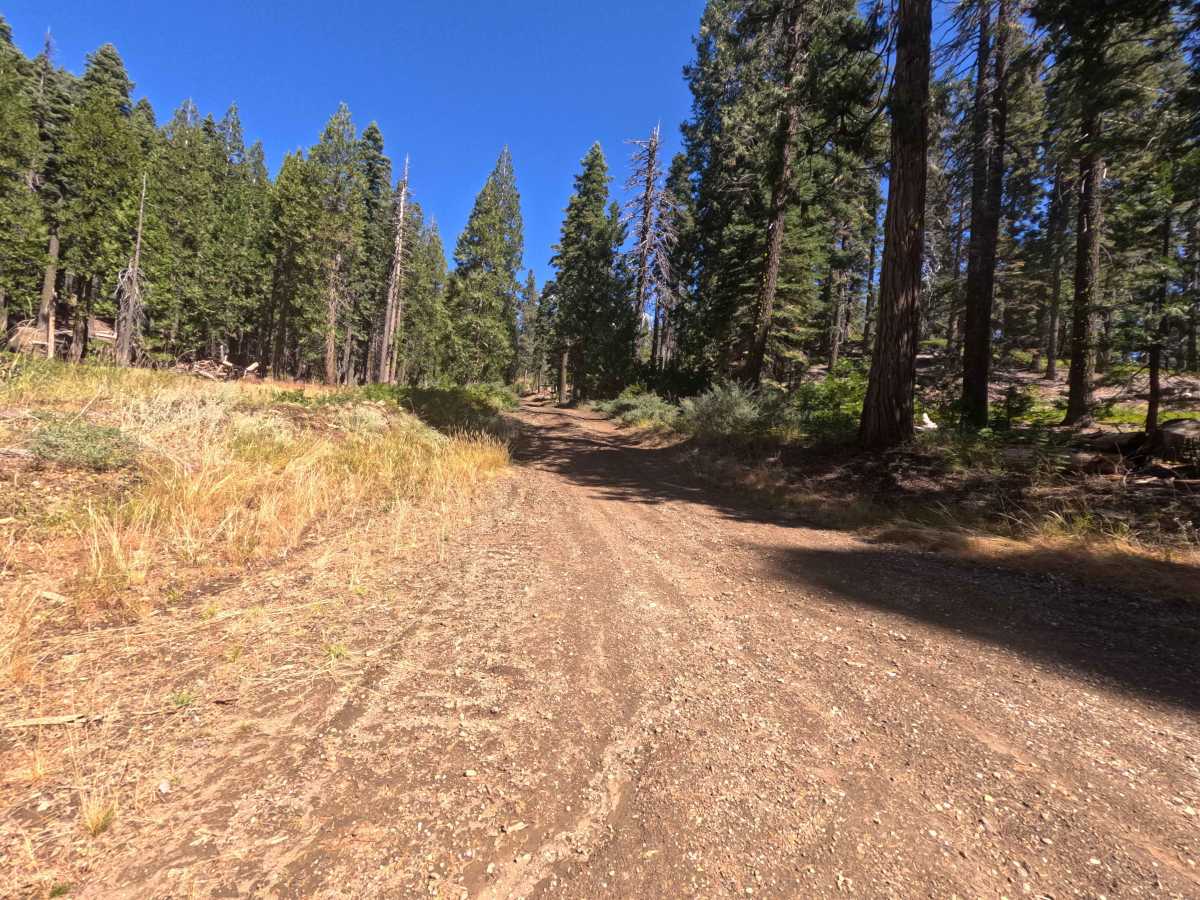
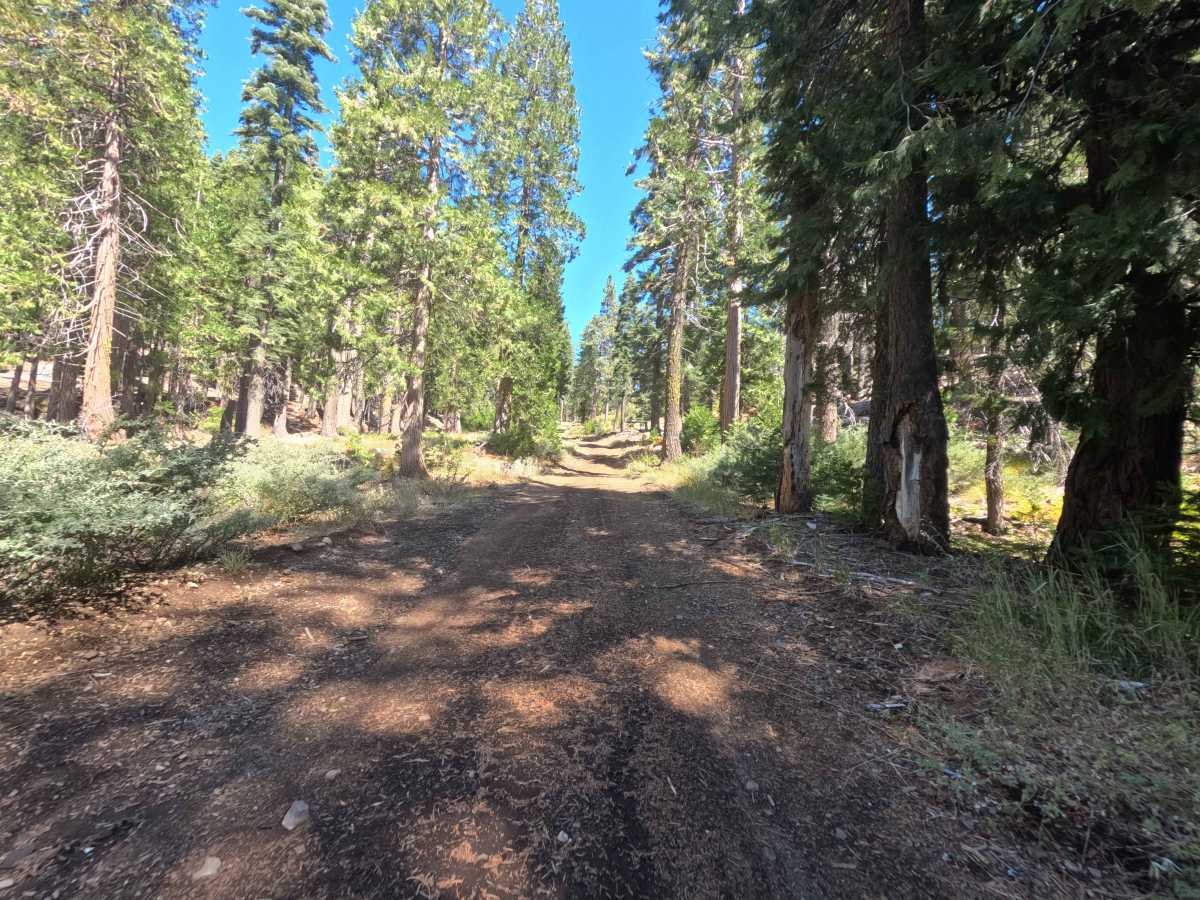
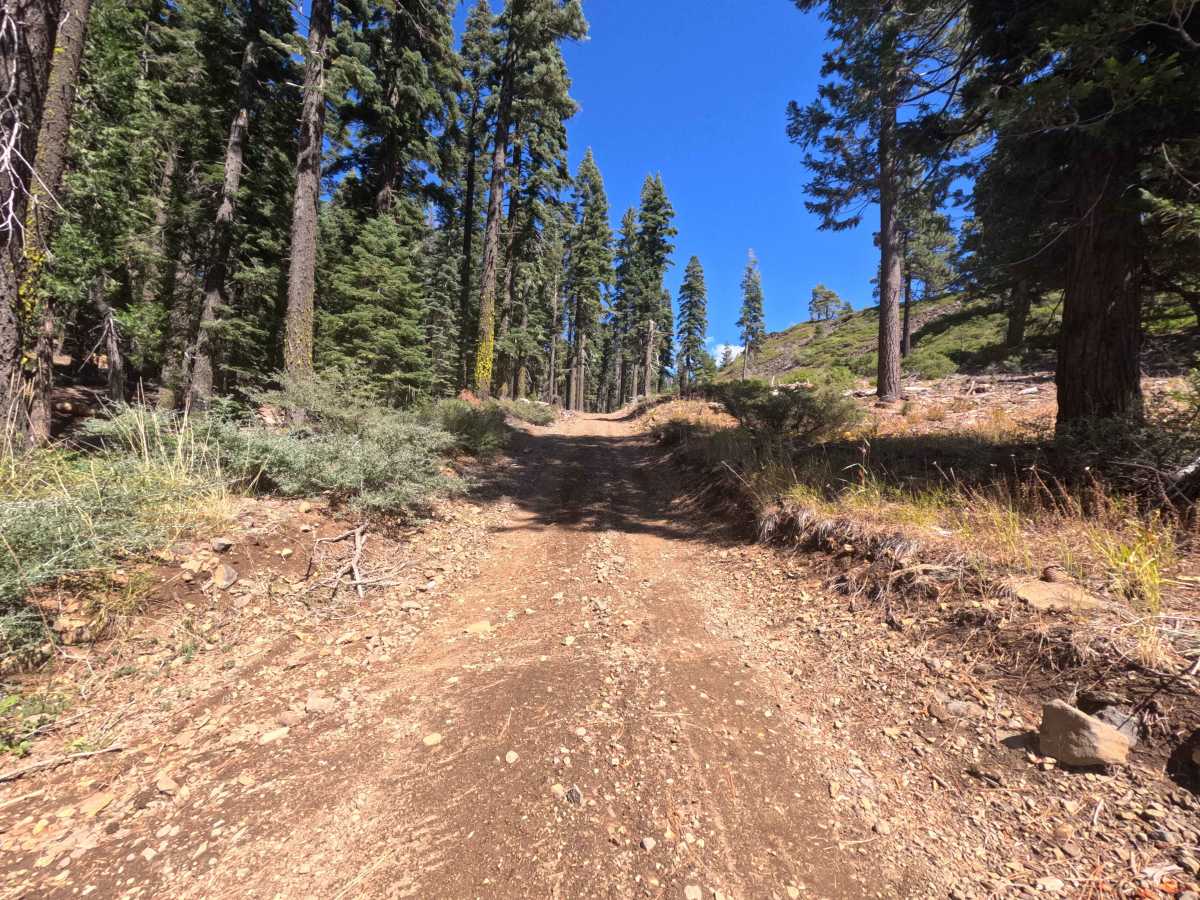
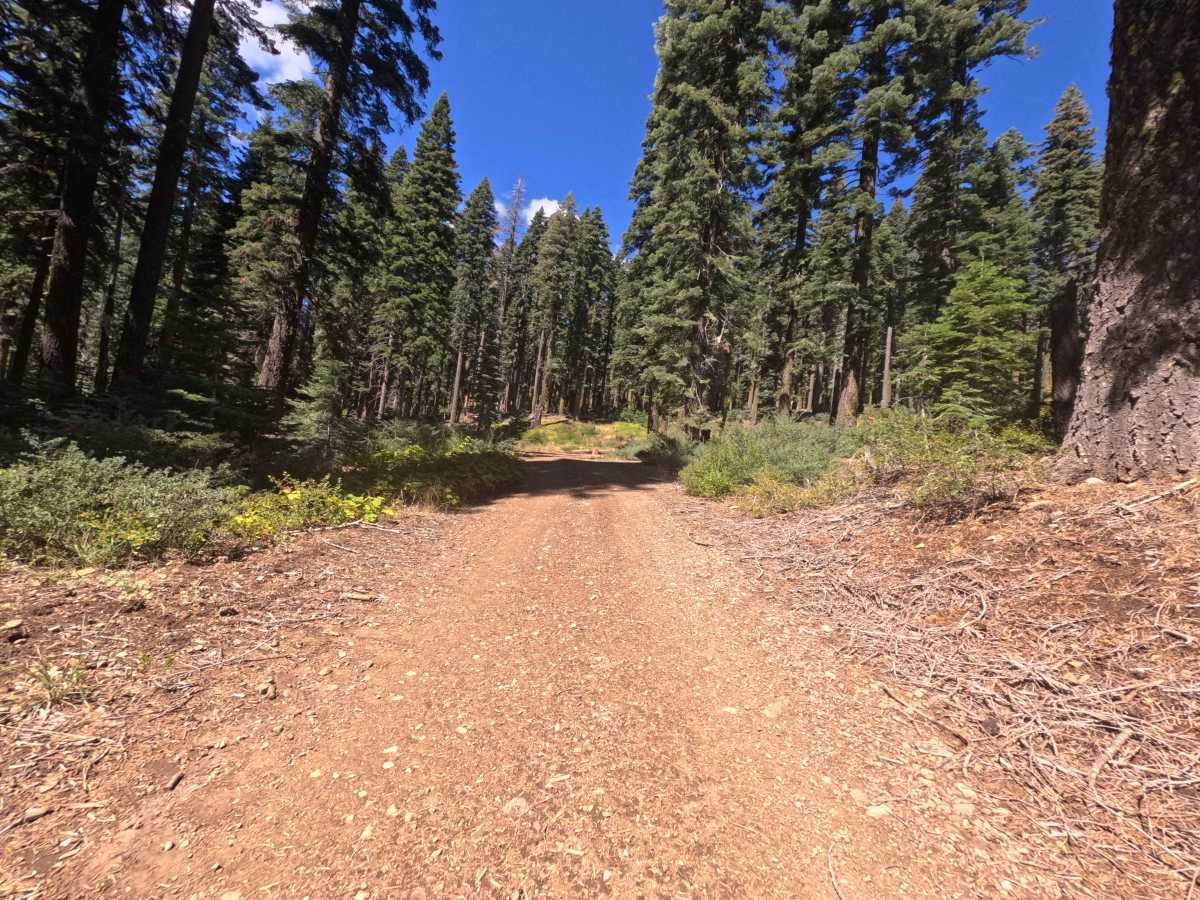
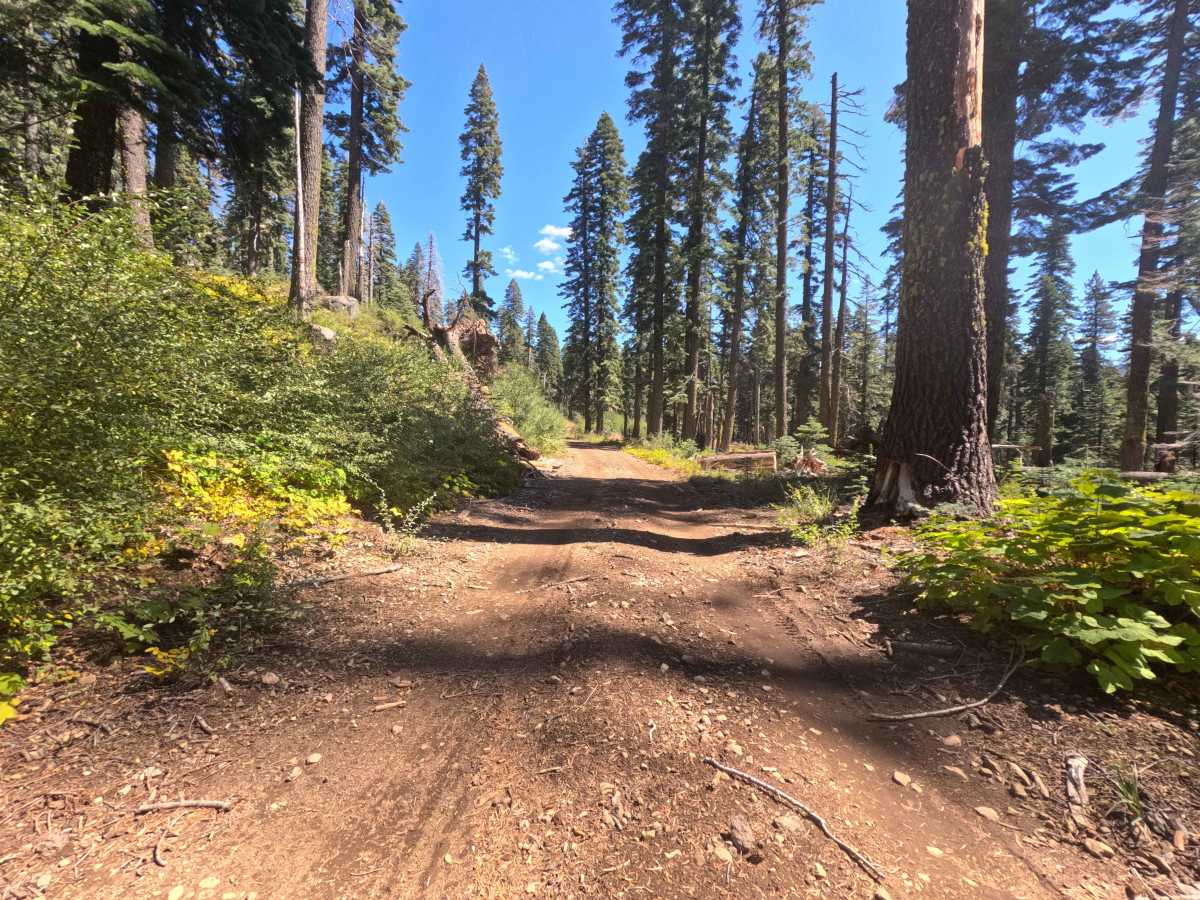
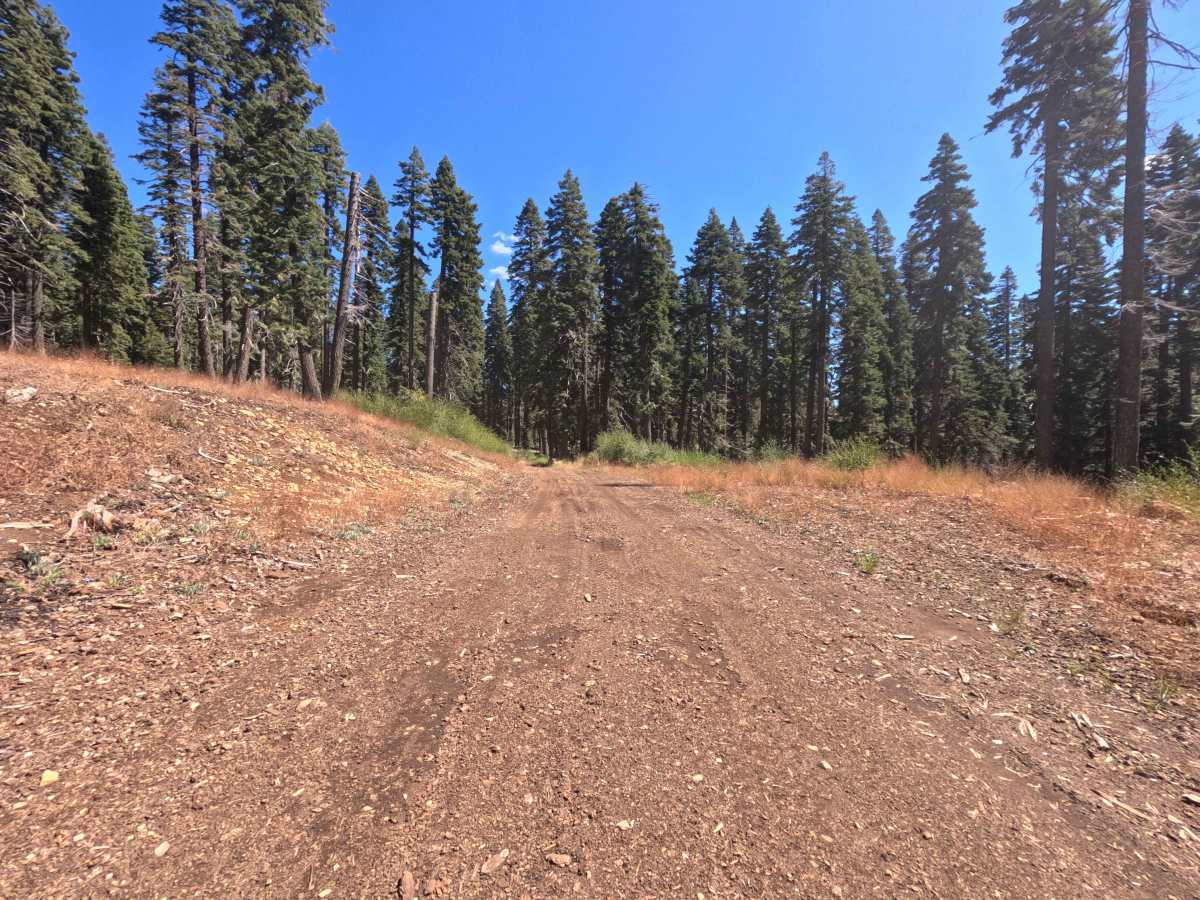
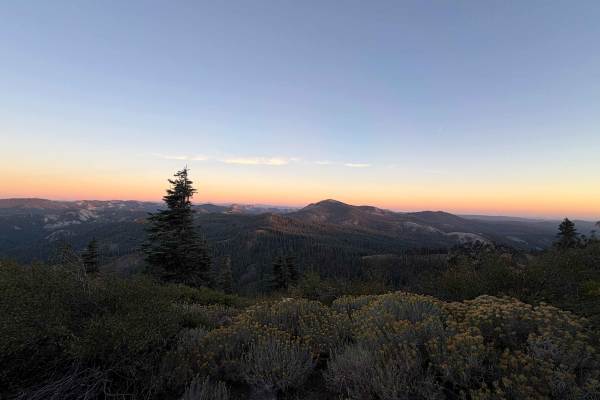
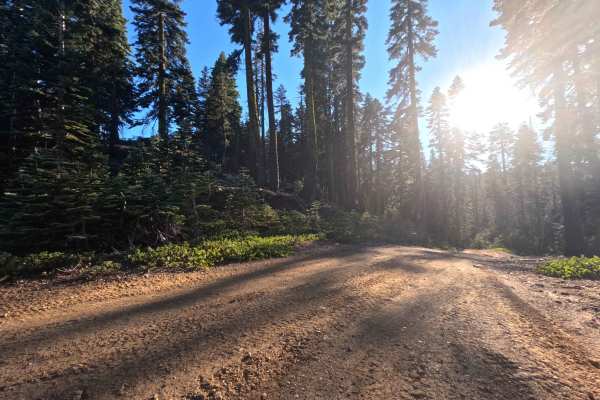
Branching uphill from Forest Road 900, Breed (FS 22N01X) functions as a short, out-and-back forest spur leading deeper into the timber. The pathway winds through a densely shaded, evergreen landscape heavily populated by towering pines within the Plumas National Forest. Backcountry campers and off-road explorers primarily utilize this secluded route to access a pair of primitive, dispersed campsites tucked along the first half-mile of the trail. Because the road eventually deteriorates and offers extremely limited turnaround space, drivers should remain cautious of their vehicle positioning and mindful of oncoming recreationists sharing the narrow path. The driving surface consists of an unpaved, single-track dirt trail carrying a moderate Grade 2 difficulty rating. Progressing past the initial campsites, the route descends a bumpy, uneven section before terminating abruptly near a brief spur heading into the trees. Drivers operating wider or longer vehicles are strongly encouraged to reverse course before attempting the final rough decline to avoid getting pinned by narrow log cuts.
Difficulty
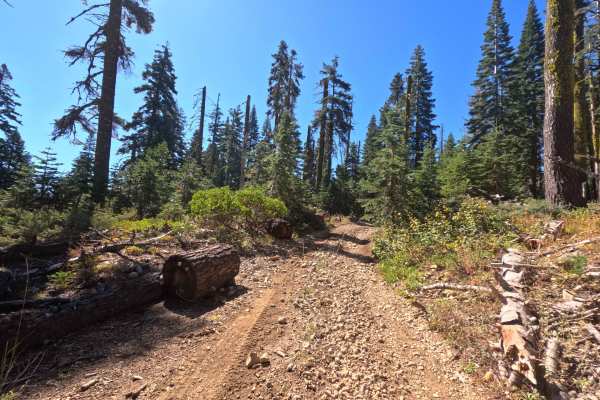
Carrying a moderate Grade 2 difficulty rating, this ascending single-track spur presents a mix of smooth dirt tracks and notable spatial restrictions. While extreme off-road obstacles such as deep mud trenches, large boulder crawls, or steep cliff drop-offs are absent, the primary driving considerations involve managing the tight, brush-lined corridor and navigating a bumpy, uneven decline near the trail's conclusion. The initial stretch providing access to the dispersed campsites offers a relatively firm and straightforward drive. However, as the route pushes further into the forest, several tight passages bordered by recently cut logs create significant pinch points. Maintaining a slow, controlled pace is essential to safely maneuver through these narrow gaps without risking sidewall damage or body panel scrapes. Due to the lack of adequate turnaround space at the trail's abrupt dead end, full-size trucks and wider overlanding rigs should utilize the early campsites to turn around before descending the final bumpy stretch.