Trail Overview
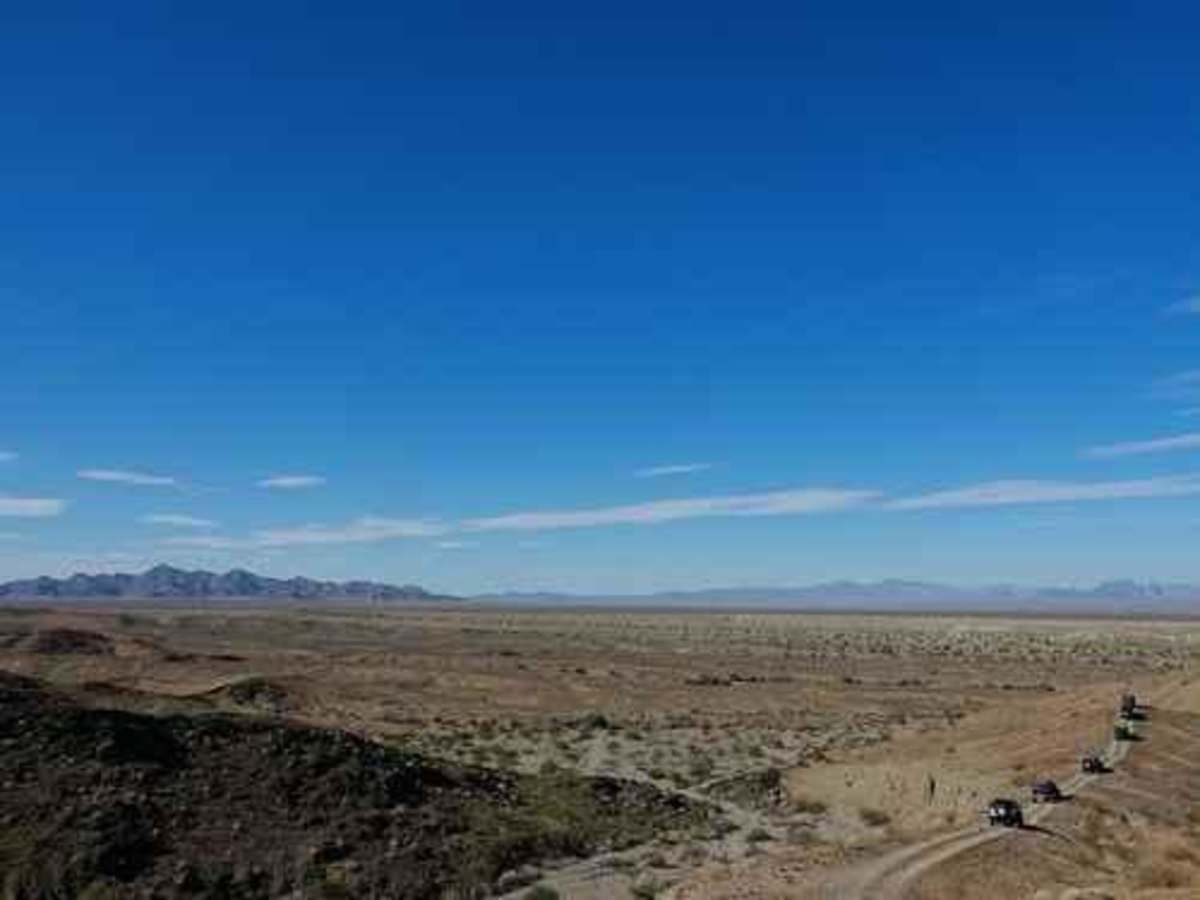
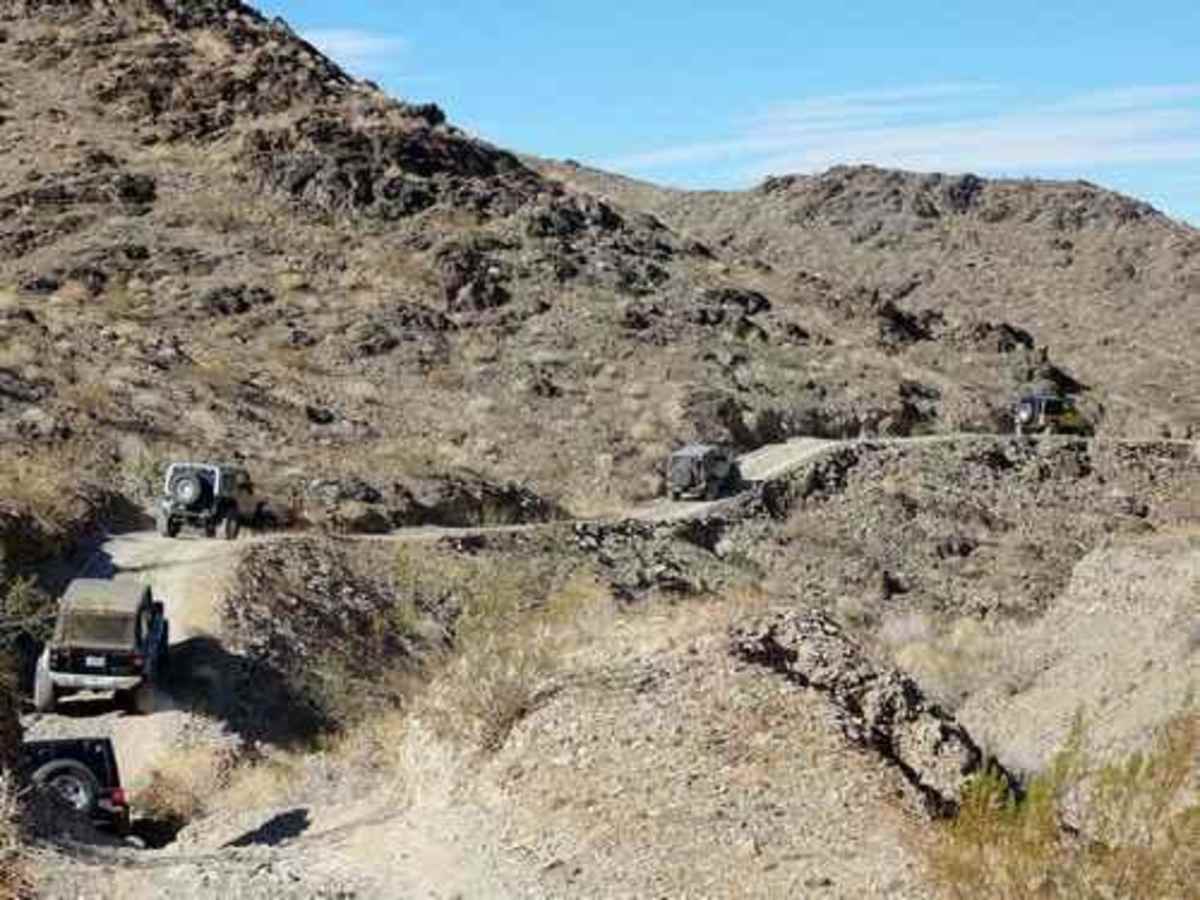
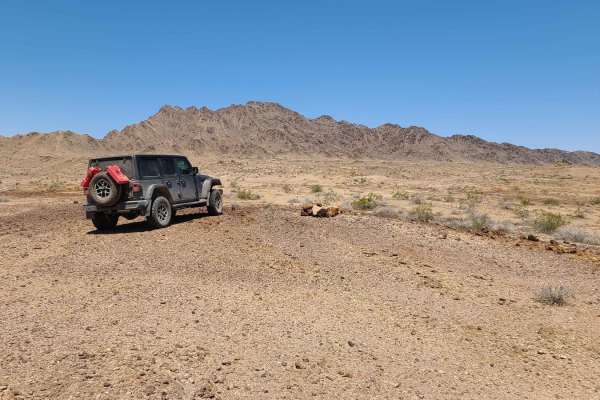
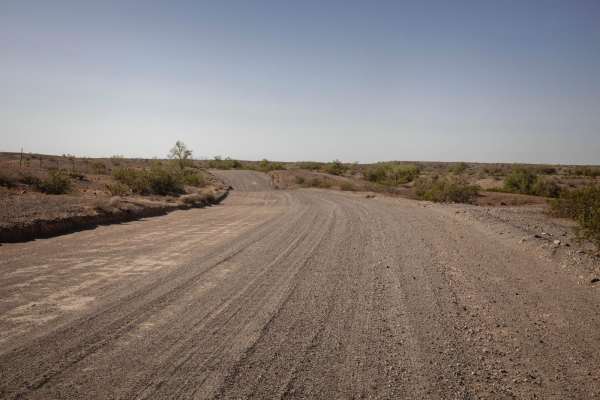
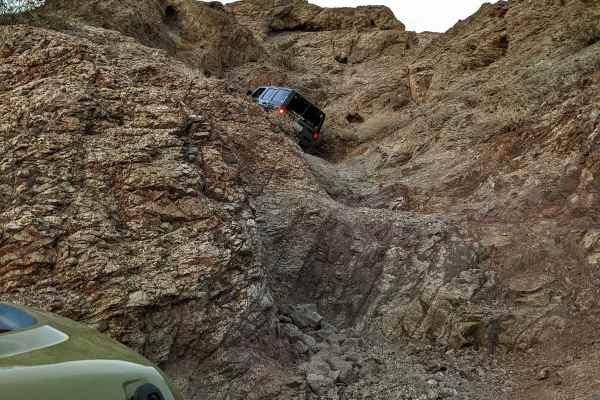
Alice Mine is an engaging 7.2-mile offroad trail ideal for moderate offroaders looking to explore a historic gold and copper mining site tucked within the Riverside Mountains. The route begins on the flat, sandy desert plains straddling the Riverside and San Bernardino county line before climbing into a rugged canyon. Offering a technical rating of 4, the terrain consists of uneven, rutted dirt paths with loose rocks, sand washes, and potential obstacles up to 18 inches, including small ledges and short, steep grades. Four-wheel-drive vehicles with high clearance, high-clearance SUVs, and SxSs will comfortably handle these conditions, though drivers should be prepared for tight, single-vehicle-wide tracks with limited passing opportunities.
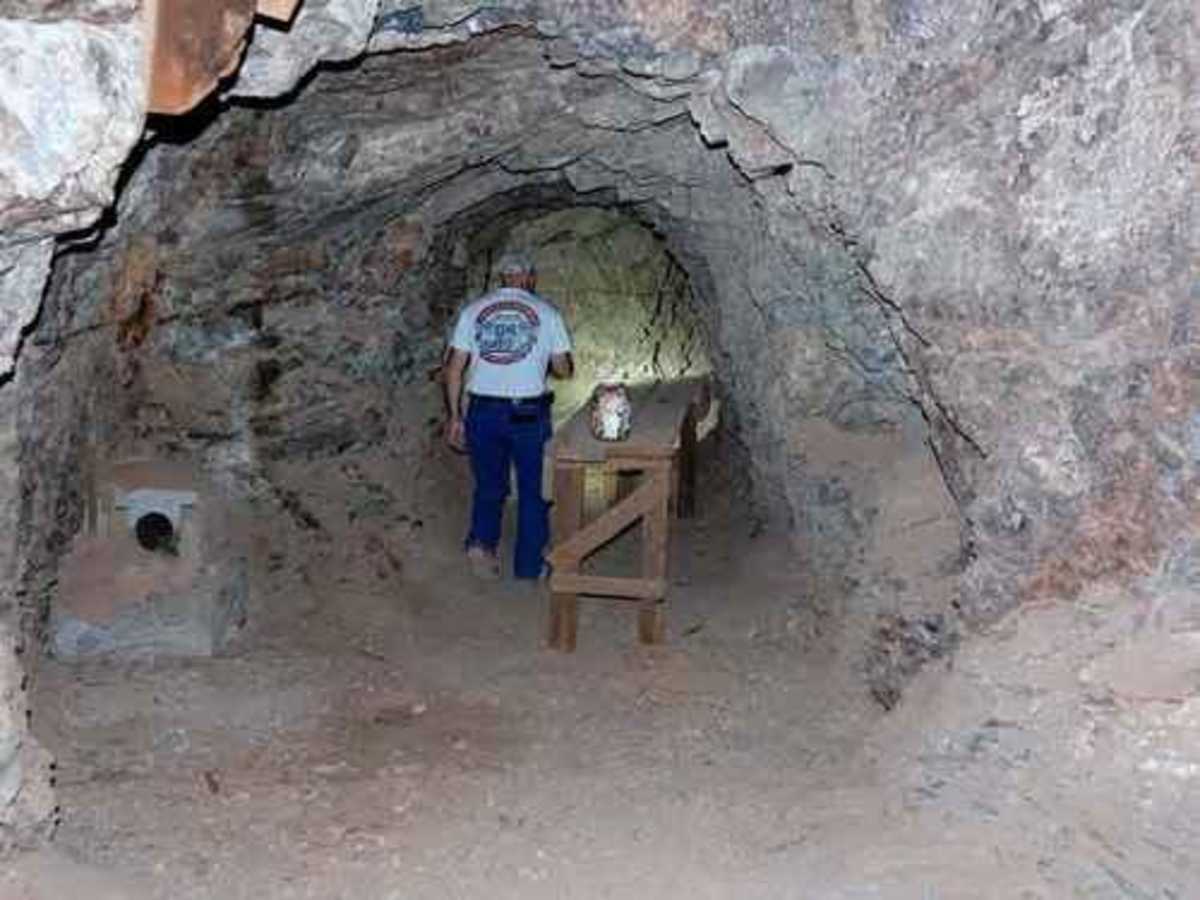
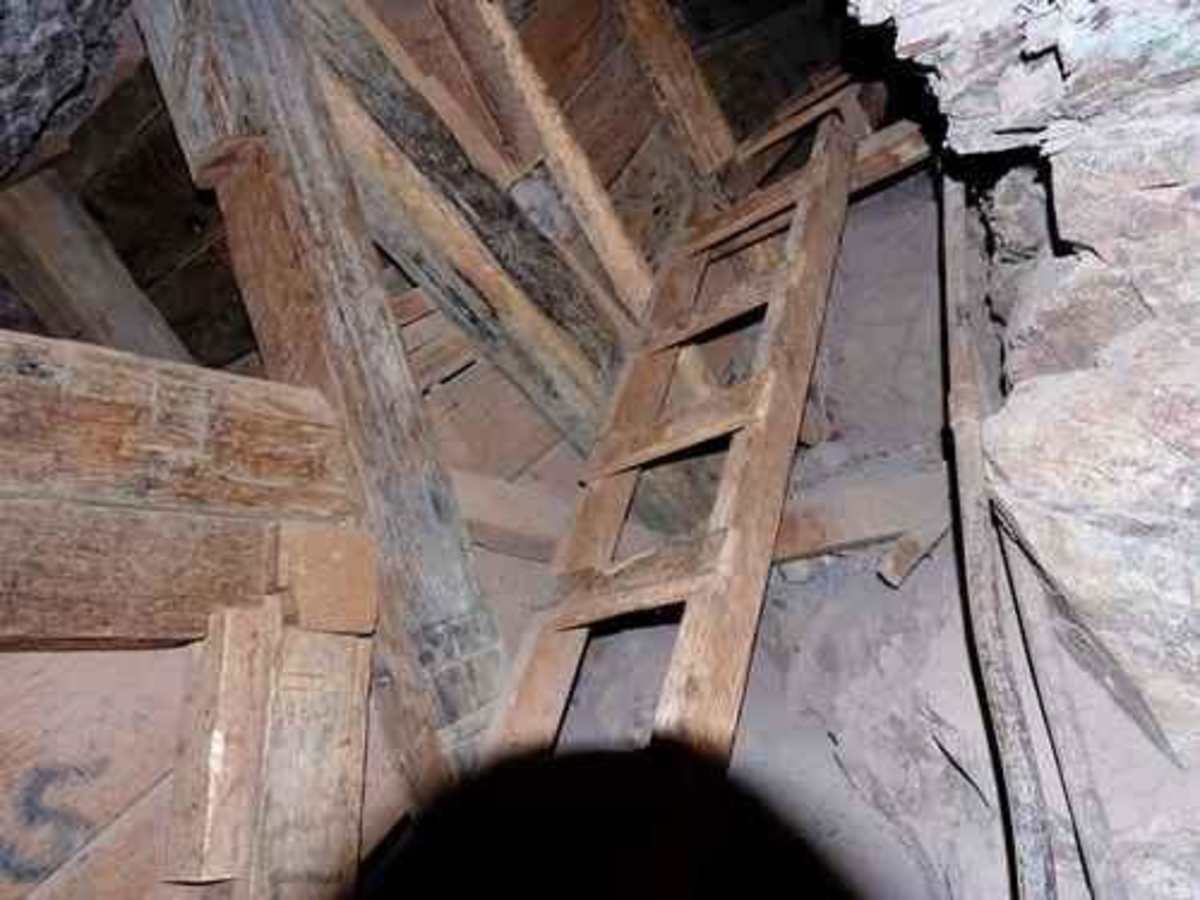
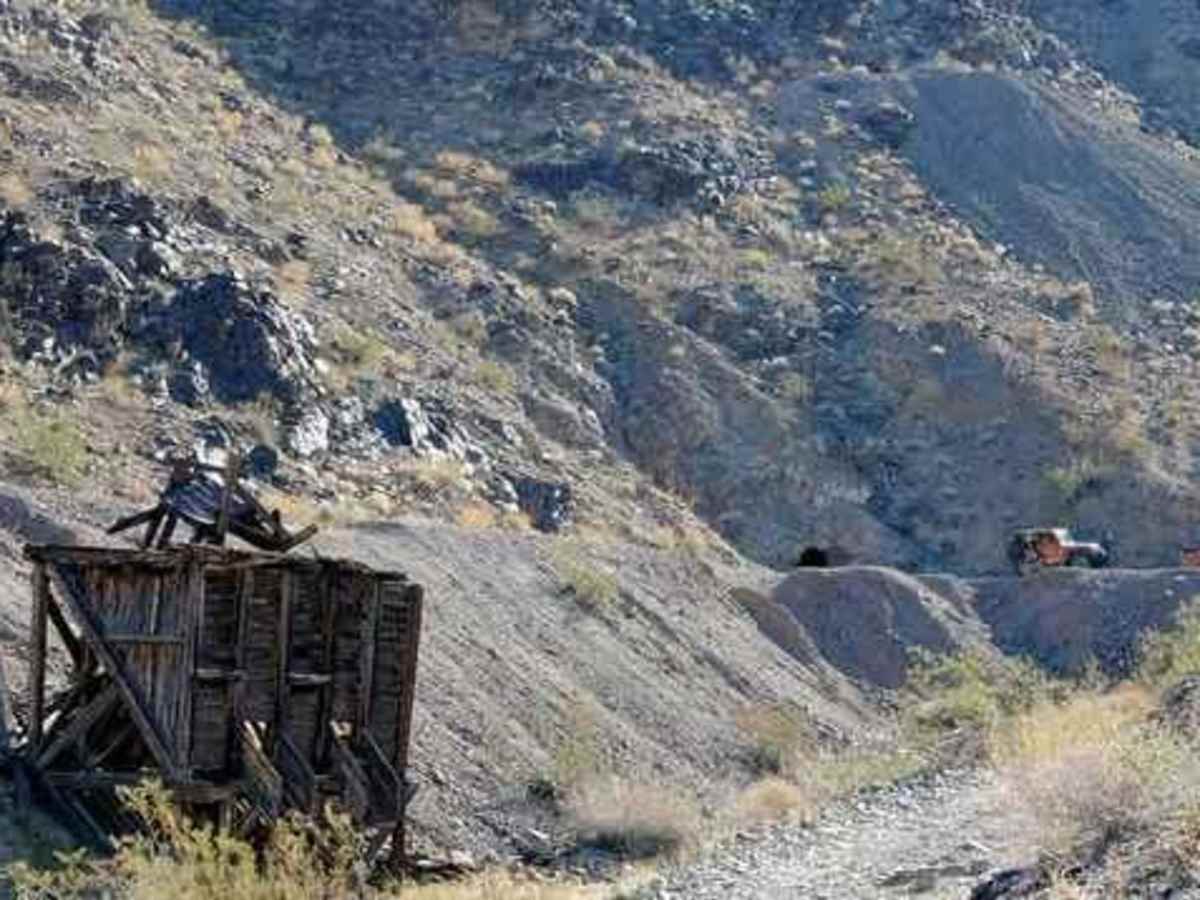
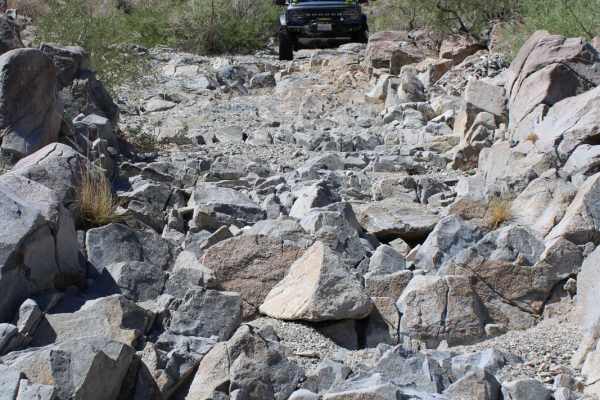
As the trail ascends from a minimum elevation of 520 feet to a maximum of just over 1,000 feet, the scenery transitions into the stark, colorful peaks of the Riverside Mountains. The main draw is the historic Alice Mine itself, where visitors can discover tailings and several levels of the old underground workings, though extreme caution is required around any open shafts. While the majority of the desert approach is straightforward, the final stretch leading directly into the canyon toward the mine becomes increasingly rocky and narrow, demanding careful line choice. This trail provides a perfect half-day desert excursion combining moderate technical driving with a fascinating glimpse into California's mining history.
Difficulty
Uneven, rutted dirt trail with loose rocks, sand, erosion, and washes. Potential water crossings up to a foot deep, mud holes, and obstacles up to 18", including ledges and short, steep grades. Roads are typically one vehicle wide with places to pass.
History
The Riverside Mountains were historically active with mining operations, and the Alice Mine remains a prominent example of an early 20th-century gold and copper mine. Multiple levels of the underground mine workings are visible along the canyon walls, marked by tailings piles left behind by early prospectors.

 Offroad