Trail Overview
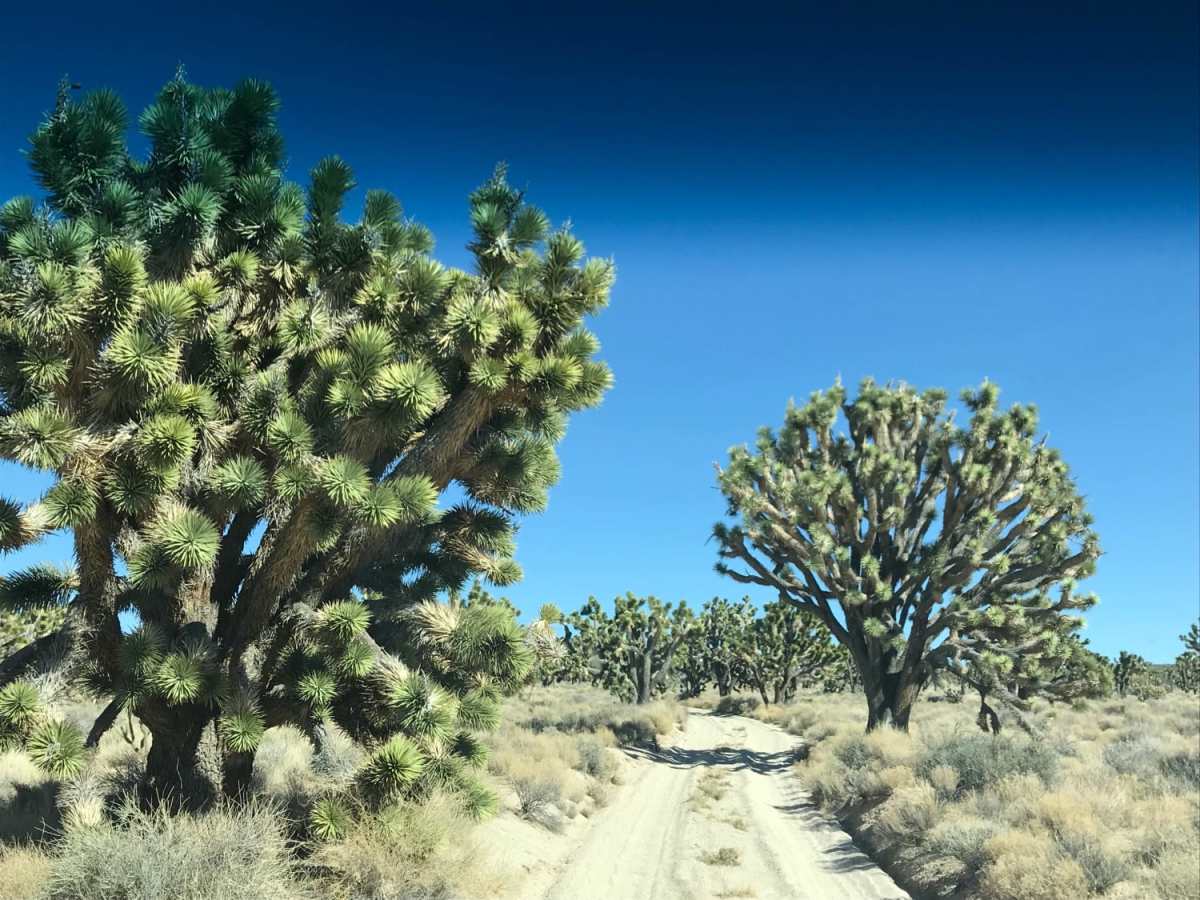
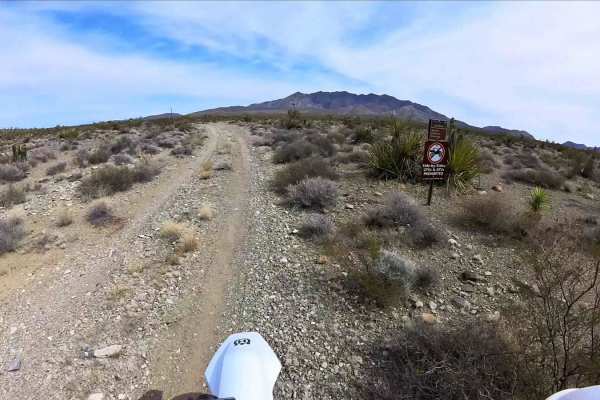
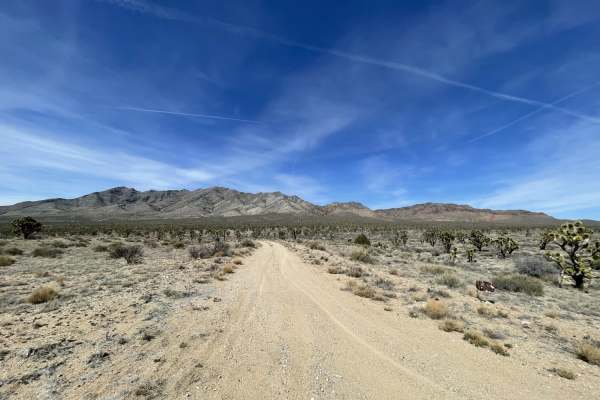
Aiken Mine Road offers beginner to intermediate offroaders a scenic 13.7-mile desert journey through a stunning Joshua Tree forest in the Mojave National Preserve, highlighted by historic relics and unique geological features. Ideal for four-wheel-drive vehicles, SxSs, and dirt bikes, this sand track rises gradually from 3,733 feet to 4,370 feet, passing the historic remnants of an old cattle claim and the former site of the famous Mojave Phone Booth. Navigating this route requires basic sand driving skills, as the sandy track can become exceptionally soft and deep during the hot, dry summer months. Airing down tires beforehand is highly recommended to maintain traction and prevent getting stuck in the deeper silt pockets.
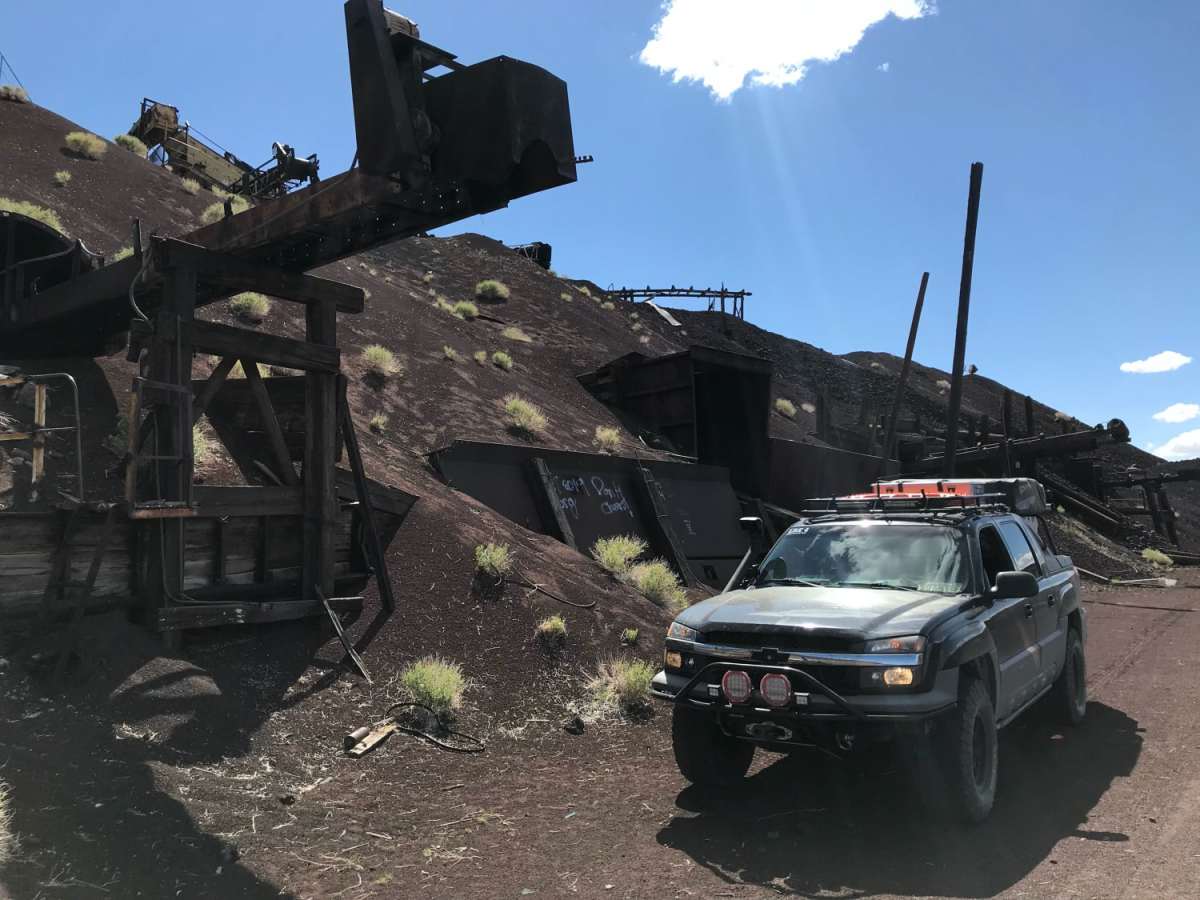
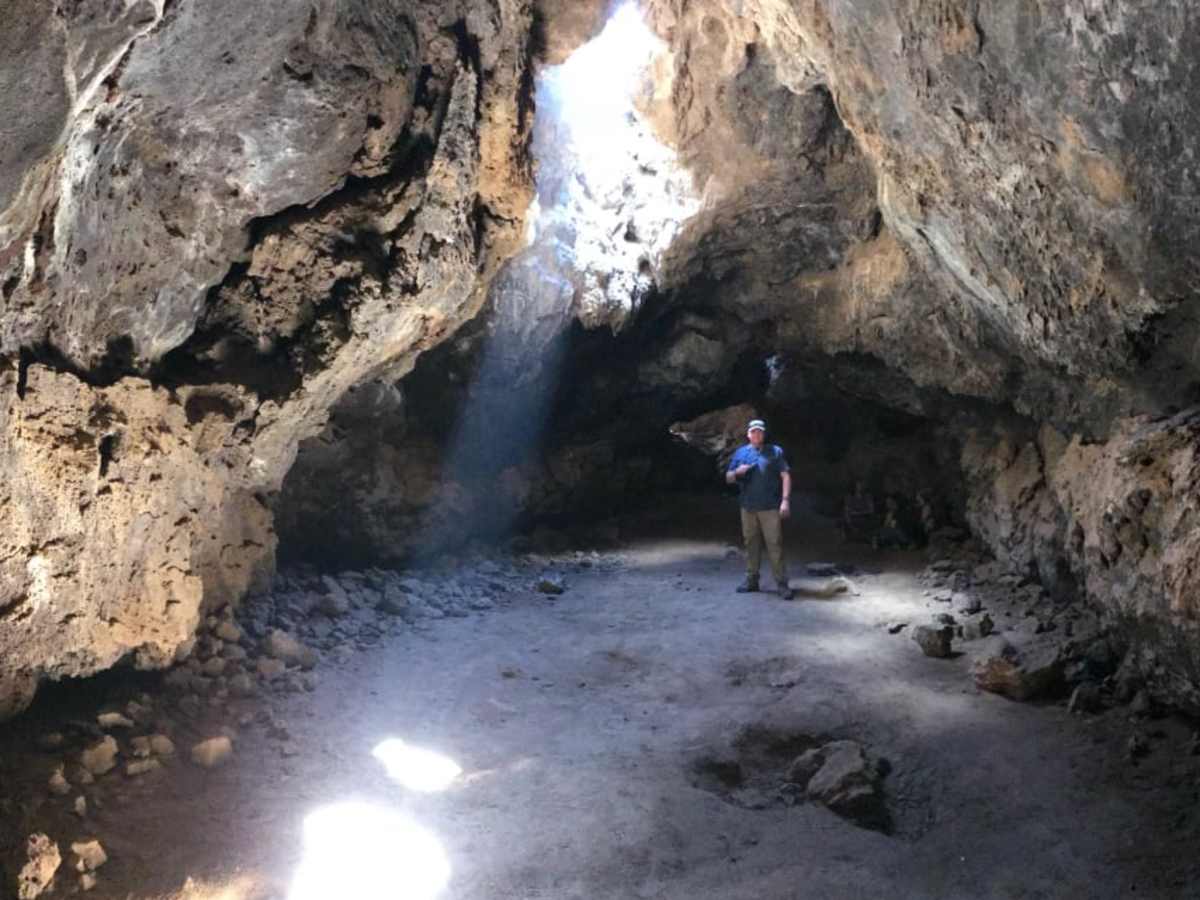
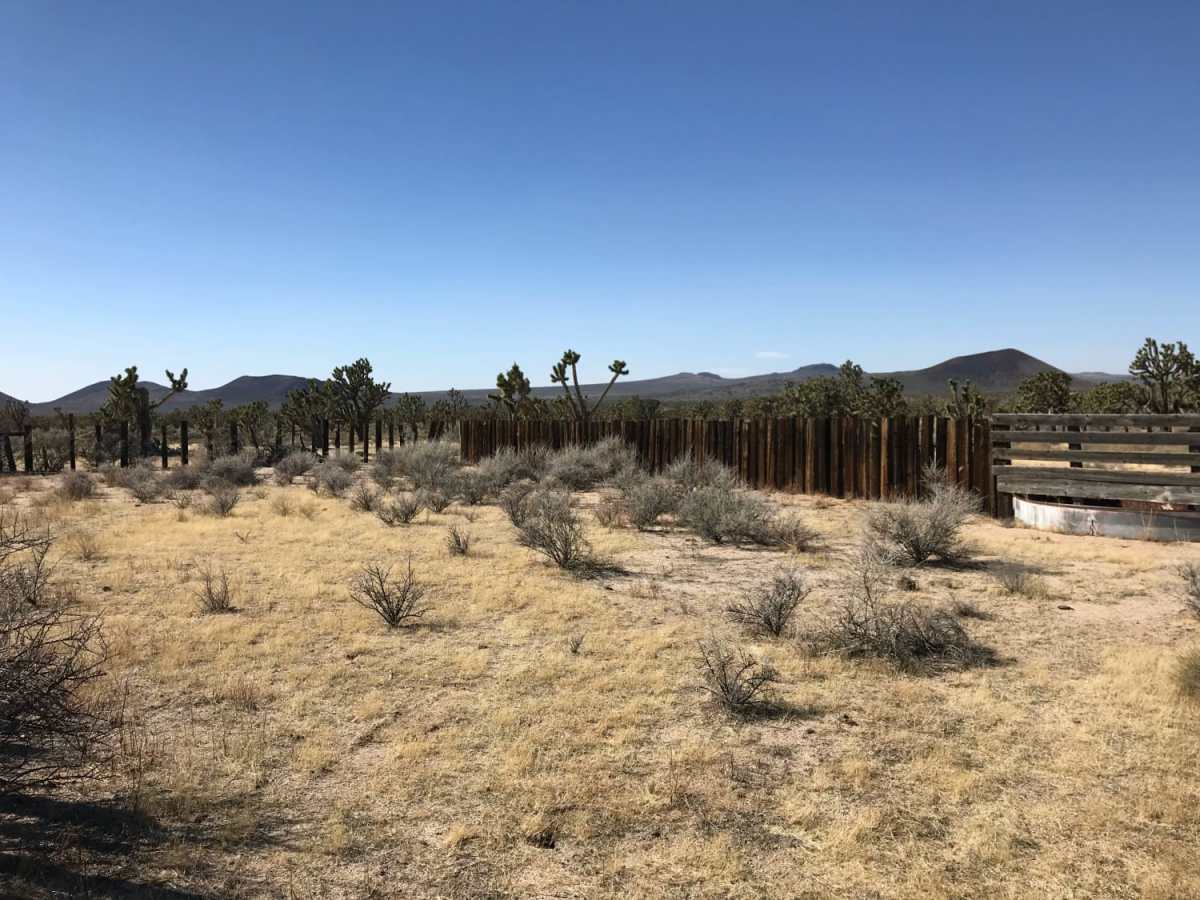
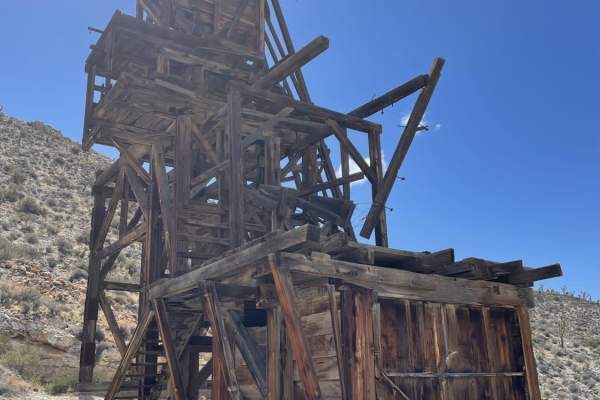
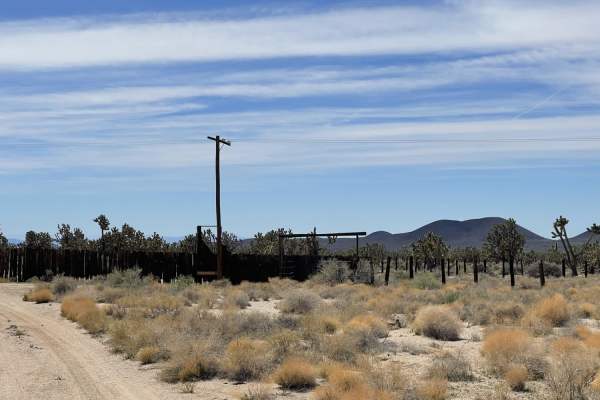
The route continues past an old corral—which serves as an excellent windbreak for camping or a lunch stop—before reaching the old water tank number three where it connects with the East Mojave Heritage Trail. From here, the terrain transitions from soft sand to hard-packed dirt and sharp, volcanic lava rock, which demands careful tire placement to protect sidewalls from punctures. Continuing past the water tank leads adventurers into the Aiken Mine complex and towards the nearby Lava Tubes, where a short hike allows explorers to climb down into subterranean volcanic caverns. This trail serves as a perfect day trip or weekend overlanding route, offering access to numerous campsites in Willow Wash and eventual exit options onto Kelbaker Road.
Difficulty
This trail is relatively easy, though the sand can be VERY soft and deep at times (typically hotter drier months). Airing down in advance and understanding how to read and drive sand can be very useful through here. As you get closer to Aiken Mine, the terrain will turn to hard pack and then sharp lava rock - so mind your sidewalls.
History
This route historically hosted the famous Mojave Phone Booth, an isolated telephone booth installed in the 1960s to serve local miners and ranchers. In the late 1990s, it became an internet sensation, attracting travelers from around the world until its removal by the National Park Service in 2000. Additionally, the route passes remnants of historic desert cattle ranching, including an old corral and watering tank.


 Offroad