
Learning to Hunt: Elizabeth Brownell’s Journey to Ethical Public Land Hunting
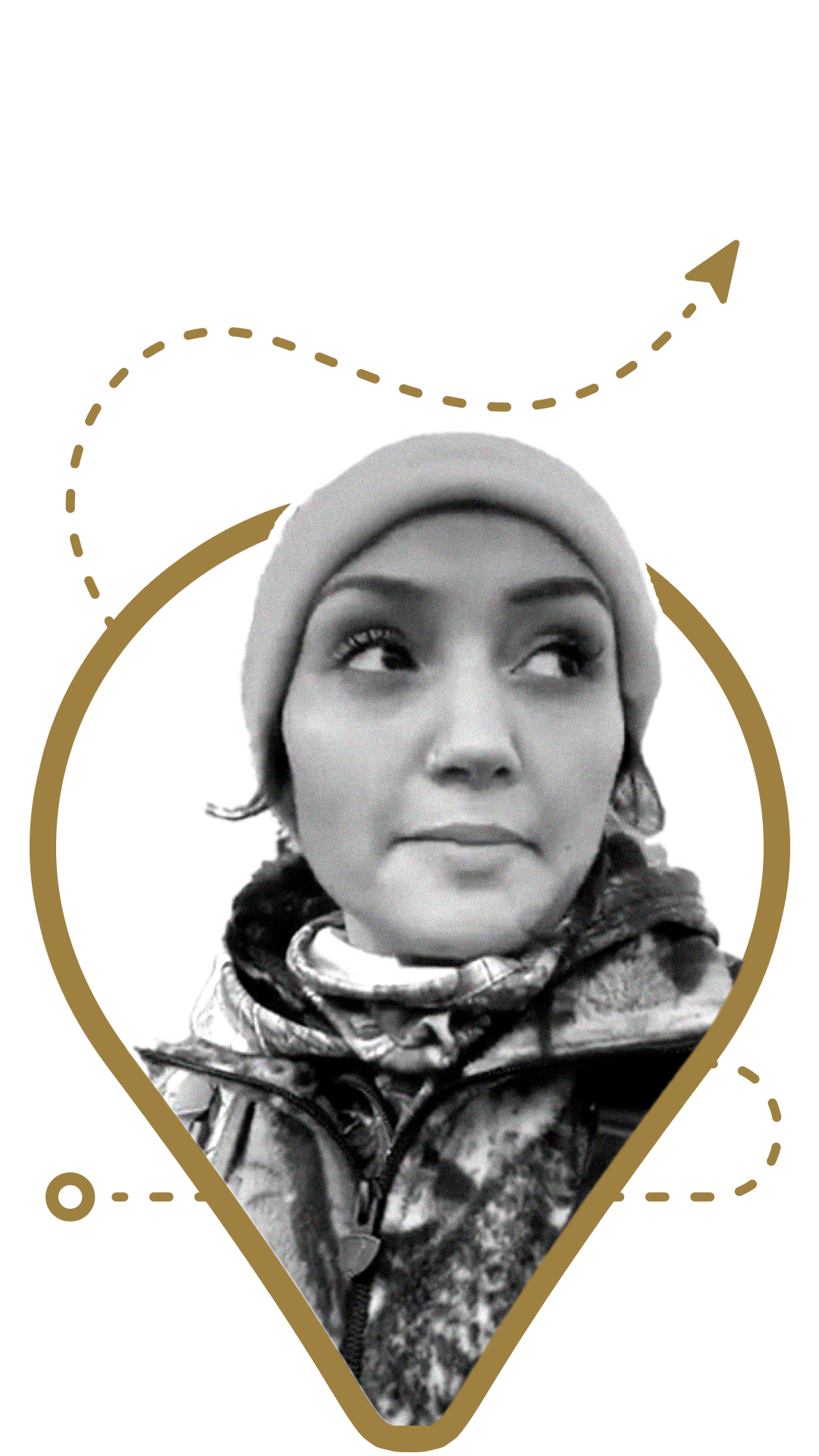
Elizabeth Brownell – How a Vegan Learned to Hunt on Public Land
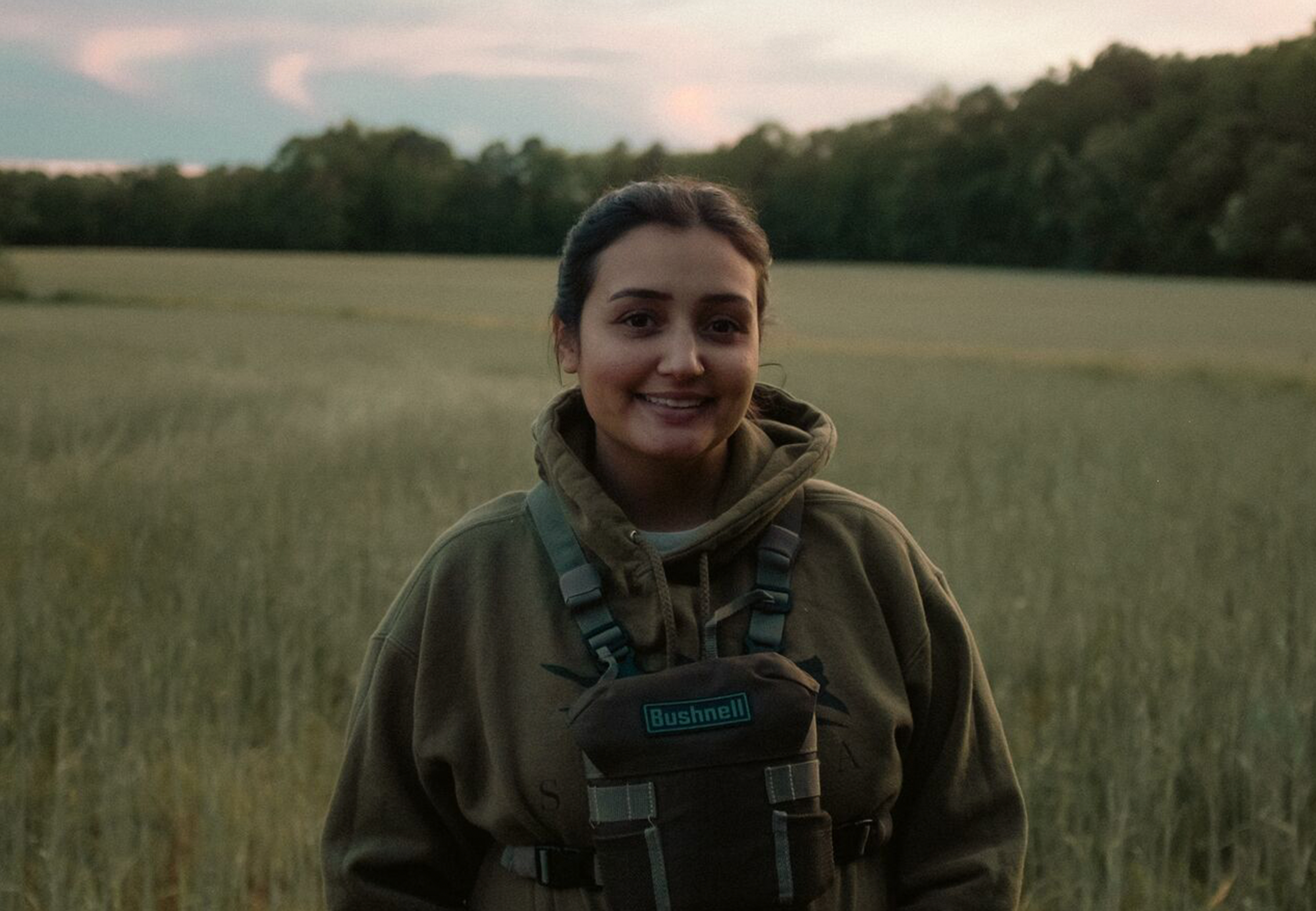
Learn how connecting with your food can spark a lifetime spent in nature. From the universal pitfalls of most new hunters to all the “firsts,” with the help of onX, Brownell accelerated her learning curve and found the confidence to hunt public land in Virginia. Now, with a next generation following suit, time outdoors is more important than ever.
“What happened in the woods that day is one of those moments in your life that you’ll never forget. It’s a moment you can revisit time and again throughout the years. It’s a moment that changes your life while simultaneously rocking your fundamental system of core beliefs.“
Shots From the Field
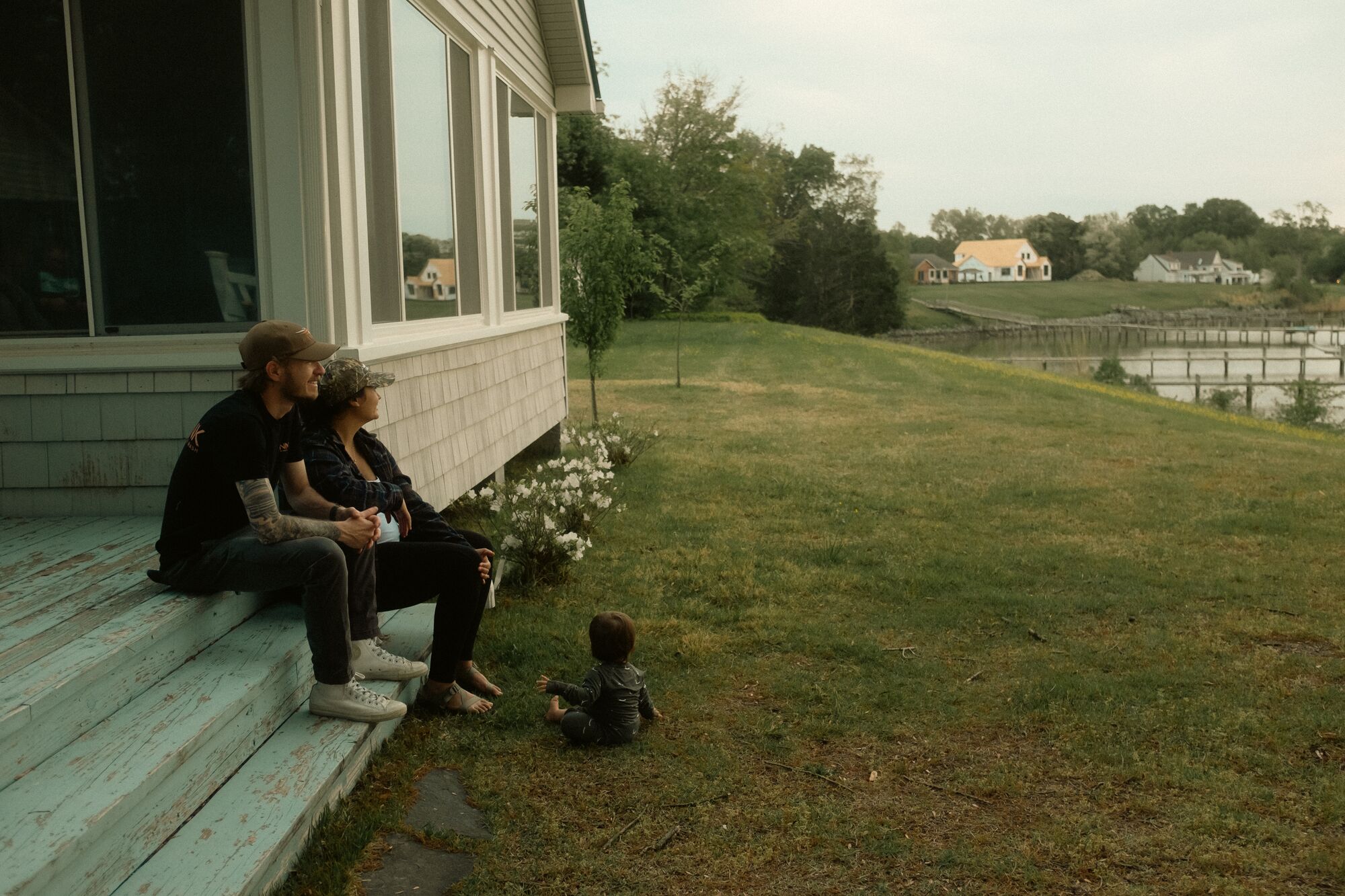
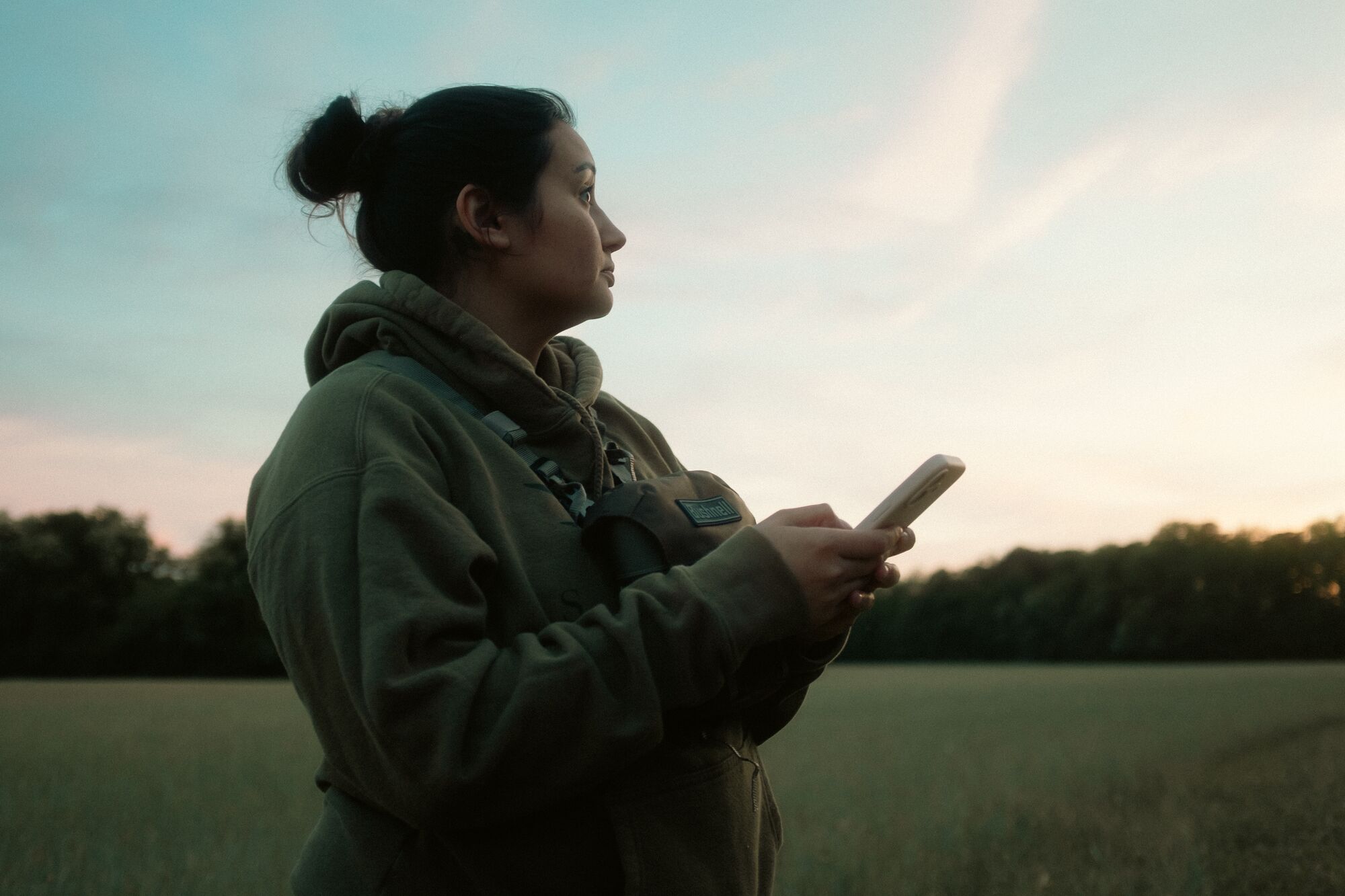
In Brownell’s Words
Expand To Read Elizabeth’s Journey From Veganism to Hunting
I grew up in the Piedmont Region of Virginia with rolling hills and forests that stretch from the Coastal Plain to the Blue Ridge Mountains. The abundant and diverse wildlife in this area fostered a deep affinity for animals. This meant two things:
– I became a vegetarian in high school.
– I developed a strong disdain for hunting.
I knew nothing about hunting, wild game, conservation, ethics, or tradition, but what I did know, for at least much of my life, was that I hated hunting. For me, it symbolized disrespect for animals.
I was 24 when COVID-19 rocked the world and forced me to reckon with where my food came from. At the time, I was vegan, and I wasn’t sure what daily life was going to look like. I decided to gradually reintroduce fish, chicken, and dairy back into my diet. I started looking into growing my own food and began with small-scale efforts. That led me to question what a self-sustainable and ethical way of eating meat would look like. “Was it even possible?” I wondered.
That’s when I turned to hunting—something I had previously vilified. At first, I just wanted to understand the actual butchering process—one second, you could have Bambi’s mom prancing through a field, and the next, you have packages of protein. I realized that knowing how to process an animal was a resourceful skill that I was missing.
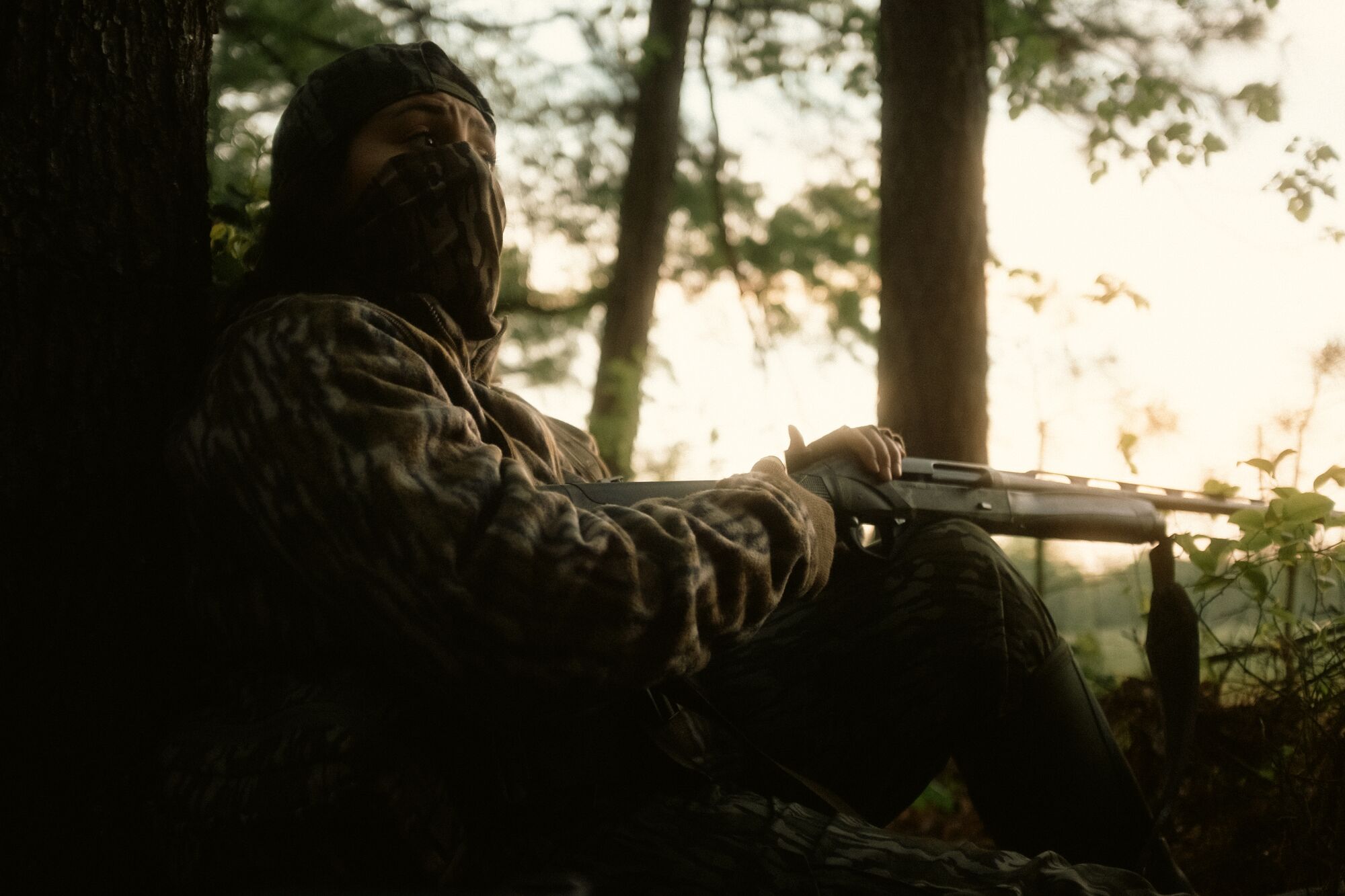
I asked an old friend to take me hunting and explained what I wanted to learn. “I would probably cry the entire time,” I added. What happened in the woods that day is one of those moments in your life that you’ll never forget. It’s a moment you can revisit time and again throughout the years. It’s a moment that changes your life, while simultaneously rocking your fundamental system of core beliefs.
I didn’t cry—not once. Instead, I experienced true wonder. After successfully shooting a button buck with his crossbow, he taught me how to field dress the deer. It was single-handedly the most exhilerating experience I’ve ever had. I felt an array of emotions. Sure, one of them might have been a rather somber feeling, but there was also adrenaline, excitement, curiosity, and wonder. Within the hour, I was eating fresh back straps off the grill, which filled me with nourishment alongside feelings of fulfillment, accomplishment, and self-sufficiency. It’s what I had been searching for—the ability to eat meat in a way where I knew the animal lived a natural, wild life, quickly expired, and offered me the opportunity to use every part of the animal.
I haven’t looked back. Over four years later, my life has done a total 180-degree turn. I now open the deep freezer in my basement and see salmon that I caught in Alaska, venison that I harvested on a nearby property, elk meat gifted to me by a friend, local perch caught just a few days ago, and goose meat from this past winter. Turkey meat is a favorite and doesn’t last long in my household. A favorite recipe is to freshly fry breast meat marinated in buttermilk and pickle juice.
It wasn’t easy learning to hunt and fish—full stop. Compounding that with being the first in my family to do so made it a greater challenge. The transition from hunting private land with friends to hunting public land on my own was the most challenging. Like my initial, misguided thoughts on hunting, I learned that there were common misconceptions about public land among even lifelong hunters. I was told that public land was dangerous and a waste of time. Yet, as someone who doesn’t own land or have access to leases, I found it the most freeing place with unlimited potential, especially in Virginia.
With onX in my pocket, a pair of binoculars, and shaky knees, I started exploring local Wildlife Management Areas (WMAs) after my first deer season in 2020 and before my first spring turkey season in 2021. onX wasn’t just an app to help with navigation, although I could use all the help I could get in that department, it helped me develop as a hunter because I could connect the dots. I mapped out animal sign through Waypoints, and referenced those against land features like pinchpoints, funnels, and bodies of water. I learned how to read topographic maps and e-scout where I thought I should be hunting. More importantly, I was able to use the App to find federal land in my area that was hardly utilized. This helped me when I moved from a county with five public WMAs to a county that had zero. As a new hunter sharing her journey on social media, I would constantly receive advice, but I didn’t know how to apply it to scouting and hunting. Advice such as “hunt the wind” or “find the pines or oaks” was made easier with features onX provided. Setting and comparing wind-on-Waypoints and adding a map layer of “Trees, Crops, & Soil” were critical tools for me.
Hunting can be an expensive venture if you’re starting from scratch, but what I constantly tell other new hunters is that onX is a worthy investment and a tool you’ll use daily. I wouldn’t have felt comfortable ambling around on public land without it, and the few times my phone died while hunting, I did indeed get lost. Nowadays, not only do I have a deep freezer to remind me of my successes, but I also have my only buck on the wall—an 8-point killed on the opening day of archery on public land. It’s a testament to a Waypoint I put on a deer trail the prior week. With help from friends and mentors, social media, and onX, I was able to find a way to create the self-sufficient and sustainable life I was longing for.
– Elizabeth Brownell, 2025
– I became a vegetarian in high school.
– I developed a strong disdain for hunting.
I knew nothing about hunting, wild game, conservation, ethics, or tradition, but what I did know, for at least much of my life, was that I hated hunting. For me, it symbolized disrespect for animals.
I was 24 when COVID-19 rocked the world and forced me to reckon with where my food came from. At the time, I was vegan, and I wasn’t sure what daily life was going to look like. I decided to gradually reintroduce fish, chicken, and dairy back into my diet. I started looking into growing my own food and began with small-scale efforts. That led me to question what a self-sustainable and ethical way of eating meat would look like. “Was it even possible?” I wondered.
That’s when I turned to hunting—something I had previously vilified. At first, I just wanted to understand the actual butchering process—one second, you could have Bambi’s mom prancing through a field, and the next, you have packages of protein. I realized that knowing how to process an animal was a resourceful skill that I was missing.
I asked an old friend to take me hunting and explained what I wanted to learn. “I would probably cry the entire time,” I added. What happened in the woods that day is one of those moments in your life that you’ll never forget. It’s a moment you can revisit time and again throughout the years. It’s a moment that changes your life, while simultaneously rocking your fundamental system of core beliefs.
I didn’t cry—not once. Instead, I experienced true wonder. After successfully shooting a button buck with his crossbow, he taught me how to field dress the deer. It was single-handedly the most exhilerating experience I’ve ever had. I felt an array of emotions. Sure, one of them might have been a rather somber feeling, but there was also adrenaline, excitement, curiosity, and wonder. Within the hour, I was eating fresh back straps off the grill, which filled me with nourishment alongside feelings of fulfillment, accomplishment, and self-sufficiency. It’s what I had been searching for—the ability to eat meat in a way where I knew the animal lived a natural, wild life, quickly expired, and offered me the opportunity to use every part of the animal.
I haven’t looked back. Over four years later, my life has done a total 180-degree turn. I now open the deep freezer in my basement and see salmon that I caught in Alaska, venison that I harvested on a nearby property, elk meat gifted to me by a friend, local perch caught just a few days ago, and goose meat from this past winter. Turkey meat is a favorite and doesn’t last long in my household. A favorite recipe is to freshly fry breast meat marinated in buttermilk and pickle juice.
It wasn’t easy learning to hunt and fish—full stop. Compounding that with being the first in my family to do so made it a greater challenge. The transition from hunting private land with friends to hunting public land on my own was the most challenging. Like my initial, misguided thoughts on hunting, I learned that there were common misconceptions about public land among even lifelong hunters. I was told that public land was dangerous and a waste of time. Yet, as someone who doesn’t own land or have access to leases, I found it the most freeing place with unlimited potential, especially in Virginia.
With onX in my pocket, a pair of binoculars, and shaky knees, I started exploring local Wildlife Management Areas (WMAs) after my first deer season in 2020 and before my first spring turkey season in 2021. onX wasn’t just an app to help with navigation, although I could use all the help I could get in that department, it helped me develop as a hunter because I could connect the dots. I mapped out animal sign through Waypoints, and referenced those against land features like pinchpoints, funnels, and bodies of water. I learned how to read topographic maps and e-scout where I thought I should be hunting. More importantly, I was able to use the App to find federal land in my area that was hardly utilized. This helped me when I moved from a county with five public WMAs to a county that had zero. As a new hunter sharing her journey on social media, I would constantly receive advice, but I didn’t know how to apply it to scouting and hunting. Advice such as “hunt the wind” or “find the pines or oaks” was made easier with features onX provided. Setting and comparing wind-on-Waypoints and adding a map layer of “Trees, Crops, & Soil” were critical tools for me.
Hunting can be an expensive venture if you’re starting from scratch, but what I constantly tell other new hunters is that onX is a worthy investment and a tool you’ll use daily. I wouldn’t have felt comfortable ambling around on public land without it, and the few times my phone died while hunting, I did indeed get lost. Nowadays, not only do I have a deep freezer to remind me of my successes, but I also have my only buck on the wall—an 8-point killed on the opening day of archery on public land. It’s a testament to a Waypoint I put on a deer trail the prior week. With help from friends and mentors, social media, and onX, I was able to find a way to create the self-sufficient and sustainable life I was longing for.
– Elizabeth Brownell, 2025