Best Elk Hunting States
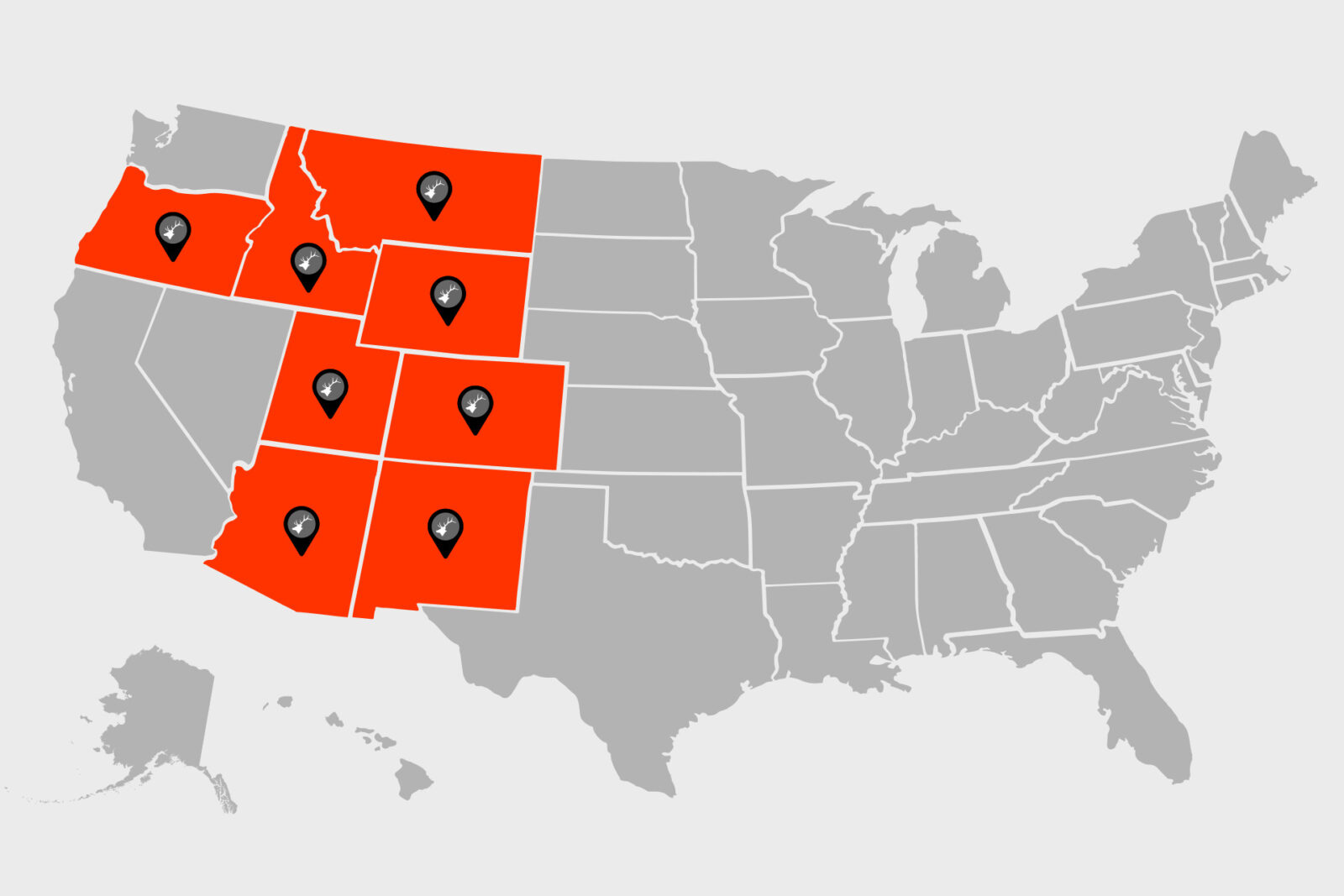
Get a sense of the elk hunting landscape across several western states with the help of Boone & Crockett data.
Montana: Best for Residents and Public Land Bulls
Montana holds the number one spot for record typical bulls since 2010 (and most recently in a single year, 2023), but some tags are getting harder to pull, especially for non-residents (plus the cost of over $1,100+ for an out-of-state elk license). However, with millions of acres of public land and 135,000 elk, some diligent e-scouting, along with boots-on-the-ground scouting, can put you in prime elk country.
“With a six-week archery season, followed by a five-week rifle season, then a nine-day muzzleloader season, all of which you can hunt with a general tag, Montana has the longest elk season of any state. And let’s not forget a cow-only shoulder season that goes into February. Montana is a land of opportunity.”- Steven Drake, Anyone’s Hunt
Montana Draw
Montana’s premier limited-entry bull permits are difficult to draw. Montana restricts hunters who drew an either-sex or brow-tined bull elk permit from hunting antlered elk in any other hunting district (for the duration specified on the permit). Don’t waste your hard-earned points on a unit with inaccessible elk and/or limited public land.
Draw Deadline: April 1
Colorado: Best Shot at Seeing a Lot of Elk
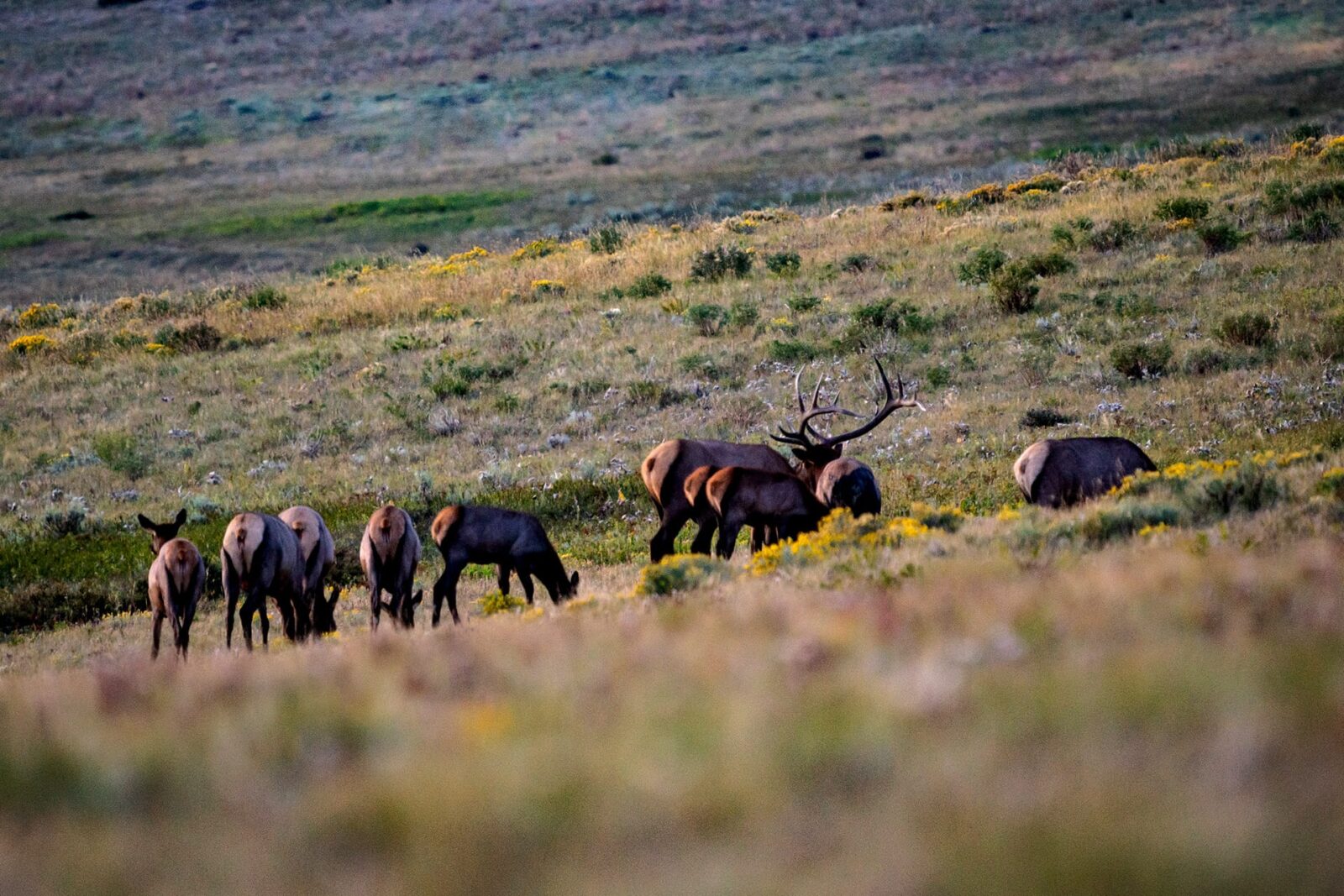
With the largest elk population in the U.S., at 290,000, Colorado is often thought of as the hands-down best state for a September or October hunt.
Public land access is good, and bull tags for rifle season can be used in a lot of places around the Centennial State. Colorado stands out because its ample elk population means there are literally thousands of opportunities for residents and non-resident hunters to tag an elk each year, whereas most other states only allow hundreds of harvests per season.
“Colorado traditionally has had the best opportunity for anyone, residents and non-residents, wanting to hunt elk. You may not find that bull of a lifetime, as Colorado manages the state for quantity and opportunity, not quality, but you just might.” – Willi Schmidt, Pure Hunting
Colorado Draw
Although Colorado changed its tag availability for non-resident archery hunters, where they are no longer available over-the-counter (OTC) and must be drawn, the state still has rifle OTC opportunities to hunt bull elk for residents and non-residents. Moreover, if you want to hunt a limited area or a cow, you must enter the Colorado draw.
Draw Deadline: First Tuesday in April
Utah: Best for Big Bulls on Public Land
According to B&C, Utah sits just behind Montana for the number of record typical bulls taken since 2010, and it’s in the top three for states when you combine both typical and non-typical bulls.
Utah squares its drawing process so even first-time applicants have up to a 30% chance of drawing an elk tag. The state manages its draws by drawing 50% of the available tags from a pool of applicants with the most bonus points, and then the remaining 50% of tags are drawn from all remaining applicants. Building up bonus points does improve your odds of getting a good tag, but you could get lucky in year one.
“Even though Utah is often viewed as a long shot in terms of obtaining a good bull tag, it’s still a state you can hunt every year. Long archery seasons and guaranteed rifle tags offer a variety of opportunities. With an archer‘s choice tag, you can hunt spike or cow elk on many premium units.” – Ben Dettamanti
Utah Draw
Utah manages some units for mature bulls with targeted age classes of >5 years old. These limited-entry hunts are some of the best in the country if you’re looking for a trophy-class animal, but the draw odds can be difficult to overcome. Some hunt options offer better odds than others, especially if you are a non-resident just starting out. To explore limited-entry elk hunts and their odds, browse the Hunt Research Tool draw statistics.
Draw Deadline: Late April
Arizona: Best for Typical and Non-Typical Elk
Arizona holds the combined record for typical and non-typical bull elk B&C entries since 2010.
Getting a tag, however, can be difficult. Non-residents cannot draw more than 10% of all eligible hunting tags for any species, which puts more demand on guided hunts. The draw system uses bonus points, and early rifle or archery hunts in top-tier units often take 10-20+ points to draw.
“Arizona has world-class elk hunting, but it is obviously a limited resource and highly coveted. In my opinion, AZ is a must-apply state given that 50% of their nonresident tags are completely random. I always swing for the fences when it comes to applying for an elk tag in this state. The elk numbers are good, and the quality is great. I’ve hunted Arizona three times and I hope to make it a fourth.” – Dan Staton, Elkshape
Arizona Draw
Arizona is a must-apply-for state if a giant bull is your goal. Additionally, Arizona offers a number of late-season rifle elk hunts (in good units) that are outside of the rut but traditionally have much better draw odds.
Draw Deadline: First Tuesday in February
Wyoming: Best Availability
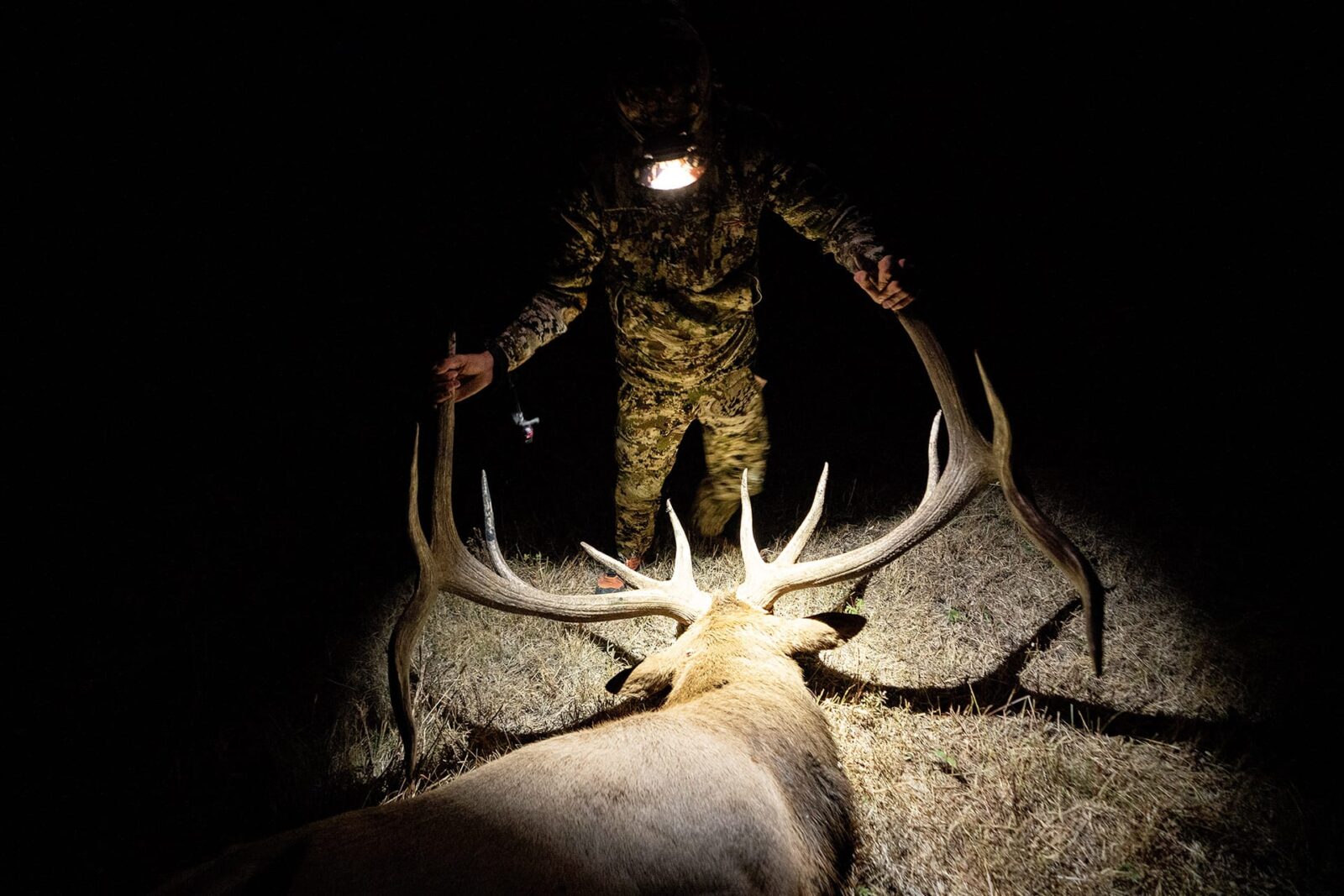
Wyoming is home to roughly 113,000 elk, making it an excellent destination for your first or next elk hunt. As for B&C records, Wyoming is ahead of Colorado for the number of typical bull elk harvested since 2010, and just behind Utah for combined typical and non-typical harvests.
Wyoming has a preference point system just for non-residents, where 40% of available licenses in each hunt area and license type are devoted to the preference point drawing. This is helpful if you’re from out of state and want to target one of the harder tags to pull.
Wyoming’s non-resident elk tags come one of two ways: 60% of non-resident tags are in the general draw pool with a $707 base fee, but the other 40% of non-resident tags require a $1,965 drawing fee plus the base fee and a Conservation Stamp. It’s not cheap.
“Wyoming does an amazing job of managing its elk herd. The Cowboy State is always on my radar, with plenty of options, especially with a general tag. If you can hunt with a resident guide, you’ll be able to access wilderness areas, which will open up a lot more opportunities. Their elk numbers are growing and their seasons are similar to Montana in that you can usually hunt archery and rifle dates with the same tag.” – Dan Staton, Elkshape
Wyoming Draw
Historically, Wyoming’s General Elk tag has provided reasonable draw odds and quality hunt experiences for the non-resident applicant.
Draw Deadline:
- Non-residents: February 2
- Residents: June 1
New Mexico: Best for Equal Draw Odds
New Mexico’s lottery system resets every year, meaning every hunter—resident or non-resident—starts with equal odds within their applicant pool. You can list up to three unit choices on your application, and also have the option to put your name in the hat for fourth-choice and/or fifth-choice options. Fourth-choice tags are what’s given out when all first, second, and third-choice tags have been allocated. If applying for a fourth-choice tag, you select one of four quadrants in the state (NW, NE, SW, or SE). Fifth-choice tags are reserved for population hunts, and you don’t choose the area.
The downside: Tags are hard to draw.
The upside: Success rates and elk numbers are strong in popular units.
“For a quality hunt with big bulls, New Mexico can fulfill your wildest elk hunting dreams. With a draw system like this, you can avoid going on extremely crowded hunts like most OTC elk hunts are in other states and be able to just focus on outsmarting the elk instead of all the other hunters as well.” – Nicole Richards
New Mexico Draw
How you order your first three hunt choices can optimize your draw chances. The system will look at your first choice, and if there’s a tag available for it, you’ll draw it and be done. If there isn’t a tag still available, the system moves to your second choice, then your third choice. Always order your choices from hardest-to-draw to easiest-to-draw to give yourself a shot at the best possible outcome.
Draw deadline: March 18
Idaho: Best Mix of OTC Opportunity and Adventure
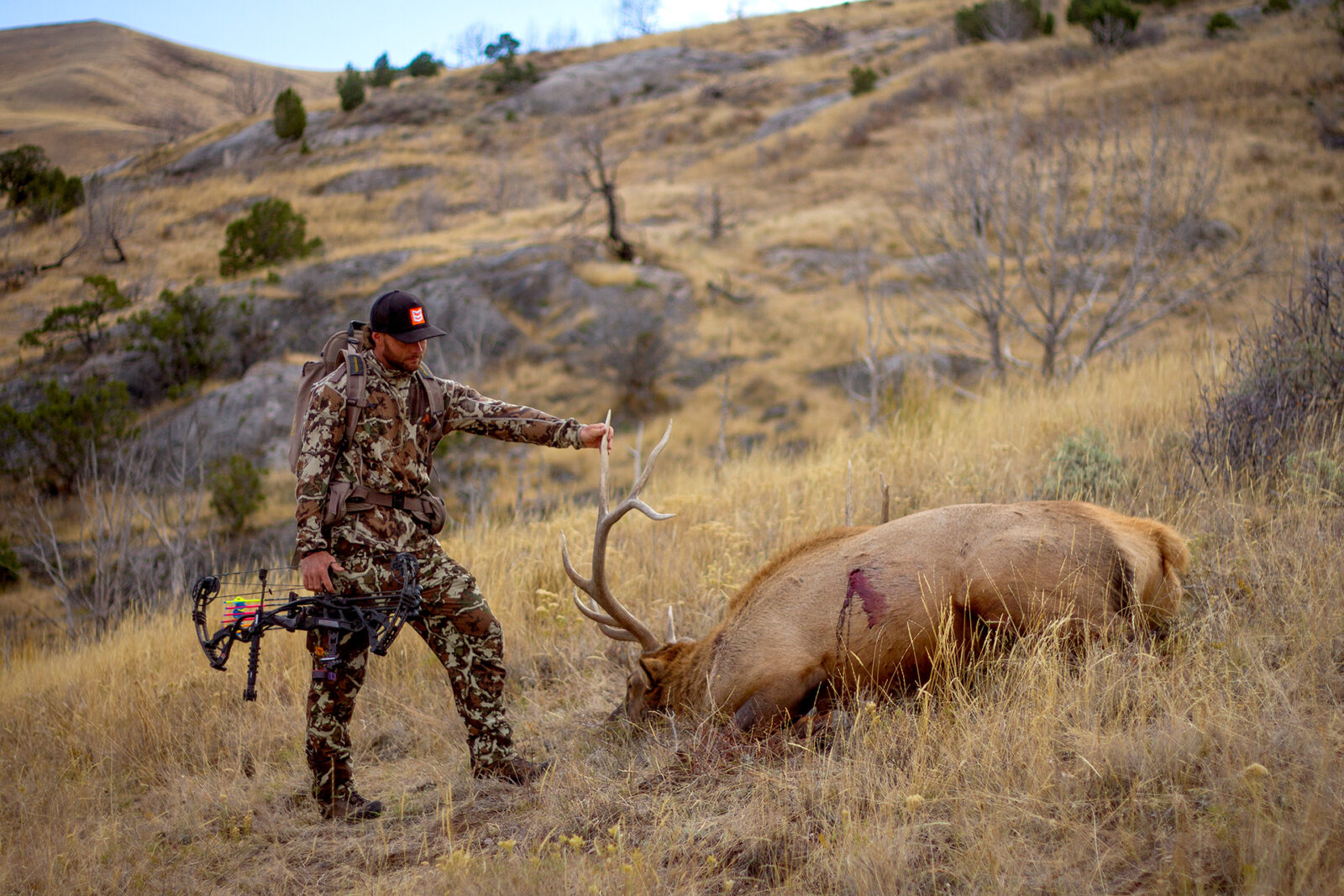
Idaho offers a mix of OTC tags and limited control hunts, with equal odds each year due to no point system. Non-residents, remember: non-resident OTC tags moved to a draw system starting for 2026.
Since Idaho does not use a preference or bonus point system, every applicant has an equal shot each year. But another important factor is that hunters must choose between applying for one of the “Big 3” species (moose, mountain goat, bighorn sheep) or for elk, pronghorn, and mule deer. You can’t apply in both categories in the same year.
Best to be in shape, too. Idaho is rugged country, perhaps some of the steepest a hunter can step foot into. From deep canyons to remote alpine ridges, Idaho’s terrain is challenging but rewarding. It ranks top 10 in elk numbers nationally, with 120,000 elk, and boasts over 34 million acres of public land.
“My favorite elk hunts typically involve rugged backcountry adventure, and for this type of experience, Idaho has never let me down. While it might not be the first state that comes to mind when thinking of having the biggest bulls or the largest elk population, Idaho ranks as a top five state for elk numbers and has no shortage of great bulls.” – Adam Adank, Heavy Hunts
Idaho Draw
Idaho’s non-resident elk applications were due in December. Results will be announced early January and any unpurchased tags will roll into a second application window, opening February 5, 2026.
Draw deadline (for Controlled Hunts): June 5
Oregon: Best for Being Underrated and Quiet
Oregon doesn’t often make top-tier lists, but it offers a mix of OTC and controlled hunts with lower hunting pressure in certain units. Its Roosevelt elk population is a bonus for hunters looking to try something different along the coast.
Oregon also hosts the third-largest number of elk, just behind Montana, with 133,000.
“The reason I also chose Oregon is that you can still get a tag over the counter. Because of that, I can hunt every year without having to put in for a draw.” – Trent Fisher, Born and Raised Outdoors
Oregon Draw
If you decide to make building preference points in Oregon a goal, make sure your first-choice option for Controlled Hunts is a hunt you really want to go on. If selected for your first-choice option, you forfeit all built-up preference points, whether you buy the tag or not.
Draw deadline: May 15