onX
Glassing 101
Learn how to effectively glass for elk.
This guide will give you the knowledge you need to capitalize on rutting elk activity.
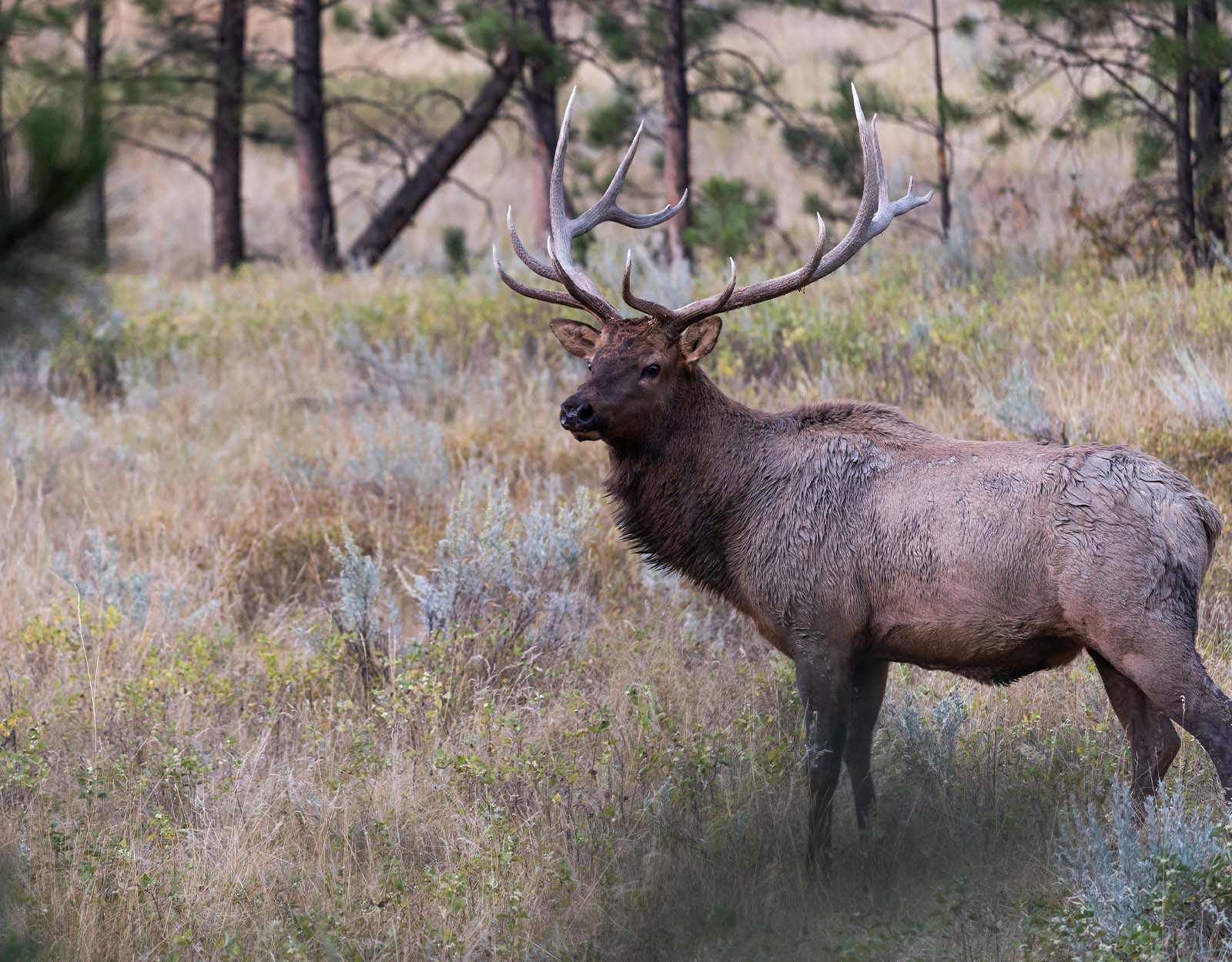
In most western states, peak elk rut activity occurs between September 15-25, with some variance depending on exact geographic region, elevation, and seasonal weather. While bulls begin bugling as early as late August in some places, the true chaos usually hits in mid-September.

“Everyone takes the third week of September off, and for good reason.”
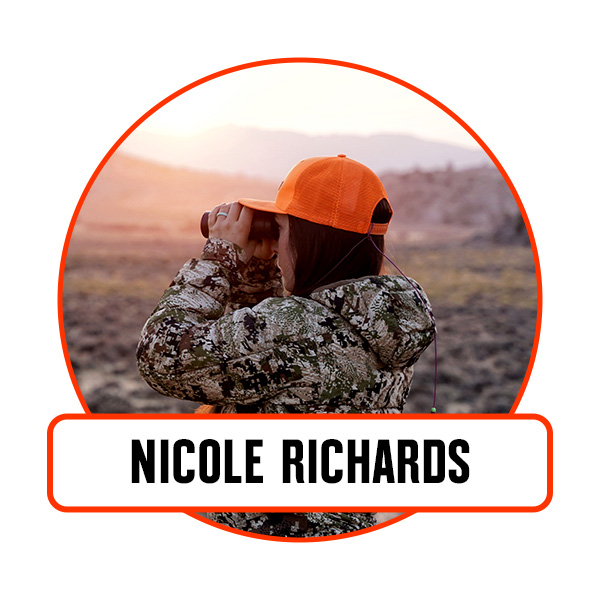
“The third week of September is my favorite, but I’ll take any week I have time around my mule deer hunts.” – Nicole Richards, Skynic Hunting
Higher-elevation elk herds may rut slightly earlier, while lowland herds tend to peak later.
“I’ve killed a handful of bulls around September 10. At that time in Utah, it’s generally still pre-rut.” – Ben Dettamanti, Shed Crazy
“My dad’s birthday is the 22nd of September, and between him and myself, we’ve tagged out on this day more than any other.” – Dan Staton, ElkShape
“The dead center of September, 13-17.” – Steven Laughter, Way Up West Outdoors
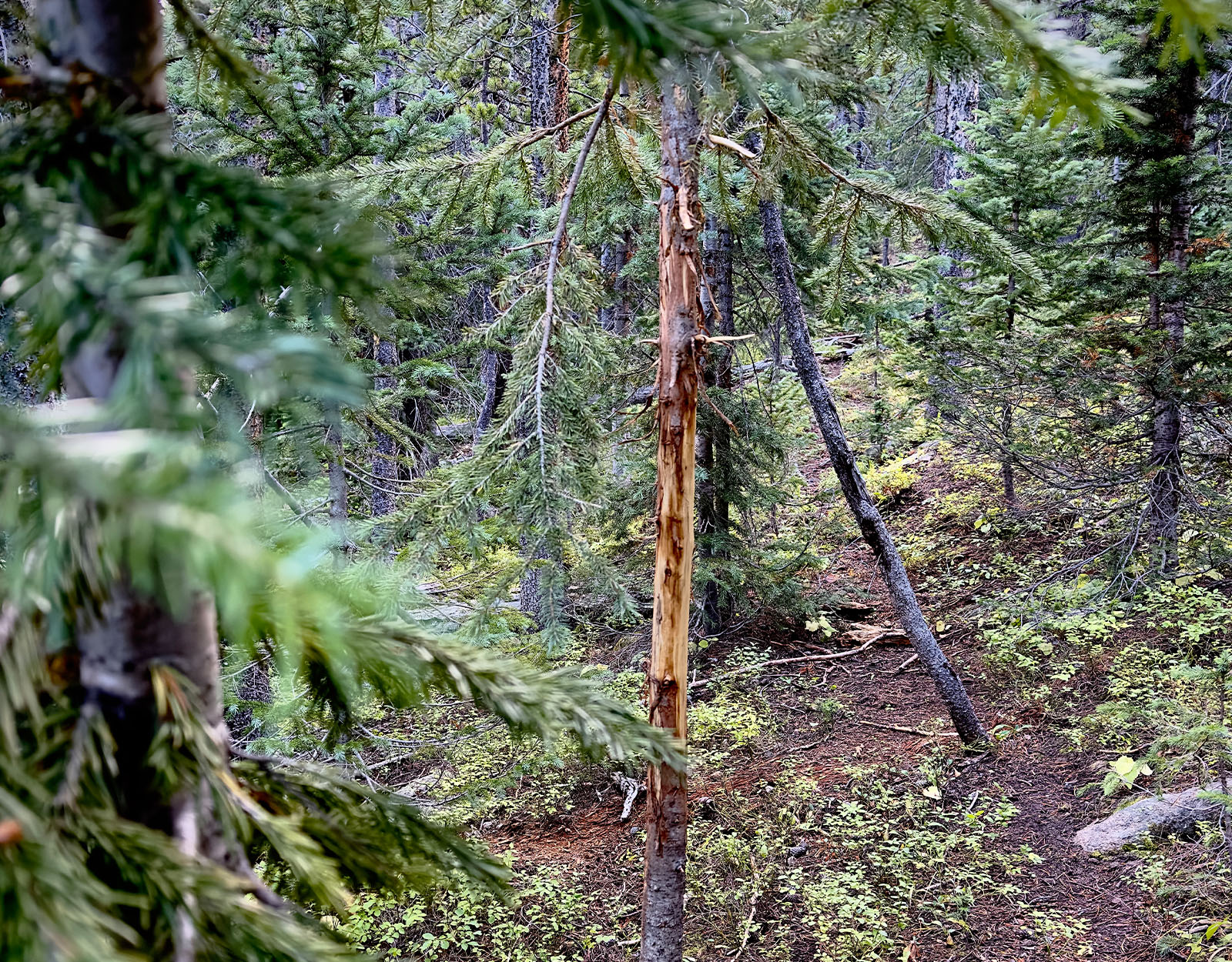
Rutting elk behavior is intense and erratic. Bulls abandon bachelor groups and become singularly focused on breeding. Testosterone surges result in more daylight activity, fighting, and vocalizations. Understanding these shifts is a key to closing the distance.
“Bulls will give away their location in the rut. This isn’t the case outside of the rut. Take advantage of their vocalizations straight away. In the beginning of the season, you may have to fire up the elk with your own calling, but as the rut approaches, you should be able to keep tabs on elk just as daybreak hits.” – Dan Staton, ElkShape
Satellite bulls are often more responsive to calls and can present the best chance for a shot, especially in high-pressure public land scenarios.
Bugling isn’t just about showing off—it’s a mix of territorial aggression, cow attraction, and locating behavior.
“I can make a poor bugle on accident during the rut, and it still works out.“
Experienced hunters practice reading an elk’s vocal cues—short, raspy bugles with immediate responses usually indicate a defensive herd bull, while long, wavering bugles may come from lone roamers or less dominant bulls.
Cow elk go into estrus for a short time, and herd bulls stay close to receptive cows. Use this to predict movement and plan ambushes. Focus on travel corridors between feeding zones and bedding areas during mid-morning when bulls push cows.
Rutting elk often throw caution to the wind, making them more tolerant of pressure and noise than during other parts of the season.
“Everyone has different strategies. You often hear of hunters overcalling, but I’ve had luck in Wyoming getting pretty aggressive with calling. We tend to mimic what’s going on around us. If we have a hot bull answering every call, then we’re going to continue bugling. If things go quiet, then we’ll back off, maybe letting out a soft cow mew, hoping he’s sneaking in.”
“We are going to be bugling about 300 times per day. We are very vocal and we’re just looking for the right bull that wants to play our game.” – Trent Fisher, Born and Raised Outdoors
These conditions allow bowhunters to break many traditional rules:
Staying aggressive but maintaining wind discipline seems to be the secret sauce for hunting elk in the rut. Even during the rut, elk will bust you the second your scent gives you away. And don’t forget the value of thermals—hunt up-slope in the morning and down-slope in the evening.
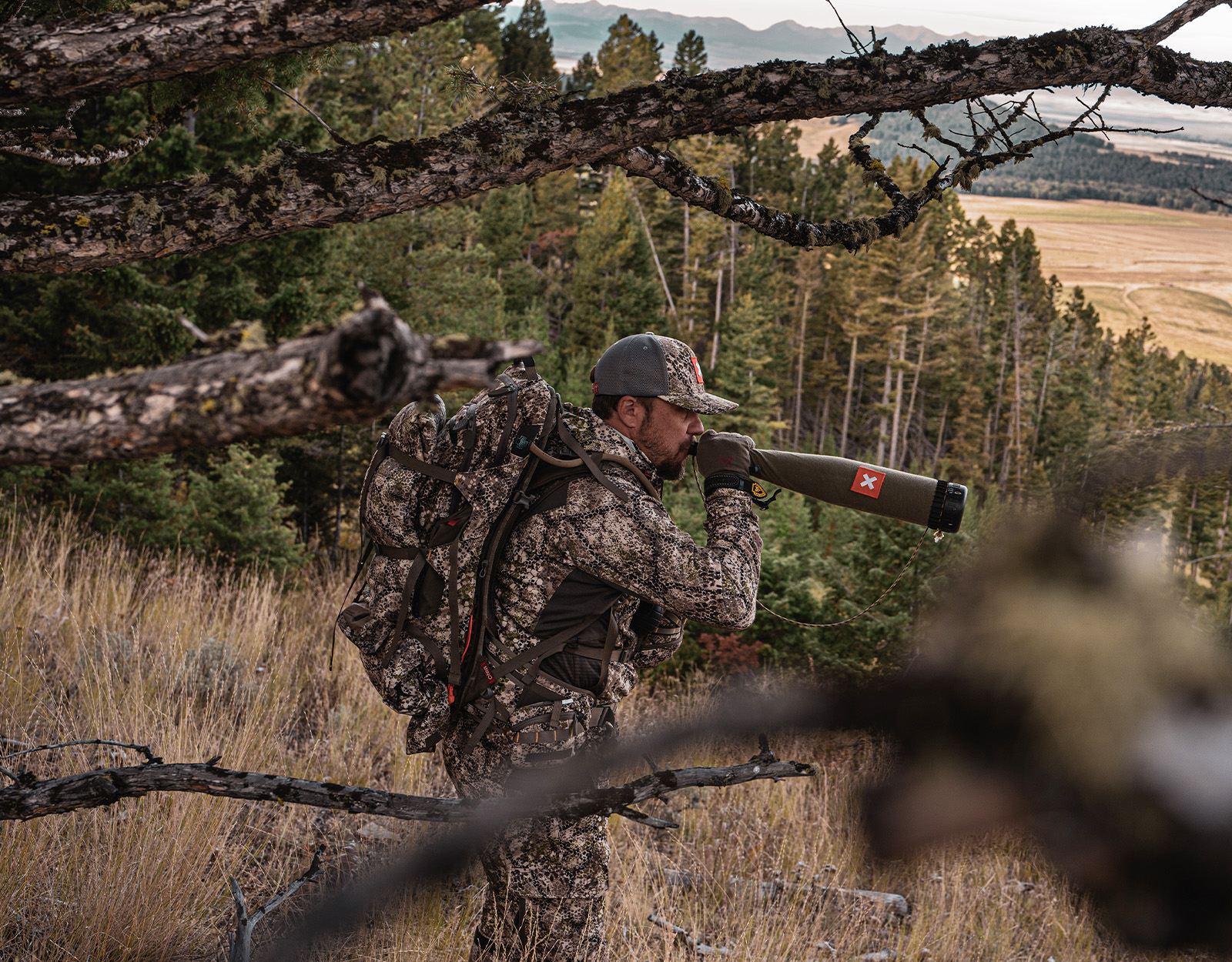
There are varying opinions and strategies when it comes to calling elk during the rut, and those strategies can change depending on whether you’re calling a herd bull or a satellite bull. Here are a few different approaches our Ambassadors take.
“I try to get in without calling—if bulls are talking, I move in quietly. I’d rather they never know I was there. Calling is always Plan B.” – Steven Laughter, Way Up West Outdoors
“I use a challenge bugle once I’m in as close as possible, ideally with a caller about 30 yards behind me. I would be between the caller and the bull with a good wind. This must be done during peak rut. I’ve found the herd bulls are less likely to come in if it is after peak rut, even a week later, when they are locked down on their cows.” – Nicole Richards, Skynic Hunting

“If I have a good idea of where they’ll bed down for a few hours during the heat of the day, I’ll slip in as close as I can, quietly, and begin a ‘slow play.’ It starts with soft, spaced-out cow calls, followed by gentle raking or panting, and eventually some subtle bugles.
The goal is to make it sound like one of his cows or a new cow is entertaining another bull that snuck in mid-day. The idea is to stir up just enough jealousy and curiosity to pull that bull off his bed and into bow range.”
Archery elk hunting during the rut favors those who cover ground to find hot sign and vocal bulls.
Success during the elk rut isn’t just about being in the right place—it’s about staying adaptive. Watch the wind, read elk behavior, and move decisively.
“Staying mobile is incredibly important. I think you’re better off to move around all day until you find a good pocket of rut activity than to stay in one place and hope that the rutting kicks off.” – Ben Dettamanti, Shed Crazy
“I always try to stay as mobile as possible when elk hunting, especially during the rut. This is the time to take calculated risks and get a little aggressive (without being reckless). If you’re in shape and capable of covering ground, don’t waste time sitting in a dead zone. During the rut, if there are elk in the area, you should be seeing sign or hearing them. If you go more than a day or so without any action, it’s time to move.” – Adam Adank, Heavy Hunts
“We are always mobile regardless of the rut. We are accustomed to changing locations, so we don’t really have a permanent base camp. It’s not uncommon to change units, trailheads, or mountain ranges day to day. Our goal is to be into elk every day.” – Dan Staton, ElkShape