Ready to explore this trail?
View Trail Map in AppPath Type
Loop
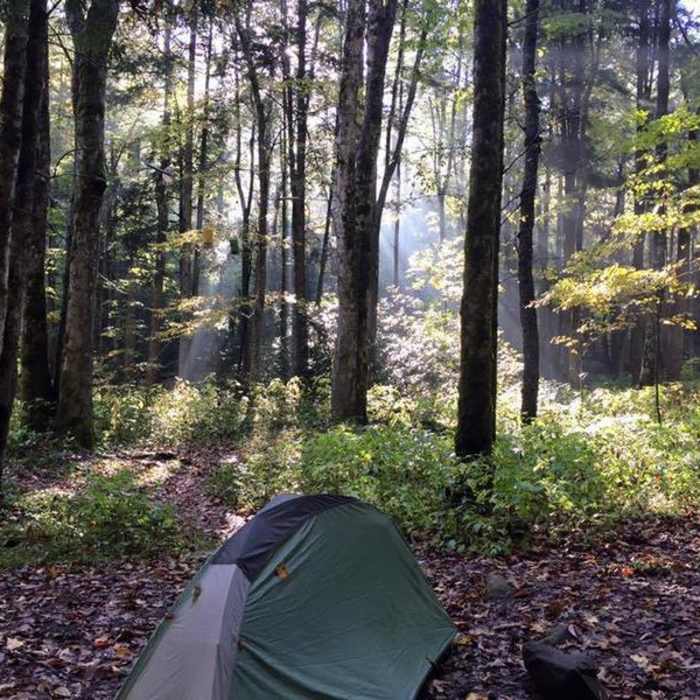
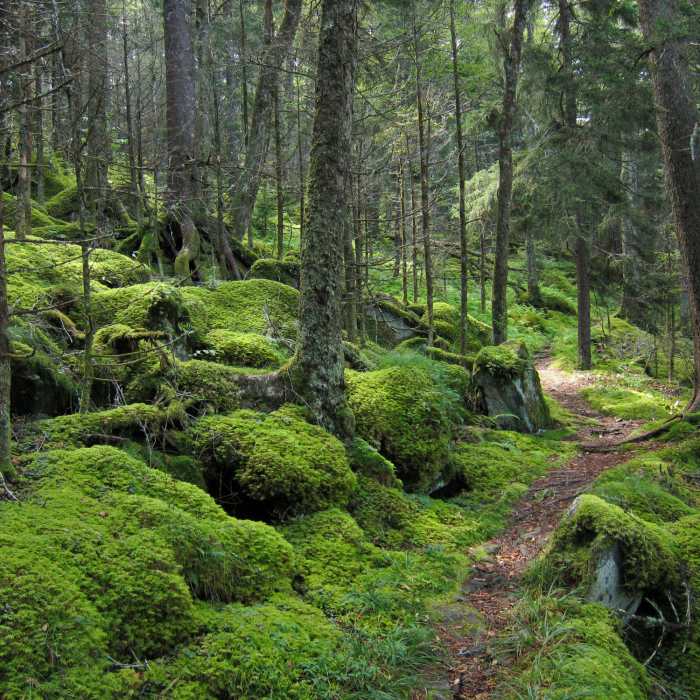
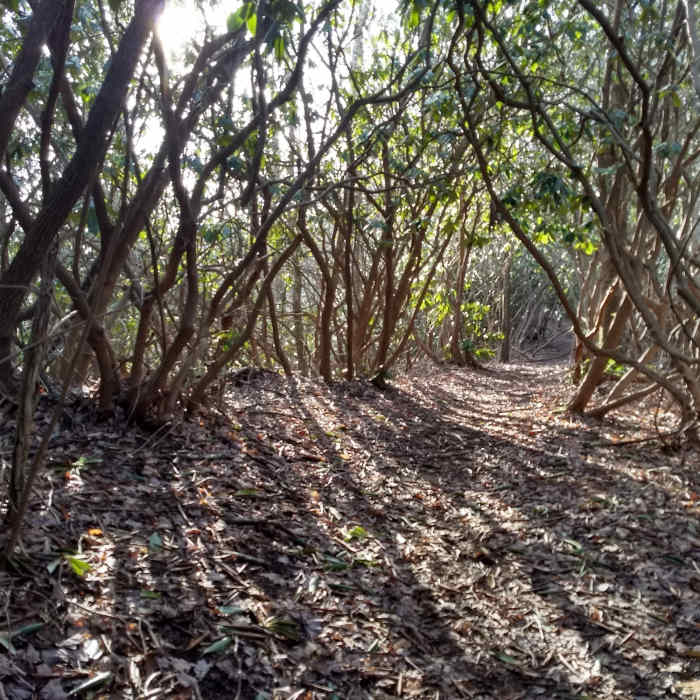
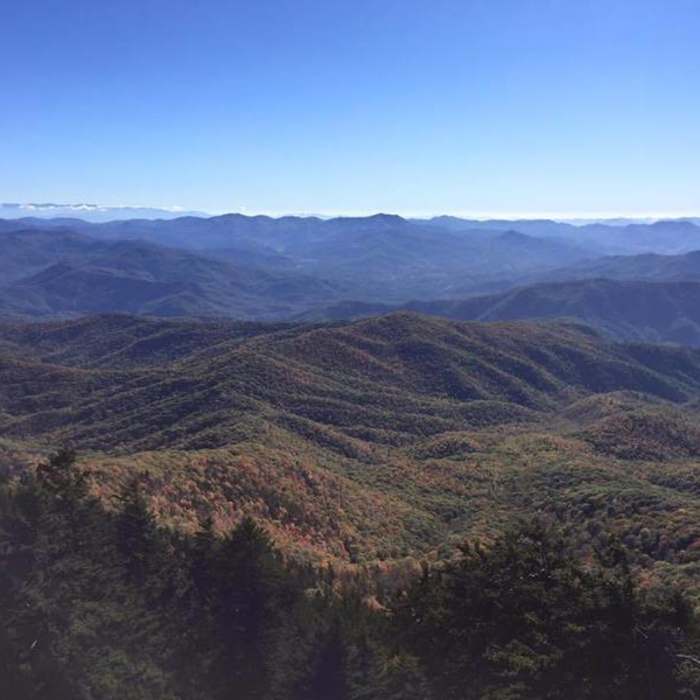
Beginning at the Big Creek campground, follow the sign to the Big Creek trailhead. Roughly 1.5 miles in, visitors can find the Midnight Hole Falls and the Mouse Creek Falls at 2 miles. This is ideal for those looking for a short journey with a nice view of the falls. It's 5.1 miles from the campground to Walnut Bottom (Campsite 37), with a moderate elevation gain. At the campsite, there is ample room for tents and hammocks and a water source in close proximity. Multiple fire pits can be found at the campsite and there is usually a decent supply of firewood in the surrounding area. There is a significant elevation gain from the campsite at Walnut Bottom (Campsite 37) to Mt. Sterling. This is where the trail becomes strenuous, and using extra caution is highly recommended. Leaving the campsite, hikers must backtrack (not even a tenth of a mile), where they will see a junction where Big Creek Trail and Swallow Fork Trail meet. Following Swallow Fork Trail, visitors will cover 4 miles where they will gradually move out of the forest and onto the Mt. Sterling Ridge. At 5,179 feet, there is a 4-way trail intersection. It's also a relatively open area, and a great spot to catch a breather before finishing the climb. Mt. Sterling can be accessed by following the Baxter Creek Trail, which will be an additional 663-foot elevation gain. Atop Mt. Sterling, there is a horse camp and multiple campsites. Again, there is a decent supply of firewood and a nearby water source (.5 miles down Baxter Creek towards Big Creek Campground). The fire tower is accessible, although one should be cautious. There are rails in place to hold on to as you ascend the steps, but this is not a good idea for children unless supervised. The tower provides a spectacular panoramic view of the Smoky Mountains (along with the mountains of North Carolina), one of the best views in the National Park. For the final stretch, hikers can follow Baxter Creek Trail back down to the Big Creek campground. This is 6.2 miles with a 4,100-foot elevation loss - a rather steep descent. There are multiple points at which one can access water sources on the way back.
During the American Civil War, Captain Albert Teague of the Confederate States Army apprehended three deserters: George and Henry Grooms, and Mitchell Caldwell. Teague forced the three to march from Big Creek to Mt. Sterling where they were then executed.The fire tower was built in 1935 by the Civilian Conservation Corps (CCC), a relief program initiated by President Franklin D. Roosevelt as part of the New Deal to provide jobs to individuals in need of employment.While the fire tower is abandoned, it is equipped with radio capabilities. The tower is accessible, although caution should be exercised - the steps are sturdy and lined with guard rails, but the tower room itself is in a questionable state.
No Condition Reports
Contributors