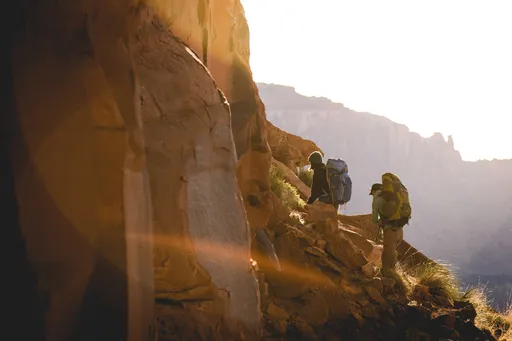
The Lone Rock Loop Trail is open to rxhing from January 1 through October 31. Conditions permitting, it's open to cross-country skiing and snowshoeing from January 3 through March 31. It is open for equestrian riding from May 1 through October 31. There are no fees or permits required. Parking is free at all trailheads.
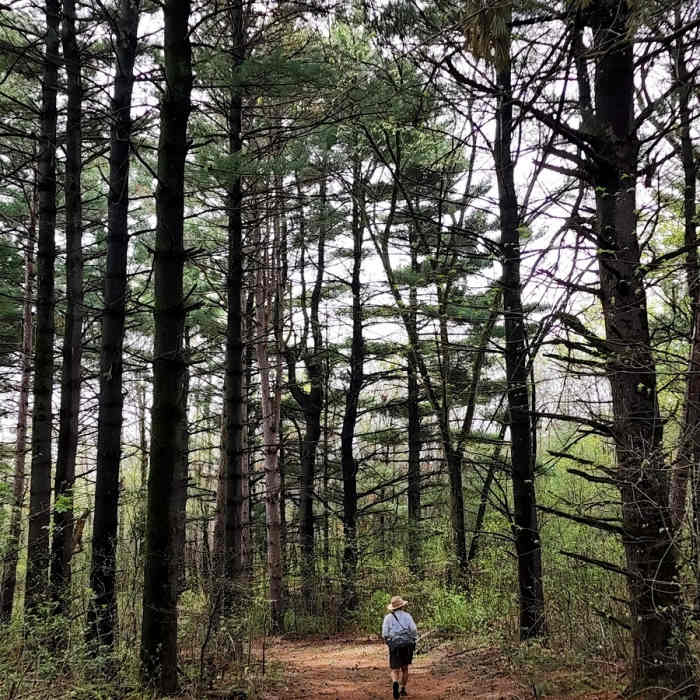
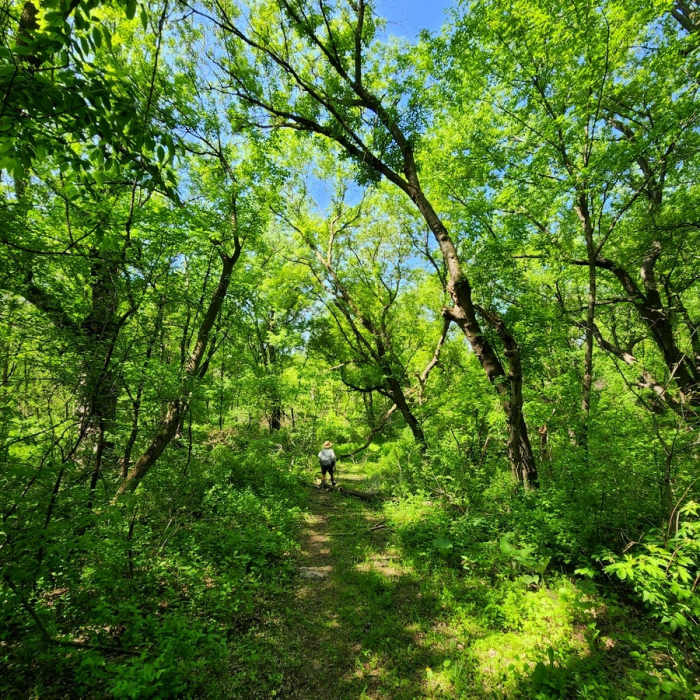
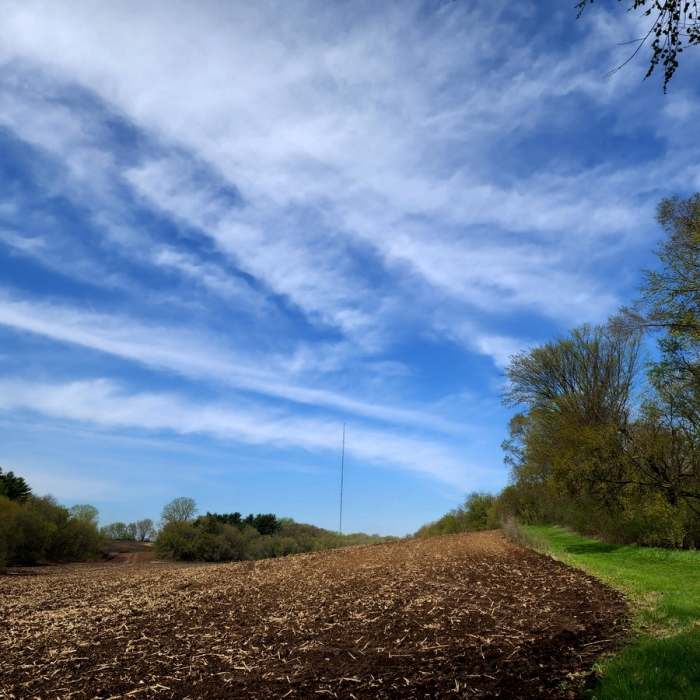
The University of Minnesota manages UMore Park, a 4,772-acre property on the southern edge of the Twin Cities Metropolitan Area. The 11-mile Lone Rock Trail system runs through gently rolling terrain, including woodlands, restored prairie, wetlands, and agricultural land at the south end of UMore Park, in an area called the Vermillion Highlands.
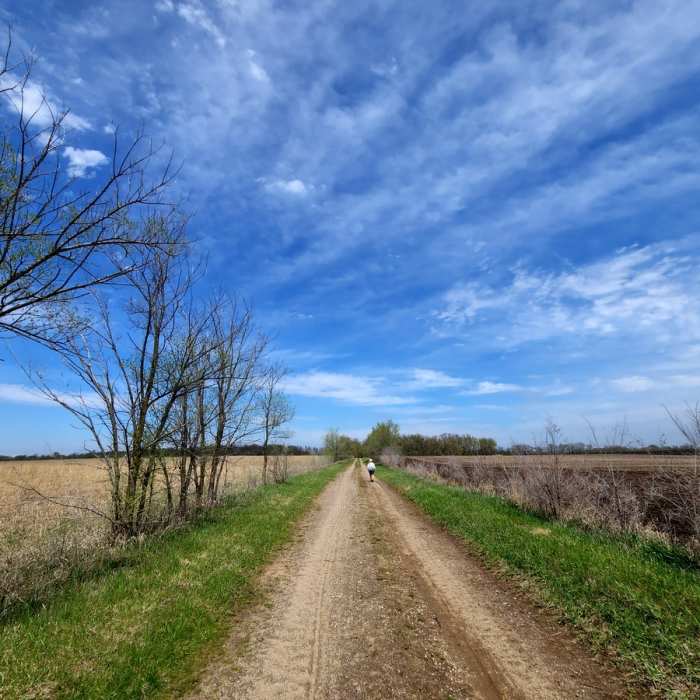
The Lone Rock Loop Trail is one of the four trails in the Lone Rock Trail system. The trails in this system are mostly wide, natural surface (mowed grass) double tracks connected by a few gravel roads. The hiking in summer is enlivened by wildflowers and the winter hiking (or snowshoeing) by big views out over the snowy terrain.
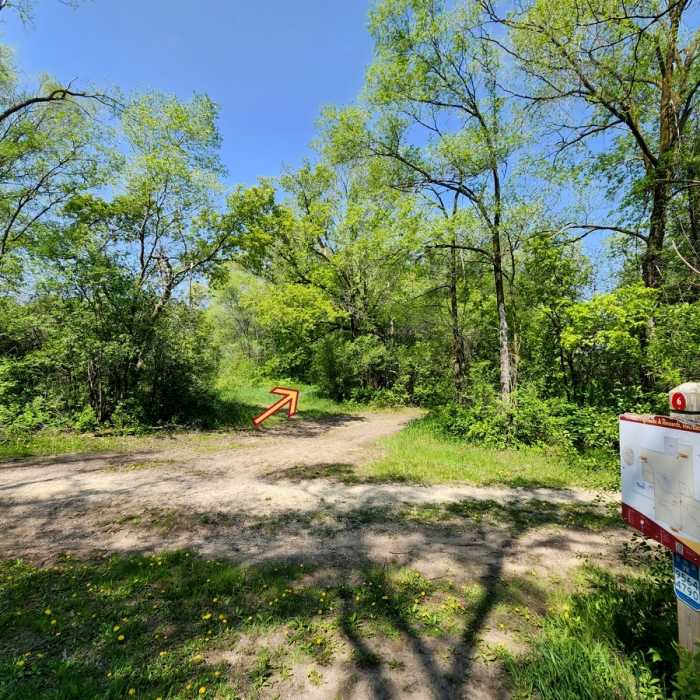
Start hiking from the South Blaine Trailhead off 190th Street East. There are maps with intersection numbers at each major trail junction. For the Lone Rock Loop Trail, go either clockwise or counter-clockwise from the trailhead through Intersections 5, 6, 7, 3, and 4.
The Lone Rock Loop Trail shares gravel Annette Road with the Farm Loop Trail between Intersections 3 and 4.
The Lone Rock Spur Trail leaves the Lone Rock Loop Trail at Intersection 6. This use trail will take you to Lone Rock, once an important navigational landmark for Native American travelers and, later, for non-indigenous explorers and settlers.