Ready to explore this trail?
View Trail Map in AppThe biggest limitation is the ferry schedule. The Angel Island Tiburon Ferry runs trips to and from Tiburon. The Blue and Gold Fleet runs to and from San Francisco. For more information, visit the park's <a rel="nofollow" target="_blank" href="http://www.parks.ca.gov/?page_id=468">website</a>.
Path Type
There and Back
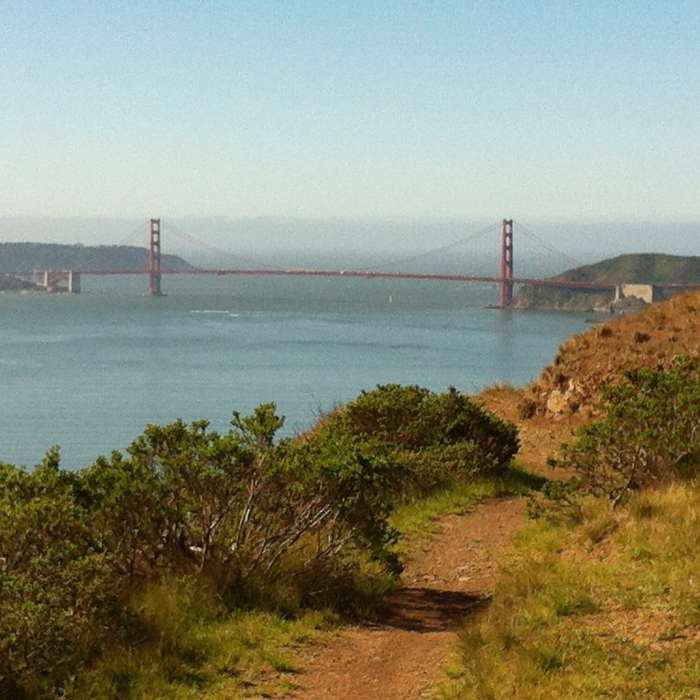
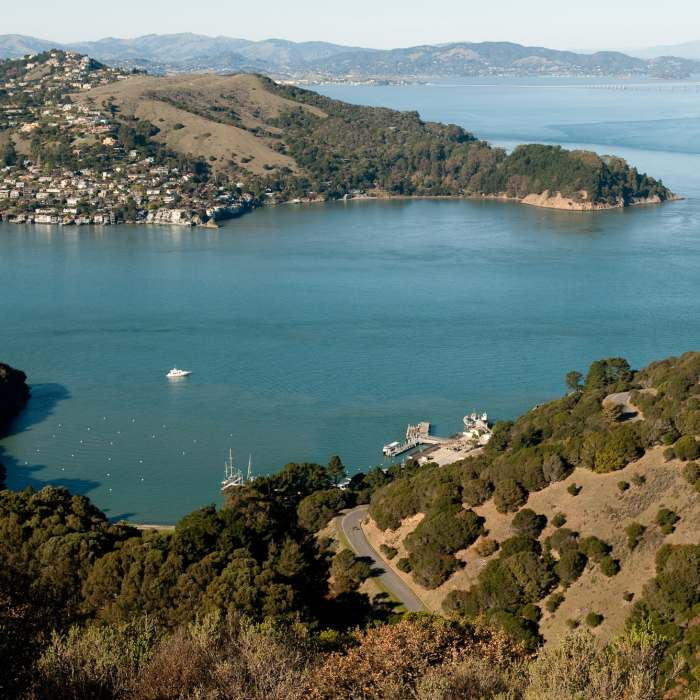
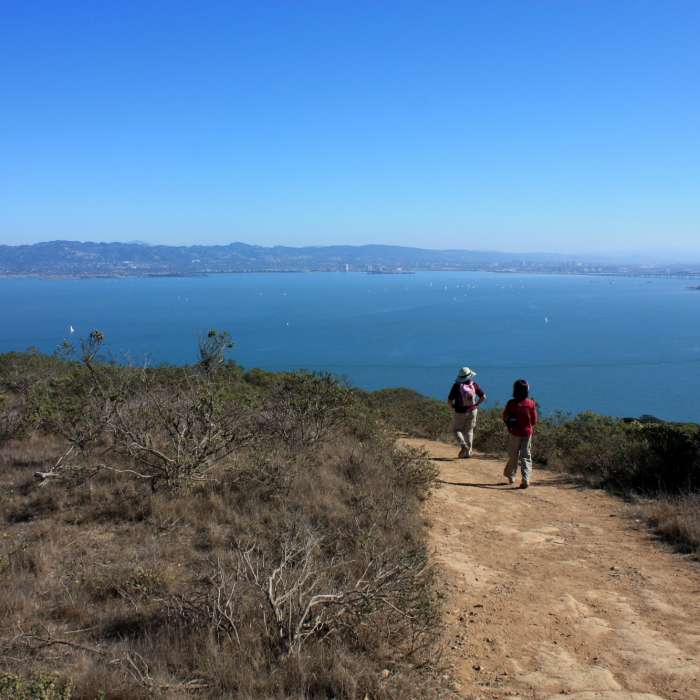
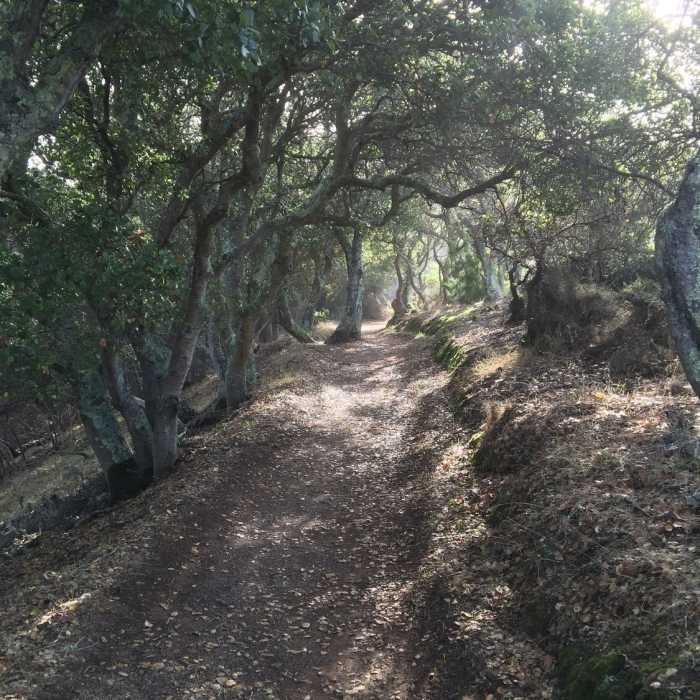
You'll take the North Ridge Trail all the way to the summit of Mt. Livermore. To reach this trailhead, you first need to get to Angel Island. Unless you swim or kayak, you'll dock at Ayala Cove. At Ayala Cove, there are restrooms, drinking water, and a snack bar/ restaurant all located at the terminal. To get to the trailhead, turn left as you exit the ferry and find the North Ridge Trail trailhead at the end of the plaza. It is clearly marked. From here, you start immediately uphill through a Coast Live Oak forest. In about .1 mile, you'll reach the junction with a paved road. Turn right, and immediately across the road you'll see the North Ridge Trail continue uphill to the left. Views will start to open up of Marin as you continue up this trail. After about another mile, you'll reach the junction with a fire road. Hang a very sharp left. Almost immediately, you reach another junction. Follow the singletrack trail on the right that is marked "Mt. Livermore." Continue through more Live Oak Forest along a couple of switchbacks. As you climb, the forest thins out to grassland, and you get 180-dgree views of the East Bay. You'll reach another trail junction at about mile 1.9. Hang a sharp right, following the sign for "Mt. Livermore." From here, follow a few more switchbacks to the summit. There is a picnic table there with unobstructed views in every direction. The summit is very exposed, with little protection from the elements, but extraordinary views as long as it's not foggy! Return to Ayala Cove the way you came up.
Originally inhabited by Coastal Miwok people, Angel Island is most famous in recent history as an immigration station. From 1910 to 1940 the United States Immigration Station (USIS), nicknamed "the Guardian of the Western Gate," processed nearly a million immigrants from more than 80 countries. European immigrants and first-class passengers faced only an inspection aboard ship and were detained infrequently. Chinese persons were specifically excluded from immigrating to the U.S. by the Chinese Exclusion Act of 1882. Most of the 175,000 Chinese arriving at Angel Island were detained for up to ninety days--a few for almost two years--while their applications were considered. Due to appeals, most immigrants were eventually granted entry to America. Many detainees expressed their anxiety and despair by writing and carving on the wooden walls. Some Chinese wrote emotional poems, still legible today. The immigration station is now open to the public, and you can visit while on the isla
No Condition Reports
Contributors