

Ready to explore this trail?
View Trail Map in AppRegional Classic
A must do route for the area handpicked by local experts.
The Lamar River ford at 16.2 miles is serious business. It's about 50 feet across and knee-to-thigh deep by late July (and often unfordable before that). Check with the National Park Service for current conditions before taking this route.In spite of its name, there are no good opportunities to view petrified trees on "Specimen" Ridge. If that is your objective, then you should take the Specimen Ridge Petrified Forest trail.
Path Type
Point to Point
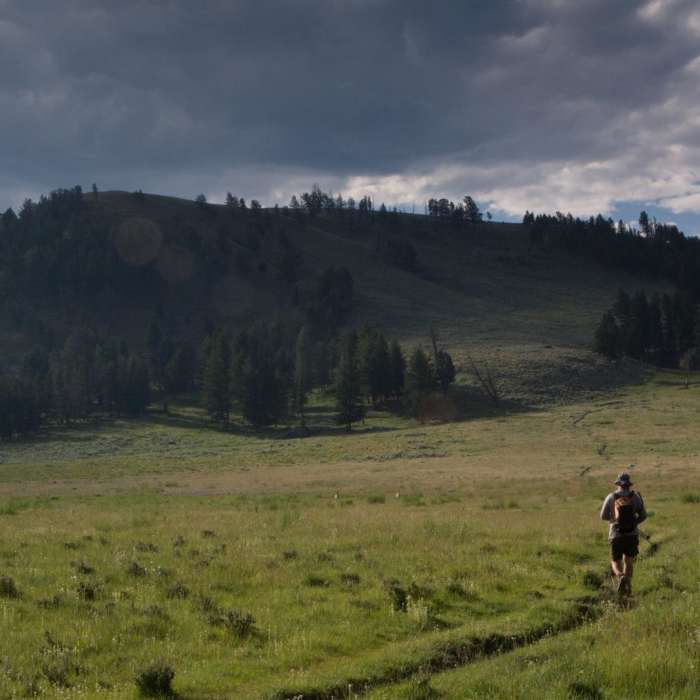
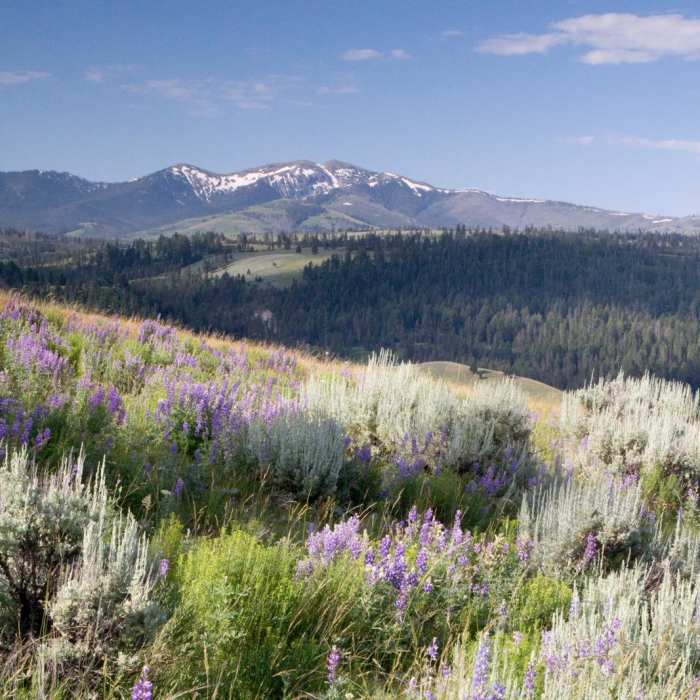
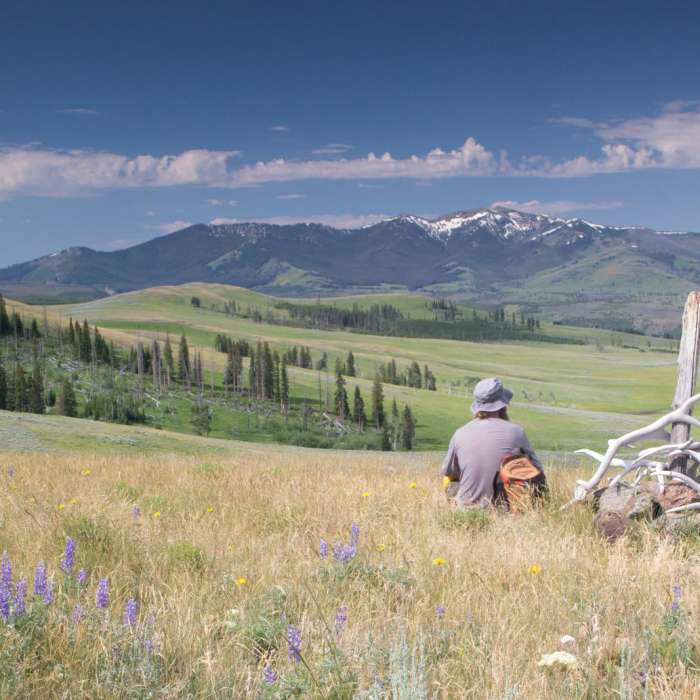
From the trailhead, the Specimen Ridge Trail begins gradually climbing through open sagebrush meadows. At 1.1 miles, after climbing 350 feet, a junction with the end of the Yellowstone River Overlook Trail is reached. Before continuing left on your hike, follow the Overlook Trail 100 yards to the right for a nice view of the Yellowstone River where Tower Creek joins. This relatively shallow section of the Yellowstone River was used by Native Americans and early explorers as a fording spot. The historic Bannock Trail crossed the river here. From 1840 to 1878 this 200-mile trail was used by Bannock, Shoshone and Nez Perce Indians to traverse Yellowstone and reach rich buffalo hunting grounds to the east. Today, this section of the river is known as the Bannock Ford.Back on the Specimen Ridge Trail, you continue your steady climb. To the right are nice views into the final miles of the Grand Canyon of the Yellowstone. Here the canyon is covered with trees and does not display multi-colors like it goes at the beginning of the canyon some 18 miles up river. But the river and canyon still have a wild sprit. One of America's few northward flowing rivers, the Yellowstone begins south of the park and travels 670 miles before emptying into the Missouri River near the Montana-North Dakota border. It is the longest undammed river in the continental United States. At 2.4 miles, the !Agate Creek Trailhead is passed on the right. This fishermen's trail plunges 1300 feet to the Yellowstone near the mouth of Agate Creek. Our trail continues to the left climbing through more flower-spangled meadows punctuated with an occasional large granite boulder. These "glacial erratics" were quarried high in the Beartooth Mountains to the northeast and transported here by massive rivers of ice. To the southwest the skyline is dominated by !Mount Washburn noticeably capped by the large fire lookout. At 5.9 miles, the trail drops a bit to cross Agate Creek. Fill up on water here, because the next reliable source is 10 miles away as you approach the Lamar River. The trail continues to climb (steeply in places) through a sea of open meadows with a few stands of trees and, at the 10.4-mile mark, finally reaches the top of Amethyst Mountain (9614'), the highest point on Specimen Ridge. The trail continues southeast and now begins to loose elevation. At 11.1 miles, the prettiest part of the trail begins. Here the trail follows a precipitous cliff to the left with awesome views down the Chaleedony Creek drainage to the confluence of Soda Butte Creek and the Lamar River. At 11.6 miles, the trail breaks out of a section of trees and bends left through a gently sloping meadow. At 12 miles, the trail bends further left and begins to lose elevation quickly. Do not miss these turns. The trail drops 2400 feet along "Unnamed Creek" to the banks of the Lamar River at 16.2 miles. The ford of the Lamar River is serious business. It's about 50 feet across and knee-to-thigh deep by late July (and often unfordable before that).The final 1.5 miles is relatively flat and crosses the Lamar Valley through open sagebrush meadows. Just before the trail ends (at 17.7 miles) you make a bridged crossing of Soda Butte Creek.Thanks to guidebook author, Tom Carter, for sharing this trail description. To learn more about visiting Yellowstone, check out his book, Day Hiking Yellowstone.
No Condition Reports
Contributors