Ready to explore this trail?
View Trail Map in AppPath Type
There and Back
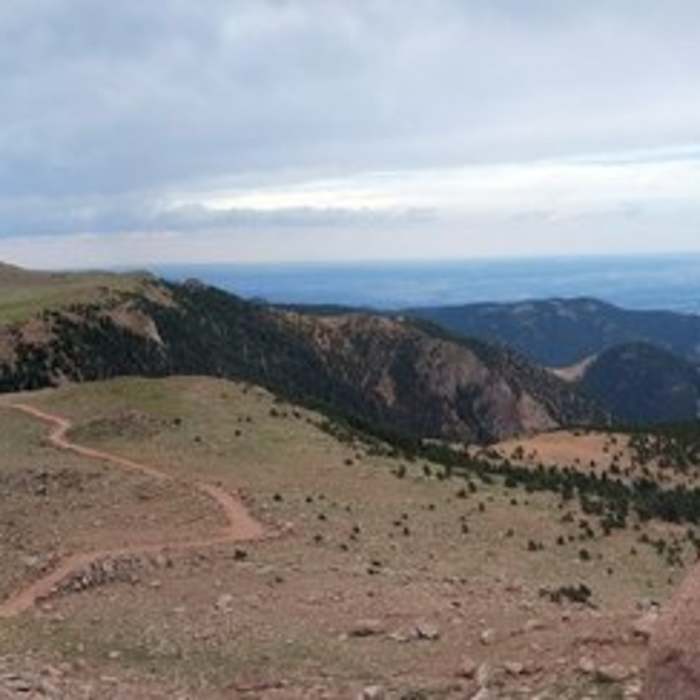
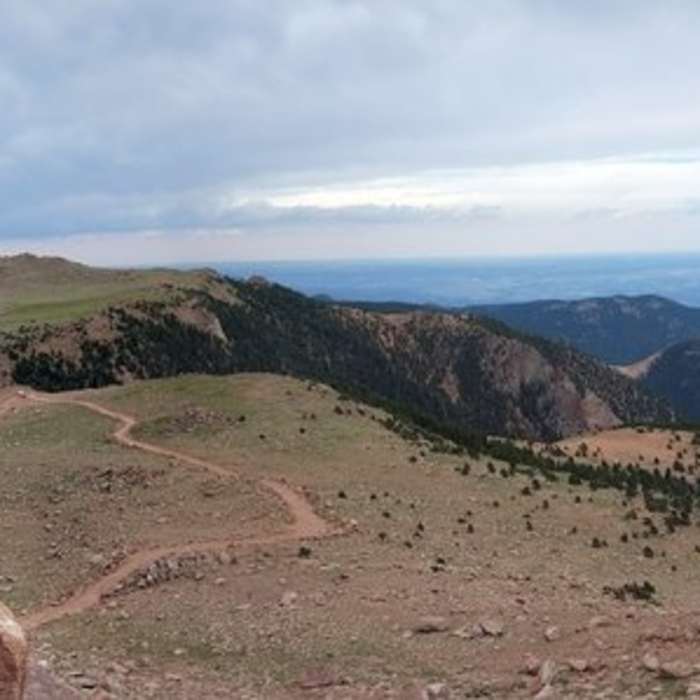
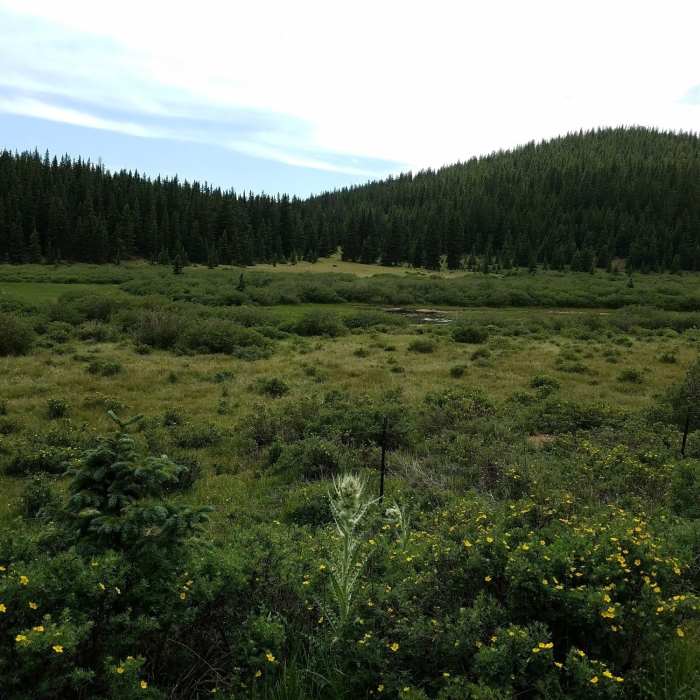
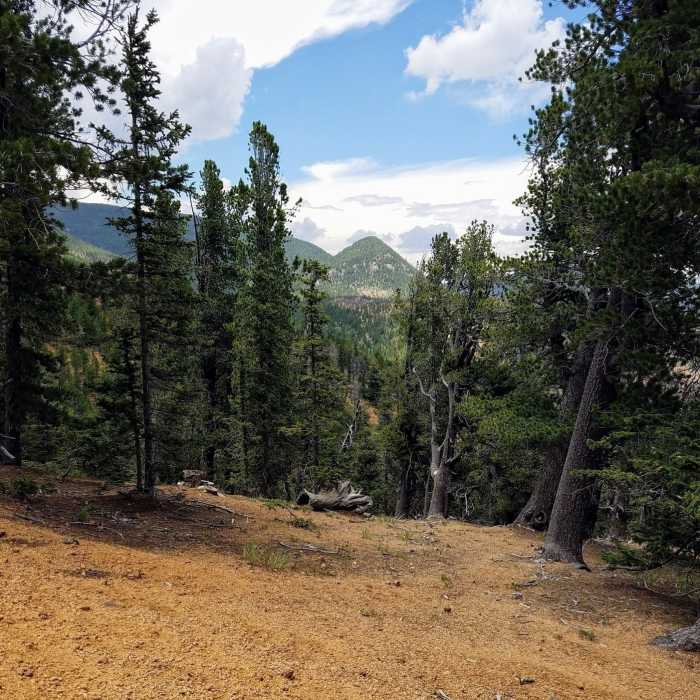
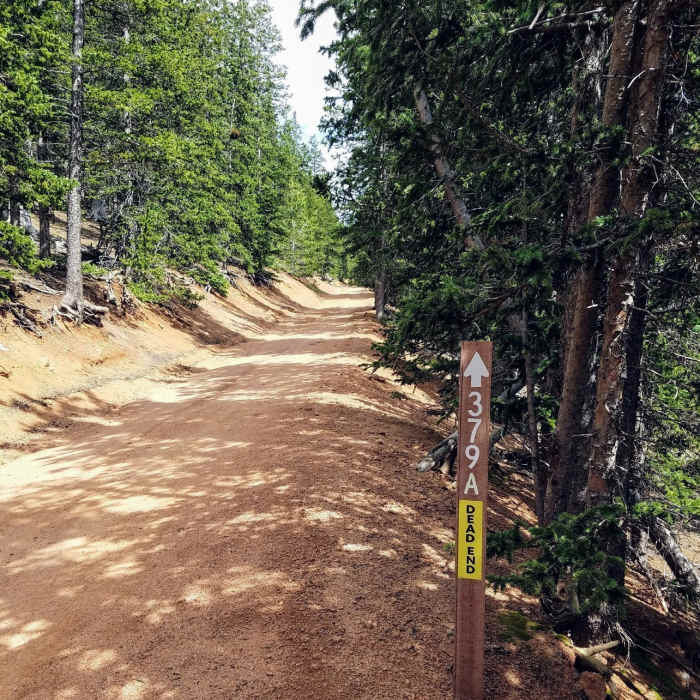
A high-clearance vehicle is necessary to access the Portal 9 (Frosty Park) Trailhead, or you can park at the intersection of Gold Camp Rd and FSR 379, then hike approximately 1.6 miles down FSR 379 to the trailhead. FSR 379 and FSR 379A are both open to motorized vehicles, so foot traffic needs to be alert. With that said, most users are hiker friendly and slow as to not spit rocks from tires, and even offer waves, smiles, and at times window chats. From the trailhead, FSR 379 gradually ascends for about 0.6 miles to a clearing that overlooks Jones Park. From the overlook, the trail takes a hard left and starts to meander and gain more elevation along the edge of timbers. Deer Park, noted by its wetlands, is about 1.3 miles down the road after it starts to swing around to the north. Soon after passing Deer Park is another clearing that comprises the intersection of FSR 379A. Take a sharp right to access the beginning of FSR 379A. At this point, FSR 379A continues along the timbered ridgeline for about 1.5 miles before it begins a steep ascent. FSR 379A has some blind curves for motorized vehicles, so hikers should be vigilant. Continue the ascent for another quarter mile to the locked gate. Motorized vehicles are not allowed past the locked gate due to the fragile ecosystem. Go around the locked gate and head to the right over the old brick dam (Mount Baldy Dam). Crossing the dam can be a bit tricky, so just be careful of the old rusty rebar. From here, it is another 1.25 miles to the summit with an elevation gain of about 700 ft. Listen for the marmots whistling, as they are warning others of your presence. After crossing the dam, the trail gently traverses up the sidewall of the Mount Baldy Reservoir, which is usually quite dry. The trail is sandy and can get deep at times, so trekking poles come in handy. Upon reaching the summit, the views are delightful. On a clear day, the Cog can be seen and heard traveling along the slope of Pikes Peak, miles of Colorado Springs can be seen, and it feels as if one can see all the way to Kansas, North Cheyenne Canon, and Mays Peak.
In 1779, Governor Don Juan Bautista de Anza of New Mexico first mapped "La Sierra Del Almagre." The name Almagre (AL-MA-GREY), a Spanish name, means red earth and is descriptive of the pink-colored rocks of these mountains. Almagre Mountain is the second-highest mountain in the Colorado Springs skyline and sits just south of Pikes Peak.
No Condition Reports
Contributors