A 1400-foot climb to a secondary fire lookout with great views of the Washburn and Gallatin Ranges.
2.6
mi
Distance
1,397
ft
Gain
moderate
Difficulty
LakeViewsWildflowersWildlife
Access Issues
This is in prime grizzly habitat, so check for closures or restrictions before you begin. Buffalo also frequent the area. Keep your distance - the NPS recommends staying at least 25 yards away from buffalo and 100 away from bears.
This short spur trail begins on the north shore of Cascade Lake (which is best reached via the 2.2-mile Cascade Lake Trail that starts near Cascade Lake Picnic Area, north of Canyon Village). An out-and-back hike from the start of Cascade Lake Trail to Observation Peak covers 9.6 miles total.
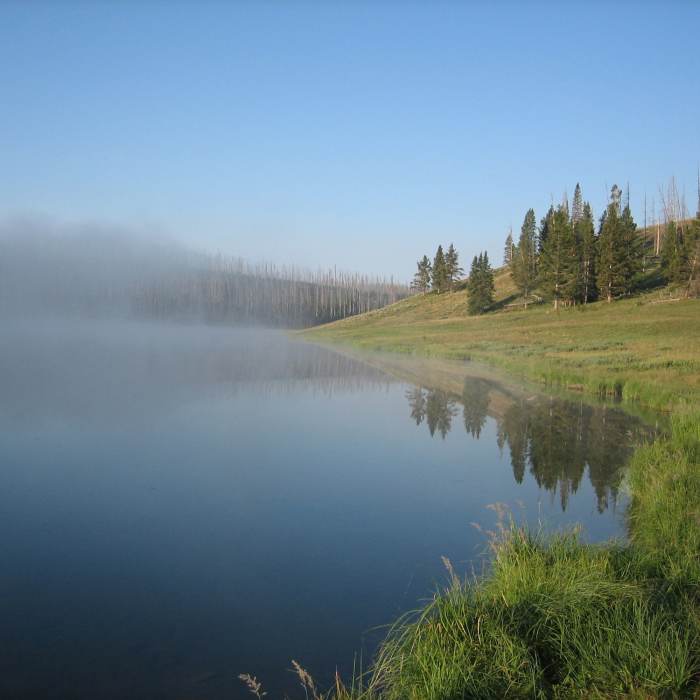
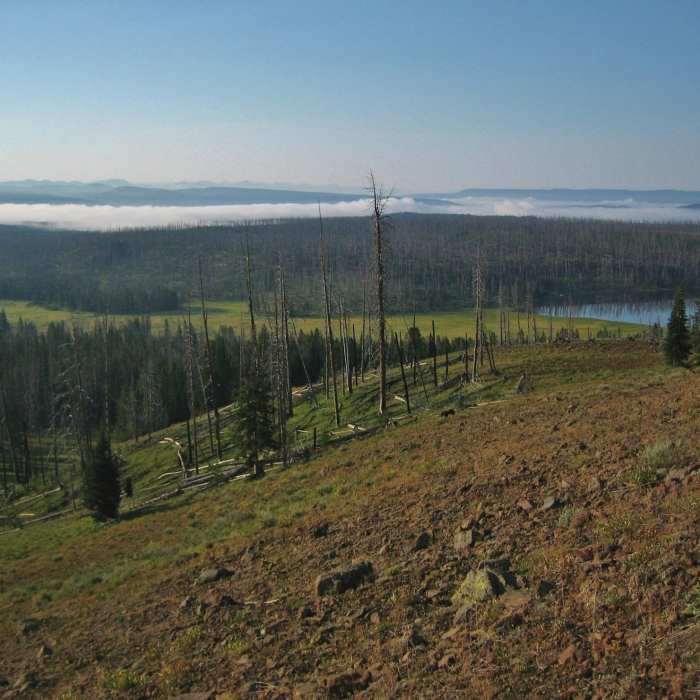
The trail leaves Cascade Lake and begins a steady 1400-foot climb through burned forests and dying whitebark pines to the top of Observation Peak. As you climb, views of 36-acre Cascade Lake behind you soon fade. At 1.9 miles, the trail bends left as it tops the ridge. Soon you get nice views of much larger, 156-acre Grebe Lake, the headwaters of the Gibbon River.
The summit of Observation Peak and the end of the trail is reached at 2.6 miles. The views here are outstanding. The peak lies in the heart of the Washburn Range, drained to the north by Tower Creek. The western horizon is dominated by the Gallatin Range. To the south lies Hayden Valley.
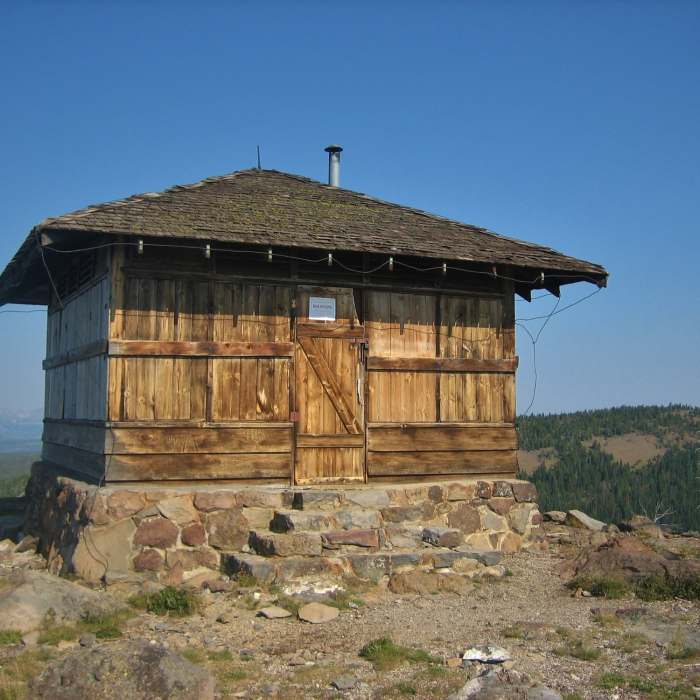
It was this great view, especially down the Tower Creek drainage, that caused the NPS to construct this fire lookout in 1939 (with help from the C.C.C.). Wildfire was a significant motivator for building trails and lookouts in Yellowstone. In 1910, huge fires burned more than 5 million acres across the west, killing 85 people, mostly in western Montana and Idaho. Thereafter, the Park Service and Forest Service began building "fire lanes," many of which are hiking trails today.
Yellowstone constructed 3 primary fire lookouts on Mount Washburn (in 1921), Mount Sheridan (1926), and Mount Holmes (1931). The fire lookout station here was a "secondary lookout" built to see a "blind areas" not seen from the primary lookouts. Other secondary looks include Bunsen Peak, Pelican Cone, and Purple Mountain (structure no longer present). Once you have enjoyed the view, return using the same trail.
Thanks to guidebook author, Tom Carter, for sharing this trail description. To learn more about visiting Yellowstone, check out his book, Day Hiking Yellowstone.