Ready to explore this trail?
View Trail Map in AppPath Type
Loop
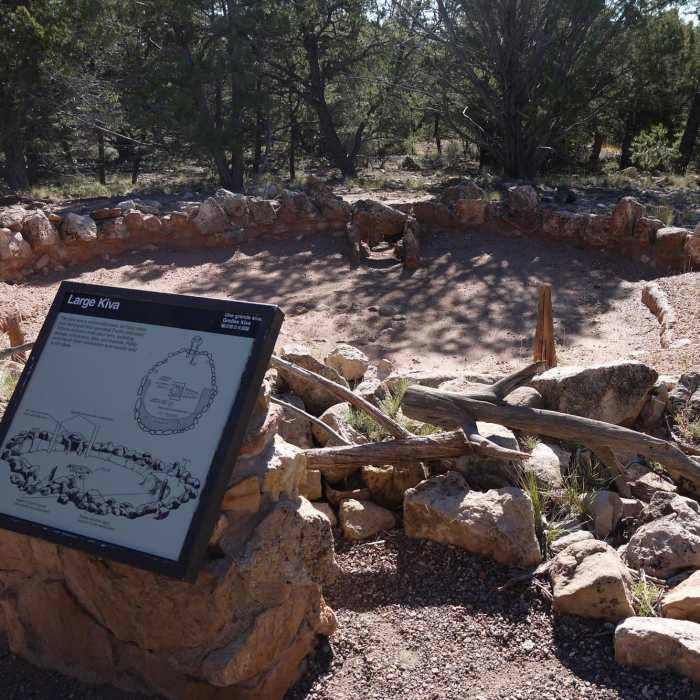
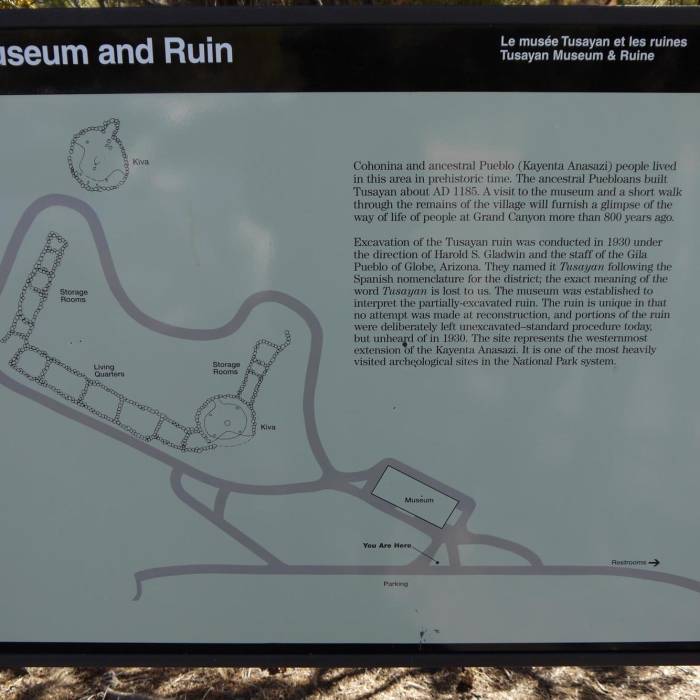
Please respect this place as you would your own home. Do not walk or stand on the walls or enter the rooms. Many stories of the past preserved here have yet to unfold. The rocks and relics tell the stories. The artifacts and the context in which they are found allow archeologists to interpret the lives of these people. Not only will disturbing the site destroy valuable information, it is illegal. The high desert vegetation is also fragile;stay on the trails.What attracted people to settle here? Everyone needs food, water, and shelter. How were these needs met? Wild foods and game supplemented cultivated corn, beans, and squash. Inhabitants may have walked several miles to water or did other sources exist 800 years ago? How would you use the local resources to build your shelter? What would be its primary function? In a land of limited resources, how would you interact with your neighbors? As you walk around the ruins, remember that the history of these people and their culture exists only through the artifacts found at this and similar sites and through the stories of their descendants. You'll notice that many statements in the brochure and on the signs begin with perhaps, it seems, or maybe. There are few definitive answers.
People have lived on the Colorado Plateau for thousands of years. The Paleo-Indians, nomadic hunter/gatherers who lived here 5,000-10,000 years ago, left the earliest evidence. The nomadic Archaic Cultures which followed produced split twig figurines which they hid in canyon caves. With the introduction of agriculture about 2000 years ago, villages (pueblos) like this one developed.Tree ring studies indicate that people lived here for about twenty years beginning around A.D. 1185. The style of buildings and artifacts is typical of the ancestral Puebloan culture. This ruin is one of 4,300 archeological sites recorded within Grand Canyon National Park. Neighboring pueblos may indicate a cooperative effort among families.
No Condition Reports
Contributors