Ready to explore this trail?
View Trail Map in AppPath Type
Loop
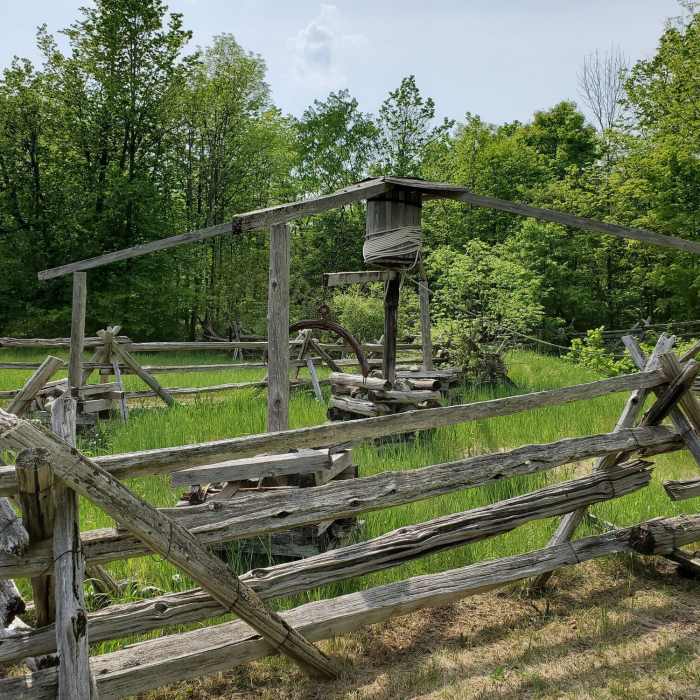
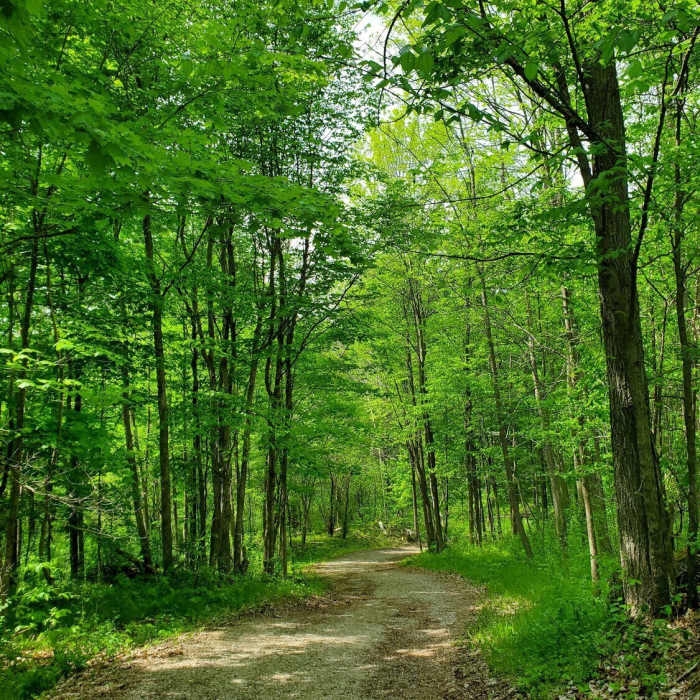
The first stretch of the Silver Queen Mine Trail is rather uninteresting: a wide wagon trail. There are interpretive signs along the way which speak of mining operations in the settler period.You'll reach a turnoff for Beaver Pond Trail (go straight), and then almost immediately after that, a turnoff with a sign for the Silver Queen Mine. Turn left.You'll soon come across the western mine, which is closed. If you continue onward another 30m, you'll find the Silver Queen Mine itself. During normal hours, this is open for tours and visitors; check with the park authority.Around here, you'll see several historical displays including a miner's bunkhouse, a horse-powered winch, and several test mines. When you're ready to return, head back down the Silver Queen Mine Trail, but this time, turn right on the Beaver Pond Trail and follow it as it turns into the Rideau Trail. Follow it left and back to where you started.
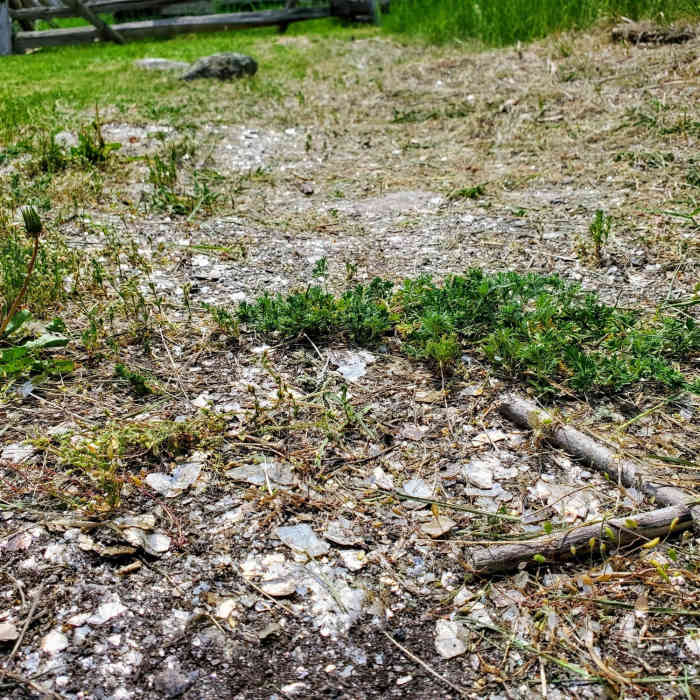
Early settlers to the area were dismayed to find that the ground was hard and rocky, not fertile for farming. So they turned to other avenues of income: logging for some, mining for others. It was discovered that the region was rich in Apatite, Mica and Feldspar. Apatite, rich in phosphorous, was mined and ground for fertilizer. Mica, with its thin, transparent mineral sheets, was used for woodstove windows and as insulators. As the economic value of these minerals was recognized, farmers began scouring their lands for accessible veins. Thus a mining economy was born.
No Condition Reports
Contributors