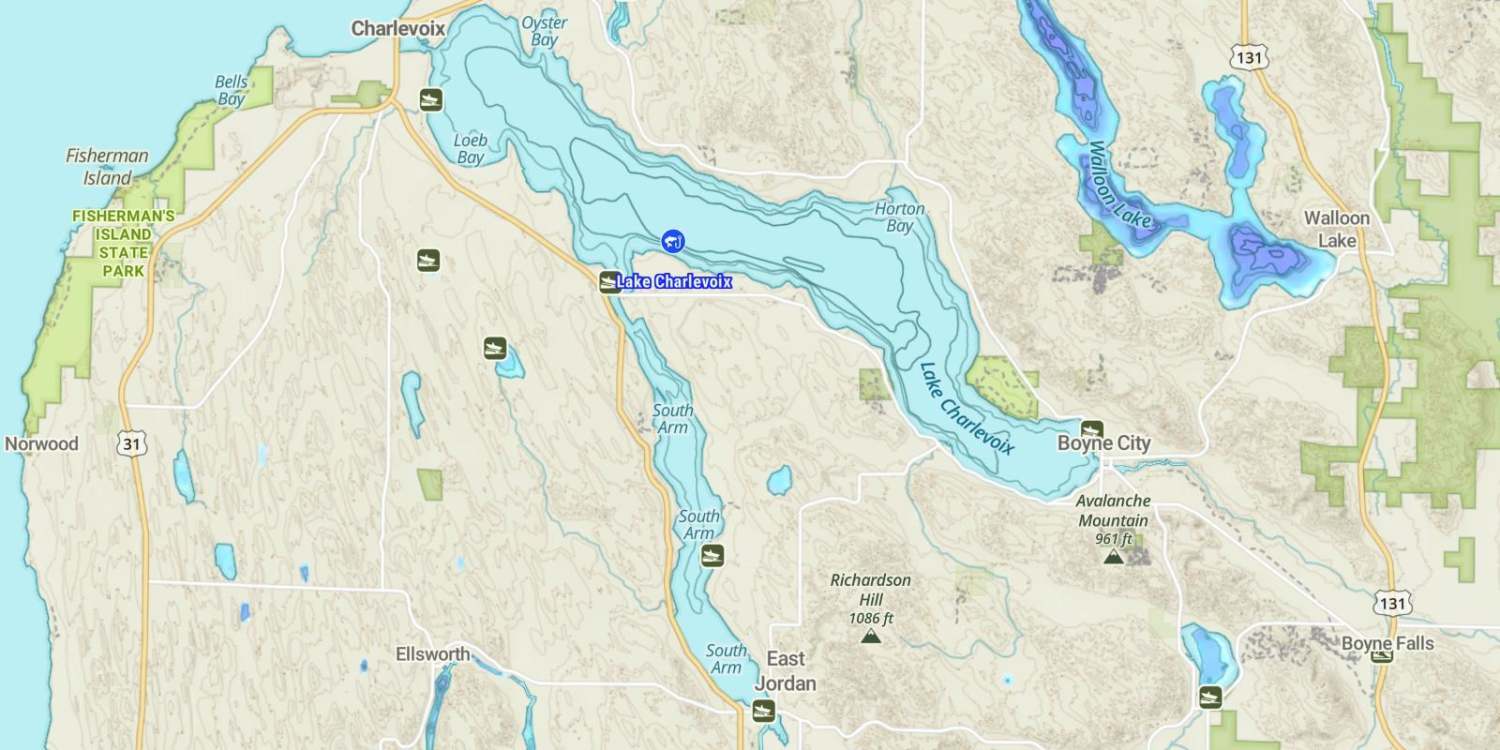
Lake Charlevoix

Lake Charlevoix

Size
17,331ac
Boat Launch
Yes
Carry-in Launch
No
Toilet
Yes
Boat Dock
No
Species in Lake Charlevoix
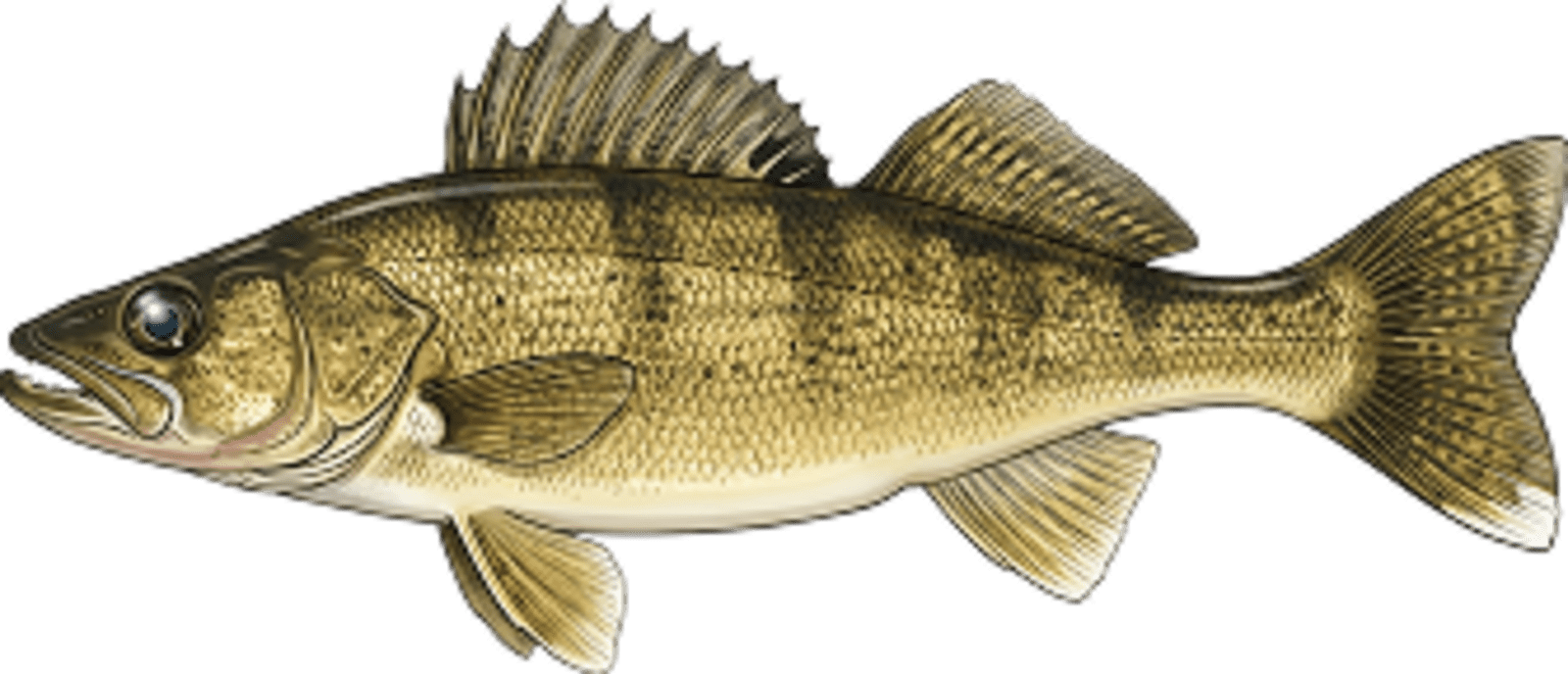
Walleye
Walleye
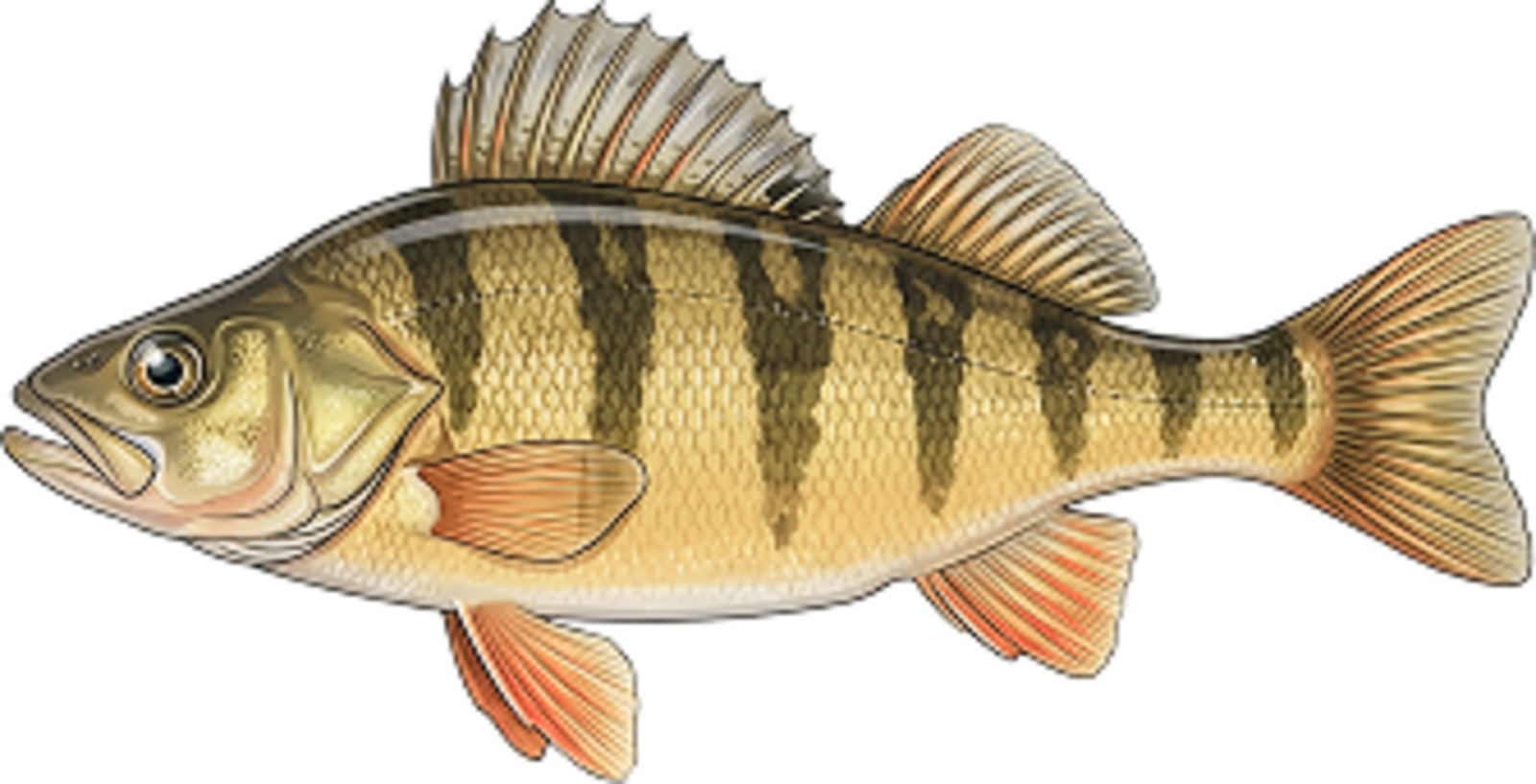
Perch
Perch
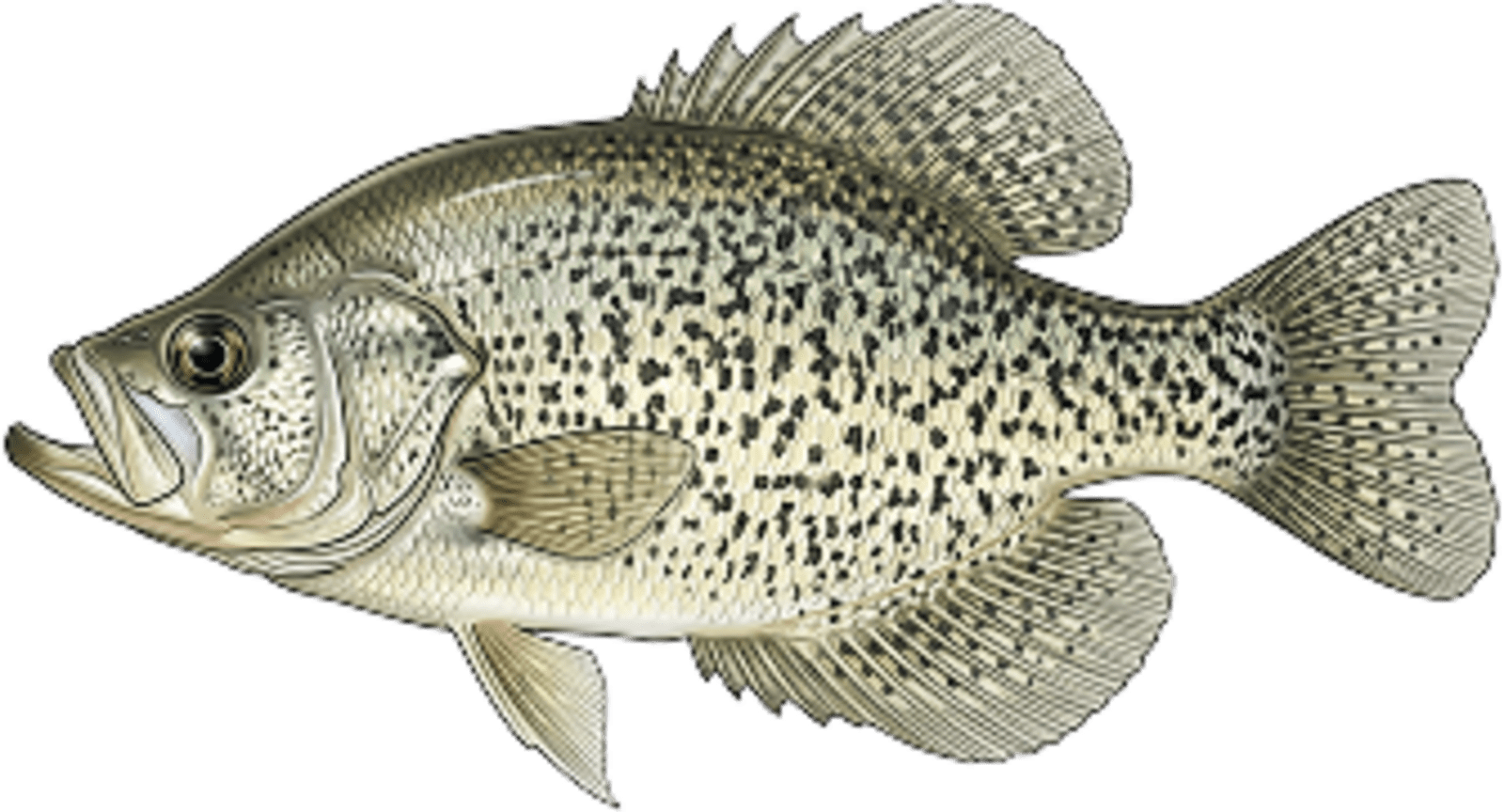
Crappie
Crappie
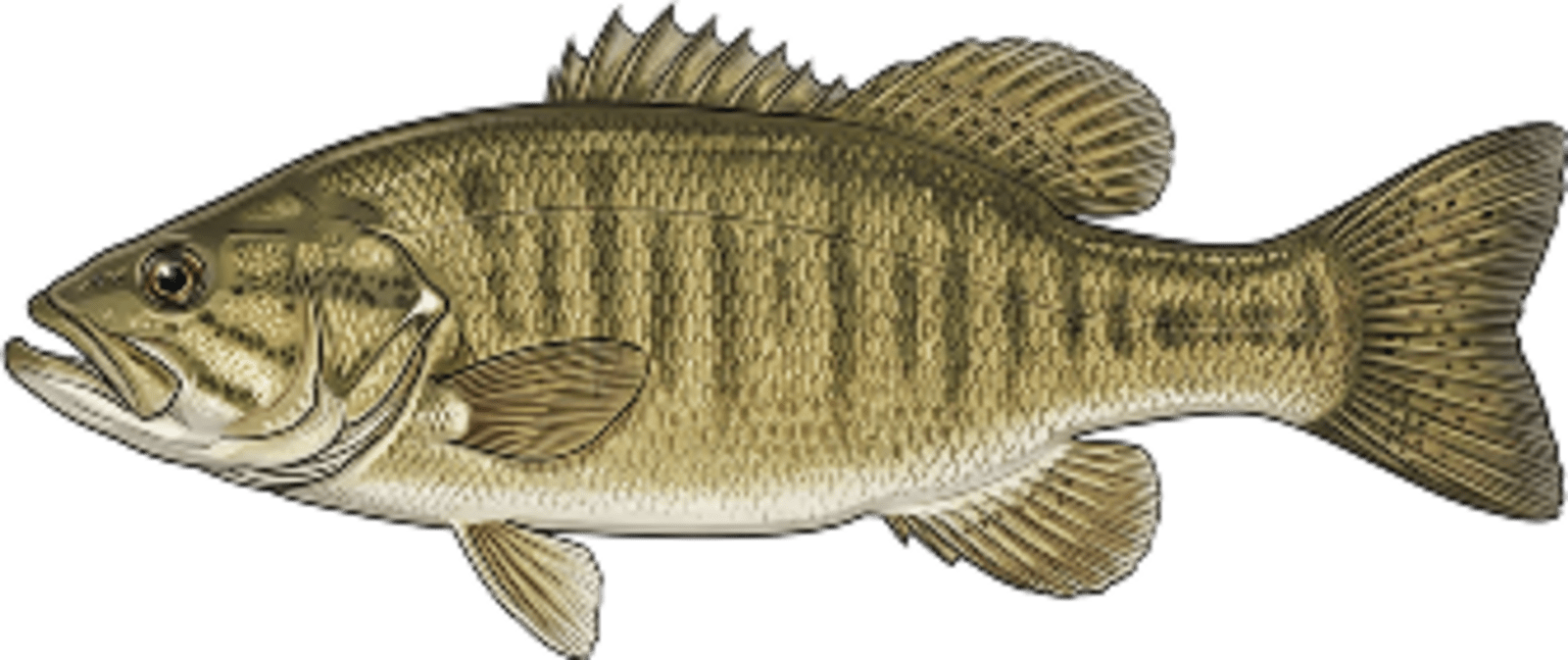
Smallmouth bass
Smallmouth bass
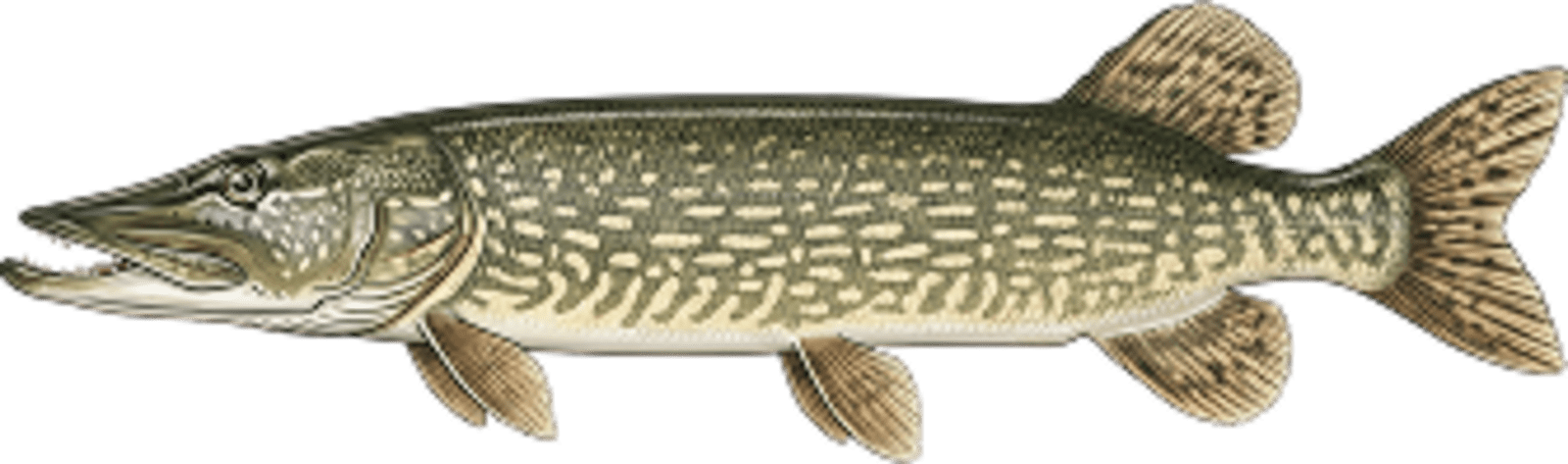
Northern pike
Northern pike
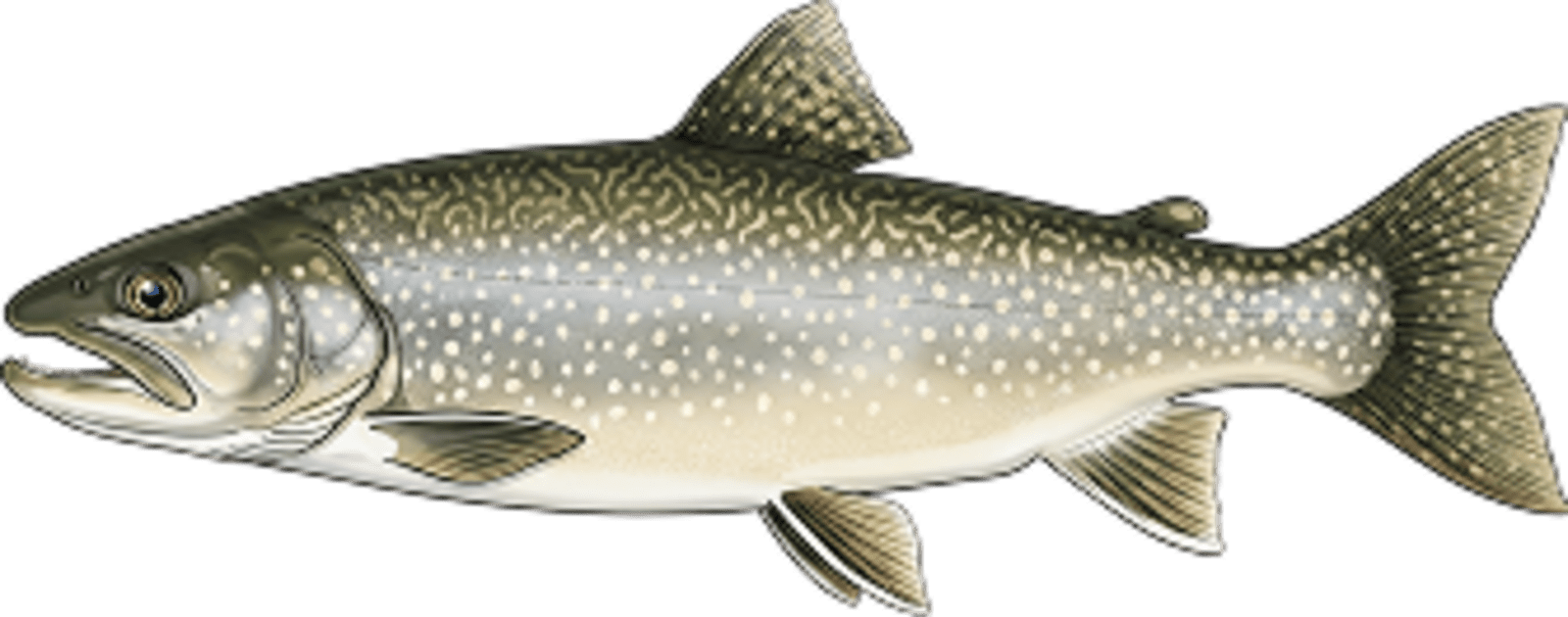
Lake trout
Lake trout
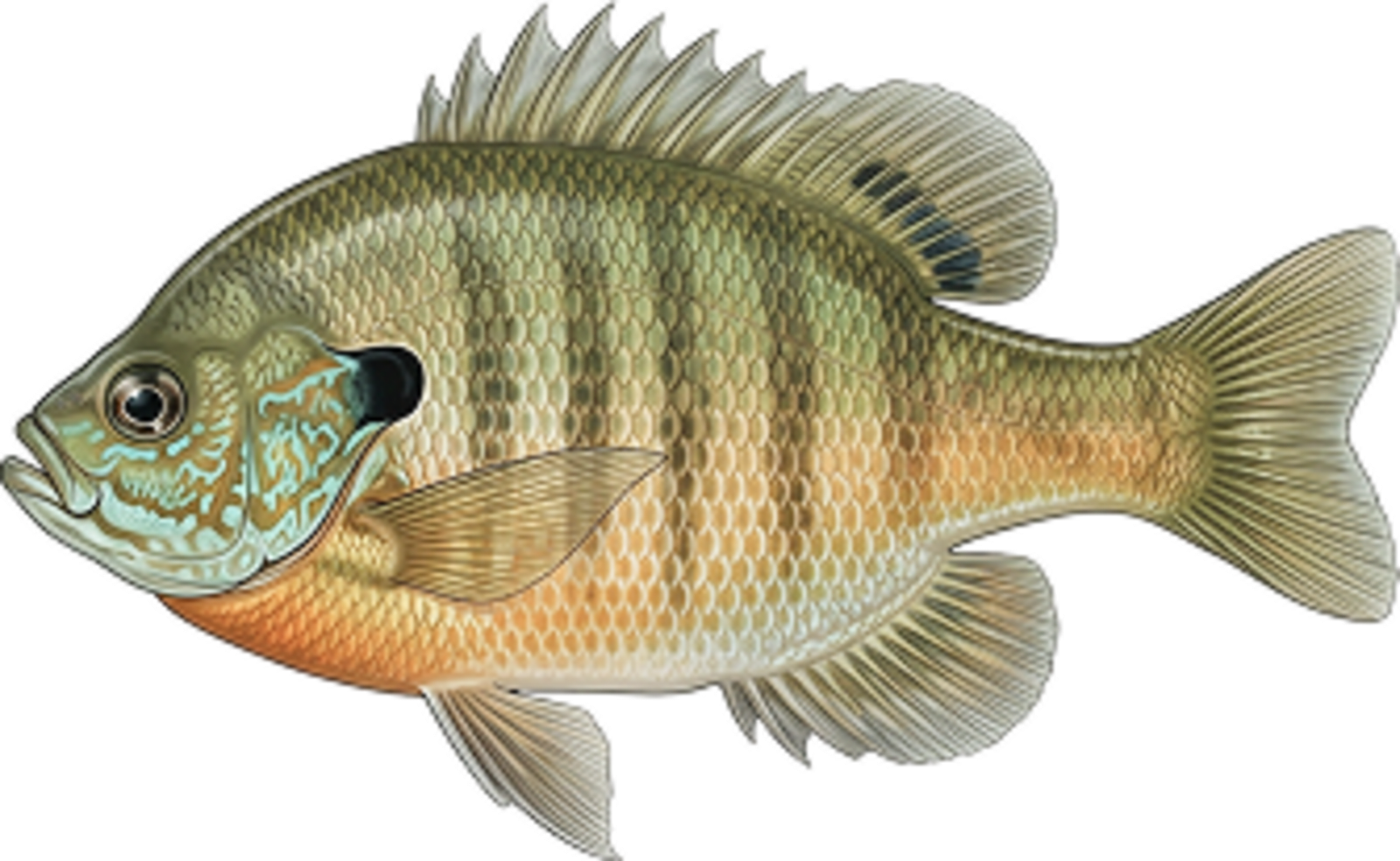
Bluegill
Bluegill
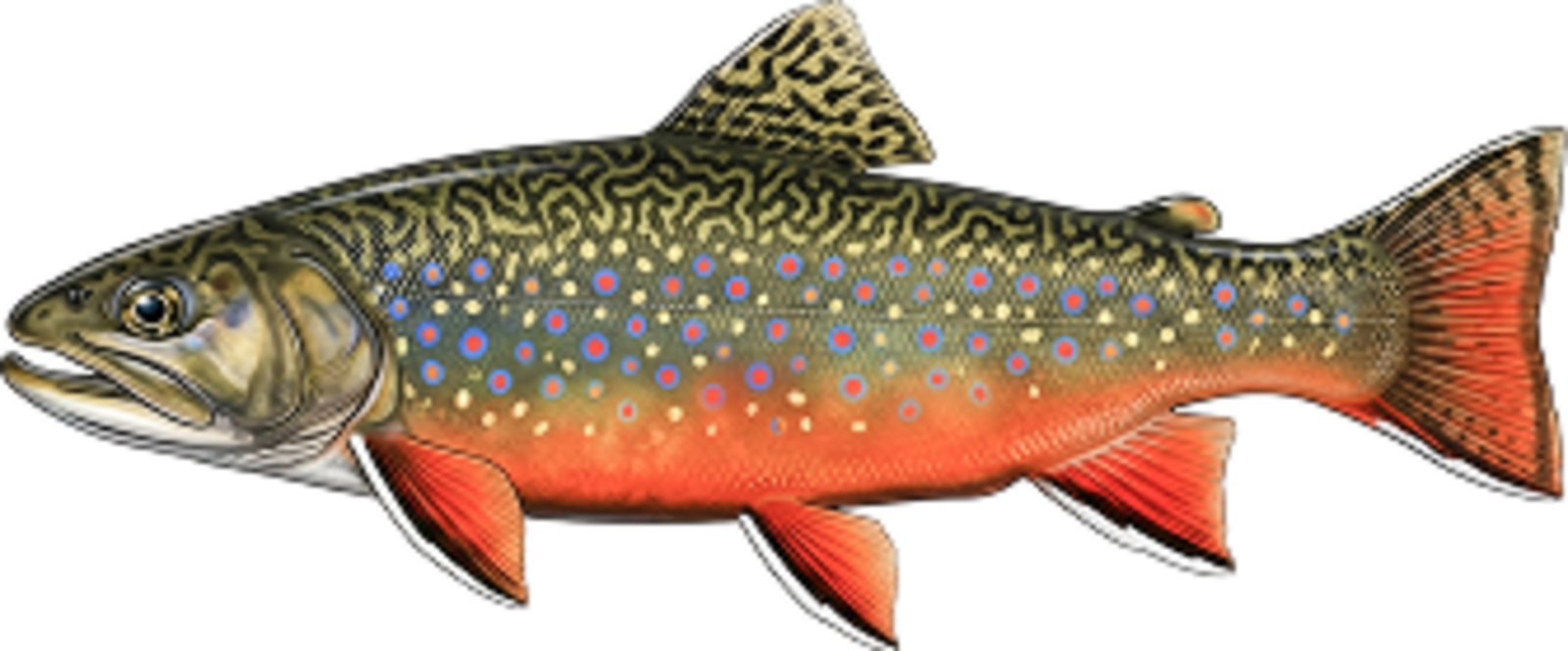
Brook trout
Brook trout
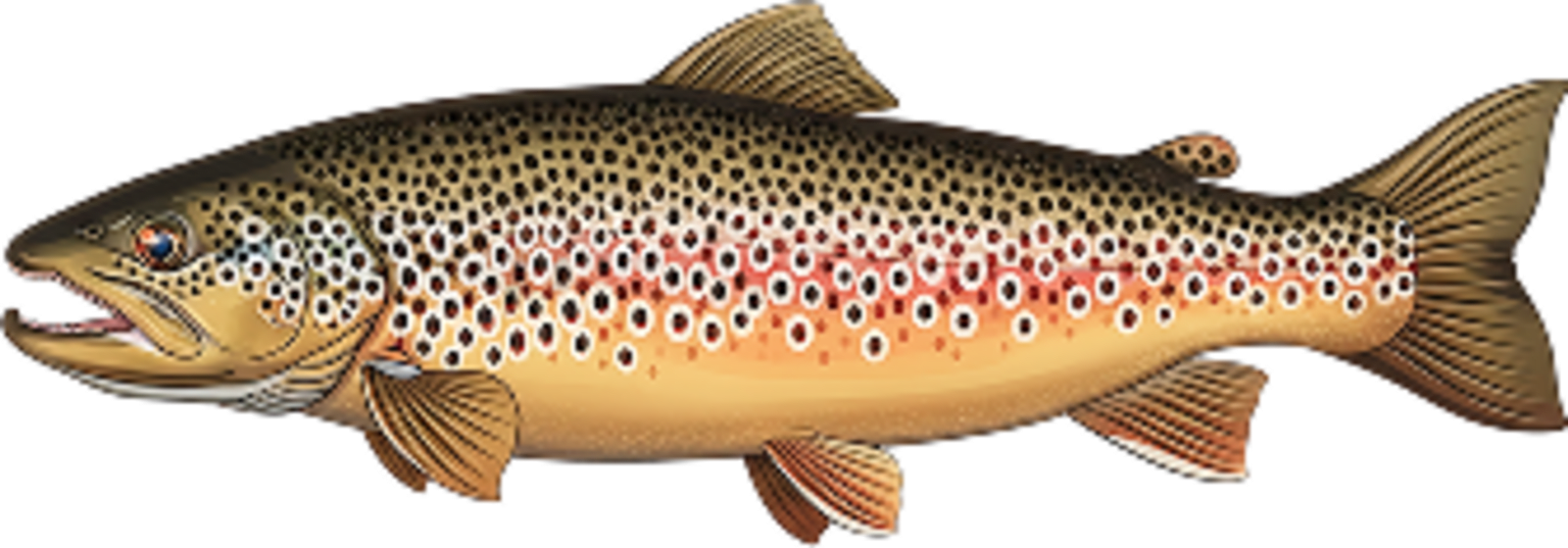
Brown trout
Brown trout
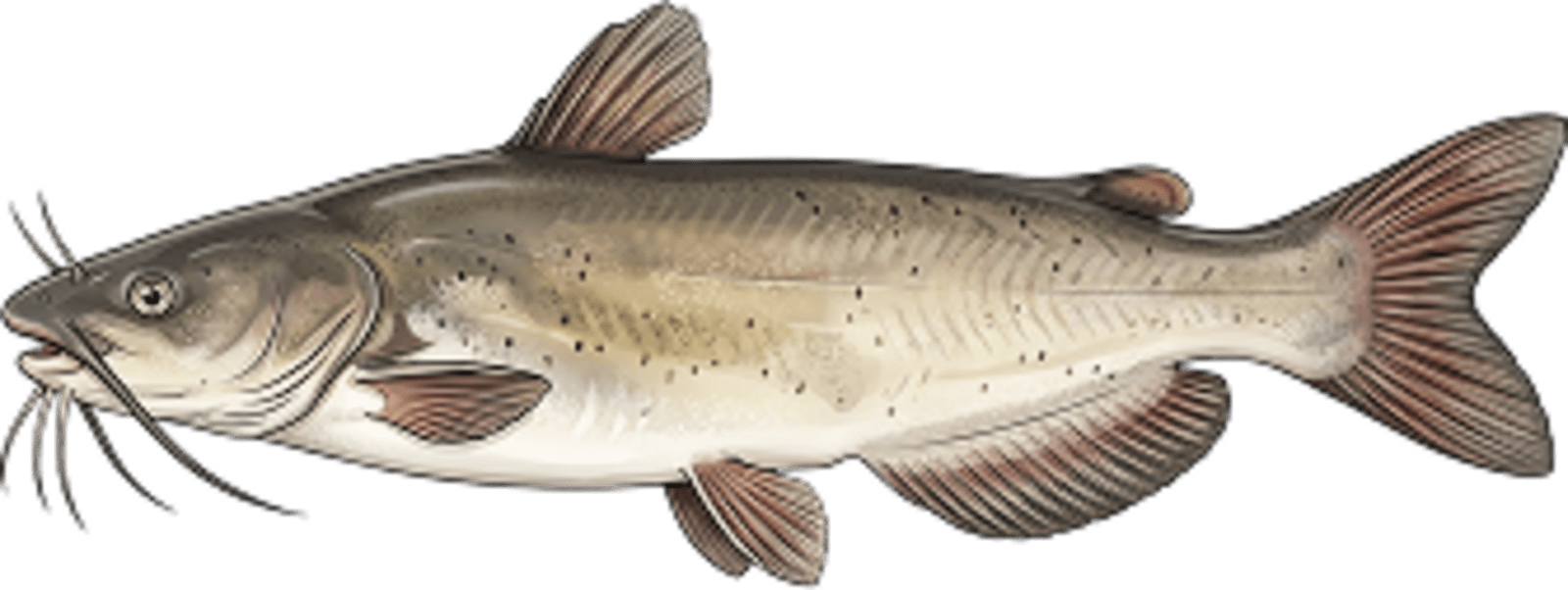
Channel catfish
Channel catfish
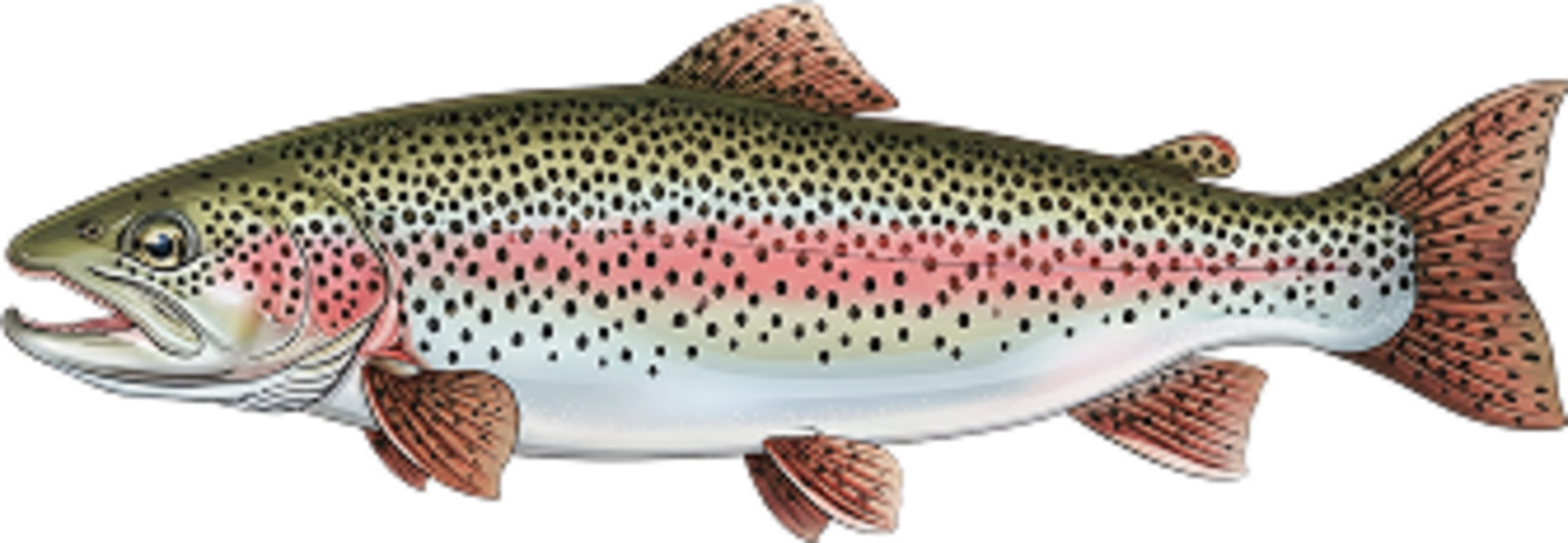
Rainbow trout
Rainbow trout

Overview

Numbers of quality smallmouth are found in the long stretches of rocky shorelines that provide great habitat. Fish in the 6-pound range have been caught. Michigan's third largest inland lake.

Lake Charlevoix Map

Features

Lake Charlevoix is Michigan’s third largest inland lake and is very popular with recreational boaters and fishermen alike. There is a navigable channel that connects Lake Charlevoix to Lake Michigan via Round Lake at the city of Charlevoix. The Ironton Ferry operates across the 586-foot wide channel between the two shores of the South Arm at the Narrows. The ferry runs from 6 a.m. to 10 p.m. and is operated by Charlevoix County. There is a no-wake zone throughout the Ironton Narrows and Round Lake. There are a few shipwrecks in the lake but none more famous than the wreck of the old lumber barge, the Keuka. It went down in 1932 off the Ferry Beach in about 50 feet of water and is a favorite of scuba divers.

Forage

Alewife, smelt, spottail shiner, gizzard shad, golden shiner, emerald shiner and juvenile perch.

Seasonal Movements

Walleye make spawning runs up the various inlet creeks once water temperatures reach 44 degrees, typically in May. Some spawning takes place along gravel shorelines. The gravel shorelines are also used by spawning smallmouth bass in mid-to-late June. The Boyne River is a busy migration area for a number of species at several times of the year. Steelhead migrate up the Boyne 3 1/2 miles to the power dam three times of the year. Steelhead move into the river in spring and again in fall. Summer-run steelhead(skamania) are present during the warmer months. Fall is by far the busiest time in the Boyne. Brown trout and chinook salmon will run first, followed by coho salmon in late November. Lake trout spawn in fall on the shallower reefs. Loeb Point is a known laker spawning ground and fish can be located in as little as 6 to 30 feet of water. Fish from Lake Charlevoix are prevented from moving up the Jordan River by a weir placed at the river mouth. Salmon runs negatively impact the native brook trout population in the Jordan. The Jordan weir is closed from Labor Day to November 1. Coho salmon run the Jordan during late November and early December when there is open passage. Porter and Horton creeks also receive good runs of brown trout from mid October through early December. Porter also hosts a good run of smelt in mid-to-late April.
Waterbody poster background

logo

Get Your Line in the Right Water

Quickly find the best places to fish and plan your day right.

Fish Species

Bluegill
fish
No survey data
Abundance (CPUE)
No abundance data
Understanding Abundance

Abundance ratings are based on Catch Per Unit Effort (CPUE) measurements conducted by the MN DNR, and represent a snapshot of a species population at a given point in time.

Source: Minnesota Department of Natural Resources. Survey cadence may vary by state and water body.
Species Lengths
No Survey Data
Brook trout
fish
No survey data
Abundance (CPUE)
No abundance data
Understanding Abundance

Abundance ratings are based on Catch Per Unit Effort (CPUE) measurements conducted by the MN DNR, and represent a snapshot of a species population at a given point in time.

Source: Minnesota Department of Natural Resources. Survey cadence may vary by state and water body.
Species Lengths
No Survey Data
Brown trout
fish
No survey data
Abundance (CPUE)
No abundance data
Understanding Abundance

Abundance ratings are based on Catch Per Unit Effort (CPUE) measurements conducted by the MN DNR, and represent a snapshot of a species population at a given point in time.

Source: Minnesota Department of Natural Resources. Survey cadence may vary by state and water body.
Species Lengths
No Survey Data
Channel catfish
fish
No survey data
Abundance (CPUE)
No abundance data
Understanding Abundance

Abundance ratings are based on Catch Per Unit Effort (CPUE) measurements conducted by the MN DNR, and represent a snapshot of a species population at a given point in time.

Source: Minnesota Department of Natural Resources. Survey cadence may vary by state and water body.
Species Lengths
No Survey Data
Crappie
fish
No survey data
Abundance (CPUE)
No abundance data
Understanding Abundance

Abundance ratings are based on Catch Per Unit Effort (CPUE) measurements conducted by the MN DNR, and represent a snapshot of a species population at a given point in time.

Source: Minnesota Department of Natural Resources. Survey cadence may vary by state and water body.
Species Lengths
No Survey Data
Lake trout
fish
No survey data
Abundance (CPUE)
No abundance data
Understanding Abundance

Abundance ratings are based on Catch Per Unit Effort (CPUE) measurements conducted by the MN DNR, and represent a snapshot of a species population at a given point in time.

Source: Minnesota Department of Natural Resources. Survey cadence may vary by state and water body.
Species Lengths
No Survey Data
Northern pike
fish
No survey data
Abundance (CPUE)
No abundance data
Understanding Abundance

Abundance ratings are based on Catch Per Unit Effort (CPUE) measurements conducted by the MN DNR, and represent a snapshot of a species population at a given point in time.

Source: Minnesota Department of Natural Resources. Survey cadence may vary by state and water body.
Species Lengths
No Survey Data
Perch
fish
No survey data
Abundance (CPUE)
No abundance data
Understanding Abundance

Abundance ratings are based on Catch Per Unit Effort (CPUE) measurements conducted by the MN DNR, and represent a snapshot of a species population at a given point in time.

Source: Minnesota Department of Natural Resources. Survey cadence may vary by state and water body.
Species Lengths
No Survey Data
Rainbow trout
fish
No survey data
Abundance (CPUE)
No abundance data
Understanding Abundance

Abundance ratings are based on Catch Per Unit Effort (CPUE) measurements conducted by the MN DNR, and represent a snapshot of a species population at a given point in time.

Source: Minnesota Department of Natural Resources. Survey cadence may vary by state and water body.
Species Lengths
No Survey Data
Smallmouth bass
fish
No survey data
Abundance (CPUE)
No abundance data
Understanding Abundance

Abundance ratings are based on Catch Per Unit Effort (CPUE) measurements conducted by the MN DNR, and represent a snapshot of a species population at a given point in time.

Source: Minnesota Department of Natural Resources. Survey cadence may vary by state and water body.
Species Lengths
No Survey Data
Walleye
fish
No survey data
Abundance (CPUE)
No abundance data
Understanding Abundance

Abundance ratings are based on Catch Per Unit Effort (CPUE) measurements conducted by the MN DNR, and represent a snapshot of a species population at a given point in time.

Source: Minnesota Department of Natural Resources. Survey cadence may vary by state and water body.
Species Lengths
No Survey Data