

Overview
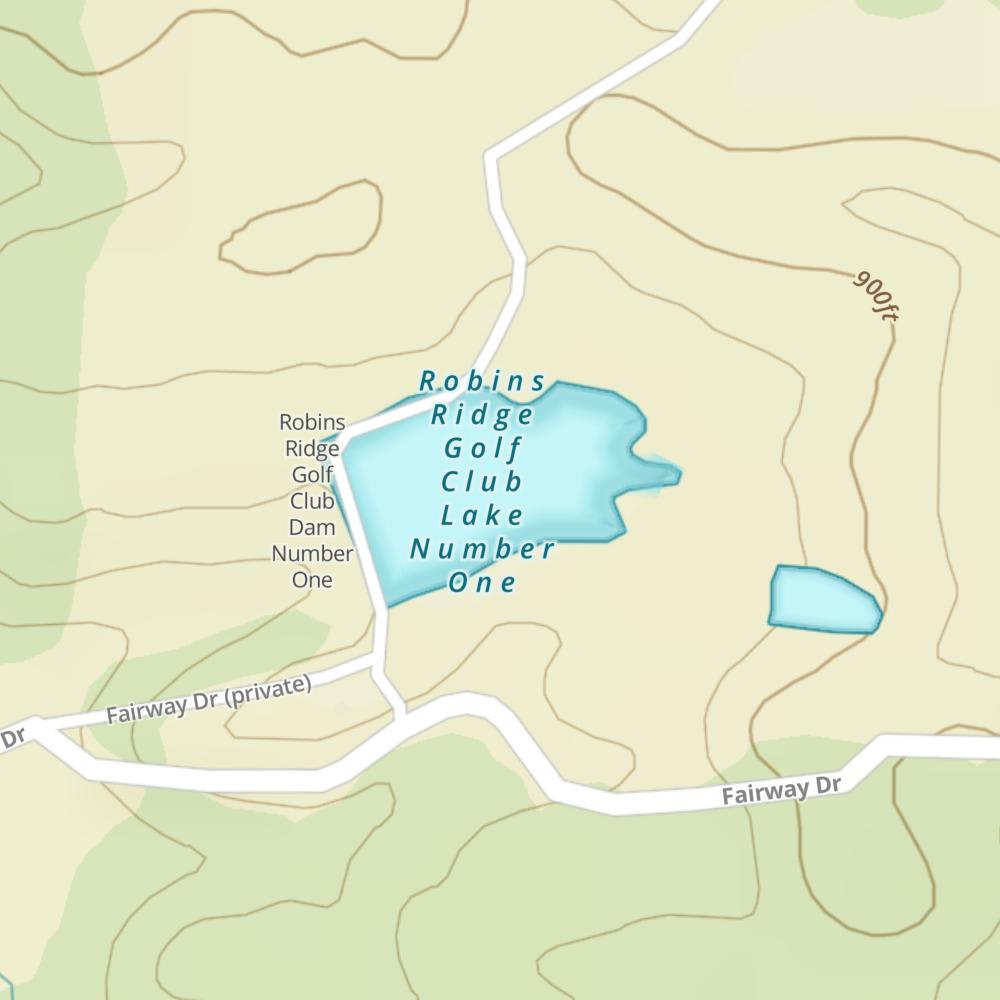
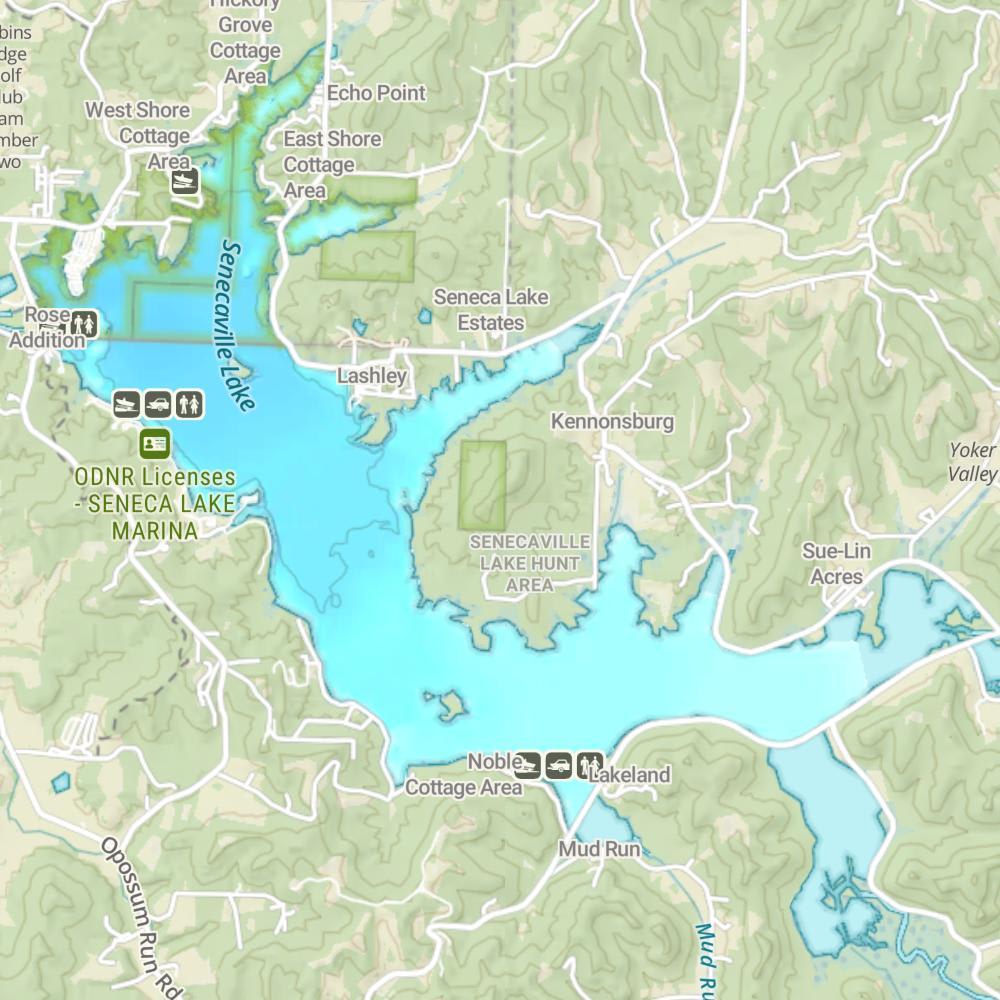
Senecaville Lake Map
Fishing Regulations
Special Fishing Regulations: This lake has special fishing regulations that differ from statewide or border water regulations for those species identified below and take precedence. Regulations listed below are currently in place. Visit the fishing regulations page for links to upcoming regulations for specific lakes.
Special Waterbody Regulations
- Trotlines may be used in Seneca Lake south of State Route 147
- Trotlines may be used in Wills Creek Lake, except in the area directly in front of the Muskingam Watershed Conservancy District boat landing
Special Species Regulations
- Smallmouth Bass: In Seneca Lake, for Smallmouth Bass 15 inches or larger, daily limit = 5
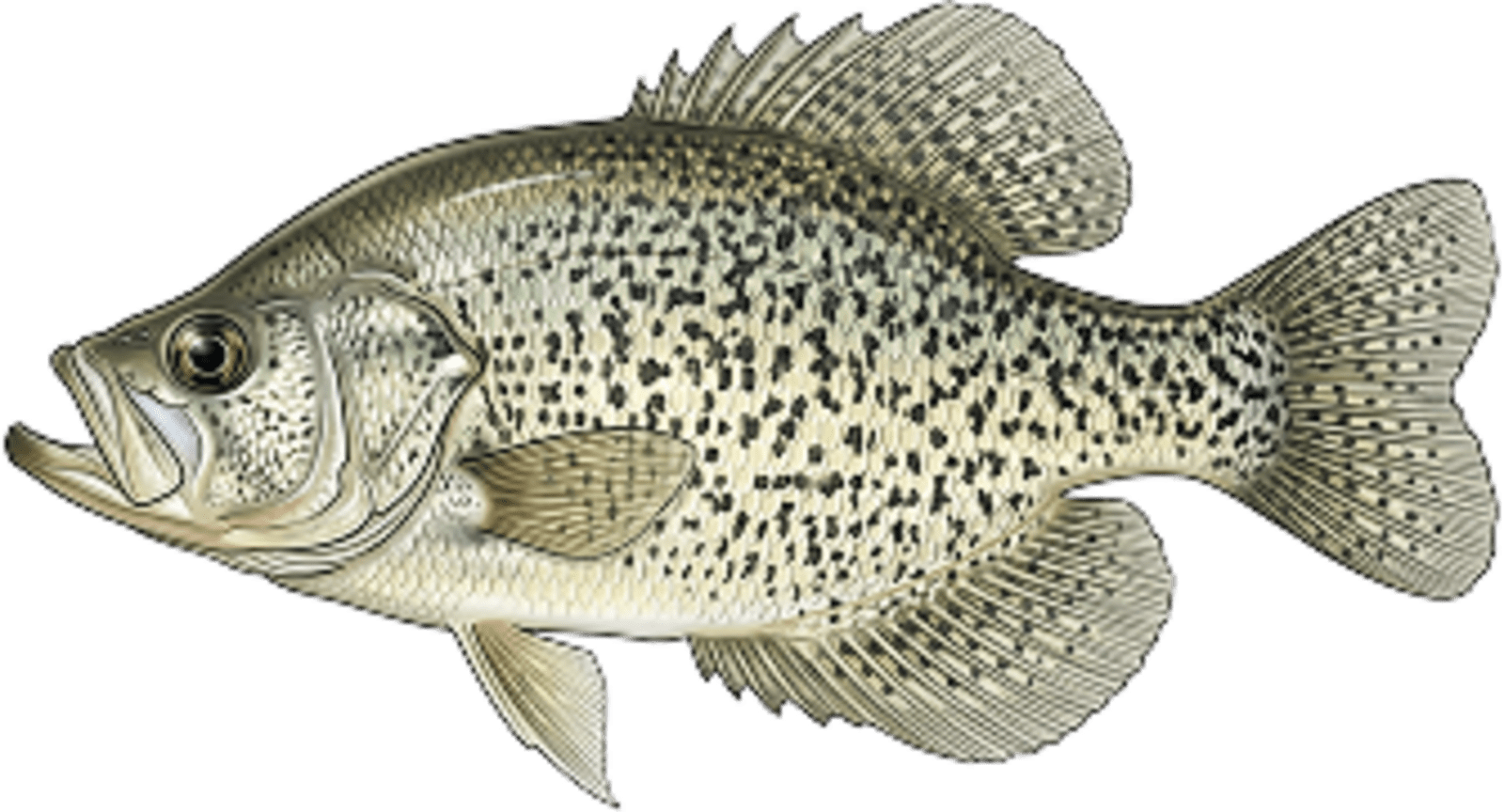
- Black Crappie: In Seneca Lake, for Black Crappie over 9 inches, daily limit = 30
- White Crappie: In Seneca Lake, for White Crappie over 9 inches, daily limit = 30

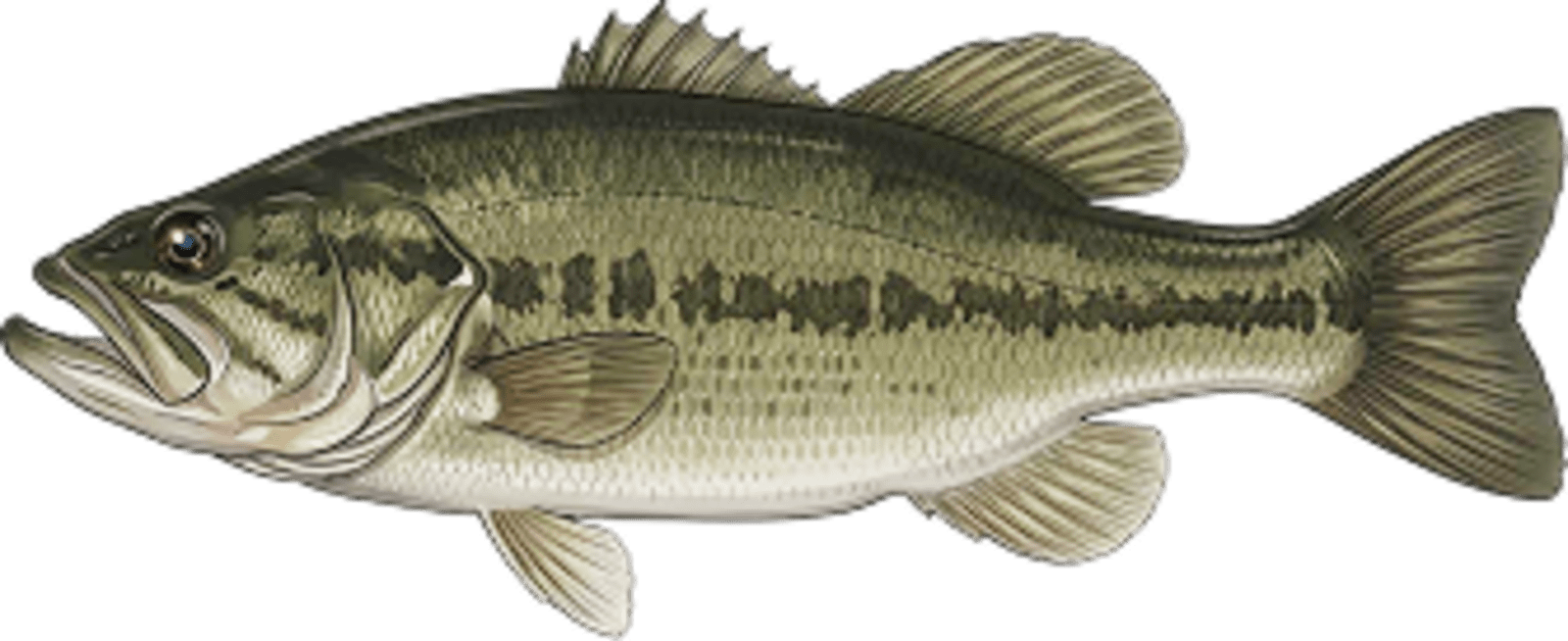
- Largemouth Bass: In Seneca Lake, for Largemouth Bass 15 inches or larger, daily limit = 5
- Spotted Bass: In Seneca Lake, for Spotted Bass 15 inches or larger, daily limit = 5


Get Your Line in the Right Water
Quickly find the best places to fish and plan your day right.
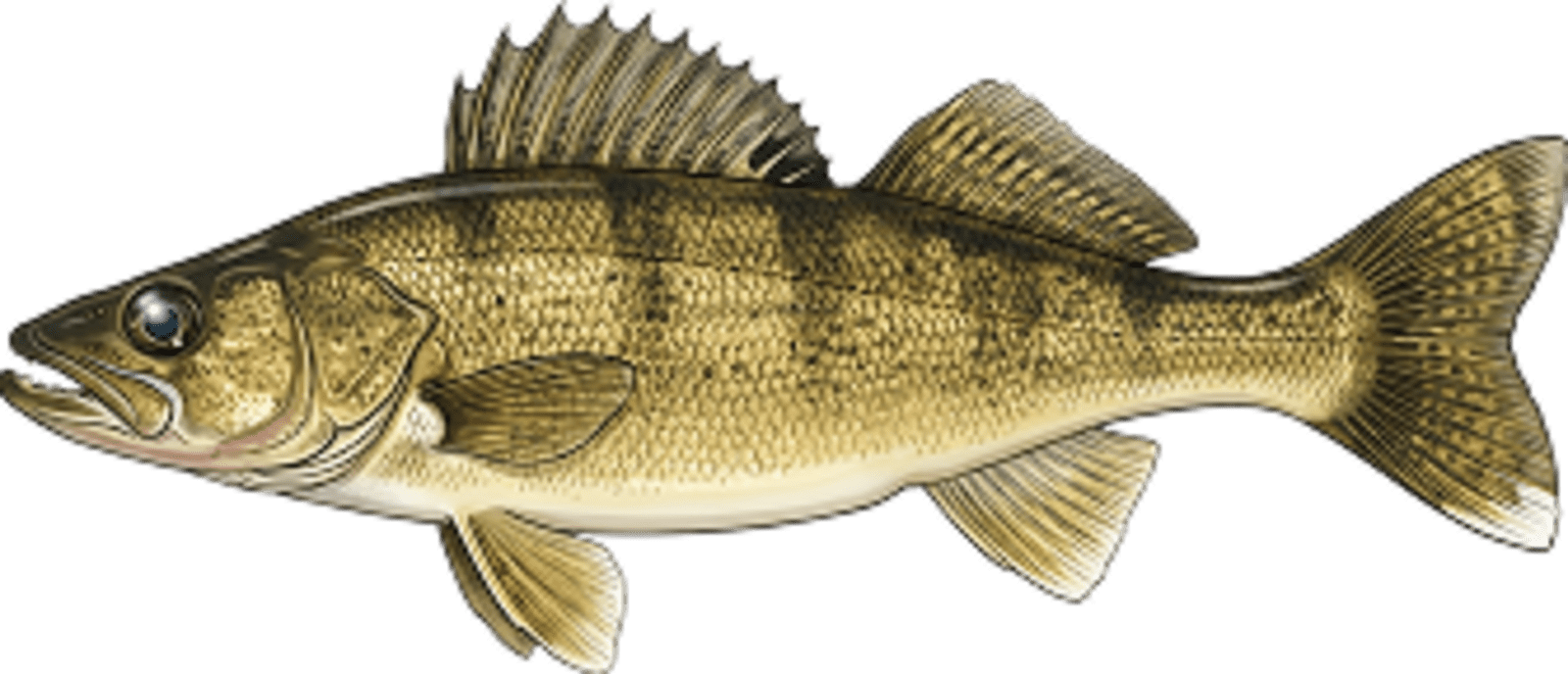
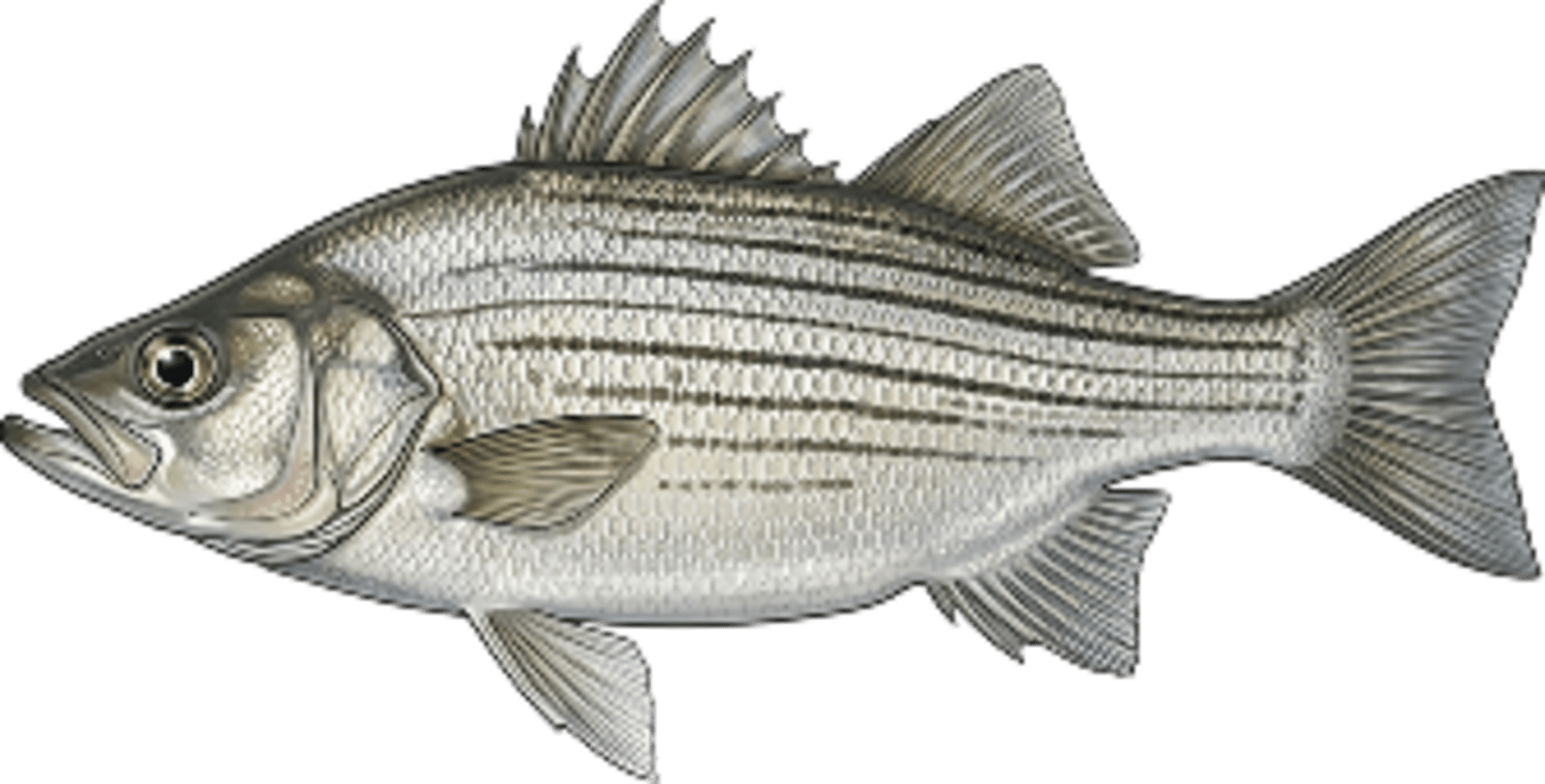
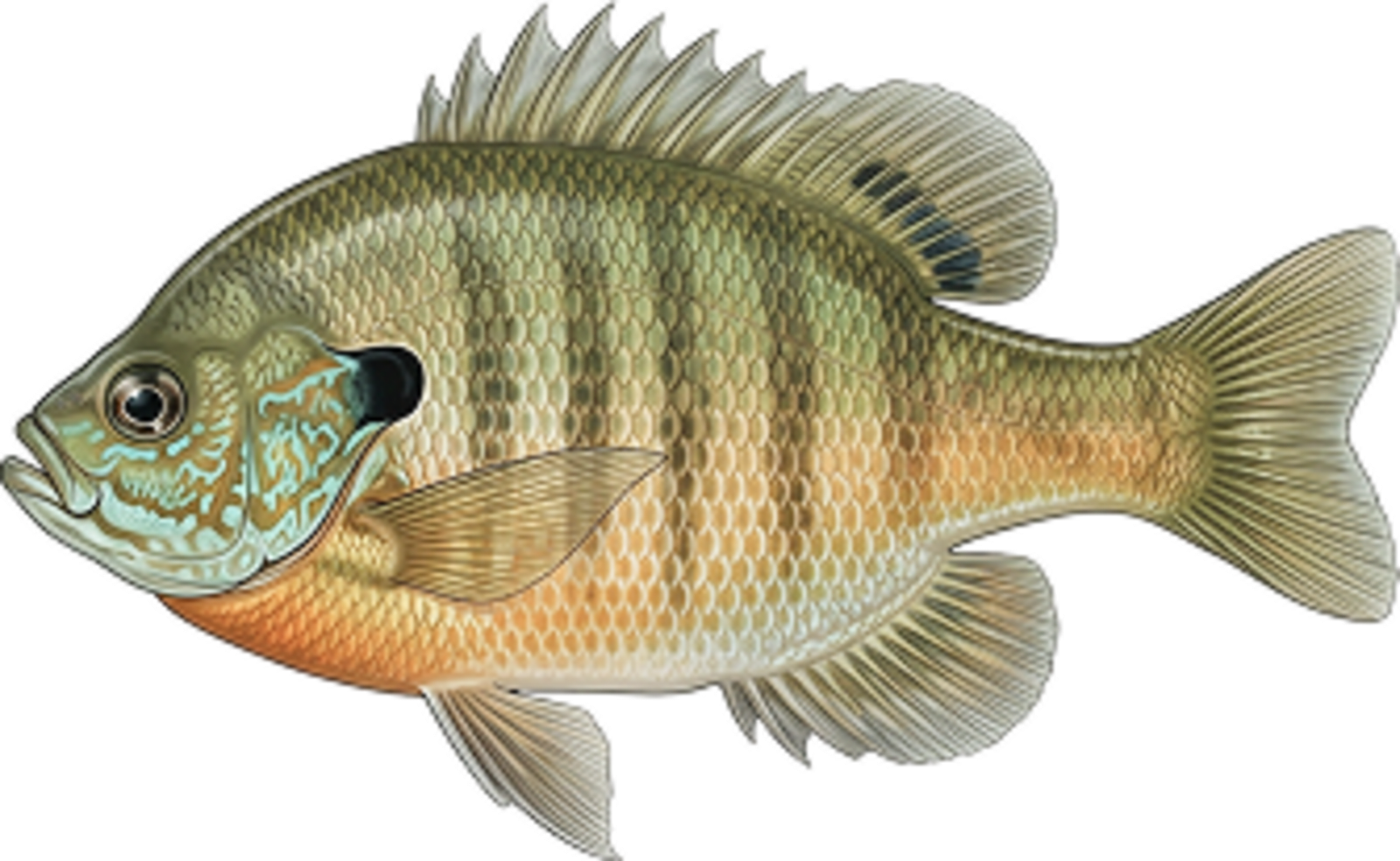
Fish Species

Abundance ratings are based on Catch Per Unit Effort (CPUE) measurements conducted by the MN DNR, and represent a snapshot of a species population at a given point in time.
Source: Minnesota Department of Natural Resources. Survey cadence may vary by state and water body.
Abundance ratings are based on Catch Per Unit Effort (CPUE) measurements conducted by the MN DNR, and represent a snapshot of a species population at a given point in time.
Source: Minnesota Department of Natural Resources. Survey cadence may vary by state and water body.
Abundance ratings are based on Catch Per Unit Effort (CPUE) measurements conducted by the MN DNR, and represent a snapshot of a species population at a given point in time.
Source: Minnesota Department of Natural Resources. Survey cadence may vary by state and water body.
Abundance ratings are based on Catch Per Unit Effort (CPUE) measurements conducted by the MN DNR, and represent a snapshot of a species population at a given point in time.
Source: Minnesota Department of Natural Resources. Survey cadence may vary by state and water body.| Survey Year | Largest Fish (in) |
|---|---|
| 2023 | 14 |

Abundance ratings are based on Catch Per Unit Effort (CPUE) measurements conducted by the MN DNR, and represent a snapshot of a species population at a given point in time.
Source: Minnesota Department of Natural Resources. Survey cadence may vary by state and water body.
Abundance ratings are based on Catch Per Unit Effort (CPUE) measurements conducted by the MN DNR, and represent a snapshot of a species population at a given point in time.
Source: Minnesota Department of Natural Resources. Survey cadence may vary by state and water body.
Abundance ratings are based on Catch Per Unit Effort (CPUE) measurements conducted by the MN DNR, and represent a snapshot of a species population at a given point in time.
Source: Minnesota Department of Natural Resources. Survey cadence may vary by state and water body.
Abundance ratings are based on Catch Per Unit Effort (CPUE) measurements conducted by the MN DNR, and represent a snapshot of a species population at a given point in time.
Source: Minnesota Department of Natural Resources. Survey cadence may vary by state and water body.
Abundance ratings are based on Catch Per Unit Effort (CPUE) measurements conducted by the MN DNR, and represent a snapshot of a species population at a given point in time.
Source: Minnesota Department of Natural Resources. Survey cadence may vary by state and water body.| Survey Year | Largest Fish (in) |
|---|---|
| 2023 | 17 |