Size
NA
Boat Launch
Carry-in Launch
Toilet
No
Boat Dock
Species in Hurricane Creek
Overview
Illinois' largest lake, featuring largemouth, catfish, white bass and crappie. Walleye, bluegill and a few hybrid stripers available too. Good public use facilities. 26,000 acres
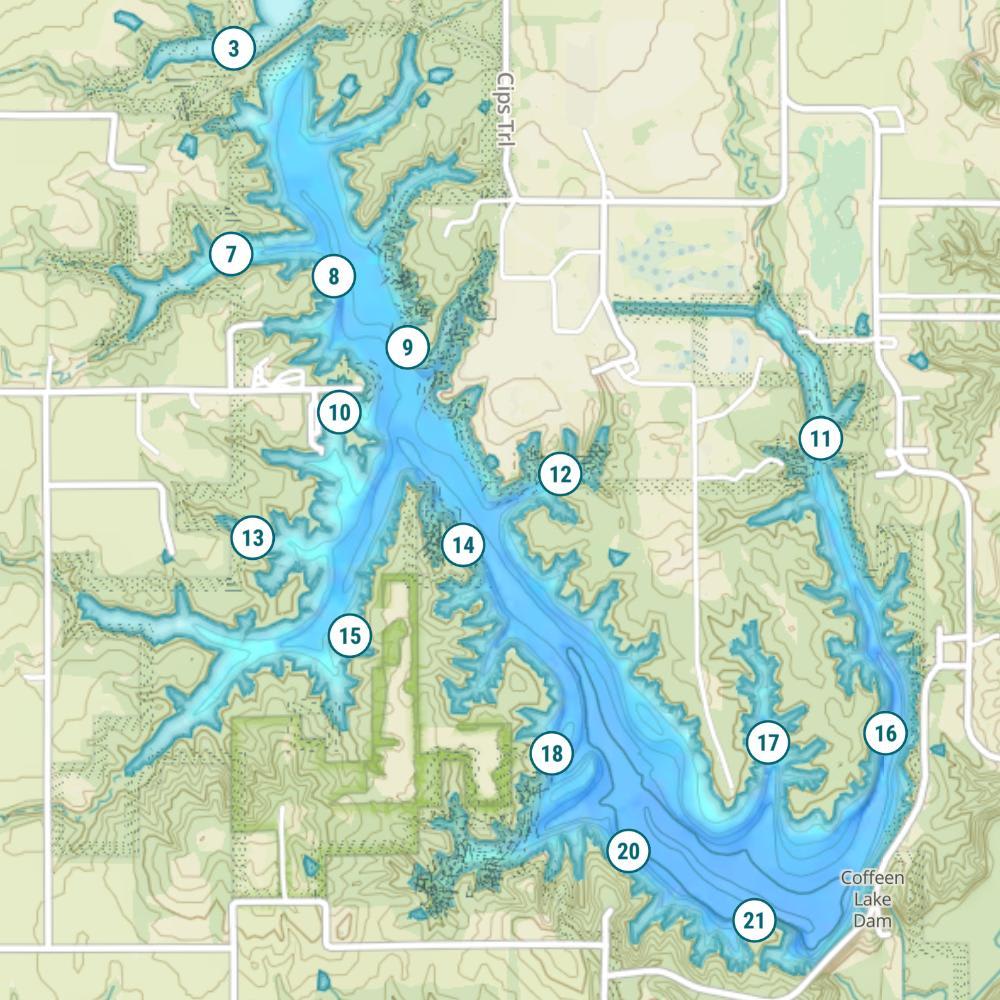
Hurricane Creek Map
Features
Completed in 1967, Carlyle is the largest man-made reservoir in Illinois. The 6,507-foot long Carlyle Dam and reservoir are used to maintain adequate water flow downstream in the Kaskaskia and Mississippi Rivers.--In recent years, Carlyle's excellent largemouth bass population has attracted attention from anglers throughout the Midwest. The Burlington Northern Railroad tracks span the impoundment, creating a division between the upper and lower portions of the system. The upper portion (approximately one-third of the lake) seasonally offers excellent bass, crappie, bluegill and channel catfish.--Additionally, Carlyle Lake is popular with sail boaters because low surrounding hills do little to block strong winds from the open water. Weekend sailboat traffic can be heavy, and power boaters must remember to yield the right-of-way.--The same features that make Carlyle popular for sailing also can result in very rough water. When winds are more than 15 miles per hour, the reservoir is considered unsafe. Boaters must also watch for floating debris and shallow water throughout the lake. In addition, there are no-wake zones north of the railroad grade, within 600 feet of shore or where marked by buoys.
Forage
Gizzard shad are abundant but become too large to be utilized as forage by the end of their first year. Stocked threadfin shad only grow to about 4 inches and reproduce many times in spring and summer. Other forage includes bullhead minnow, red shiner, brook silverside and other young-of-the-year species. Crayfish, insects and their larvae are preyed upon during periods of abundance.
Seasonal Movements
During spring, sauger and white bass migrate into all large tributaries. As water levels recede, they return to the lake. Catfish move from deep water to shallow stumpy areas or riprap to spawn.

Get Your Line in the Right Water
Quickly find the best places to fish and plan your day right.
Top Fish Species
Largemouth bass
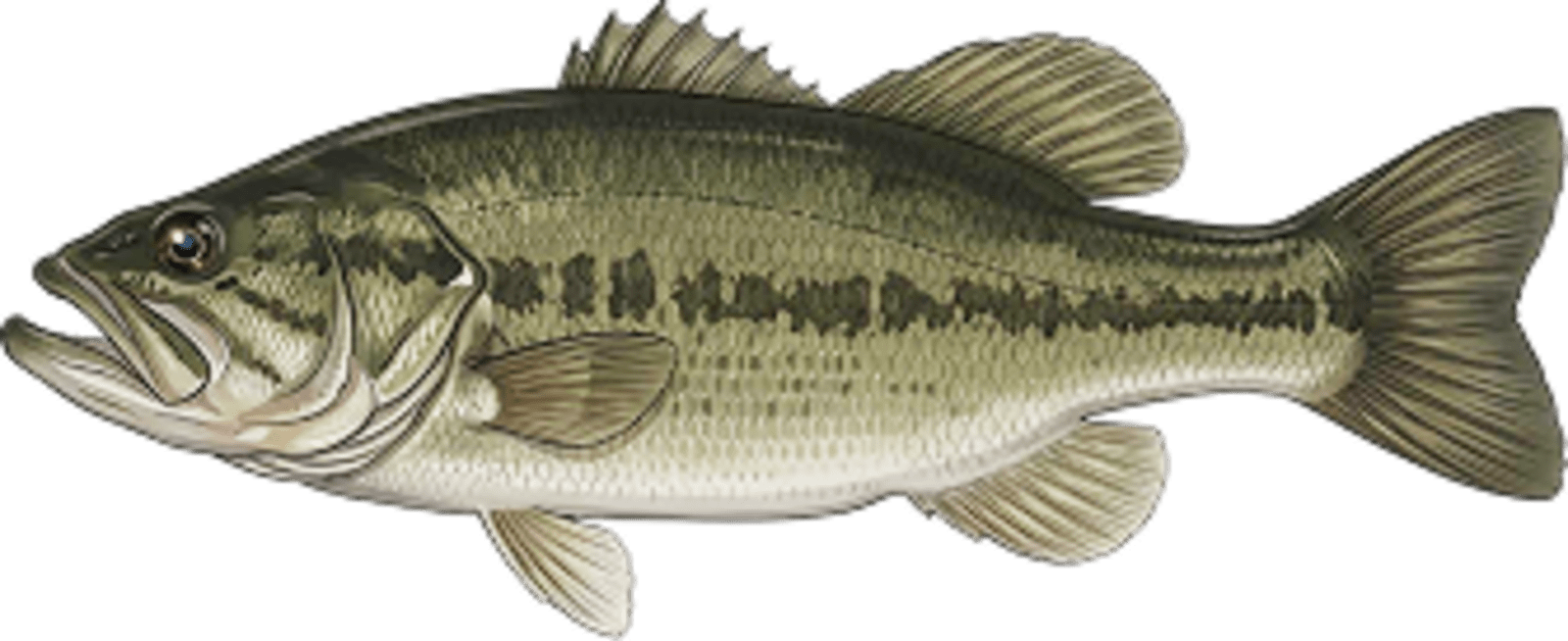
No survey data
Abundance (CPUE)

Understanding Abundance
Abundance ratings are based on Catch Per Unit Effort (CPUE) measurements conducted by the MN DNR, and represent a snapshot of a species population at a given point in time
Source: Minnesota Department of Natural Resources. Survey cadence may vary by state and water body.Species Lengths