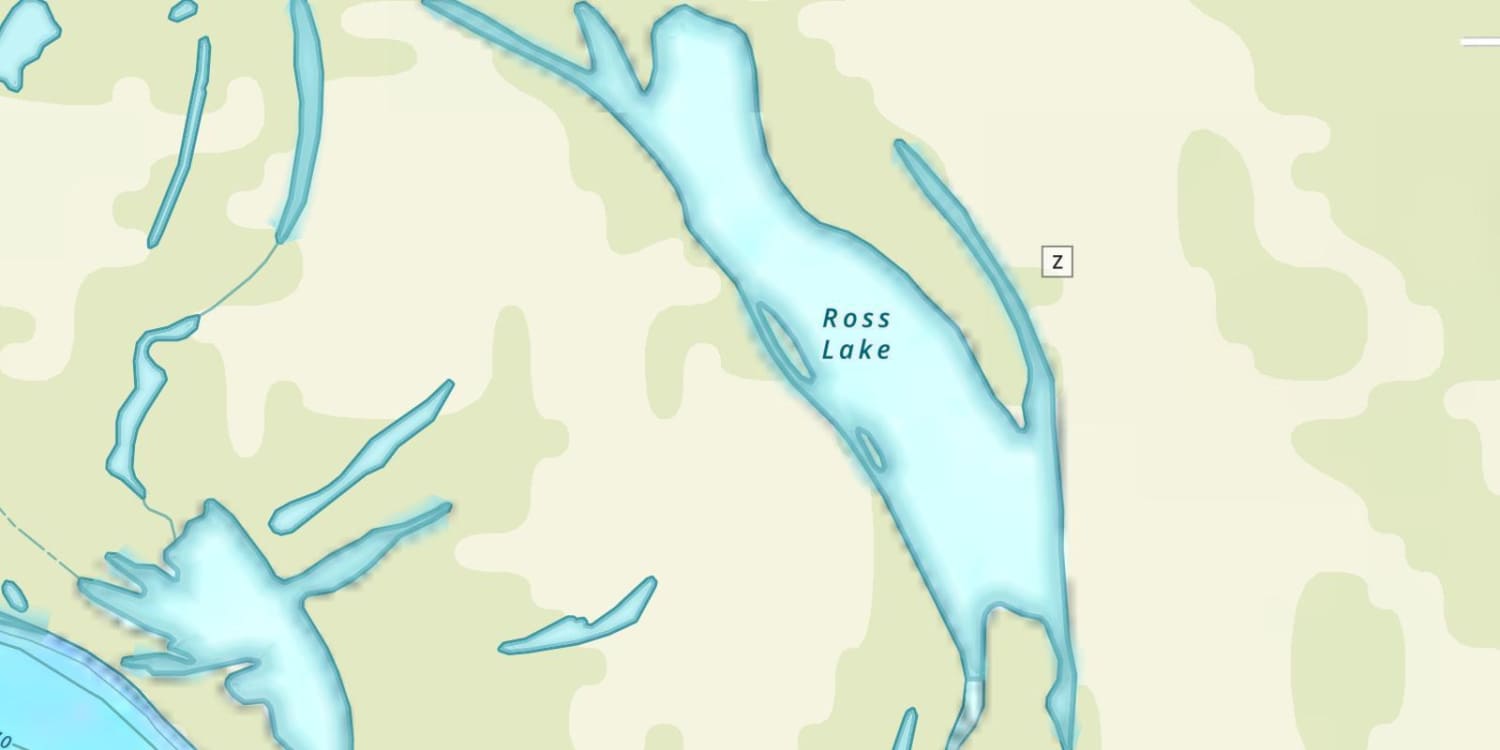
Ross Lake
Size
54ac
Boat Launch
No
Carry-in Launch
No
Toilet
No
Boat Dock
No
Species in Ross Lake
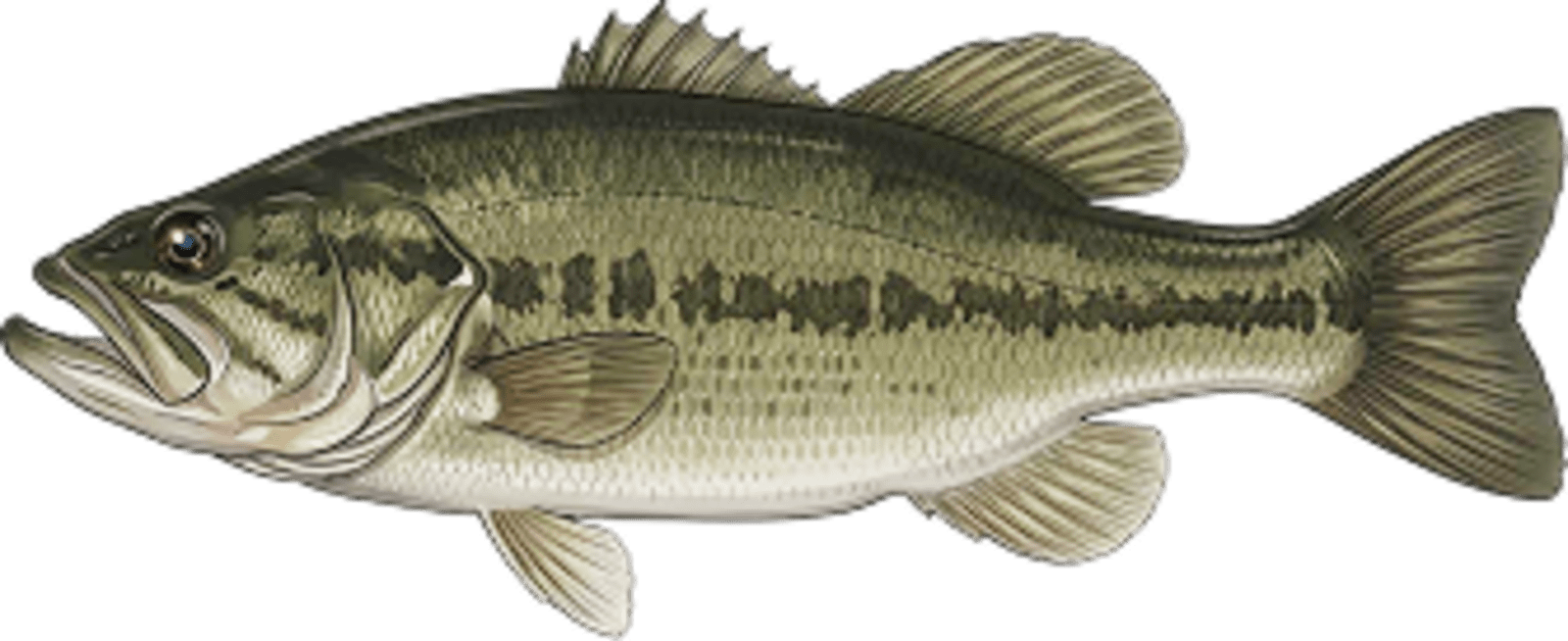
Largemouth bass
Largemouth bass
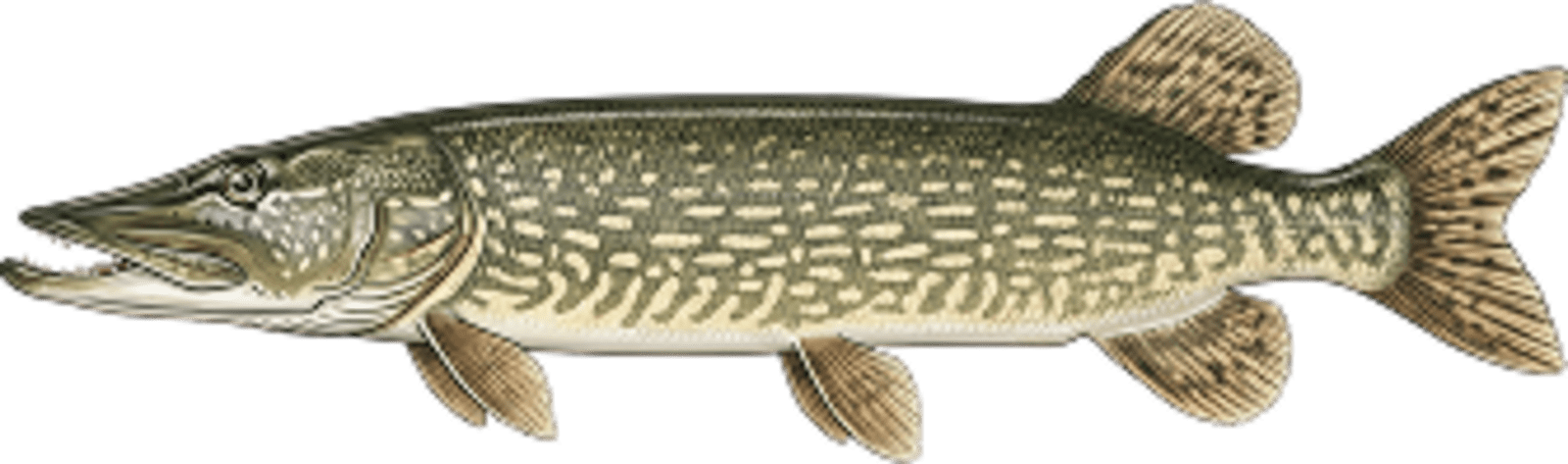
Northern pike
Northern pike

Overview

The state's second largest lake, widely known for exciting spring walleye runs. Good numbers of white bass and crappie offer steady action. Muskie, bass and pike also available..

Ross Lake Map

Fishing Regulations

Special Fishing Regulations: This lake has special fishing regulations that differ from statewide or border water regulations for those species identified below and take precedence. Regulations listed below are currently in place. Visit the fishing regulations page for links to upcoming regulations for specific lakes.

Special Species Regulations

  • Bullheads: Open All Year: No minimum length limit and the daily bag limit is unlimited.
  • Catfish: Open All Year: No minimum length limit and the daily bag limit is 10.
  • Cisco And Whitefish: Open All Year: No minimum length limit and the daily bag limit is 10.
  • Lake Sturgeon: Closed: No fishing allowed.
  • Largemouth Bass And Smallmouth Bass: May 2, 2026 to March 7, 2027: The minimum length limit is 14” and the daily bag limit is 5.
  • Muskellunge And Hybrids: May 2, 2026 to December 31, 2026 on open water: The minimum length limit is 40” and the daily bag limit is 1.
  • Northern Pike: May 2, 2026 to March 7, 2027: The minimum length limit is 26” and the daily bag limit is 2.
  • Paddlefish: Closed: No fishing allowed.
  • Panfish: Open All Year: No minimum length limit and the daily bag limit is 25.
  • Rock, Yellow, And White Bass: Open All Year: No minimum length limit and the daily bag limit is unlimited.
  • Rough Fish: Open All Year: No minimum length limit and the daily bag limit is unlimited.
  • Round Goby: Open All Year: The daily bag limit is 0, one may be killed and possessed for transport to a WDNR Office.
  • Ruffe: Open All Year: The daily bag limit is 0, one may be killed and possessed for transport to a WDNR Office.
  • Shovelnose Sturgeon: Closed: No fishing allowed.
  • Trout: See specific regulations: See Trout Regulations
  • Walleye, Sauger, And Hybrids: May 2, 2026 to March 7, 2027: The minimum length limit is 15” and the daily bag limit is 3.
  • White Perch: Open All Year: The daily bag limit is 0, one may be killed and possessed for transport to a WDNR Office.

Features

Petenwell flowage was created in the late 1940’s and became the second largest inland lake in Wisconsin. The dam that blocks the Wisconsin River to form the Petenwell Flowage was created to provide hydroelectric power and flood control. Petenwell is heavily used for many recreational activities such as: boating, fishing, swimming, hunting and canoeing/kayaking. The flowage provides many opportunities for shore anglers at a variety of locations. The Petenwell Flowage has an annual catch and release muskie tournament founded by Todd Forcier and has also hosted bowfishing tournaments for rough fish. Stumps, submerged timber and shallow water make parts of the flowage difficult to navigate. Many of these hazards are not marked on this map or with buoys. Careful navigation should be used, especially in the upper third of the flowage. A navigational channel is marked with buoys from Browns Creek outlet area downstream to Yellow Banks and from Devils Elbow to the Wisconsin River channel. Buoys have also been placed along the edge of Strongs Prairie Flats to indicate the shallow and dangerous area east of the buoys. Almost the entire shoreline of Petenwell is open to public use, with a few exceptions. The public access is from the shoreline back 100 feet. This strip is marked with signs and has walking trails. The exceptions to public access are well marked.

Forage

Small suckers and other small rough fish are heavily preyed upon by muskie. Biologists believe the recent unwanted addition of freshwater drum may also provide a food source for large game fish in the future. Young panfish and white bass are food sources for many game species. Emerald shiner, bluntnose minnow, and log-perch make up the diets for a variety of species.

Seasonal Movements

Walleye congregate below the Nekoosa Dam on the Wisconsin River from mid-March through April to spawn. Creek inlets that have adequate water flow will also attract spring walleye. A second migration of walleye to the Nekoosa Dams also occurs in late September and October. Better foraging is the primary reason for the second migration. White bass will be concentrated below the Nekoosa Dam during mid-May until the end of June.

Weather

Current Weather Icon
66°Feels like 66°
High Temperature77°
Low Temperature52°
Sunrise
6:13 AM
Sunset
7:50 PM
Wind Direction
0 mph
North
Precipitation
0 in
Rain
Pressure
30.09 inHg
Falling
Partly Cloudy
MondayMo
77° / 52°
Partly Cloudy with Isolated Showers and Isolated Storms
TuesdayTu
82° / 61°
Mostly Sunny
WednesdayWe
80° / 56°
Mostly Sunny
ThursdayTh
79° / 51°
Mostly Sunny
FridayFr
80° / 56°
Partly Cloudy with Scattered Showers and Isolated Storms
SaturdaySa
80° / 66°

Moon Phase

waxing gibbous
August 24, 2026
87% Illumination
waxing gibbous, getting brighter
Moon Rise and Set
Moon Rise 6:21 PM
Moon Set 2:11 AM
Moon Overhead Underfoot
Overhead 10:46 PM
Underfoot 10:21 AM
waxing gibbous
MondayMo08/24
waxing gibbous
TuesdayTu08/25
waxing gibbous
WednesdayWe08/26
waxing gibbous
ThursdayTh08/27
full moon
FridayFr08/28
waning gibbous
SaturdaySa08/29
waning gibbous
SundaySu08/30
Waterbody poster background

Get Your Line in the Right Water

Quickly find the best places to fish and plan your day right.

Top Fish Species
Largemouth bass
Largemouth bass
No survey data
Abundance (CPUE)
Understanding Abundance

Abundance ratings are based on Catch Per Unit Effort (CPUE) measurements conducted by the MN DNR, and represent a snapshot of a species population at a given point in time

Source: Minnesota Department of Natural Resources. Survey cadence may vary by state and water body.
Species Lengths