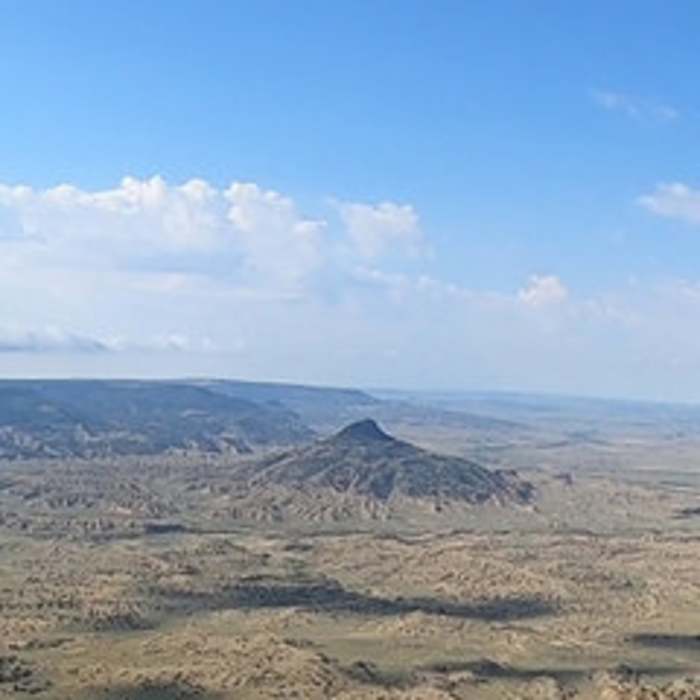
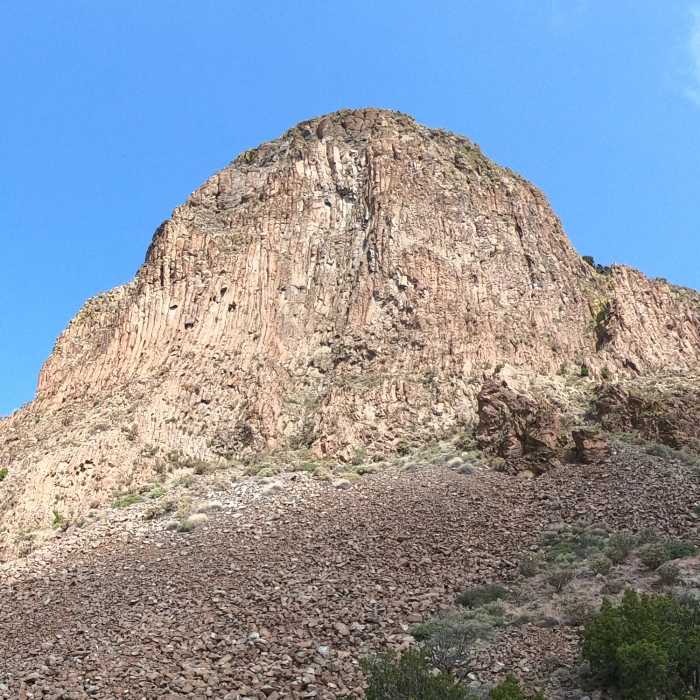
Cabezon Peak is a notable landmark located in northwestern New Mexico. Its name is Spanish for "big head." Rising at about 8,000 feet above sea level and 2,000 feet above the Rio Puerco Valley floor, Cabezon Peak is the most prominent of approximately fifty volcanic necks in the volcanic field of Mount Taylor.
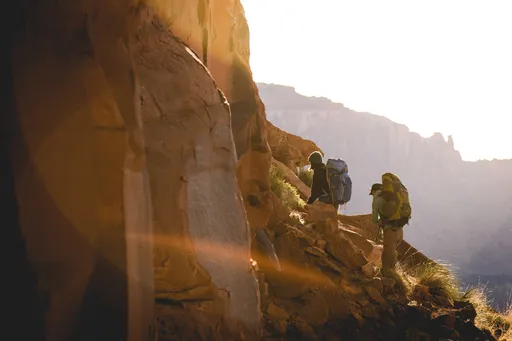
The hike to the summit is mostly Class 2 scrambling up steep and rocky terrain with a few sections of Class 3 climbing. The Bureau of Land Management recommends wearing a hardhat due to the potential danger of falling rocks. This is especially a risk if you are traveling in a group and are ascending behind someone else.
If accessing from Albuquerque, take I-25 North for about 17 miles to US 550 West. Continue for about 41 miles and turn left on NM 279 past the village of San Luis. At this point the pavement ends and the road can become treacherous in inclement weather. Keep left at the fork and after 1.5 miles on the left you'll see the BLM sign for Cabezon Peak. You can follow the accompanying dirt route to a decent parking area, although higher clearance vehicles are recommended.
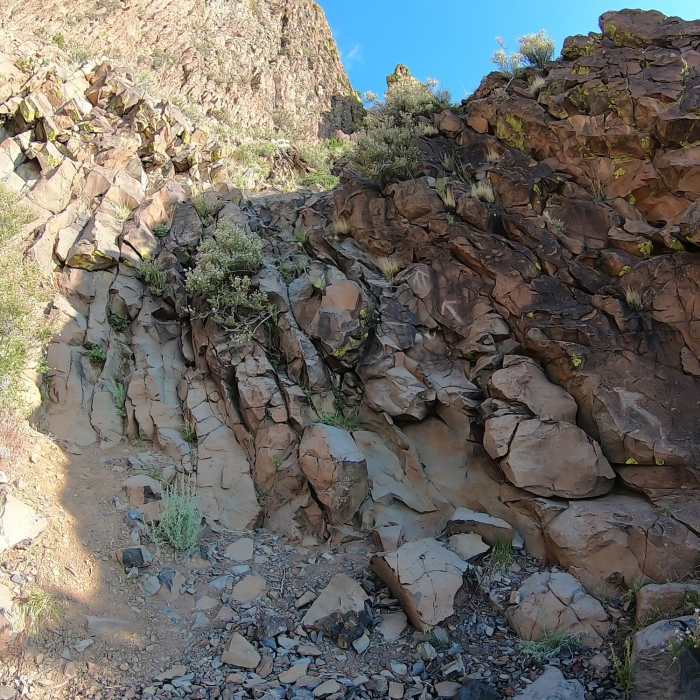
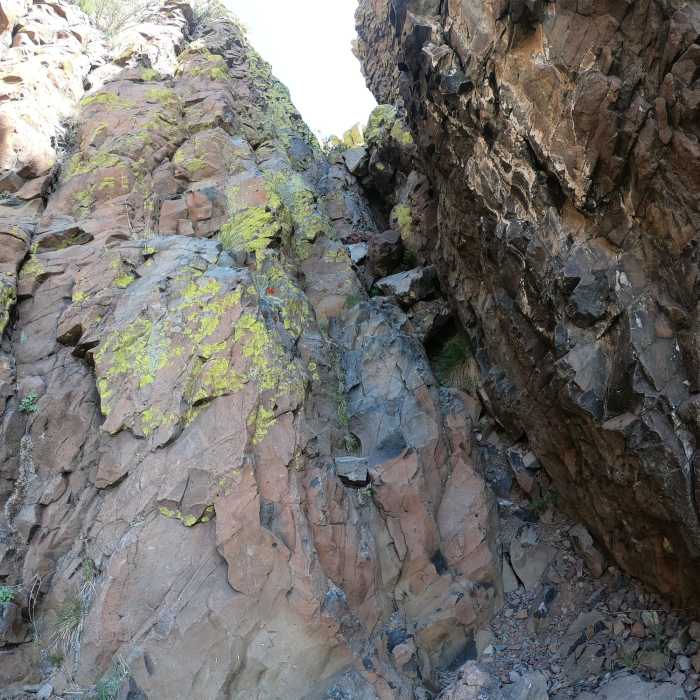
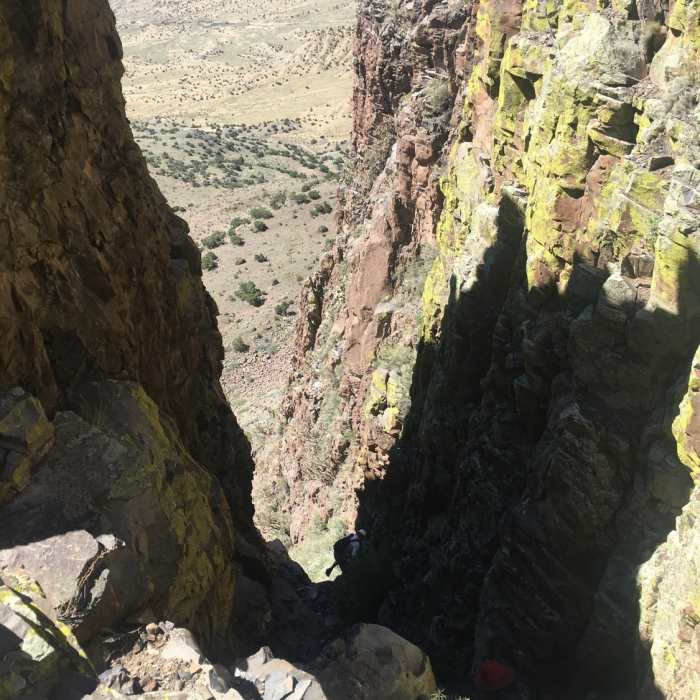
Heading northeast up a vague trail amongst loose rocks, you'll soon encounter the first Class 3 section. Faint red arrows painted on the rocks indicate to go "up." Shortly after this ascent, the gully will become more obvious. After ascending the gully, you'll emerge on small flat section of rock with a great view of valley. Continue your ascent up to the moss-covered rocks to your left and soon a cairn will mark the correct route on a fairly obvious trail.
From the Cabezon Peak Trail, continue scrambling northeastward on the faint trail as another red arrow on a rock pointing upwards indicates the correct route. Do not follow the foot path to its termination under the large tree; instead, begin the hike's final scramble by going up the large rocks south of the tree (you want to be above it and to the left). All that remains is a hike along an obvious trail leading to the summit's rock shelter in which you'll find the summit registry and be rewarded with fantastic views of the Rio Puerco Valley and its various land formations.