A permit is required for both day and overnight trips. Lottery applications are open from February 1 to March 1 at www.recreation.gov. Outside the quota season (November 2 - April 30), permits are more readily available. For details, visit: https://www.fs.usda.gov/detail/inyo/passes-permits/recreation/?cid=stelprdb5150055
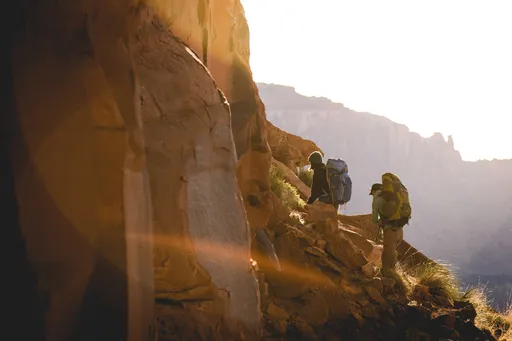
This steep and technical route gains over 6,000 feet in elevation and includes Class 3 scrambling, requiring strong route-finding skills and mountain experience. Though challenging, it is also incredibly rewarding. There are far fewer people on this route than on the traditional Mount Whitney Trail. The lakes are beautiful, the views are stunning, and you can take pride in completing this historic route first pioneered by John Muir.The route begins at Whitney Portal, following the Mount Whitney Trail briefly before diverging onto the North Fork Lone Pine Creek Trail. The terrain quickly becomes steep and unmaintained, with early challenges like the Ebersbacher Ledges, where route-finding is critical, and helmets are advised due to rockfall risk. Many hikers camp at Upper Boy Scout Lake or Iceberg Lake before attempting the summit.From Iceberg Lake, the route ascends a steep chute. In summer, it's best to stay to the left to avoid loose scree and falling rock. Once you top out at the shoulder, you'll have a choice of routes to the summit: climb the final 400 feet via a Class 3 section or take an exposed Class 2 traverse that wraps around the backside and connects with the Mount Whitney Trail (exposed and dangerous when snow-covered). Route choice depends on experience and conditions.Eventually, you'll top out on the summit plateau--you made it! Enjoy the view, you earned it!Reaching the summit is only halfway. You'll need to carefully descend the same route or take the longer but less technical Mount Whitney Trail, turning the route into a loop. No matter which way you go, proper preparation, including researching conditions and route details, is essential for a safe ascent and descent.